
Grass identification can be tricky, but with a little practice, you’ll gain the skills needed to confidently recognize different species. The goal of this guide is to equip you with the tools to identify grasses accurately and understand their characteristics, helping you determine their role in your pasture or homestead.
Many apps exist to help identify grasses and plants, and while they’re often correct, they can sometimes be inaccurate. I find that often I don’t have good cell or wifi where I am working so i need to be able to identify plants without technology. That’s why learning to identify grasses based on their unique features—rather than relying solely on technology—will give you a valuable skill set that not many possess.
In this guide, we’ll explore:
- Growth habits
- Seed heads
- Leaf shapes & textures
- Collar region structures (ligules & auricles)
By mastering these characteristics, grass identification will become second nature!
1. Growth Habit: How Does the Grass Grow?
The first step in grass identification is observing its growth habit—how it spreads and thrives in an environment.
Bunch Grasses grow in tight clumps and do not spread via underground stems. They rely on seed production for propagation and have an upright growth habit.
Examples:
Orchardgrass (Dactylis glomerata)

Tall Fescue (Festuca arundinacea)
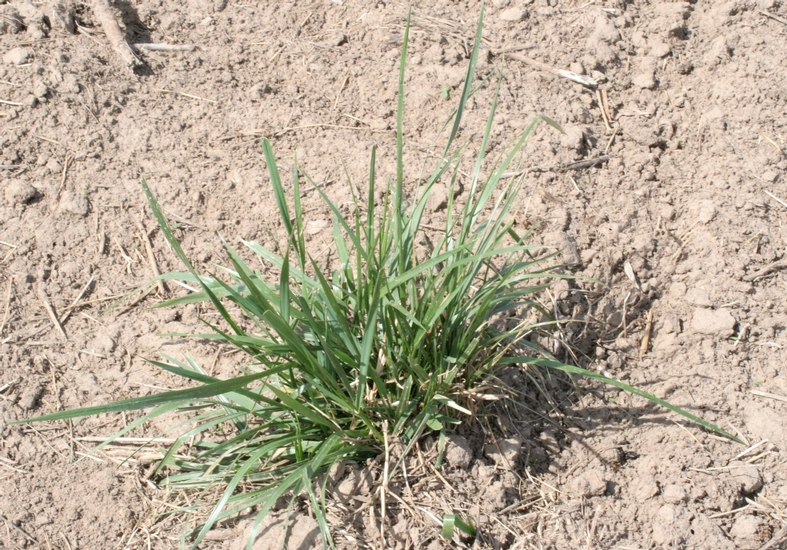
Timothy Grass (Phleum pratense)

Sod-Forming Grasses spread using rhizomes (underground stems) or stolons (above-ground runners). They form a dense, carpet-like growth, making them excellent for erosion control.
Examples:
Kentucky Bluegrass (Poa pratensis) – Spreads via rhizomes
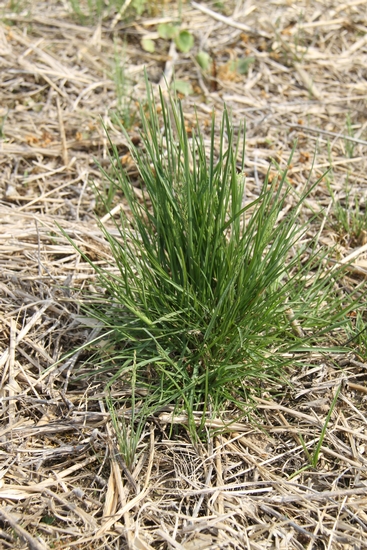
Smooth Bromegrass (Bromus inermis) – extensive rhizomes structures

Bermudagrass (Cynodon dactylon) – Uses both stolons and rhizomes
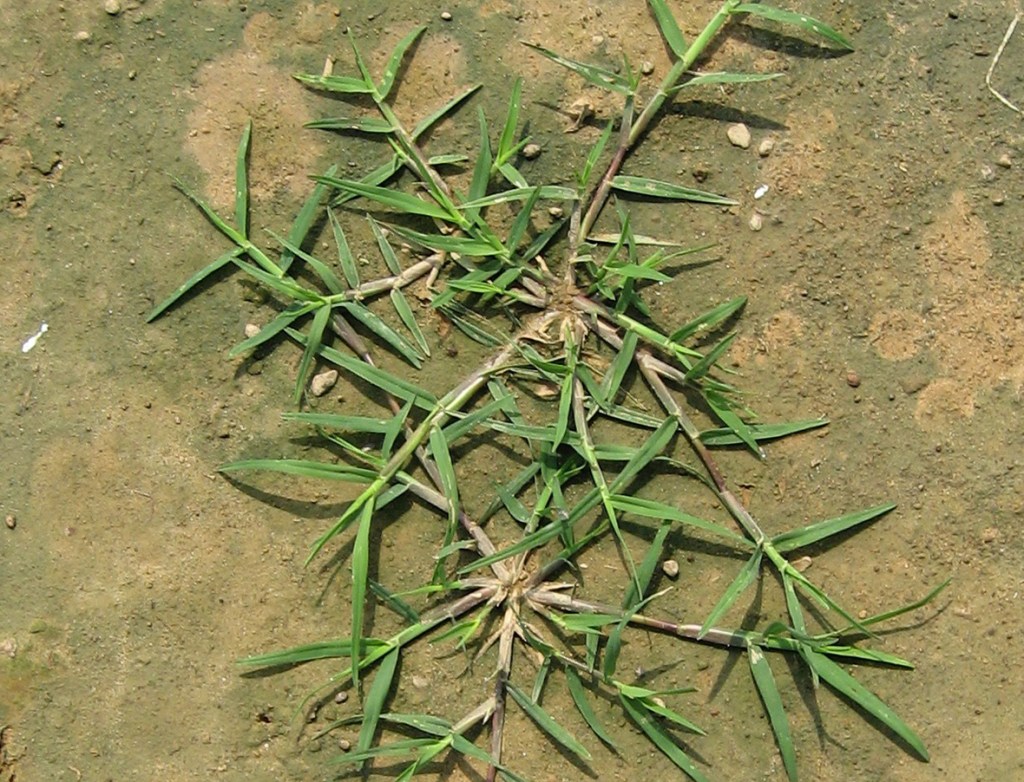
Creeping Grasses spread horizontally but don’t form dense sod.
Examples:
Quackgrass (Elymus repens) – Spreads via rhizomes
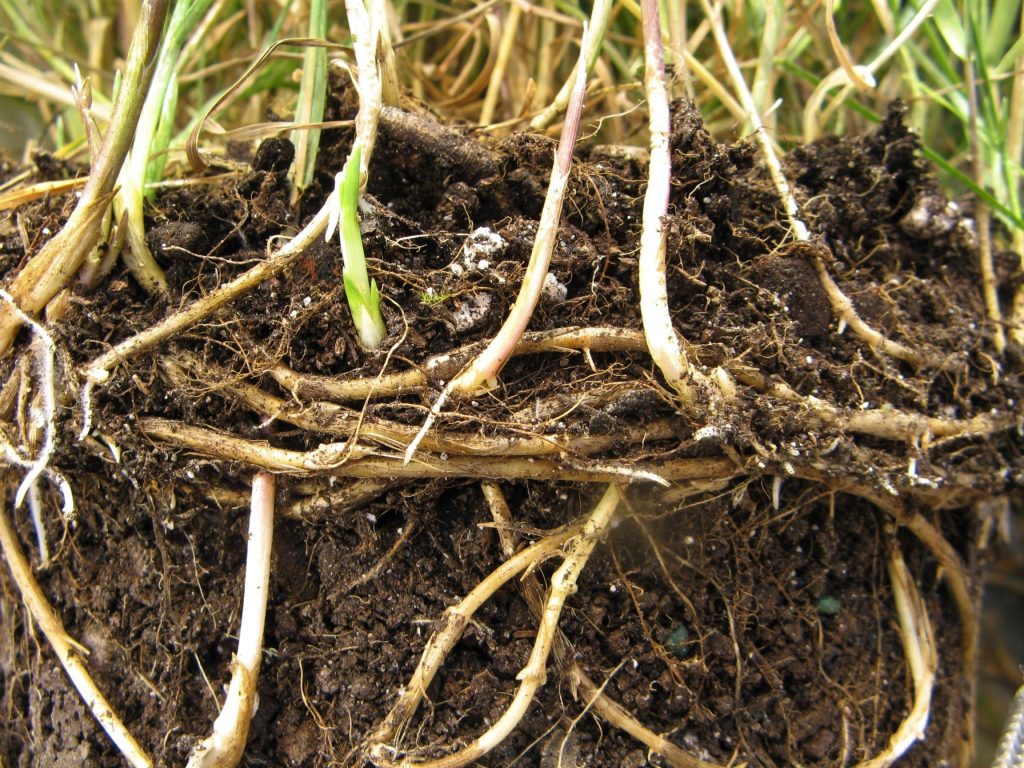
Observing whether a grass grows in clumps or spreads outward is a key clue in its identification!
2. Seed Heads: A Key Identifier
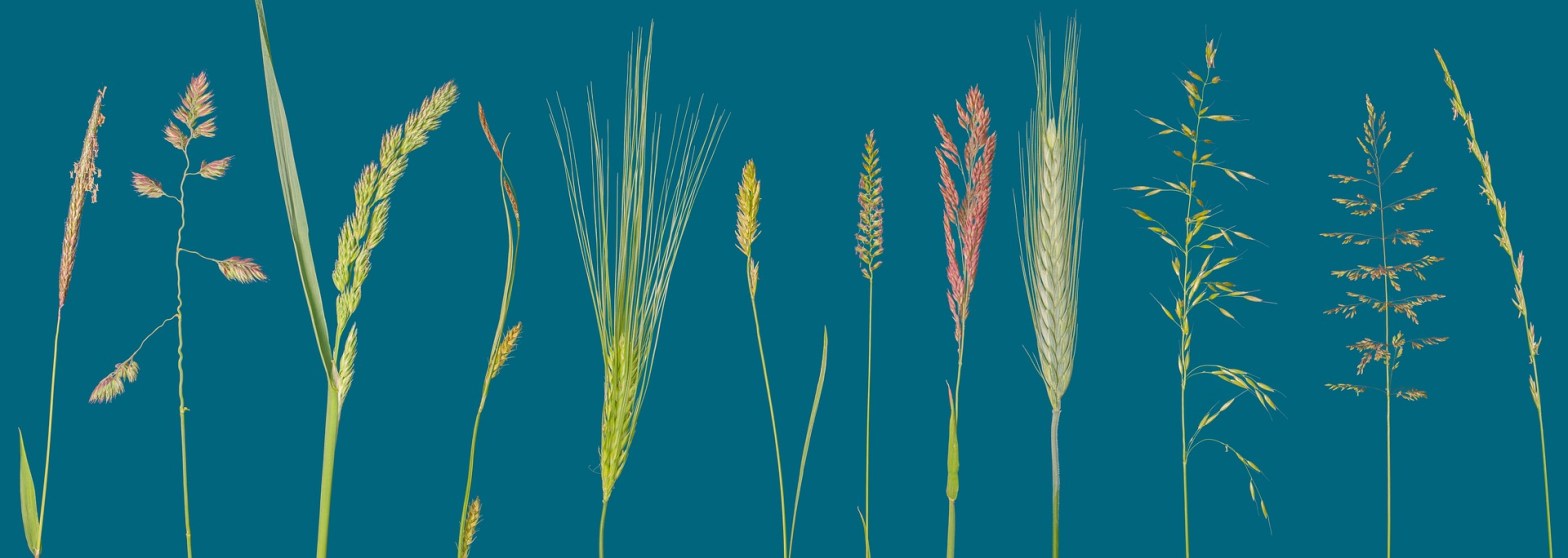
The second major feature to examine is the seed head, especially when grasses are mature. Seed heads come in different shapes and structures, and recognizing them is a reliable way to identify species.
Common Seed Head Types:
Panicle – Loose, branching seed heads
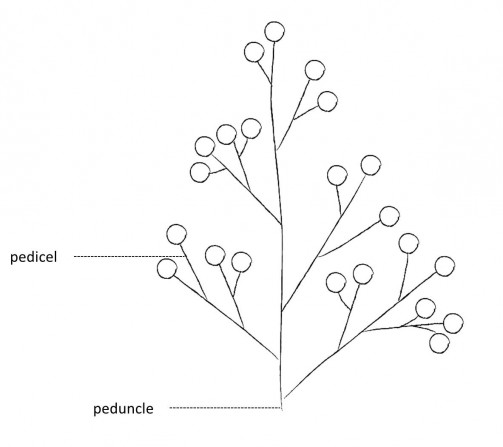
Examples:
Kentucky Bluegrass (Poa pratensis)
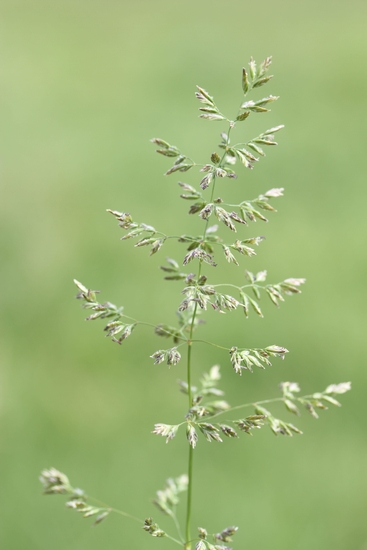
Orchardgrass (Dactylis glomerata)
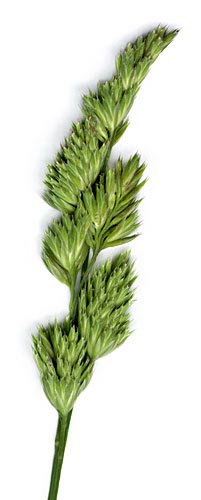
Switchgrass (Panicum virgatum)

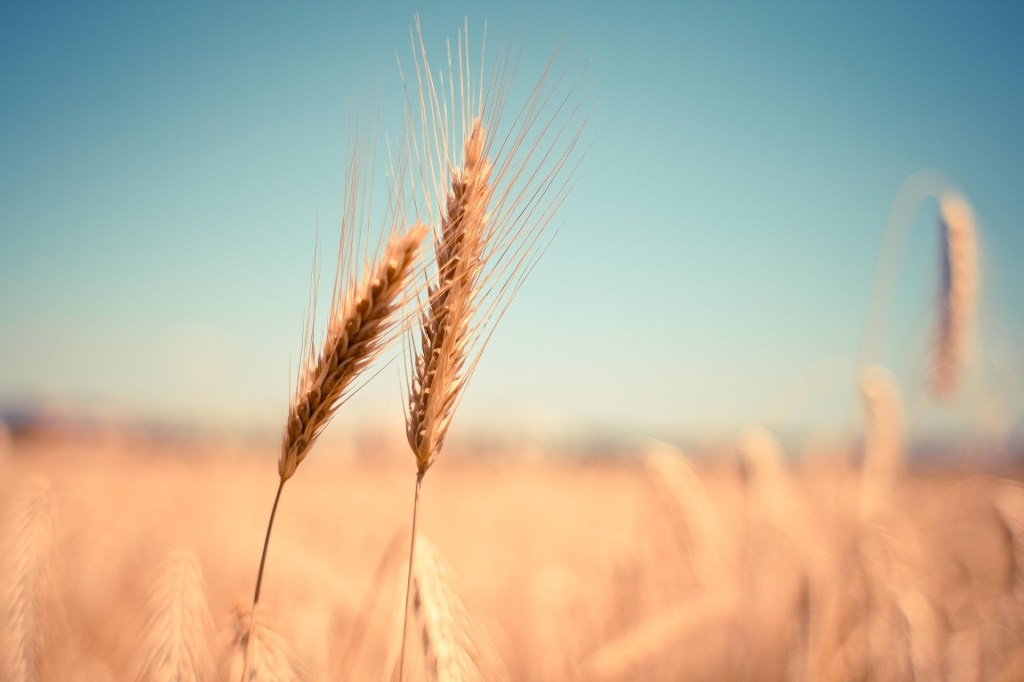
Spike – Seeds attached directly to the main stem
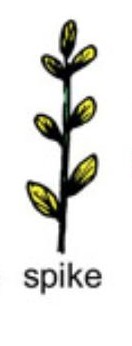
Examples:
Perennial Ryegrass (Lolium perenne)

Wheatgrass (Agropyron spp.)
Raceme – Seeds attached by short stalks along a central stem
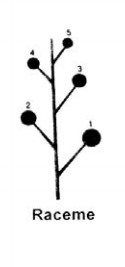
Examples:
Crabgrass (Digitaria spp.)
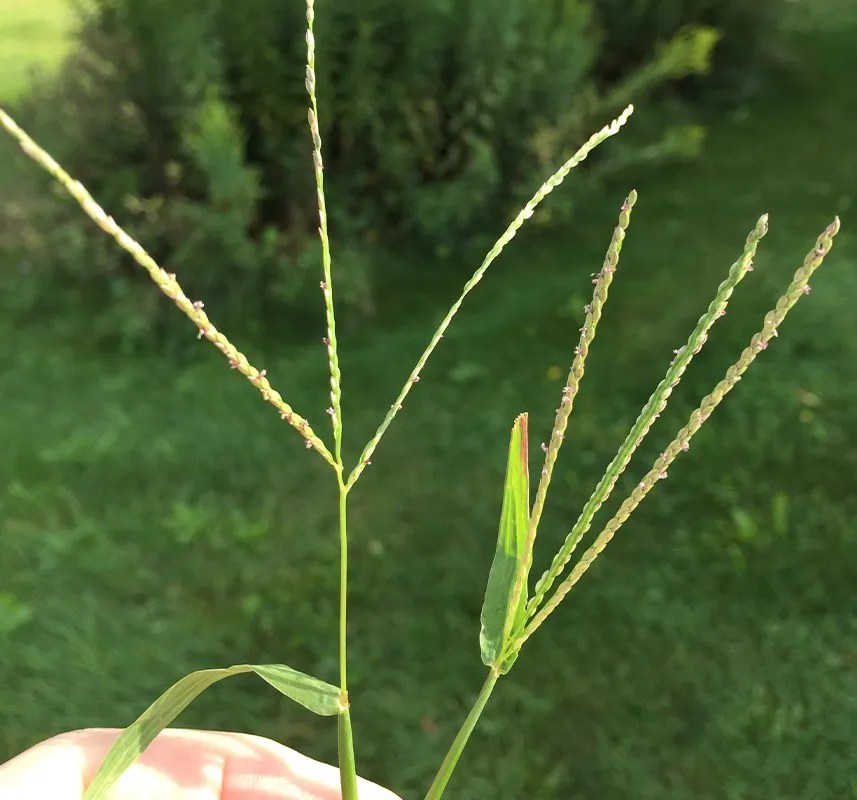
Barnyardgrass (Echinochloa crus-galli)

If the grass is producing a seed head, use its shape and structure as a primary identification tool!
3. Leaf Shape & Texture
Leaf shape and texture provide another set of clues for grass identification. Look for these characteristics:
Flat & Broad – Wide, smooth leaves (e.g., Orchardgrass)
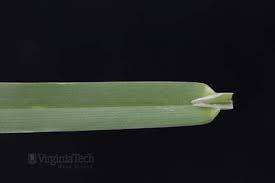
Folded – V-shaped or creased down the center. Also has a twisted appearance. (e.g., Timothy)
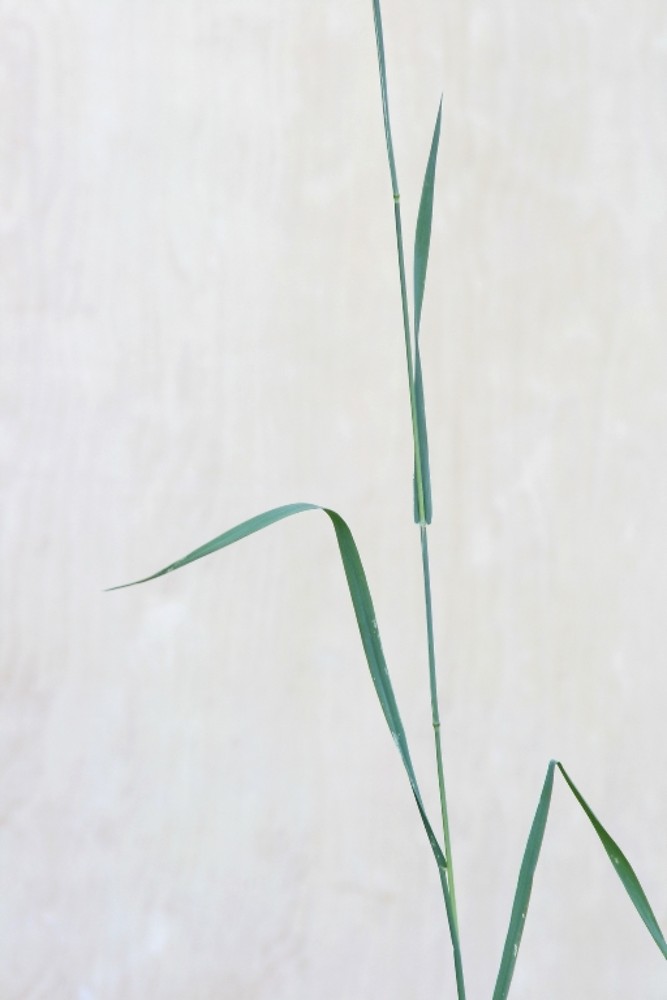
Rolled – Cylindrical or curled inward (e.g., Kentucky Bluegrass)
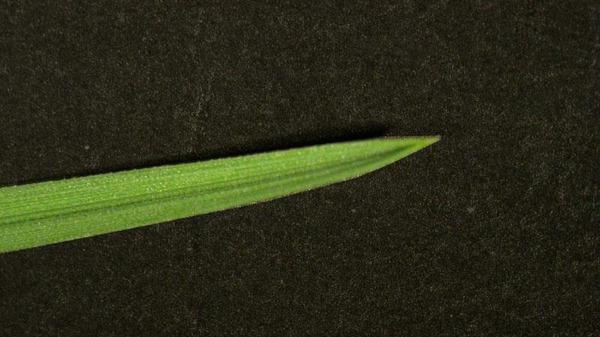
Hairy – Covered in fine hairs (e.g., Tall Fescue)
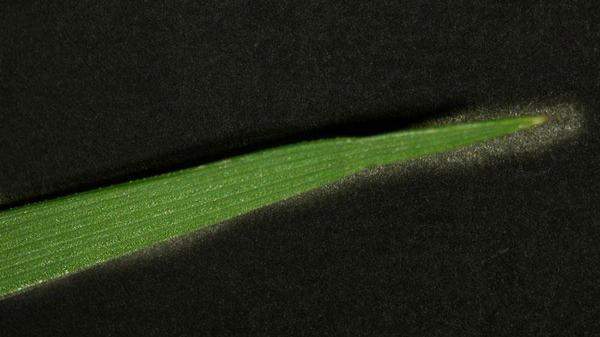
Additionally, examine:
- Leaf Length – Long or short?
- Surface Texture – Smooth or hairy?
- Edge Shape – Flat, folded, or ridged?
These small details help distinguish similar-looking grasses from one another.
4. Collar Region: The Final Clue
The collar region is the area where the leaf blade meets the stem. While often overlooked, this section provides critical identification features!
Ligules – A thin structure at the base of the leaf blade, which can be:
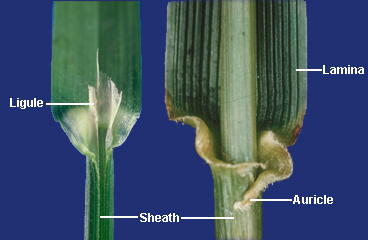
Membranous (thin & translucent)
Hairy (fringe-like projections)
Absent (some grasses lack a ligule altogether)
Examples of ligules:
Kentucky Bluegrass – Short & blunt
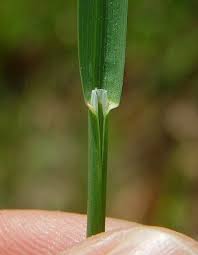
Orchardgrass – Long & membranous
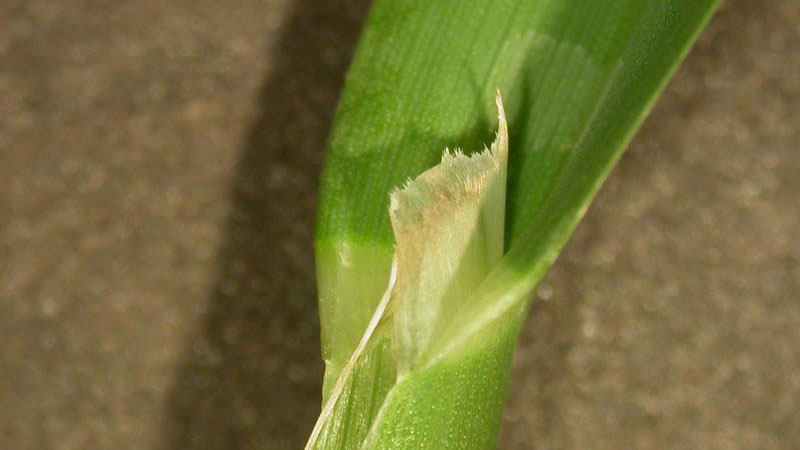
Burmuda Grass – Fringe of hairs
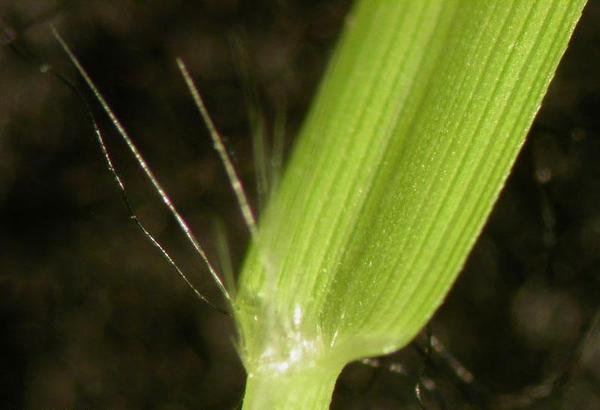
Timothy – Tall & membranous
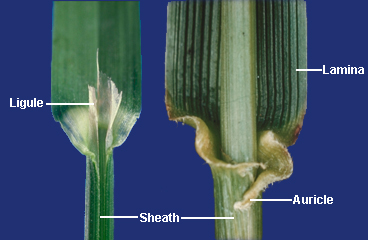
Auricles – Small, ear-like projections extending from the leaf base that wrap around the stem.
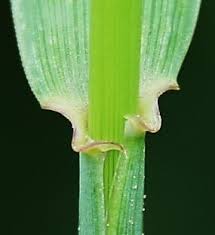
Examples of auricles:
Perennial Ryegrass – Small & claw-like
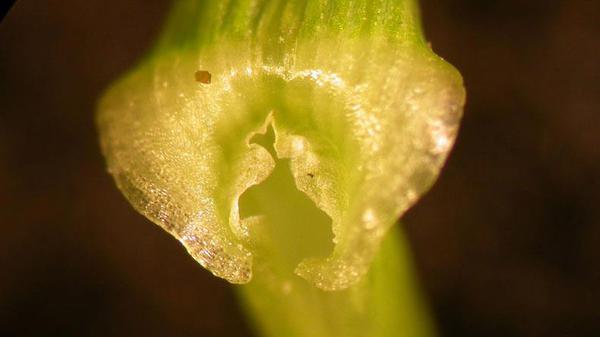
Barley – Long, well-developed auricles
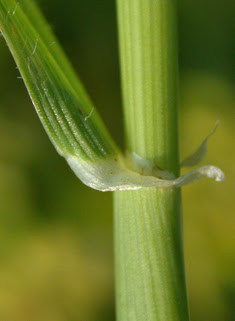
Quack grass – Broad & clasping auricles
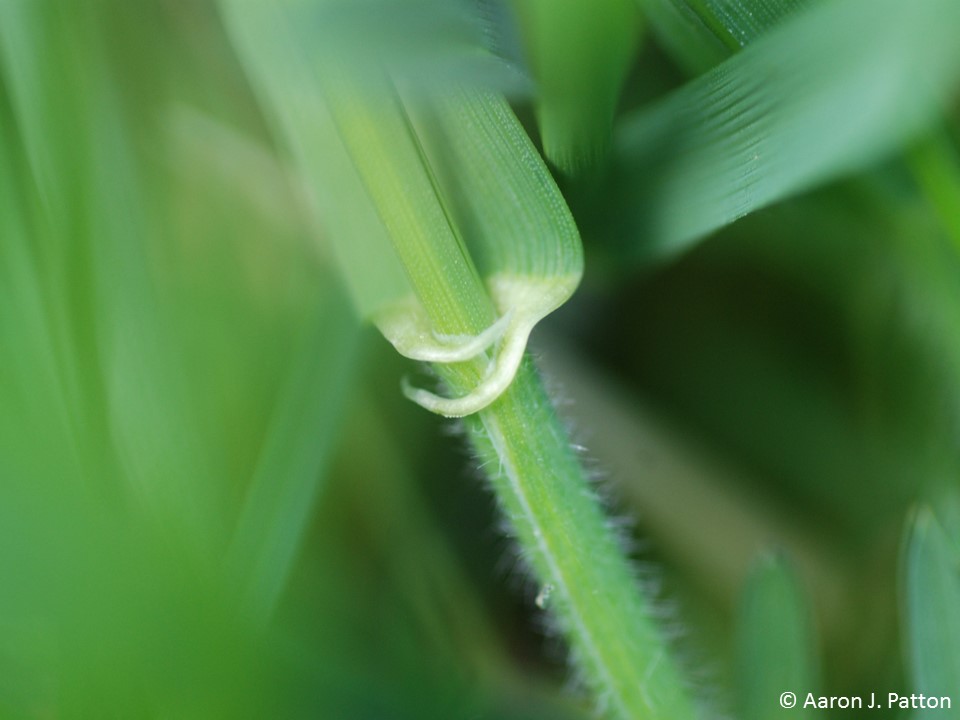
Annual Ryegrass – Prominent, wrapping auricles
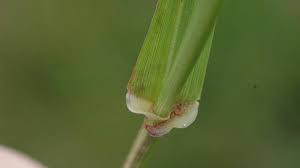
By closely observing the ligule and auricle, you can refine your grass identification with absolute certainty!
This grass and pasture ID publication for the USDA has more in depth information about Grass and Plant id for your pasture, best of all its free, Forage Plant Biology and Identification.
You Can Become a Grass ID Expert!
Grass identification may seem overwhelming at first, but with practice, you’ll be amazed at how quickly your skills develop! By observing growth habits, seed heads, leaf shapes, and collar structures, you can confidently recognize grasses in your pasture or homestead.
Not only will you gain expertise that few possess, but you’ll also better understand how grasses thrive—helping you make smarter land management decisions. Whether you’re improving pasture quality, removing unwanted weeds, or simply deepening your connection to nature, mastering grass identification is a rewarding journey.
So get out there, explore, observe, and start identifying grasses like a pro—your knowledge will only grow from here! 🌱🔍
If you want more information and updates, please subscribe to my newsletter. Get the latest blog posts and new offers right in your email. It’s free to subscribe, and you’ll receive loads of information at no cost.
Don’t forget to check out Anything Agriculture on social media! Follow us on YouTube, Facebook, Instagram, and Pinterest for more great content. Like and subscribe to stay connected!
Ready to take your homesteading journey to the next level? Book an appointment with me today! With decades of experience, I provide personalized advice to solve any homesteading challenge. Whether you’re a newbie or a seasoned homesteader, I offer expert guidance to make your homestead thrive. Don’t miss out—schedule a chat and unlock the full potential of your homestead with Anything Agriculture. Let’s turn your dreams into reality!


Discover more from Anything Agriculture
Subscribe to get the latest posts sent to your email.
