

Introducing animals to your homestead is both an exciting and pivotal step in cultivating a self-sufficient lifestyle. For beginners, selecting the right animals is essential to ensure a manageable workload and a fulfilling experience. Here’s a deeper dive into why starting with animals matters and which ones make the best companions for your homestead’s early days.
Why Start with Animals?
Animals add a dynamic and vibrant element to your homestead. They provide valuable resources such as eggs, milk, meat, manure for gardening, and even companionship. Starting with manageable animals helps you build confidence in their care while integrating their routines into your daily life. They also teach you essential skills, from animal husbandry to time management and problem-solving.
Best Animals for Beginners
When choosing your first homestead animals, prioritize species that are easy to care for, adaptable to your environment, and offer tangible benefits that align with your homesteading goals. Selecting the right animals ensures a smoother start to your journey and helps you build confidence as you learn the ropes of animal husbandry. Here’s a breakdown of what to look for and why these factors matter:
1. Easy to Care For
Beginner-friendly animals should have straightforward care requirements that fit within your schedule and skill level. Look for animals that:
- Require minimal daily tasks, such as feeding, watering, and basic health checks.
- Are resilient to common diseases or environmental changes, reducing the need for frequent medical attention.
- Have established care guides and resources readily available, making it easier for you to learn and troubleshoot as needed.
2. Adaptable to Your Environment
It’s important to choose animals that thrive in your specific climate, terrain, and homestead setup. Factors to consider include:
- Climate: Certain animals, like chickens and rabbits, adapt well to a wide range of temperatures, while others may require more specialized care in extreme weather conditions.
- Space: If you have limited acreage, smaller animals such as quail, rabbits, or bees are excellent choices. For larger homesteads, goats or sheep can make good use of pasture areas.
- Noise and Neighbors: If you’re in a semi-rural or suburban area, quieter animals like rabbits or bees may be better suited to avoid disturbing close neighbors.
3. Provide Tangible Benefits
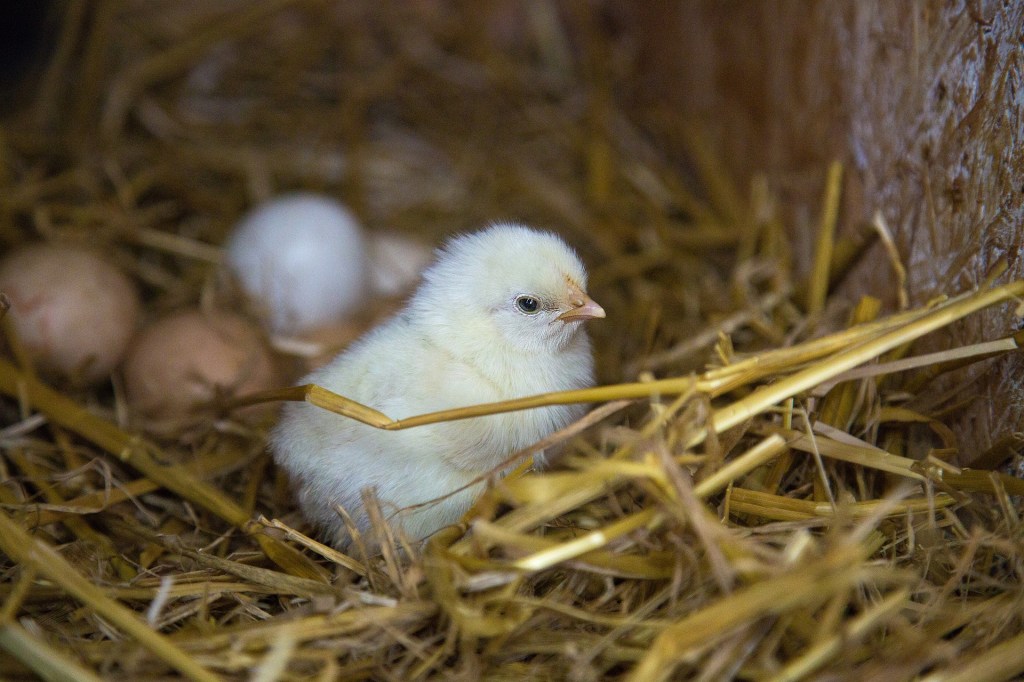
Each animal should contribute to your homestead’s productivity. This might include providing food, fertilizer, or other resources that enhance your self-sufficiency. Consider animals that:
- Supply a steady source of food, such as eggs (chickens, ducks, or quail), milk (goats), or meat (rabbits or quail).
- Produce byproducts like manure (rabbits and chickens) or wool (certain breeds of sheep) to support other aspects of homesteading, such as gardening or crafting.
- Offer additional functionality, such as pest control (ducks) or pollination (bees).
Making the Right Choice for Your Homestead

To set yourself up for success, start by defining your goals. Are you looking to reduce grocery costs by raising animals for food? Do you want to improve your garden’s fertility with natural manure? Or are you simply looking to enjoy the companionship and charm that animals bring? Answering these questions will guide your decisions and ensure that the animals you choose align with your priorities.
By beginning with easy, adaptable animals that fit your lifestyle and provide clear benefits, you’ll build a solid foundation for a thriving and enjoyable homesteading experience.
So, let’s dive into some great animals to introduce to your small farm homestead. You may already have experience with these animals through 4-H or FFA programs, which gives you an edge in caring for them. Don’t forget the amount of time spent caring for your animals is an important consideration too.
Starting with the right animals is essential for beginner homesteaders as it sets the stage for success and enjoyment. Here are some great options:
- Chickens:
- Why? They’re versatile, relatively easy to care for, and provide fresh eggs. Some breeds are also great for meat.
- Requirements: A secure coop, feed, and occasional health checks.
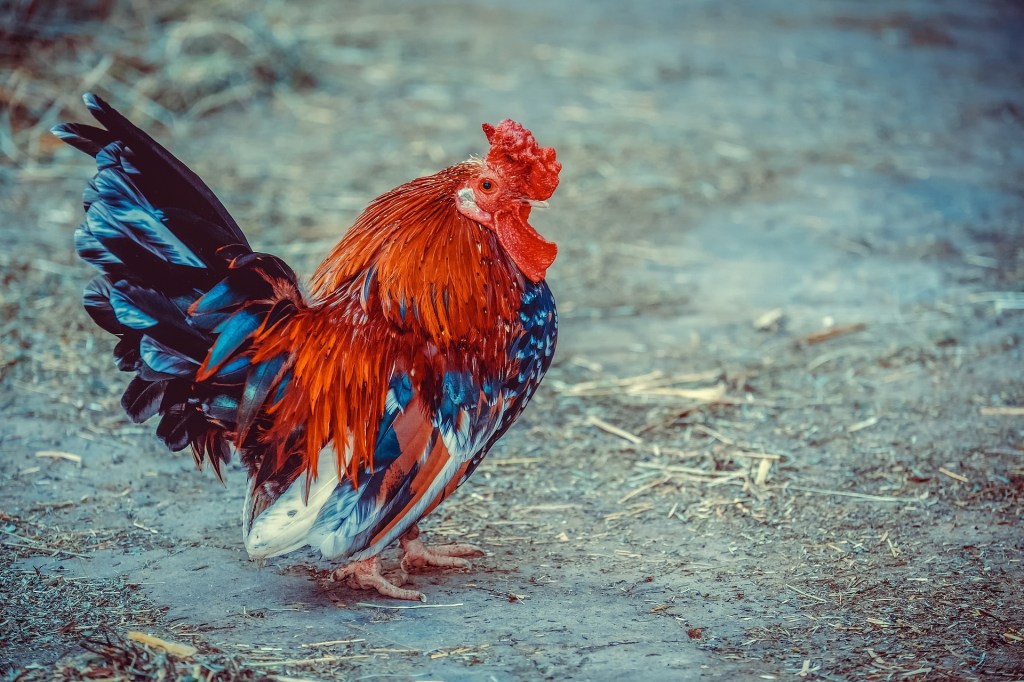
Time management for chicken
Daily Tasks: Feeding, watering, collecting eggs, and ensuring the coop is secure (15–20 minutes).
Weekly Tasks: Clean the coop and replace bedding to maintain hygiene (30–60 minutes).
Time Saver: Use automatic feeders and waterers to minimize daily upkeep.
- Ducks:
- Why? They’re hardy, adaptable, and less prone to certain diseases than chickens. Ducks lay nutritious eggs and can help with pest control.
- Requirements: A small water source, feed, and shelter.

Daily Tasks: Feeding, watering, and checking their enclosure (15–20 minutes).
Weekly Tasks: Clean their shelter and water source, if applicable.
Time Saver: Provide a kiddie pool or small pond that’s easy to drain and clean.
- Rabbits:
- Why? They’re quiet, easy to manage, and can provide meat or wool, depending on the breed. Rabbits are also excellent for producing nutrient-rich manure for gardens.
- Requirements: A hutch, clean water, and hay.

Daily Tasks: Feeding, watering, and checking for health (10–15 minutes for a small group).
Weekly Tasks: Clean cages or hutches and replace bedding.
Time Saver: Use a manure collection system beneath hutches for easy cleanup.
- Goats:
- Why? Miniature or dairy goats are friendly and produce milk, which can also be used for cheese and soap.
- Requirements: Secure fencing, adequate shelter, and fresh pasture or hay.
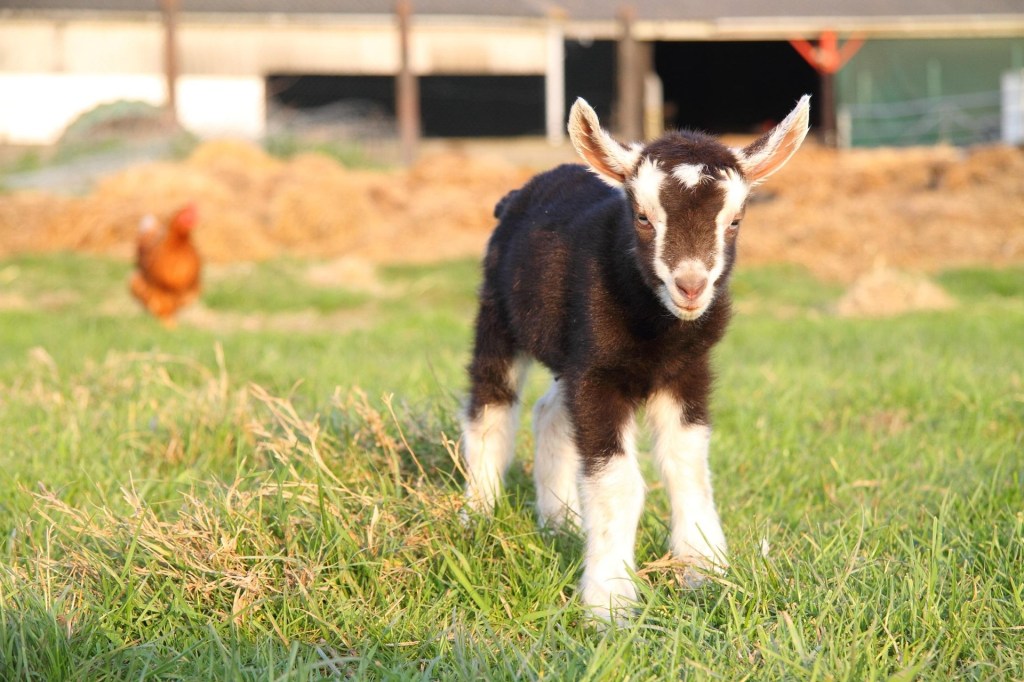
Goat time management
Daily Tasks: Feeding, providing fresh water, milking (if dairy goats), and inspecting for health (30–45 minutes per small herd).
Weekly Tasks: Clean shelters and restock hay or pasture.
Time Saver: Set up rotational grazing systems to save time on pasture management.
- Bees (for the adventurous beginner):
- Why? Bees are low-maintenance pollinators that produce honey and beeswax.
- Requirements: A beehive, protective gear, and basic knowledge of beekeeping.
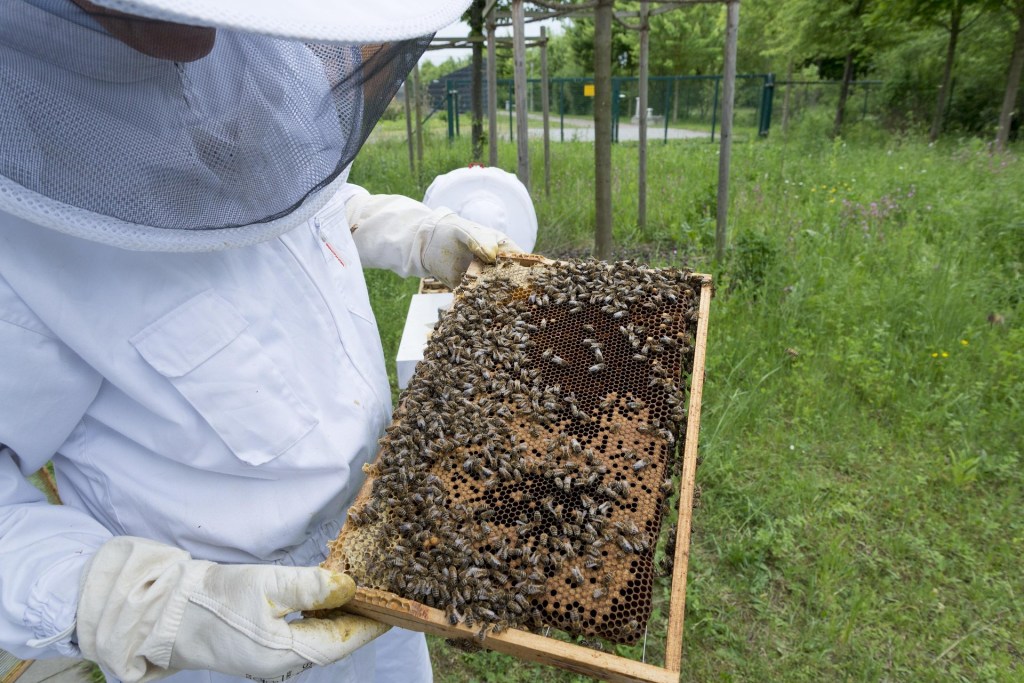
Daily Tasks: Minimal daily involvement; observe hive activity (5–10 minutes).
Weekly/Seasonal Tasks: Inspect hives every 7–10 days during the active season and harvest honey when ready.
Time Saver: Use bee-friendly plants nearby to reduce foraging distances.
- Quail:
-
- Why? These small birds are easy to raise, require less space than chickens, and produce delicious eggs and meat.
- Requirements: A secure cage and quality feed.
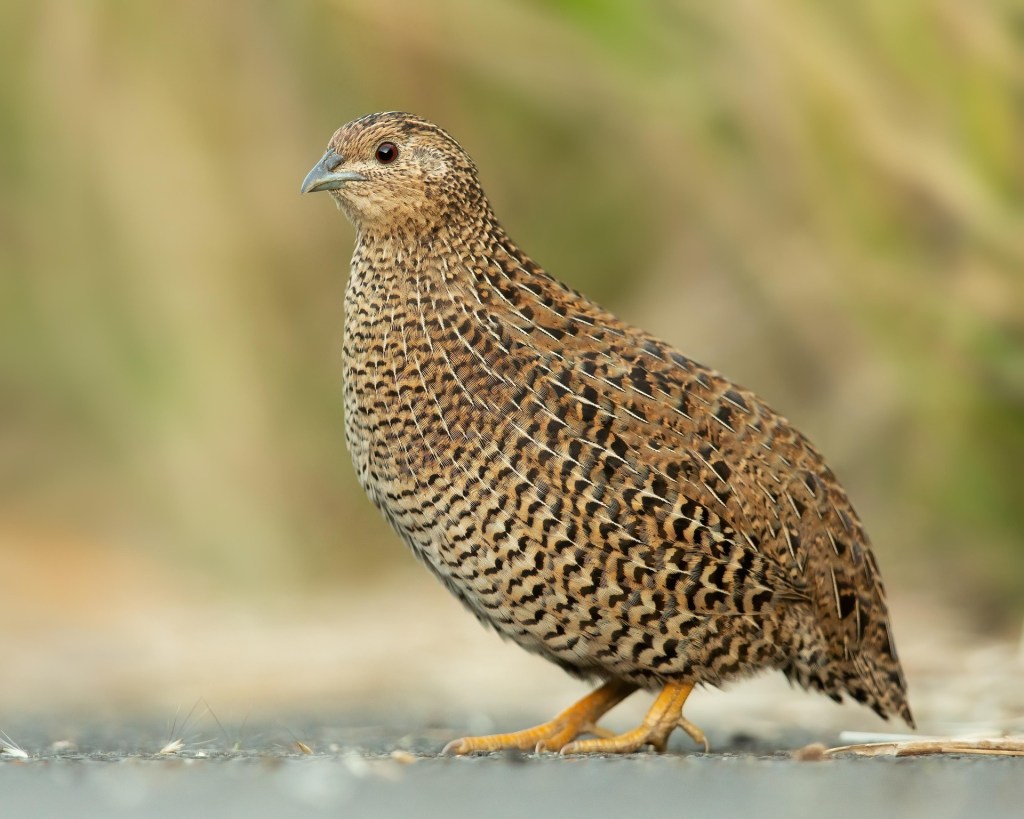
Daily Tasks: Feeding, watering, and collecting eggs (10–15 minutes for a small group).
Weekly Tasks: Clean cages and replace bedding or trays.
Time Saver: Design cage systems with easy-access feeding and waste collection.
- Sheep (small-scale):
- Why? Certain breeds are great for beginners and can provide wool or meat. Plus, they’re excellent for grazing and clearing weeds.
- Requirements: Secure fencing, shelter, and access to pasture.
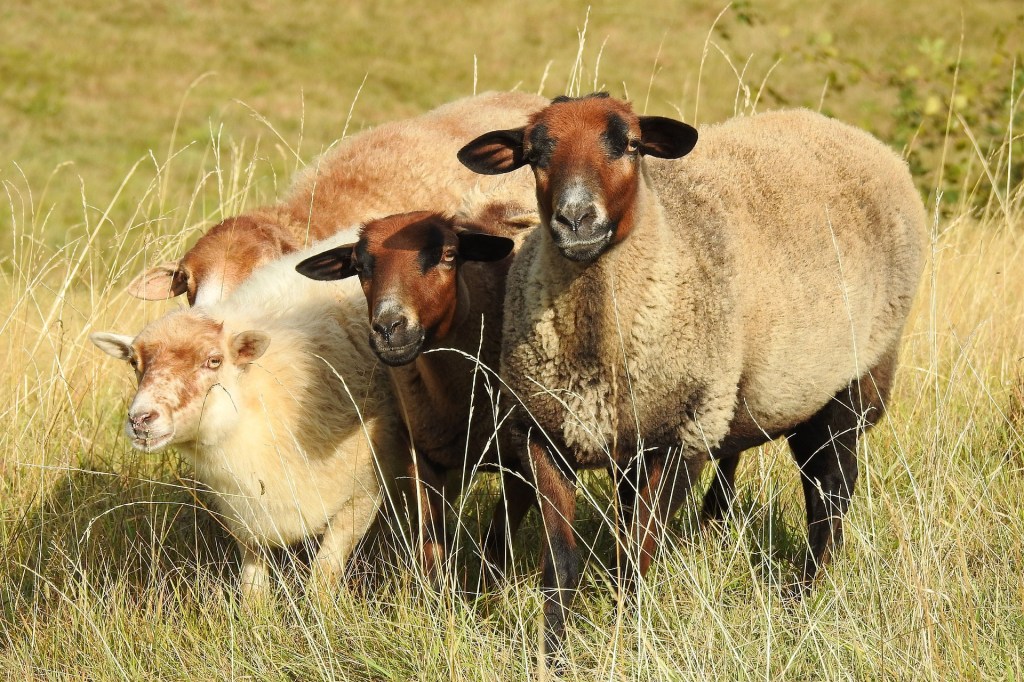
Daily Tasks: Feeding, watering, and inspecting for injuries or illnesses (15–30 minutes per flock).
Weekly Tasks: Rotate grazing areas and check fencing.
Time Saver: Use portable electric fencing for efficient pasture management.
Daily Tasks: Feeding, watering, and inspecting for injuries or illnesses (15–30 minutes per flock).
Weekly Tasks: Rotate grazing areas and check fencing.
Time Saver: Use portable electric fencing for efficient pasture management.
Pro Tip: Start with one or two animal types rather than diving into multiple species at once. This helps you learn their care requirements without becoming overwhelmed.
Time Management Tips for Adding Animals to Your Homestead

Incorporating animals into your homestead is a fulfilling step, but it also demands careful consideration of time management. Animals require daily care and attention, and balancing their needs with other homesteading responsibilities is key to maintaining a successful and enjoyable lifestyle. Here are some tips to help you manage your time effectively:
- Start Small
- Begin with one or two animal species to ease into the routines of care and maintenance. Starting small allows you to learn about their specific needs without feeling overwhelmed.
- Establish Routines
- Animals thrive on consistency, so setting up daily routines for feeding, watering, cleaning, and health checks will help streamline your efforts. Routines make it easier to plan your day and avoid missed tasks.
- Plan for Seasonal Changes
- Account for varying time demands based on the season. For instance, winter may require extra time for providing warmth and thawing water, while spring often involves birthing and grazing management.
- Combine Tasks
- Look for opportunities to combine animal care with other homestead activities. For example, collect manure during cleanup for use in your compost pile, or multitask while monitoring animals outdoors.
- Build Time Buffers
- Unexpected issues, such as a sick animal or fence repairs, can arise. Set aside extra time in your schedule for these unplanned tasks to avoid disruption.
- Use Efficient Tools and Systems
- Invest in time-saving tools like automatic waterers, feed dispensers, or predator-proof fencing. These small upgrades can significantly reduce your daily workload.
- Share the Load
- If you have family members or a homesteading partner, delegate tasks. Getting everyone involved not only lightens the workload but also builds teamwork and shared responsibility.
- Track and Adjust
- Keep a record of how much time you’re spending on animal care and identify areas where you can improve efficiency. Over time, you’ll develop a system that works best for you.
By managing your time wisely, you’ll be able to care for your animals while still maintaining balance across other aspects of your homestead. Thoughtful planning ensures both you and your farm friends thrive! Would you like to focus on any specific type of animal care or time-saving tools? Let me know!
Embark on Your Homesteading Adventure Starting a homestead with animals is more than just a lifestyle—it’s a journey of growth, discovery, and fulfillment. Whether you’re collecting fresh eggs from your chickens, tending to your goats in the pasture, or harvesting honey from your bees, every step you take brings you closer to a sustainable and rewarding way of life.
Remember, the key is to start small, learn as you go, and embrace the unique rhythm of your homestead. With determination, thoughtful planning, and perhaps some wisdom from experiences like 4-H or FFA, you’re well-equipped to build a thriving and harmonious farmstead.
Every homesteader’s story begins somewhere. Let this be the start of yours—a story filled with purpose, connection, and the joy of watching your dreams grow. The animals you care for will reward you with not only resources but also unforgettable moments that make the hard work worthwhile.
So take the first step, welcome these animals into your life, and let the adventure unfold. You’ve got this!
Discover more from Anything Agriculture
Subscribe to get the latest posts sent to your email.
