
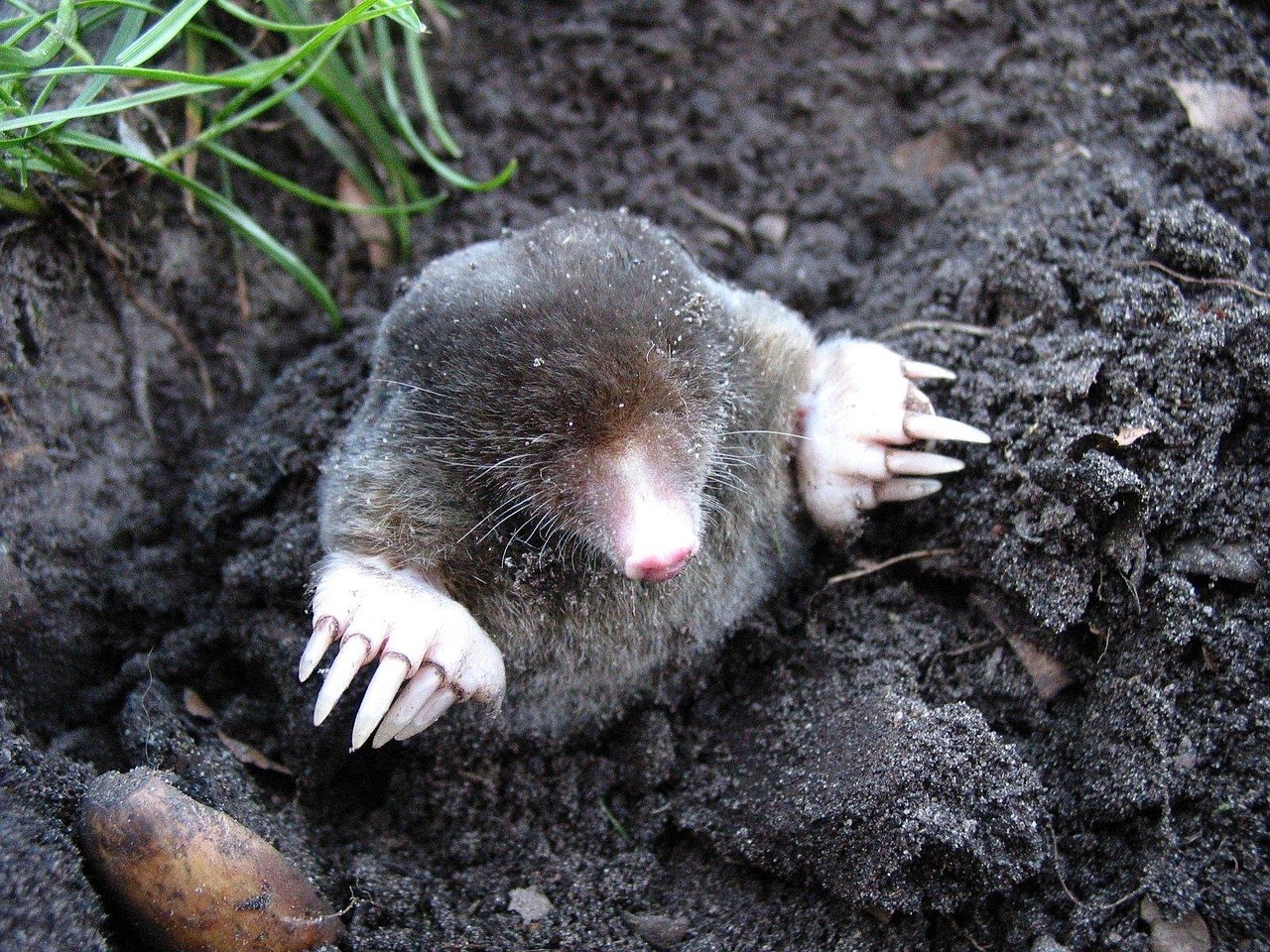
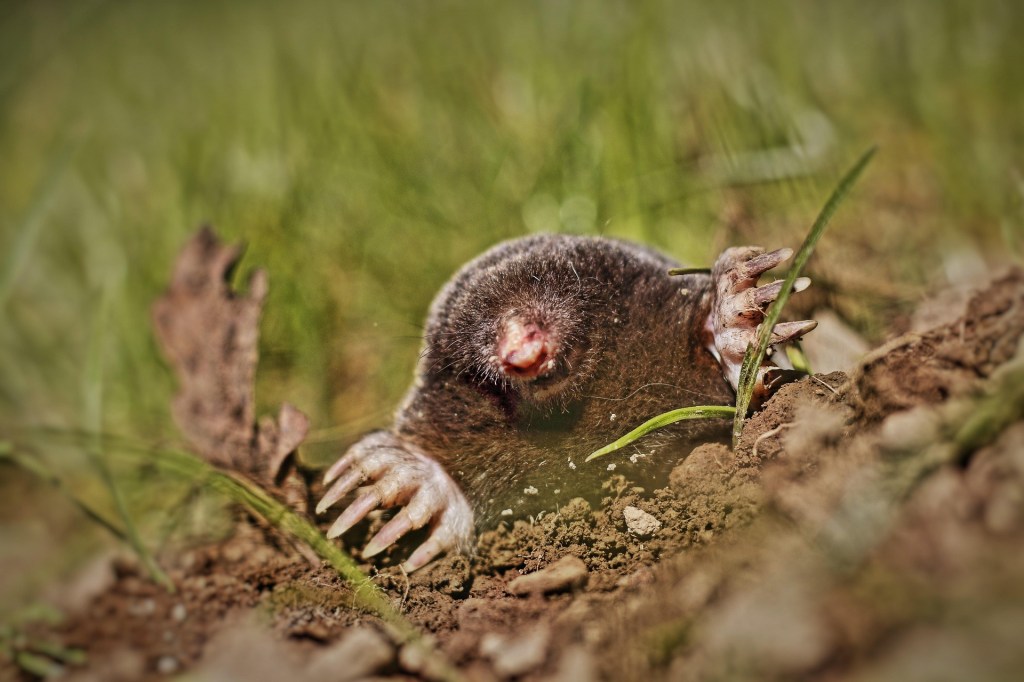
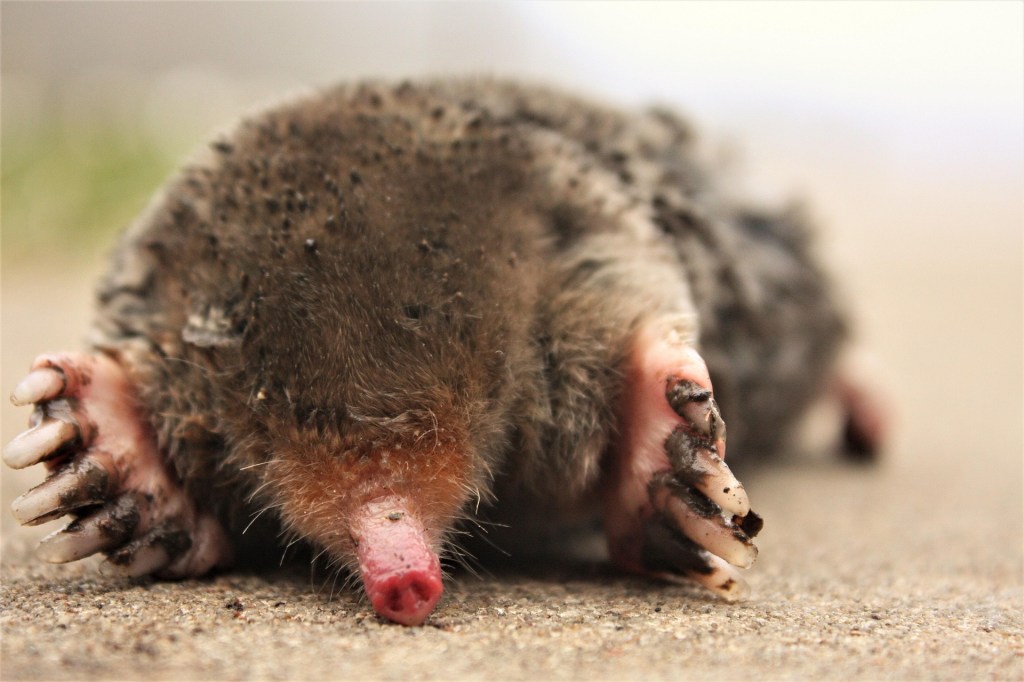
Moles can be the bane of lawn owners, especially this time of year when questions about mole control peak. Indiana is home to two mole species: the widespread Eastern Mole and the Star-nosed Mole, primarily seen in the northern part of Indiana. It’s important to distinguish moles from rodents—they’re not the same. Moles are insectivores, feeding on insects rather than grains.
While moles can frustrate homeowners due to lawn and garden damage, they offer benefits. Their tunnels aerate soil, improving air and water penetration, and support healthier plant growth. Moles also control soil insect populations, eating pests that can damage landscaping. Furthermore, moles play an essential role in the food chain, serving as prey for hawks, owls, and snakes. If garden plants are damaged, mice sharing mole runways are often the culprits—not the moles themselves.
Moles are fascinating creatures with unique adaptations for their subterranean lifestyle. Here’s a deeper look into their biology, behavior, and ecological role:
Biology and Physical Features
- Family: Moles belong to the Talpidae family, which includes various species adapted to life underground.
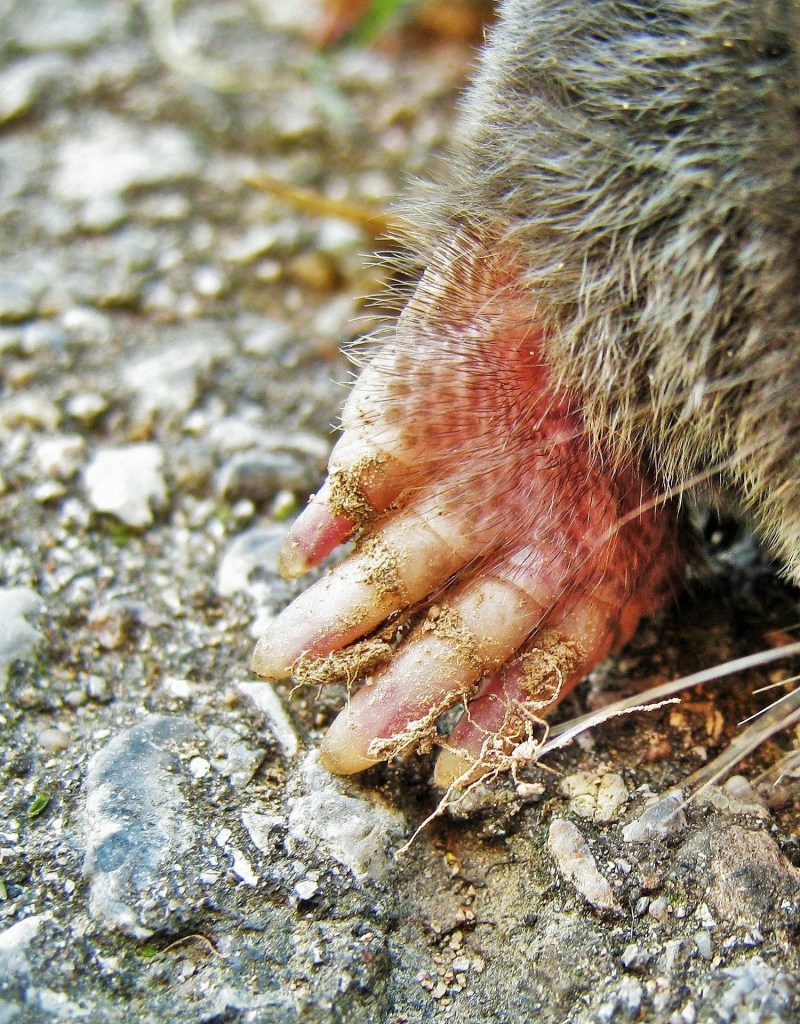
- Body Structure: Their elongated, cylindrical bodies and short, powerful legs with strong claws make them expert diggers. Some species even have an extra thumb on each fore paw, aiding their burrowing abilities.
- Sensory Adaptations: Moles have small, underdeveloped eyes and no external ears, as vision and hearing are less critical underground. Instead, they rely on a keen sense of smell and touch, enhanced by specialized organs called Eimer’s organs.
- Fur: Their dense, water-repellent fur allows them to move easily through soil and stay warm in cool environments.
Behavior and Habitat
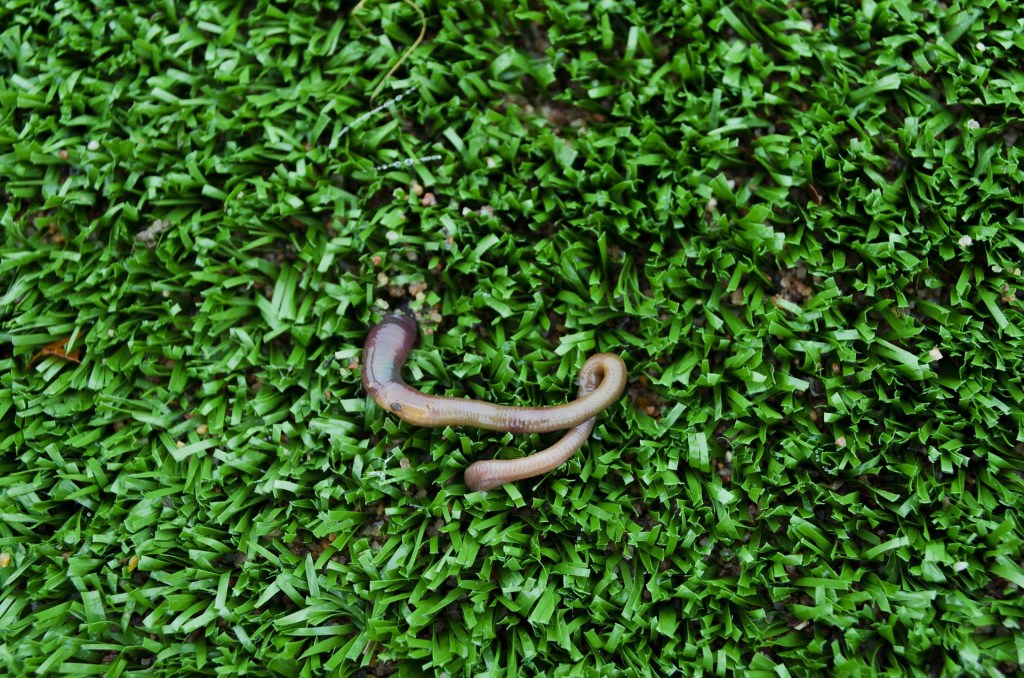
- Diet: Moles are insectivores, consuming insects and earthworms. They can eat up to 60-100% of their body weight daily.
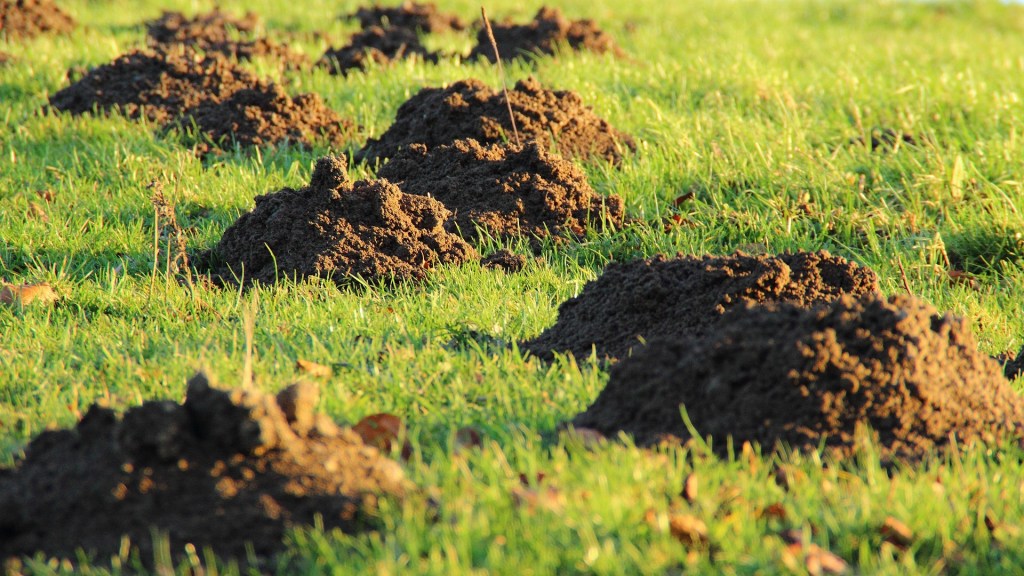
- Tunneling: Moles create extensive tunnel systems, which can reach up to 150 feet of new tunnels daily. These tunnels serve as hunting grounds and living spaces.
- Activity: They are most active in moist, loamy soil and prefer early mornings or evenings, especially after rain.
- Reproduction: Moles are solitary animals, interacting only during mating season. They have a high reproductive rate, with short gestation periods.
Ecological Role
- Soil Aeration: By digging tunnels, moles aerate the soil, improving air and water penetration. This benefits plant growth and promotes nutrient circulation.
- Pest Control: Moles help control soil insect populations, reducing pests that can damage crops and landscaping.
- Food Chain: Moles are prey for predators like hawks, owls, and snakes, playing a vital role in the ecosystem.
Fun Facts
- Some mole species, like the star-nosed mole, have unique adaptations, such as a star-shaped nose with sensory receptors for detecting prey.
- Moles can dig at a rate of 18 feet per hour, showcasing their incredible strength and efficiency.
Why Moles Are More Active in Spring
Spring marks the breeding season for moles. During this time, they create more visible tunnels in search of mates, increasing the likelihood of lawn damage.
Effective Mole Control
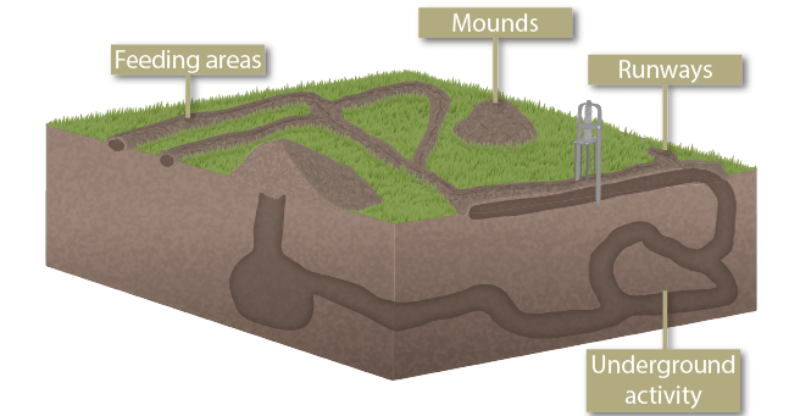
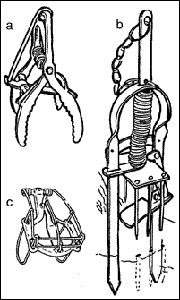
What Works Mole control is not easy but it can be done. The most reliable method for mole control is trapping. The key to this method is patience practice and persistence. You need to be careful when setting traps. Improperly set traps will not trap moles. For successful trapping it is essential to locate the main runways. The runways are more or less straight for some distance; they appear to connect mounds. They follow man made borders or the perimeters of fields or yards. There are several types of traps, but a harpoon trap is probably the easiest trap to use.
Mole Control Methods That Don’t Work
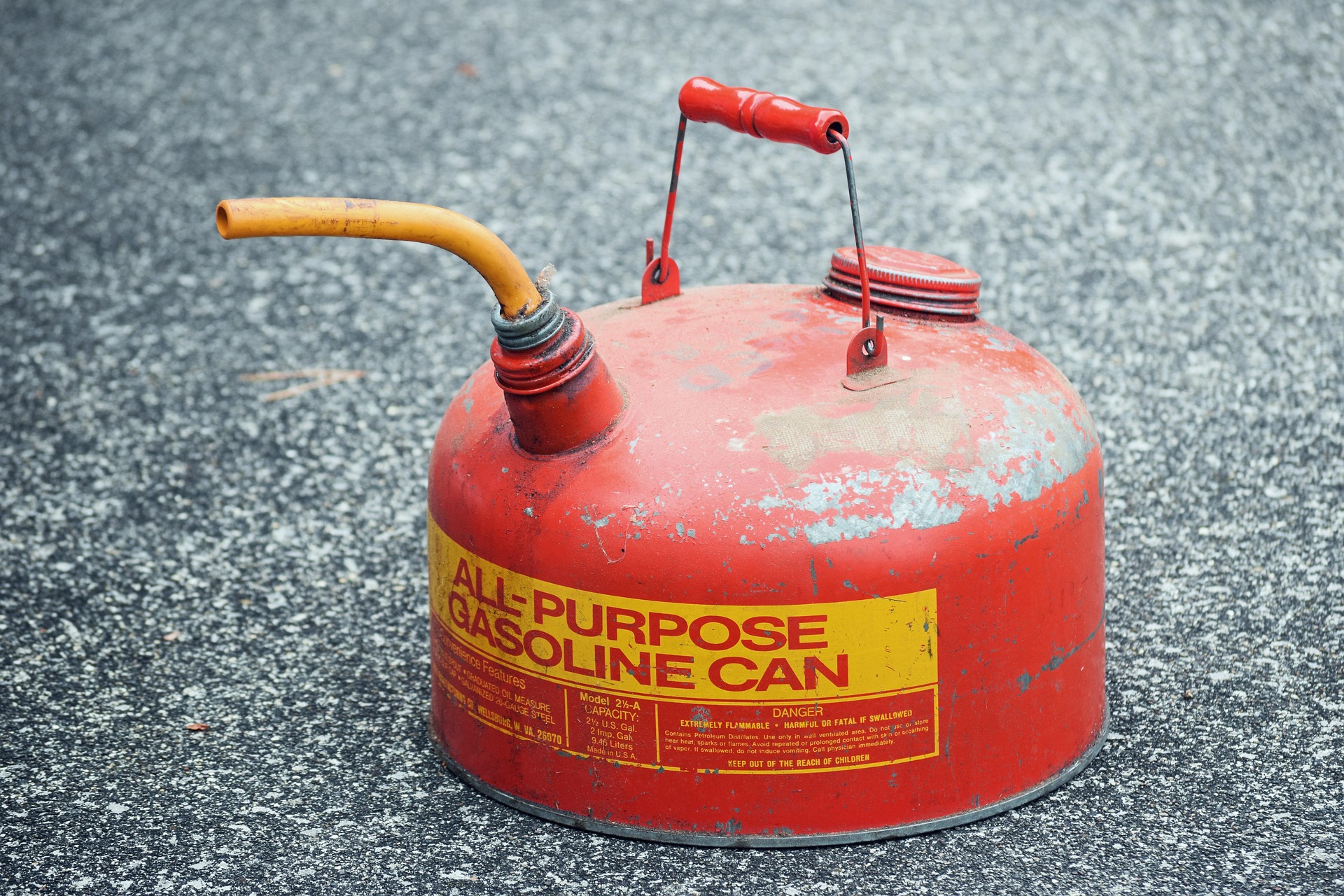
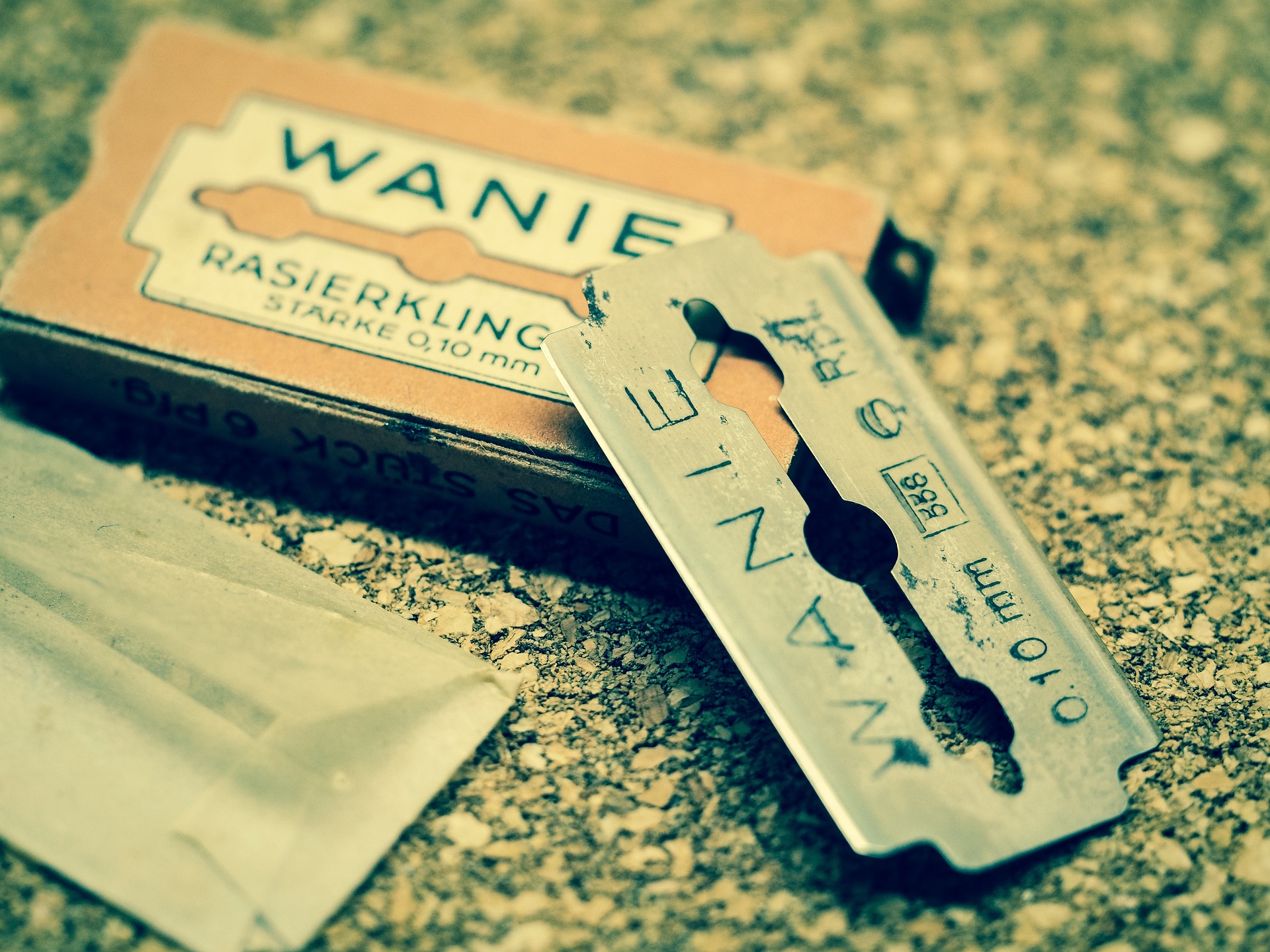
What Doesn’t Work There are other interesting, but largely ineffective approaches to mole control. Grub control is often suggested to get rid of moles. The truth of the matter is that the grubs only make up a small portion of a mole’s diet. Also the loss of beneficial earthworms and insects due to repeated pesticide application to control grubs can generate more problems than just trapping the moles. This is a very expensive way to control moles with little likelihood of success. Poison gasses and baits are also often tried without much success. These poison gasses are called fumigants and need an airtight system to be effective. Mole tunnels are not airtight and usually the fumigant can’t penetrate the extensive tunnel network. Poison baits don’t work because they re usually in grain or pellet form. Remember, moles are insectivores and would not try a bait that wasn’t six legged. There are several repellents on the market all of which are NOT proven to work. There are many “home remedies” to try to combat the moles. These are usually desperate homeowners trying to place things in tunnels to irritate the moles into going away. These don’t work either. Broken glass and razor blades can potentially be harmful to children or pets that play in the yard, or can be harmful later when you decide to plant something in the same place you placed the dangerous objects. Gum, rose branches, and human hair are not effective. Pouring bleach, using mothballs, or dumping petroleum products in the tunnels will seriously harm the environment, kill beneficial insects, make domestic pets and/or children sick, and could contamination of the ground water. Further, mothballs are carcinogenetic. It is illegal to use mothballs, bleach and oil in a manner not dictated on the package. If that wasn’t bad enough bleach, mothballs, and petroleum products don’t work to eliminate or deter moles.. Caster oil has been touted to work on mole control, but the results are questionable at best. Pumping water into the tunnels will only served to waste water and devices to frighten the moles don’t appear to have any value in mole control. Ultrasonic transmitters are a nice idea, but they don’t work either. So please “Buyer Beware!” when purchasing products for mole control. You can spend a lot of money and still have moles in your lawn.

Conclusion
In conclusion, while moles can be a nuisance for lawn and garden owners, they also bring significant ecological benefits. Their tunneling improves soil health and supports nutrient circulation, while their insectivorous diet helps control pest populations. For effective mole management, trapping remains the most reliable method, provided it is done with patience and proper technique. Avoid gimmicks, harmful substances, and methods that compromise the environment or waste resources. By understanding the behavior and ecological importance of moles, we can strike a balance between managing their presence and appreciating the role they play in maintaining a healthy ecosystem.
Discover more from Anything Agriculture
Subscribe to get the latest posts sent to your email.
