Home Greenhouses: A Guide to Extending Your Growing Season
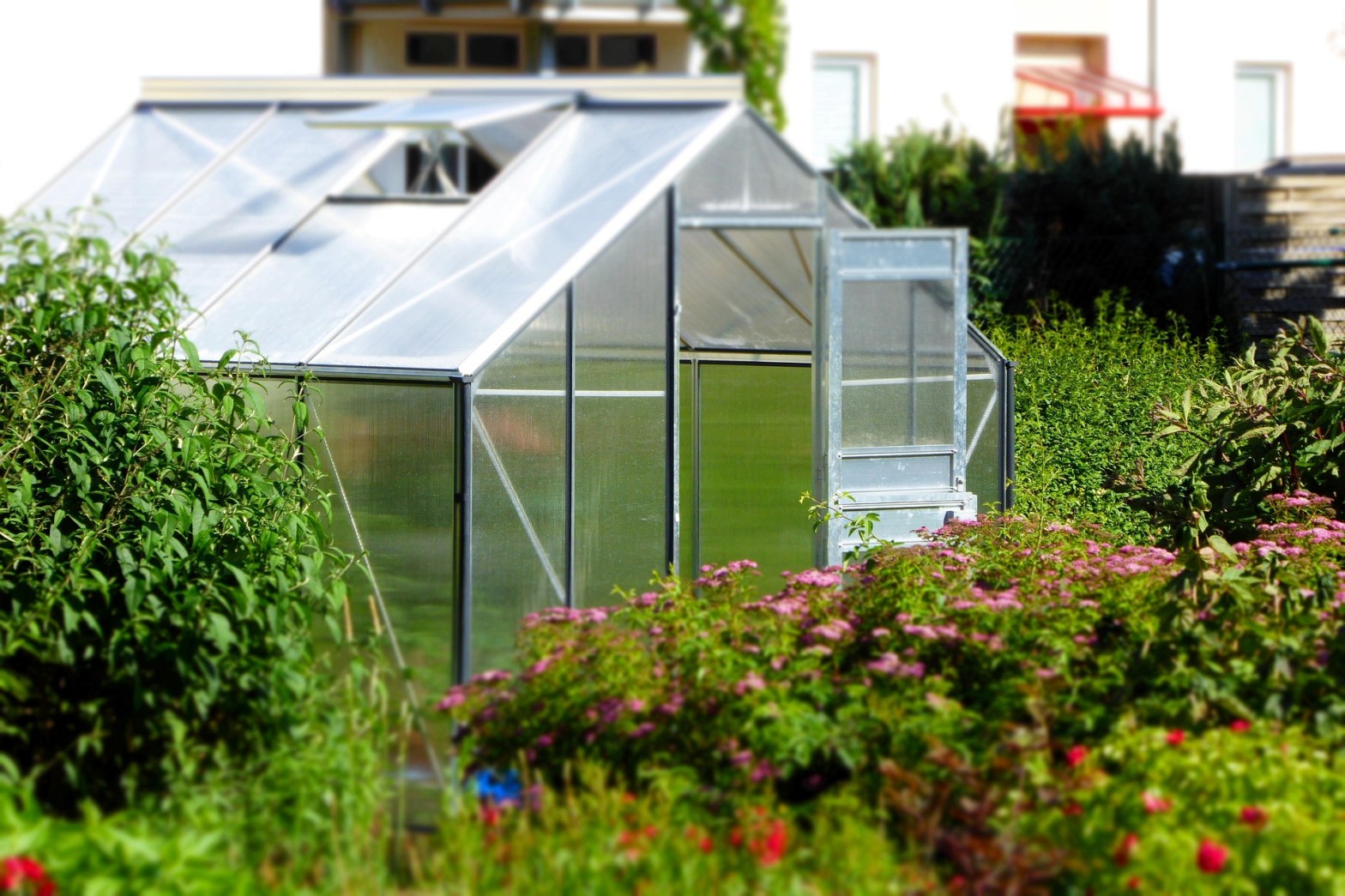
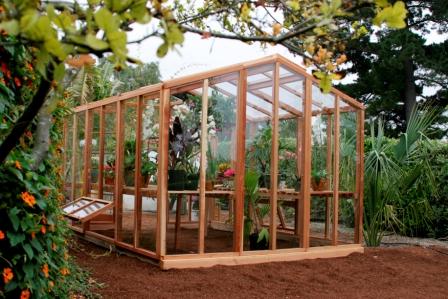
Greenhouses and cold frames are fantastic tools for any gardening enthusiast, offering opportunities to extend your growing season, start crops early, protect sensitive plants, and even grow year-round. These structures are perfect for getting your hands in the soil during colder months. For many, nurturing green, growing plants during the gray days of winter can bring a sense of hope and joy.
However, before you jump into owning a greenhouse, there are several important factors to consider. Thinking through these questions will help you choose the right greenhouse for your needs and ensure you’re prepared for this rewarding endeavor.
Determining Your Purpose
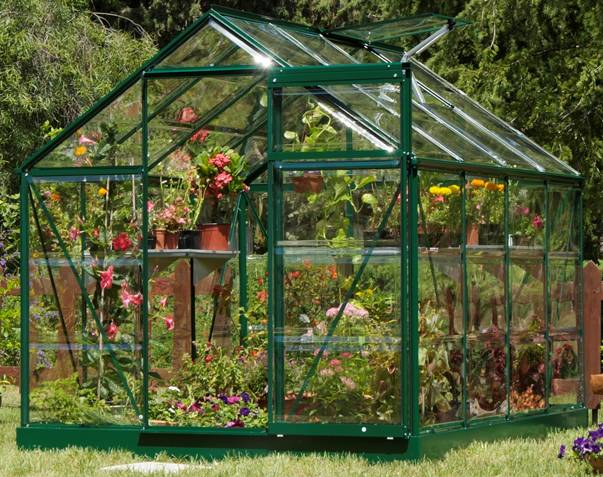
Start by asking yourself: What’s the purpose of my greenhouse?
- Do you want to grow year-round?
- Are you cultivating orchids or other plants that require a temperature-controlled environment?
- Do you need a head start on the growing season?
- Is it part of a plan to expand your gardening operation for profit?
- Are you look to grow fresh, off-season vegetables for your family?
- Do you want a multi-functional structure that can serve different purposes?
Once you’re clear about how you’ll use the greenhouse, it’s time to dive deeper.
Site Considerations
Do you have a suitable location? This is one of the most critical questions to address.
- Sunlight: Pay attention to how the sun’s position changes throughout the year, as this can affect light quality and intensity. Ensure your greenhouse gets adequate sunlight.
- Orientation: If possible, opt for an east-west orientation to distribute light evenly and maximize the winter sun. This setup is also better suited to handle prevailing winds, especially in windy regions.

Practical Considerations
Before taking the plunge, take into account the following practical details:
- Space: Ensure you have sufficient space and check for potential obstructions like trees and fences.
- Heating: Determine if you want a heat source you’ll use and budget for associated heating expenses.
- Climate: Consider local climate conditions, such as gray winter days, strong winds, snow fall and seasonal challenges.
- Slope and Drainage: Avoid placing your greenhouse at the bottom of a slope and ensure proper drainage to prevent water logging. Also A greenhouse in a valley area will be colder then one that is on top of a hill. Cold air slides downhill.
- Ventilation: Decide between automatic or manual ventilation to regulate temperature and humidity effectively.
- Electricity and Water: Ensure that your greenhouse has reliable access to electricity and water.
- Cooling: Plan for cooling solutions such as shade cloth, during summer months to prevent overheating.
- Zoning and Property Values: Check local ordinances for zoning regulations and consider how the greenhouse may impact neighborhood relations.
- Expansion: Think about future needs—plan ahead for potential expansion as your gardening experience grows.
Budget Planning

When planning your project, the first question to ask yourself is, “How much am I willing to spend?” Setting a clear and realistic budget is crucial, as expenses can accumulate faster than anticipated. Beyond the initial costs, don’t overlook ongoing expenses such as electricity, water, and maintenance. Recurring costs can significantly impact your long-term financial commitment.
While the allure of adding convenient features and premium upgrades may be tempting, staying within your budget ensures financial stability and prevents overspending. One smart strategy is to prioritize essential components first. Begin with a more basic setup that meets your immediate needs, and then enhance it gradually as resources allow. By pacing yourself, you’ll achieve a balance between functionality and affordability without compromising your financial goals.
Remember, a well-planned budget isn’t just about limiting spending—it’s about making the most of the resources you have while staying adaptable to future improvements.
Pests and Disease Management
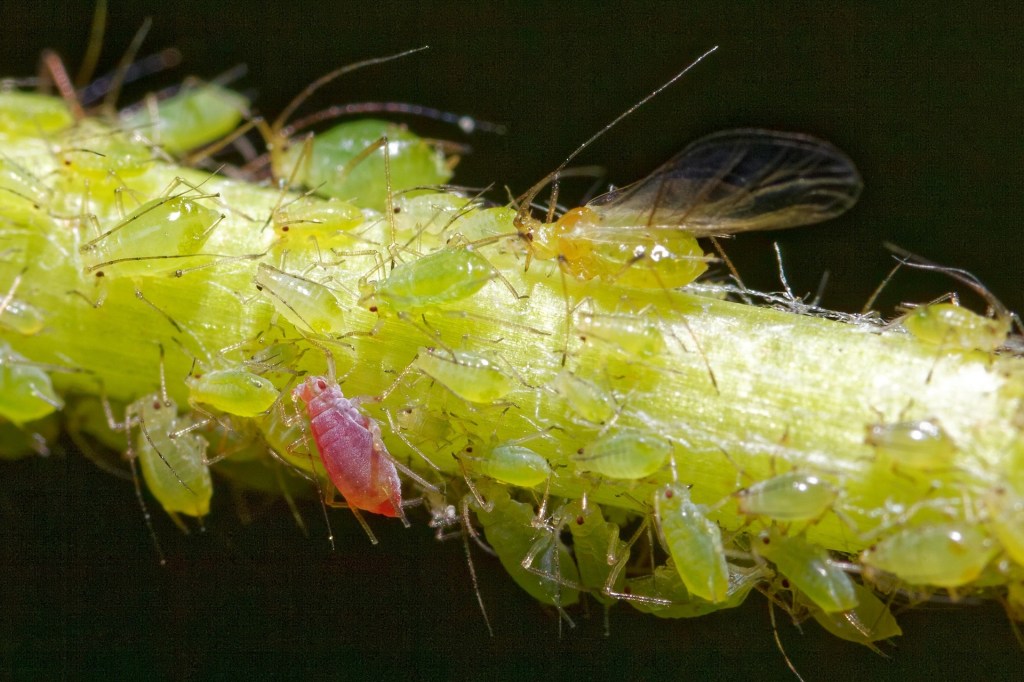
What’s your plan for managing pests and diseases? All greenhouses face these challenges eventually. Consider whether you’ll pursue organic methods and prepare a strategy to address these issues effectively. Learn to implement IPM.
Integrated Pest Management (IPM)
Integrated Pest Management combines multiple methods to create a comprehensive, sustainable approach to pest and disease control. IPM focuses on prevention, monitoring, and targeted interventions to minimize chemical use and maintain a healthy greenhouse ecosystem.
By implementing these strategies, you can maintain a thriving greenhouse environment and keep your plants healthy year-round. Let me know if you’d like me to expand further or focus on any specific pest or disease issue!
Integrated Pest Management (IPM) in greenhouses is a strategic and environmentally conscious approach to pest control. It involves a combination of practices to manage pests effectively while minimizing the reliance on chemical pesticides. Key components of IPM include regular monitoring of pest populations, accurate identification of pests, and the use of biological control agents such as beneficial insects or microorganisms. Cultural practices like maintaining optimal environmental conditions and sanitizing greenhouse spaces also play a vital role in preventing pest outbreaks. By integrating these methods, greenhouse growers can ensure sustainable pest management that protects crops, reduces chemical residues, and supports a healthier ecosystem.
Understanding the Challenges
Greenhouses provide an ideal environment for plants to thrive, but they can also create a favorable setting for pests and diseases to multiply. The warm, humid conditions that benefit your plants may also attract unwanted visitors like aphids, spider mites, whiteflies, or fungal pathogens such as powdery mildew and botrytis.
Prevention Is Key
Taking proactive measures can help reduce the likelihood of outbreaks:
- Sanitation: Keep your greenhouse clean by removing plant debris and regularly disinfecting tools, pots, and surfaces.
- Quarantine New Plants: Inspect and isolate new plants before introducing them to the greenhouse.
- Healthy Plants: Maintain proper care for plants, as stressed plants are more susceptible to pests and diseases.
- Ventilation: Ensure adequate airflow to prevent humidity from reaching levels that encourage fungal growth.
Monitoring and Early Detection
Constant vigilance is crucial for catching problems before they escalate:
- Regular Inspections: Check plants frequently for signs of pests like holes, discoloration, sticky residue, or webbing.
- Sticky Traps: Use yellow or blue sticky traps to monitor flying pests like whiteflies and thrips.
- Soil Checks: Periodically inspect soil for pests like fungus gnats or root-knot nematodes.
Control Methods
If issues arise, there are several ways to address them:
- Biological Controls: Introduce beneficial insects, such as ladybugs, lacewings, or predatory mites, to combat pests naturally.
- Natural Sprays: Use organic pest control sprays, like neem oil, insecticidal soaps, or horticultural oils, to manage pests without harmful chemicals.
- Cultural Controls: Rotate crops, avoid overcrowding, and remove infected plants promptly to limit the spread of diseases.
- Chemical Controls: As a last resort, apply pesticides or fungicides, ensuring they are appropriate for the problem and safe for use in greenhouses. Always follow the product label instructions.
Disease-Specific Tips
- Fungal Diseases: Prevent fungal issues by controlling humidity levels and avoiding overhead watering.
- Bacterial Diseases: Avoid working with plants when they’re wet, as this can spread bacterial pathogens.
- Viral Diseases: Viruses are often spread by pests like aphids. Manage pest populations to reduce the risk of viral transmission.
Growing Setup
Think about the logistics of your greenhouse:
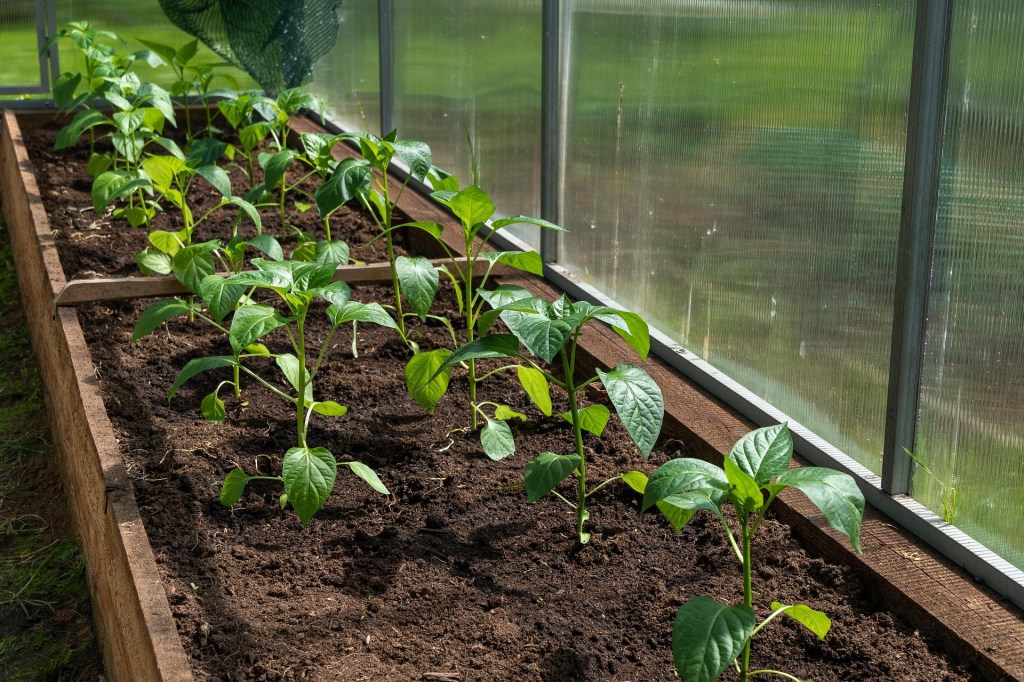
- Planting Methods: Will you grow directly in the ground, in raised beds, or on tables?
- Nutrient Delivery: How will you provide nutrients to your plants? Have a clear plan for their care and growth.
Starting Small
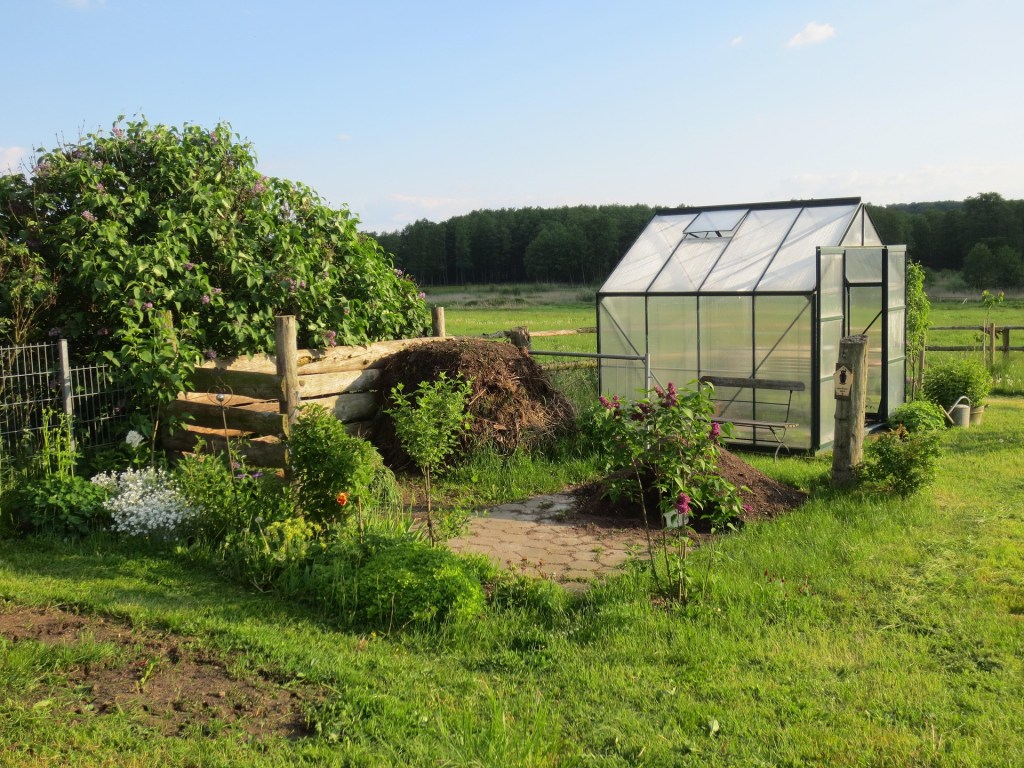
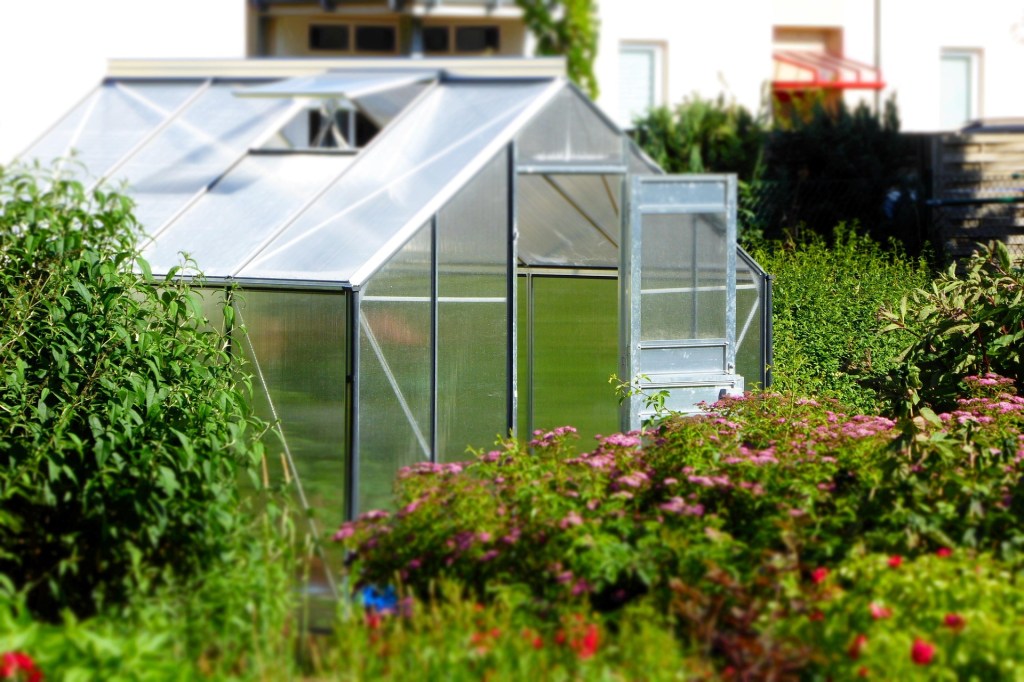
For beginners, starting small and expanding over time as you gain experience is a wise approach. There are many affordable, ready-to-assemble kits that are perfect for backyard gardeners and can help you hone your skills before committing to a larger setup.
I’ve created a video and article showcasing a simple, budget-friendly greenhouse that’s quick and easy to build. It’s the perfect solution for anyone curious about greenhouse gardening without making a big commitment. A great way to experiment with greenhouse growing while keeping it cost-effective and hassle-free!” Quick and Dirty Cattle Panel Greenhouse Article or Quick and Dirty Cattle panel Greenhouse YouTube Video
With these considerations in mind, you’re well on your way to creating a thriving greenhouse setup that suits your goals. Whether you’re a seasoned gardener or a curious beginner, greenhouses and cold frames can transform the way you grow and enjoy your plants, even in the chilliest seasons.
🌱
Thank you for reading! If you want more information and updates, please subscribe to my newsletter. Get the latest blog posts and new offers right in your email. It’s free to subscribe, and you’ll receive loads of information at no cost.
Don’t forget to check out Anything Agriculture on social media! Follow us on YouTube, Facebook, Instagram, and Pinterest for more great content. Like and subscribe to stay connected!
Ready to take your homesteading journey to the next level? Book an appointment with me today! With decades of experience, I provide personalized advice to solve any homesteading challenge. Whether you’re a newbie or a seasoned homesteader, I offer expert guidance to make your homestead thrive. Don’t miss out—schedule a chat and unlock the full potential of your homestead with Anything Agriculture. Let’s turn your dreams into reality!


Discover more from Anything Agriculture
Subscribe to get the latest posts sent to your email.
