
Subscribe to anything agriculture to get more useful content.
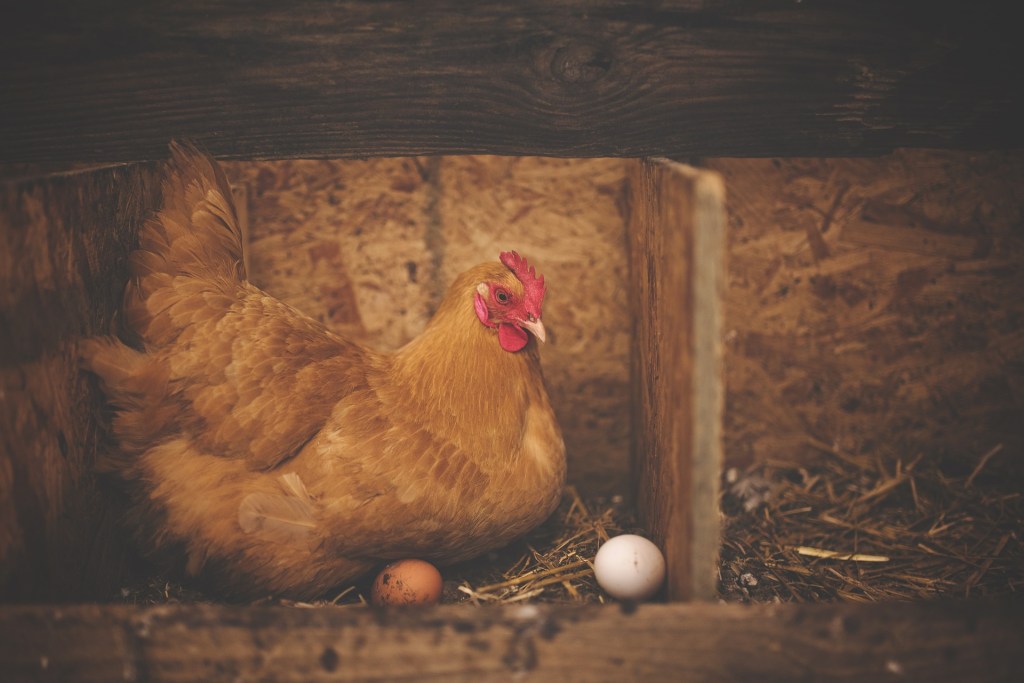
If you’re reading this, you may have already experienced the heartbreak of an attack on your flock. Discovering that your birds have been harmed is a devastating moment for any caretaker. While you might have an idea of what predator is responsible, identifying the exact culprit is crucial. Many people struggle to pinpoint the predator(s) attacking their flock. To help you in this battle, here is a primer on the most common animals that prey on chicken flocks.
Minks
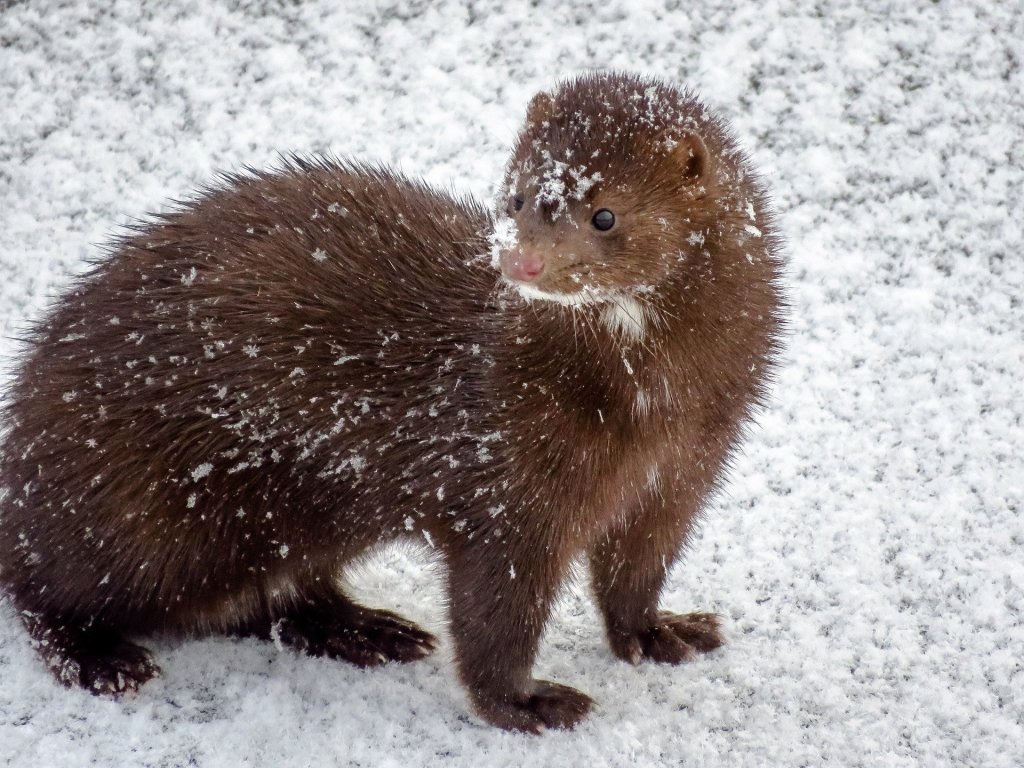
Minks are often the most misidentified predators of chicken flocks. These elusive creatures are widespread and typically go unnoticed. They usually attack at night, moving silently and swiftly. Often, they kill their prey before the birds can make any noise. Minks tend to live nearby, often under sheds or other structures, and can decimate an entire flock in a single night, sometimes even stacking the bodies. Their stealth and efficiency make them particularly dangerous to poultry.
Mink-proofing your coop is challenging but essential. Using hardware cloth with openings smaller than ½ inch can help keep minks out. Additionally, having a good dog, especially one with some terrier in it, can be effective in rooting out minks from your property. It’s crucial to regularly inspect your coop and surrounding areas for signs of mink activity and take preventive measures to protect your flock.

Foxes
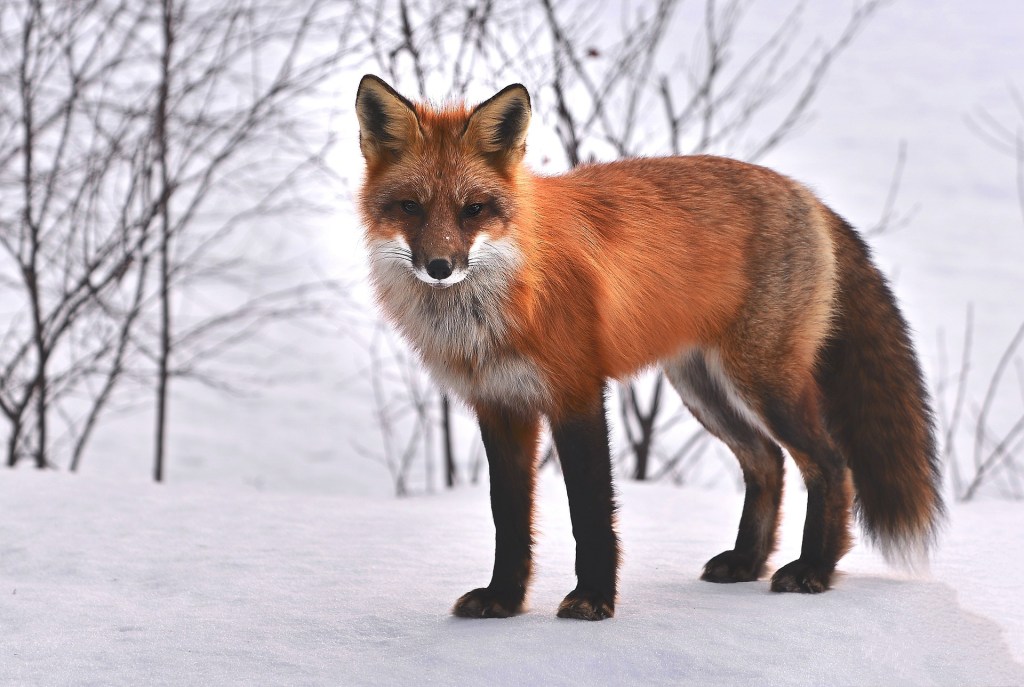
Foxes like snatch and grab birds from roost. They usually are active during the dawn and dusk. Protecting chickens from foxes requires a combination of physical barriers and vigilant practices. One of the most effective methods is to build a secure coop with sturdy materials, such as hardware cloth, which is more resistant to foxes than chicken wire. The coop should have a solid floor to prevent foxes from digging underneath, and the door should be securely latched. Additionally, installing an electric fence around the perimeter of the chicken run can deter foxes from approaching. It’s also important to ensure that the coop is elevated off the ground, as this makes it more difficult for foxes to access. Putting bird in a protected coop at night is the best way to protect against foxes.

In addition to physical barriers, maintaining a clean and secure environment is crucial. Regularly check for any gaps or weaknesses in the coop and repair them promptly. Keep the area around the coop free of food scraps and other attractants that might lure foxes. Using motion-activated lights or alarms can also help scare away potential predators. Finally, consider getting a guard animal, such as a dog or a rooster, which can alert you to the presence of foxes and help protect the flock. By combining these strategies, you can create a safer environment for your chickens and reduce the risk of fox attacks.
Snakes
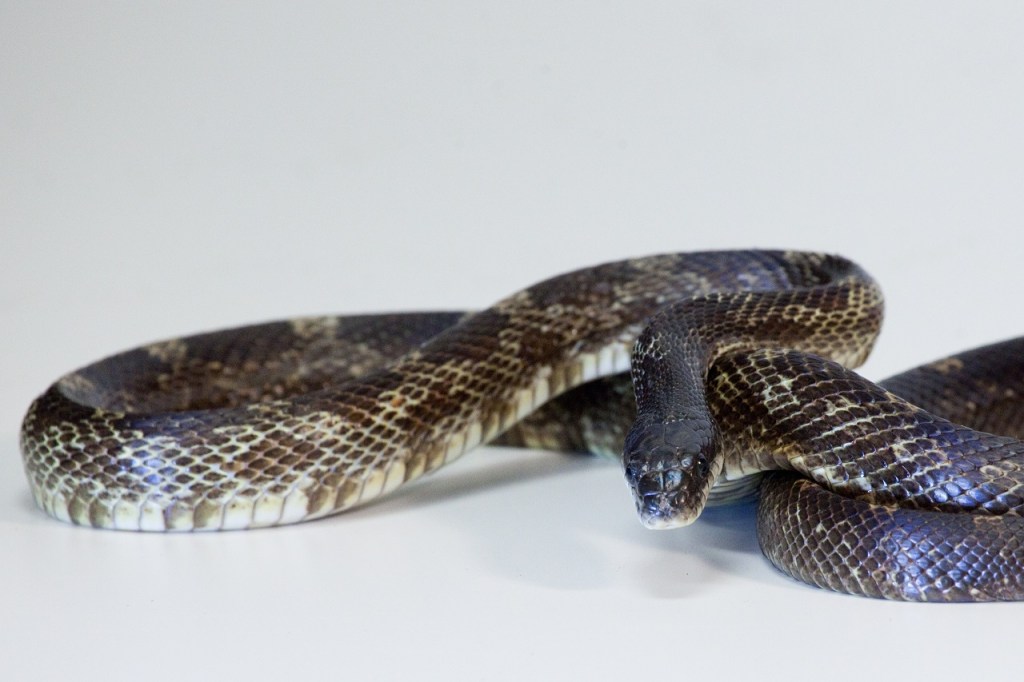
Protecting chickens and their eggs from snakes involves creating a secure environment and implementing preventive measures. Start by ensuring that the chicken coop is well-built with no gaps or holes that snakes can slither through. Use hardware cloth with small mesh sizes for the coop and run, as this material is more effective at keeping snakes out compared to standard chicken wire. Elevate the coop off the ground to make it harder for snakes to access. Additionally, keep the area around the coop clean and free of debris, tall grass, and woodpiles, as these can provide hiding spots for snakes.
Another effective strategy is to use natural deterrents and barriers. Planting snake-repellent plants, such as marigolds and lemongrass, around the coop can help keep snakes at bay. You can also use snake-proof fencing, which is typically made of fine mesh and buried several inches into the ground to prevent snakes from burrowing underneath. Regularly inspect and maintain the fencing to ensure there are no gaps or weaknesses. Finally, consider using motion-activated lights or alarms to scare away snakes and other predators. By combining these methods, you can create a safer environment for your chickens and protect their eggs from snake predation.
Raccoons
Protecting chickens from raccoons involves creating a secure environment and being vigilant. Start by ensuring that the chicken coop is well-built with no gaps or weak points that raccoons can exploit. Use sturdy materials like hardware cloth for the coop and run, and make sure the doors and windows are securely latched. Elevate the coop off the ground to make it harder for raccoons to access. Additionally, install motion-activated lights or alarms around the coop to deter raccoons from approaching. Keep the area around the coop clean and free of food scraps or other attractants that might lure raccoons.
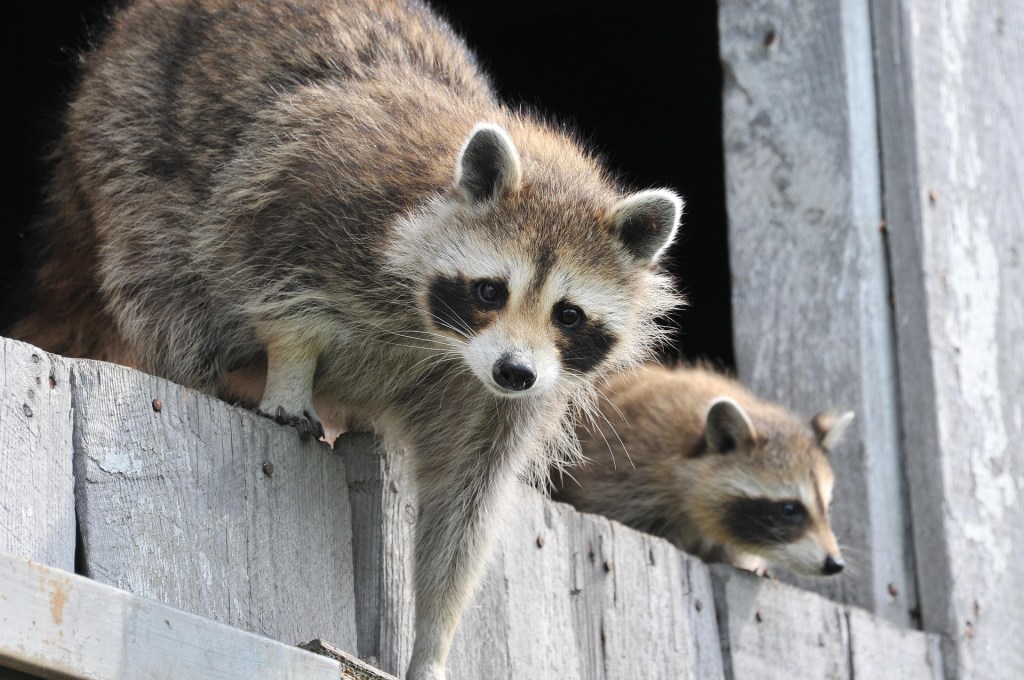
If a raccoon does attack, it’s important to act quickly and calmly. First, try to scare the raccoon away by making loud noises or using a hose to spray water at it. If the raccoon is inside the coop, carefully open the door to allow it to escape. After the attack, check your chickens for injuries and provide any necessary medical care. Clean up any mess and reinforce the coop to prevent future attacks. A raccoon attack typically involves signs of struggle, such as feathers scattered around, broken eggs, and injured or missing chickens. By taking these precautions and being prepared, you can help protect your chickens from raccoon attacks.
Coyotes
Coyotes are cunning predators that can pose a significant threat to chicken flocks. They are known for their ability to dig under fences and squeeze through small gaps, making it essential to have a secure coop and run. Using hardware cloth with small mesh sizes and burying it several inches into the ground can help prevent coyotes from digging underneath. Additionally, installing an electric fence around the perimeter of the chicken run can act as a strong deterrent. Keeping the area around the coop clean and free of food scraps or other attractants is also crucial in reducing the likelihood of coyote visits.
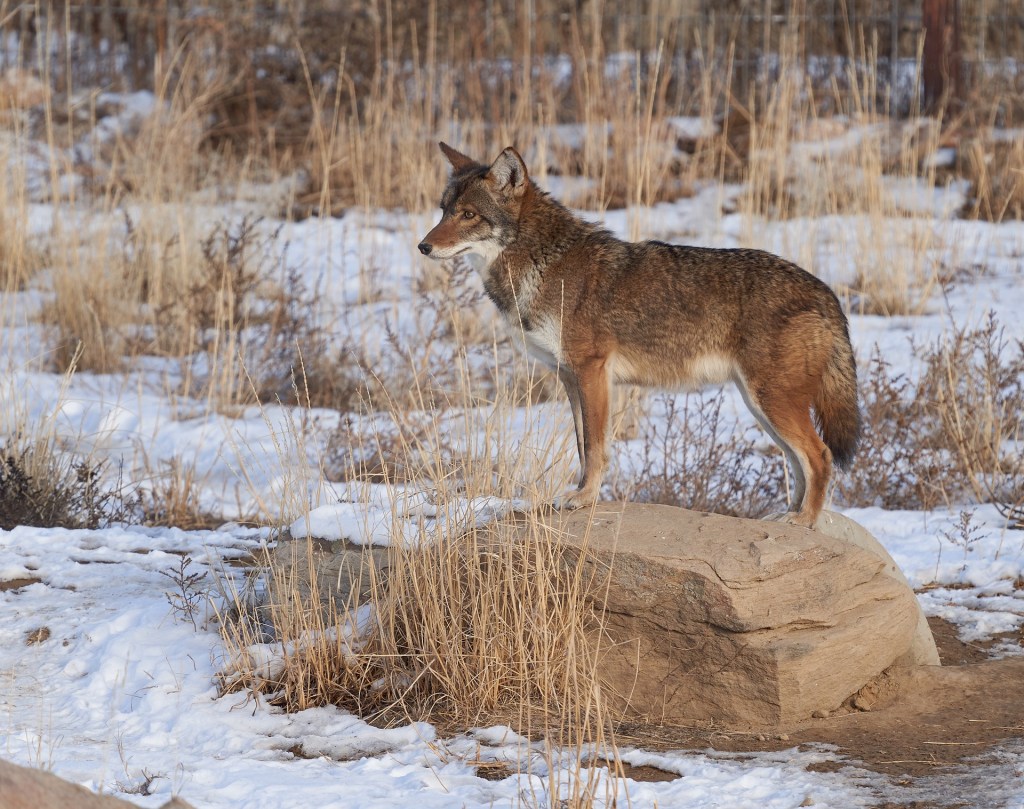
If a coyote does attack, it’s important to act quickly and calmly. First, try to scare the coyote away by making loud noises or using a hose to spray water at it. If the coyote is inside the coop, carefully open the door to allow it to escape. After the attack, check your chickens for injuries and provide any necessary medical care. Clean up any mess and reinforce the coop to prevent future attacks. A coyote attack typically involves signs of struggle, such as feathers scattered around, broken eggs, and injured or missing chickens. By taking these precautions and being prepared, you can help protect your chickens from coyote attacks.
Opossums
Possums can pose a significant threat to chicken flocks, primarily due to their opportunistic feeding habits. They are known to raid chicken coops at night, searching for eggs and sometimes even attacking young or weak chickens. Possums are excellent climbers and can easily access coops that are not securely closed or have gaps in the structure. They can also dig under fences to gain entry. Once inside, they can cause considerable damage, not only by eating eggs and attacking chickens but also by spreading diseases through their droppings and saliva.

To protect your chickens from possums, it’s essential to reinforce the coop and run with sturdy materials like hardware cloth, which is more resistant to possums than standard chicken wire. Ensure that all doors and windows are securely latched and that there are no gaps or holes in the structure. Elevating the coop off the ground can also make it more difficult for possums to access. Additionally, keeping the area around the coop clean and free of food scraps or other attractants can help reduce the likelihood of possum visits. Regularly inspecting and maintaining the coop and run will help ensure that your chickens remain safe from possum attacks.
Skunks
Skunks can be a significant problem for chicken flocks due to their opportunistic feeding habits. They are known to raid chicken coops at night, searching for eggs and even attacking vulnerable chickens. Skunks are excellent diggers and can easily burrow under fences to gain access to the coop. Once inside, they can cause considerable damage, not only by eating eggs and attacking chickens but also by spreading diseases through their droppings and saliva. The presence of skunks can also attract other predators, further increasing the risk to your flock.
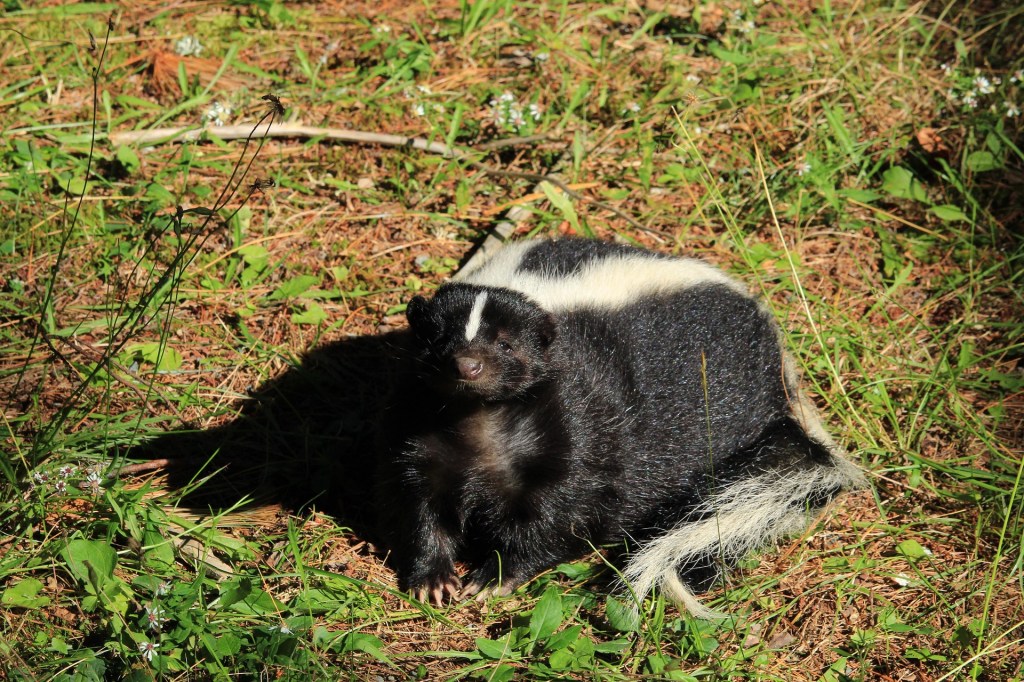
To protect your chickens from skunks, it’s essential to reinforce the coop and run with sturdy materials like hardware cloth, which is more resistant to skunks than standard chicken wire. Ensure that all doors and windows are securely latched and that there are no gaps or holes in the structure. Elevating the coop off the ground can also make it more difficult for skunks to access. Additionally, keeping the area around the coop clean and free of food scraps or other attractants can help reduce the likelihood of skunk visits. Regularly inspecting and maintaining the coop and run will help ensure that your chickens remain safe from skunk attacks. Using motion-activated lights or alarms can also deter skunks and other nocturnal predators from approaching the coop.
Owls
Owls can be a significant threat to chicken flocks, especially during the night when they are most active. To protect your chickens from owl attacks, it’s essential to secure the coop and run with sturdy materials. Use hardware cloth with small mesh sizes to cover any openings, including windows and ventilation holes, to prevent owls from reaching inside. Ensure that the coop is securely closed at night and that there are no gaps or weak points that owls can exploit. Additionally, consider installing a roof or netting over the chicken run to prevent owls from swooping down and attacking your chickens.
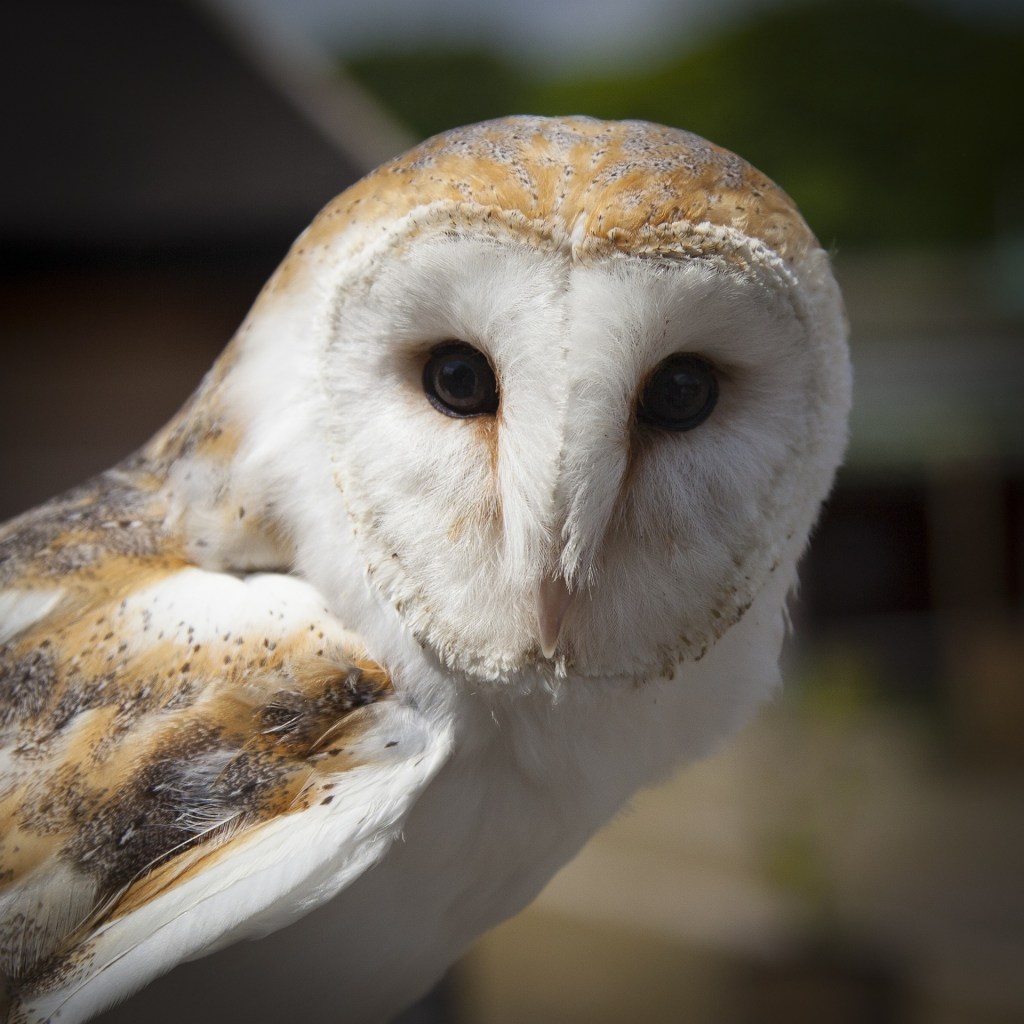
Another effective strategy is to use deterrents to keep owls away from the coop. Motion-activated lights or alarms can startle owls and discourage them from approaching. You can also use visual deterrents, such as reflective tape, owl decoys, or scarecrows, to create an environment that is less attractive to owls. Regularly inspect and maintain the coop and run to ensure that they remain secure and free of any potential entry points. By combining these methods, you can create a safer environment for your chickens and reduce the risk of owl attacks.
Hawks
Hawks are formidable predators that can pose a significant threat to chicken flocks, especially during the day when they are most active. These birds of prey have keen eyesight and powerful talons, making them capable of swooping down and capturing chickens with ease. Hawks typically target smaller or younger chickens, but they can also attack adult birds if given the opportunity. The presence of hawks can cause stress and panic among the flock, leading to decreased egg production and overall health. To protect your chickens from hawk attacks, it’s essential to implement a combination of physical barriers and deterrents.
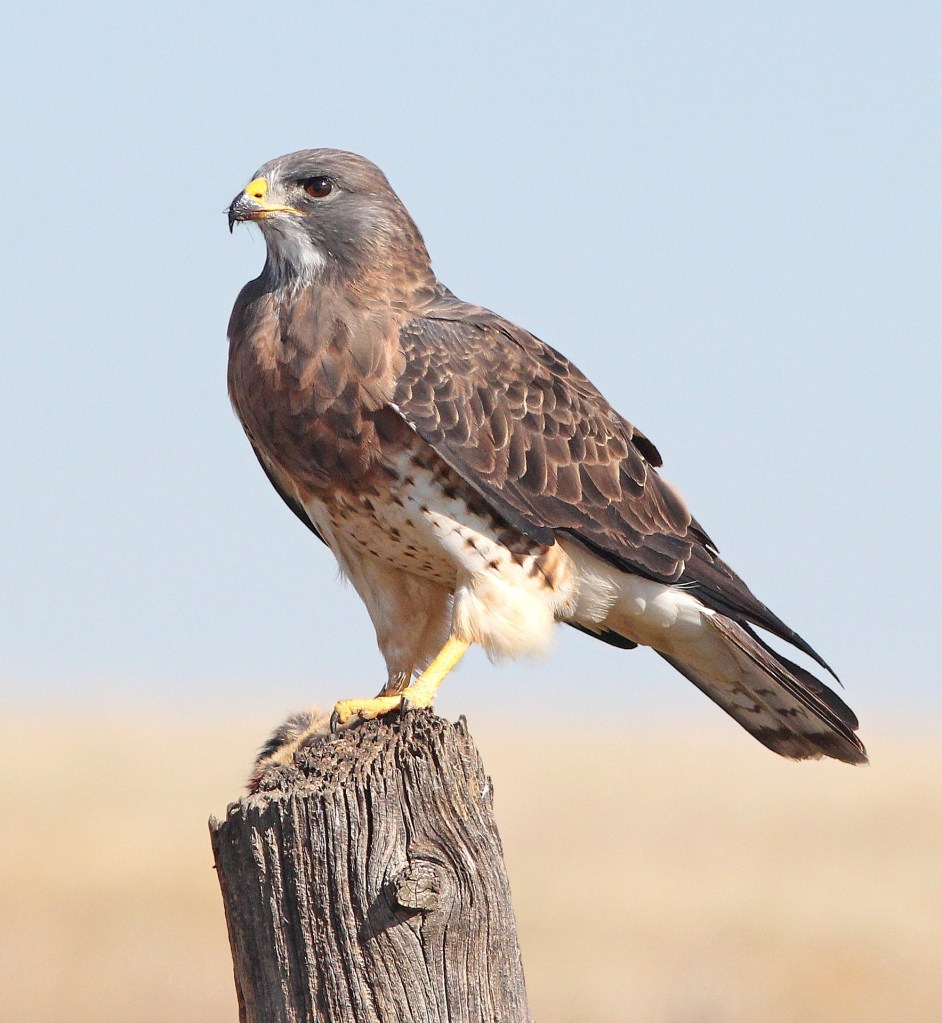
One of the most effective measures is to cover the chicken run with netting or wire mesh to prevent hawks from swooping down. Ensure that the netting is securely fastened and has no gaps that hawks can exploit. Additionally, providing plenty of hiding spots, such as bushes, trees, or shelters, can give chickens a place to take cover if a hawk is spotted. Using visual deterrents, such as reflective tape, owl decoys, or scarecrows, can also help keep hawks away. Motion-activated lights or alarms can startle hawks and discourage them from approaching the coop. Regularly inspecting and maintaining the coop and run will help ensure that your chickens remain safe from hawk attacks. By combining these strategies, you can create a safer environment for your flock and reduce the risk of hawk predation.
Mice
Mice can pose a significant threat to chicken flocks, primarily due to their ability to spread diseases and contaminate food and water sources. They are notorious for chewing through feed bags, nesting in bedding, and leaving droppings that can harbor harmful bacteria and parasites. Additionally, mice can attract larger predators, such as snakes and raccoons, which pose an even greater risk to the flock. To protect your chickens, it’s essential to maintain a clean and secure coop, store feed in rodent-proof containers, and regularly inspect for signs of mice. Using traps and natural deterrents, such as peppermint oil, can also help keep mice at bay.

To keep mice at bay, consider using mouse baiting stations or rodent-proof feeders. You can create a baiting station using PVC pipes and poison blocks placed in the center, ensuring only rodents can access them. Additionally, having a good barn cat that isn’t interested in your birds can help keep rodents in check. Mice can also chew on tail feathers, so it’s essential to take preventive measures.
.
In conclusion, protecting your chicken flock from a variety of predators requires a combination of vigilance, secure housing, and preventive measures. Each predator, from minks and foxes to raccoons, coyotes, possums, skunks, owls, hawks, and even mice, presents unique challenges. By understanding their behaviors and implementing appropriate strategies, such as using hardware cloth, securing coops, installing motion-activated lights, and maintaining a clean environment, you can significantly reduce the risk of attacks and ensure the safety and well-being of your chickens. Regular inspections and timely repairs are also crucial in maintaining a secure and predator-free coop.
Thank you for reading! If you want more information and updates, please subscribe to my newsletter. Get the latest blog posts and new offers right in your email. It’s free to subscribe, and you’ll receive loads of information at no cost.
Don’t forget to check out Anything Agriculture on social media! Follow us on YouTube, Facebook, Instagram, and Pinterest for more great content. Like and subscribe to stay connected!
Ready to take your homesteading journey to the next level? Book an appointment with me today! With decades of experience, I provide personalized advice to solve any homesteading challenge. Whether you’re a newbie or a seasoned homesteader, I offer expert guidance to make your homestead thrive. Don’t miss out—schedule a chat and unlock the full potential of your homestead with Anything Agriculture. Let’s turn your dreams into reality!


Discover more from Anything Agriculture
Subscribe to get the latest posts sent to your email.
