

The Green Goddess Who Rises When You Are Ready to Rule Your Realm
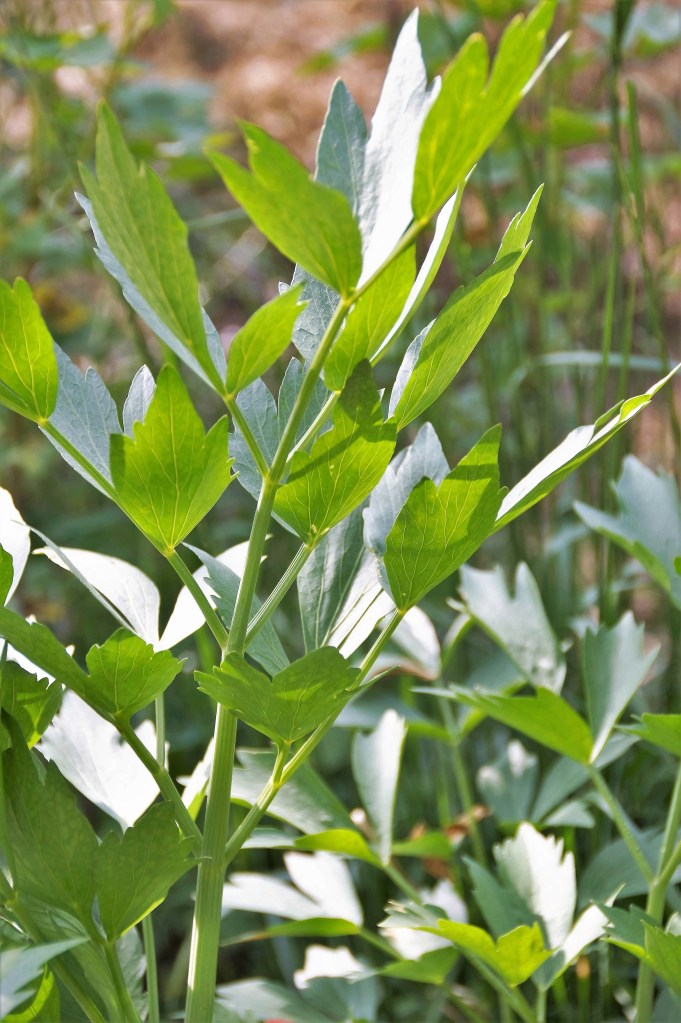
Lovage is not merely an herb. She is a Green Goddess in full ascent, a towering emerald sentinel who steps into the garden like a crowned queen reclaiming her throne. She rises with the confidence of someone who remembers every lifetime she has ever lived. She stands tall enough to see the horizon. She roots deep enough to feel the pulse of the underworld. She breathes out clarity so sharp it cuts through doubt like sunlight through fog.
Where thyme hums its low, ancient ground‑song, lovage sings from the canopy. She is the herb of height, vision, and sovereign presence. She is the one who reminds you that your garden is not a hobby. It is a kingdom. And you are not a caretaker. You are the ruler.
Lovage is the Green Goddess of boundaries, intuition, and unapologetic selfhood. She is the Rage Garden’s towering oracle, the one who whispers: Rise. Rise again. Rise taller.
Folklore and Mythic Power
Lovage has long been tied to protection, foresight, and the ability to pierce illusion. Travelers carried it for safe passage. Households planted it near the threshold to guard the liminal spaces. Herbalists believed it sharpened intuition and strengthened the heart’s courage.
But her story stretches even further back, into the old world where herbs were not merely plants but living emissaries of the unseen.
Lovage in Ancient Europe
In medieval monasteries, lovage was planted in cloister gardens as a purifier of both body and spirit. Monks believed the rising scent of crushed lovage leaves could dispel confusion during long hours of study. They called it levisticum, the herb that “lifts” the mind.
In the Alps, shepherds tucked lovage into their packs to ward off storms and wandering spirits. They said the plant could “see the weather before it arrived,” a nod to its long association with foresight and clarity.
Lovage in Roman and Greek Traditions
Roman soldiers carried lovage in their travel satchels, believing it protected them from exhaustion and misfortune on the road. Bathhouses infused their waters with lovage to cleanse the body of what they called “shadow heaviness,” a poetic way of describing emotional burdens.
Greek herbalists linked lovage to Apollo, god of prophecy and radiant truth. They believed the plant sharpened intuition and helped seers interpret dreams without distortion.
Lovage in Folk Magic and Hearth Lore
In old English folk magic, lovage was hung above doorways to repel deceit and invite honesty into the home. It was said that no liar could cross a threshold guarded by lovage without their falsehoods unraveling.
In Slavic traditions, lovage was woven into midsummer wreaths to strengthen personal boundaries and protect against envy. Young women placed lovage under their pillows to reveal the truth about hidden intentions.
Lovage as a Rage Garden Archetype
In the Rage Garden, lovage becomes a living mythic archetype. She embodies:
• Sovereignty
• Fierce boundaries
• Resilience that does not bend
• Intuition that sees through shadows
• Rebellion against shrinking
She is the Green Goddess who stands at the gate and says: Only truth may enter.
She is the towering oracle who reminds you that clarity is a sacred act.
She is the herb who rises so you remember that you, too, are allowed to rise.
How to Grow Lovage
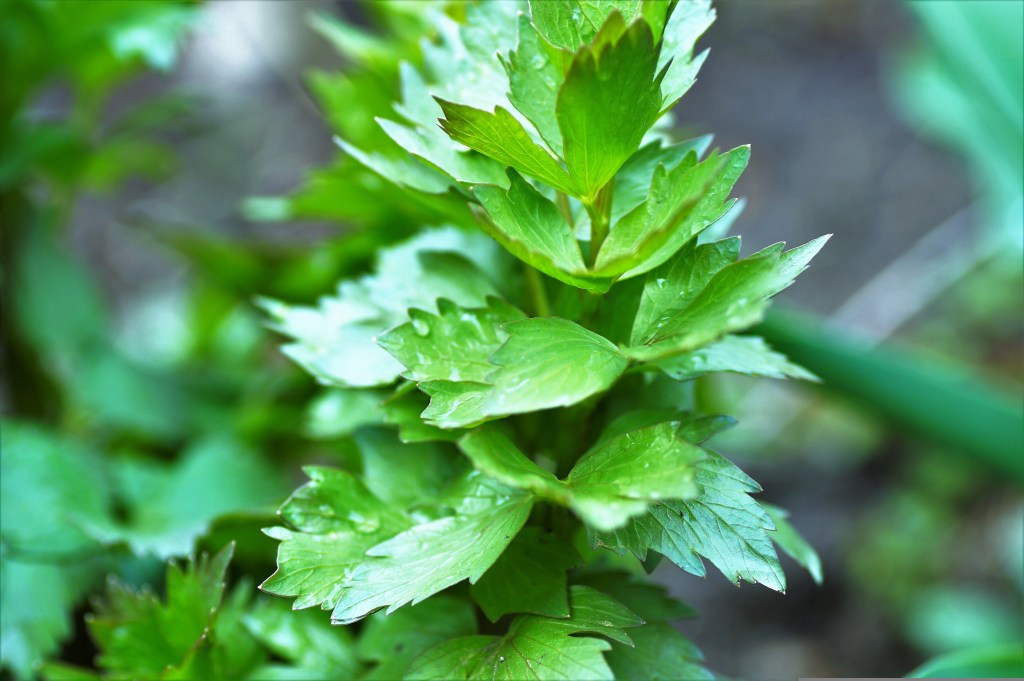
Growing lovage is like inviting a deity to take root in your soil. She asks for space, sunlight, and your willingness to let something in your garden grow gloriously tall.
Lovage thrives in full sun but accepts partial shade with grace. She prefers rich, well‑drained soil and responds beautifully to compost or aged manure. Water consistently during her first year so she can anchor her deep taproot. Once established, she becomes a perennial force who returns each spring with renewed majesty.
Give her room. Give her nourishment. Give her sunlight. She will reward you with presence.
Harvesting Guidance
Lovage rewards the patient gardener, the one who understands that every part of her carries a different kind of power. When you harvest her, you are gathering not just plant material but the distilled essence of a Green Goddess who has spent the season rising, watching, and storing wisdom in every cell.
Harvest leaves when they are young and bright, ideally in the morning when the sun has just begun to warm the garden and the oils are at their most vibrant. Snip with intention. Lovage responds beautifully to gardeners who harvest with clarity rather than haste.
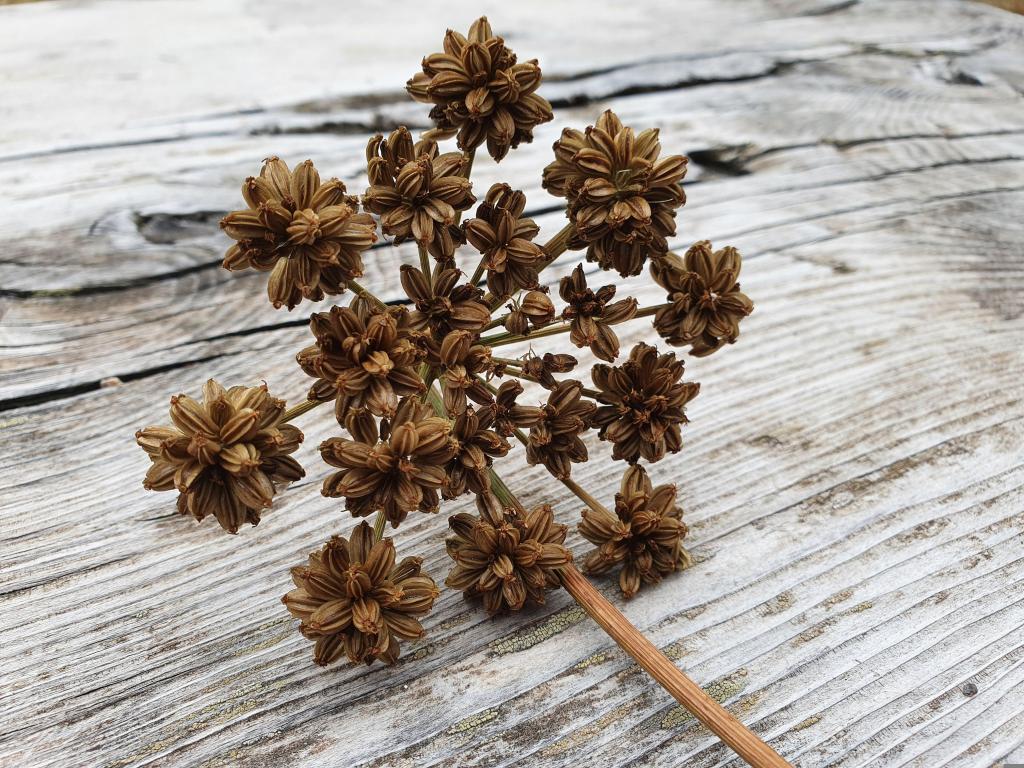
As summer deepens, her umbels swell with seeds. Allow these seed heads to dry on the stalk until they rattle softly in the wind. This is the moment when the plant has completed her cycle of sight and prophecy. The seeds hold the memory of sunlight, the hum of bees, and the plant’s towering perspective. Clip the umbels whole and finish drying them indoors on a clean cloth. When fully dry, the seeds fall away with the gentlest touch.
For roots, wait until the plant’s third year. By then, the taproot has become a vault of stored strength, thick with the concentrated energy of every season she has survived. Dig on a cool autumn day when the earth is soft and the plant is beginning to withdraw her power downward. Lift the root slowly, honoring the depth she has claimed. Wash gently to reveal the pale, aromatic flesh beneath the soil.
This is not just harvesting. It is a rite of passage.
You are gathering the wisdom of a perennial who knows how to rise, reign, retreat, and return.
Tips and Tricks for Growing
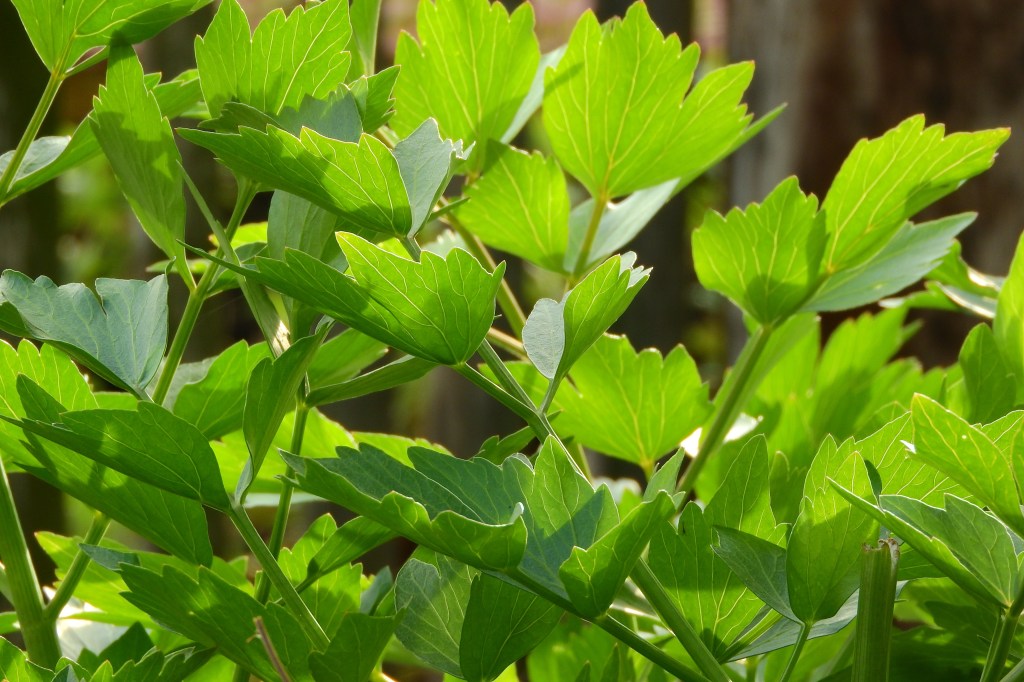
Lovage thrives under the care of gardeners who understand that power is not accidental. It is cultivated. It is nourished. It is invited to rise. These practices help the Green Goddess reach her full, sky‑crowned glory.
Mulch around the base to retain moisture
Mulch is more than a gardening tactic. It is a cloak of protection laid at the feet of a queen. A generous layer of organic mulch keeps the soil cool, steady, and moist, allowing lovage’s deep taproot to drink slowly and consistently. Mulch also suppresses weeds that would dare compete with her. In the heat of summer, this protective ring becomes her shield against stress and dehydration.
Cut back flowering stalks to encourage leaf production
When lovage sends up her towering umbels, she is shifting into her oracle phase. If your goal is lush, abundant foliage, cut back those flowering stalks early. This redirects her energy downward into leaf growth, creating a fuller, greener, more flavorful plant. Think of it as guiding the goddess back to the work you need from her: nourishment, fragrance, and culinary magic.
Divide mature plants every few years to maintain vigor
A mature lovage plant can become a massive, root‑deep presence. Dividing her every few years keeps her energy fresh and prevents the crown from becoming congested. This is a renewal ritual, a way of reminding the plant that her power is meant to expand, not stagnate. Each division becomes a new sovereign in the garden, carrying the lineage of the original Green Goddess.
Feed with compost in early spring for lush, goddess‑level growth
Lovage responds with breathtaking enthusiasm to rich, organic matter. A layer of compost in early spring is like placing a feast before her just as she awakens from winter’s rest. The result is vigorous growth, towering stems, and leaves so aromatic they feel enchanted. Compost is the offering that unlocks her full mythic presence.
Lovage thrives under the care of gardeners who understand that power flourishes when nourished.
Companion Planting
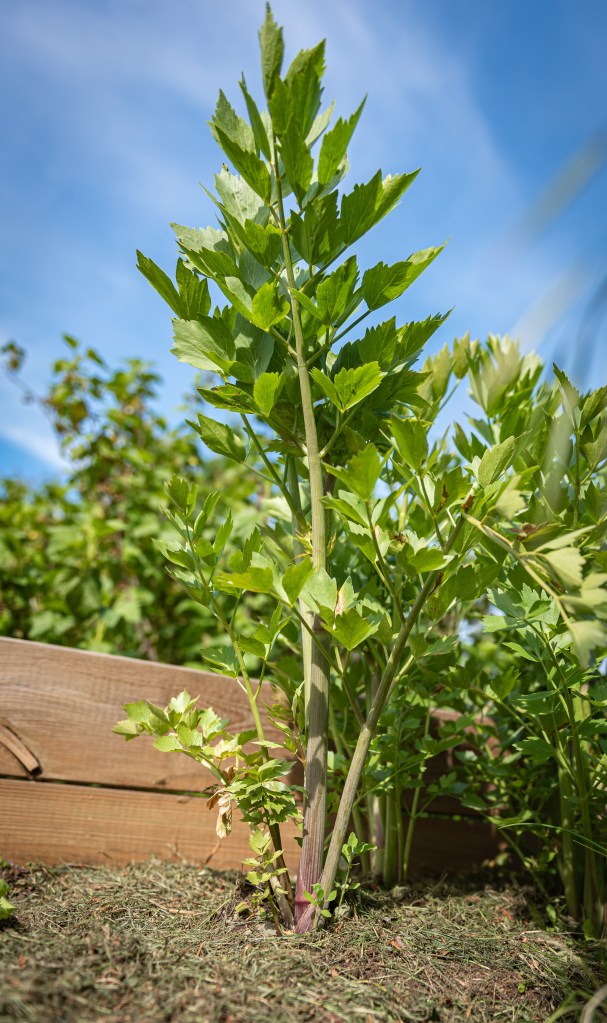
Lovage is a benevolent Green Goddess who shelters the tender and uplifts the small. Her height creates natural shade for delicate greens. Her umbels attract beneficial insects. Her presence strengthens the vitality of the entire garden.
Excellent companions include:
• Lettuce
• Spinach
• Parsley
• Chives
She stands as a guardian, offering balance and protection to those who grow beside her.
Culinary and Herbal Uses
Lovage tastes like celery that has remembered its wild ancestry. Every part of her carries a different note of that ancient green fire. The leaves brighten soups, broths, and salads with a sharp, clean, almost electric flavor. They behave like a culinary spell, cutting through heaviness and awakening the palate. The stems can be candied into emerald wands of sweetness and spice. The seeds echo fennel’s warmth and were once used in medieval kitchens to season breads, cheeses, and traveling cakes meant to sustain long journeys. The roots can be simmered into teas or tinctures that support digestion and soothe the weary gut.
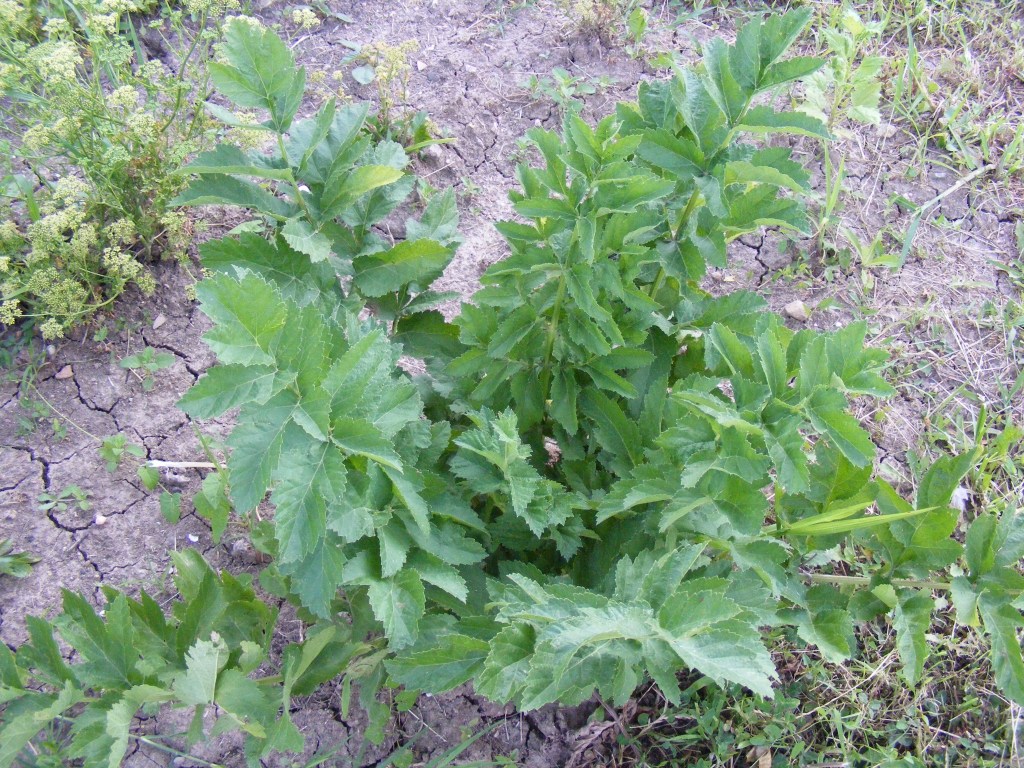
But lovage is more than an ingredient. She is a culinary ally and an herbal teacher. She nourishes body and spirit with equal devotion. In the kitchen, she reminds you that food is not merely fuel. It is ritual. It is remembrance. It is sovereignty expressed through flavor.
In old European herb lore, lovage was added to love potions, healing broths, and protective stews. Cooks believed that a single leaf could “lift the heart,” and that her fragrance could clear the mind before important decisions. Even today, chefs who work with lovage speak of her as a plant with presence, a bold green force that refuses to be background seasoning.
Use her when you want your dishes to taste alive. Use her when you want your meals to carry the clarity and confidence of a Green Goddess. Use her when you want your kitchen to feel like a place of power rather than obligation.
Lovage does not whisper. She declares. And every recipe she touches becomes a little more mythic.
Quick and Easy Recipe
Green Goddess Lovage Dressing
A bright, herb‑forward offering worthy of the plant herself.
Ingredients
• One handful fresh lovage leaves
• One handful parsley
• One clove garlic
• One cup yogurt or sour cream
• Juice of one lemon
• Salt to taste
Blend until smooth. Serve over roasted vegetables, salads, or grilled chicken. It tastes like the garden’s crown jewel.
Seasonal Care and the Perennial Rhythm of the Green Goddess
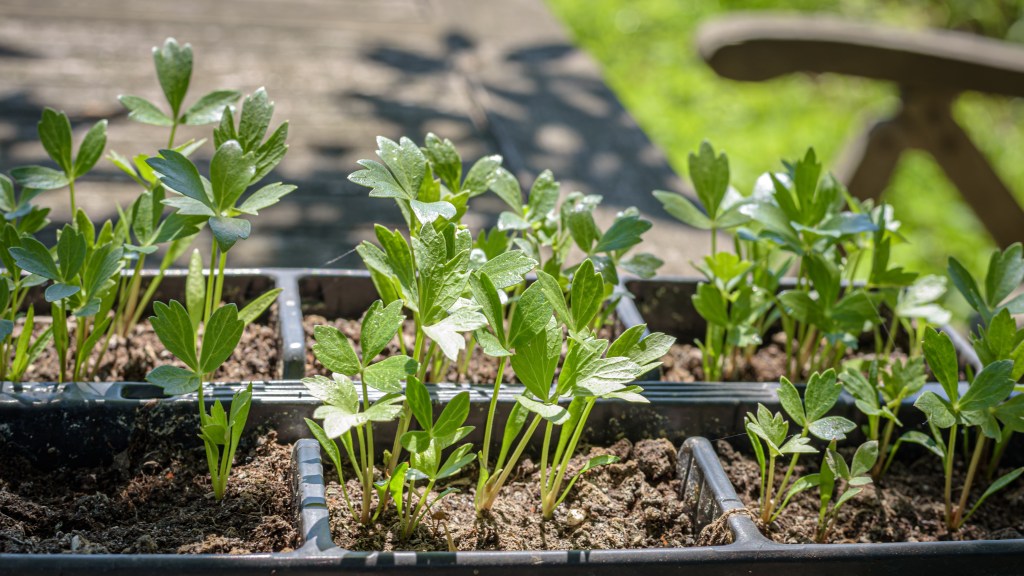
In spring, lovage rises like a goddess returning from the underworld. She does not creep. She ascends. Her shoots push through the soil with the certainty of someone who has done this many times before. This is the moment when her energy is fresh, bright, and unstoppable, a reminder that rebirth is not a metaphor but a muscle.
In summer, she becomes a towering beacon. Her stems stretch skyward, her umbels glow with golden light, and her fragrance fills the air with sharp, clean clarity. This is her reign. This is her season of sovereignty. She stands tall enough to see the whole garden and rooted enough to hold her ground against wind, heat, and whatever chaos the season brings.
In autumn, she gathers her power inward. Her leaves begin to yellow, her height softens, and her energy sinks deep into the earth. This is not decline. It is strategy. It is the Green Goddess withdrawing her strength into the taproot, storing wisdom for the next cycle.
In winter, she rests beneath the soil, dreaming of her next ascension. The surface may look barren, but beneath the frost she is alive, waiting, preparing. Her roots hum with quiet power. Her dormancy is not absence. It is incubation.
Lovage is a perennial, which means she returns year after year, growing stronger each time. She does not need to be replanted. She does not need to be coaxed back into existence. She remembers. She endures. She rises again because that is her nature.
She teaches the rhythm of sovereignty.
Rise. Reign. Retreat. Renew.
This is the cycle of every powerful thing that refuses to burn itself out. This is the cycle of the Green Goddess who knows that longevity is its own form of rebellion.
Closing Invocation of the Green Goddess
Lovage is the Green Goddess who stands tall so you remember your own height. She rises without apology, without hesitation, without shrinking to make room for anything that tries to overshadow her. When you look at her, you see a living reminder that you, too, were never meant to fold yourself into smaller shapes just to fit someone else’s expectations.
She roots deep so you remember your own strength. Her taproot reaches down like a spear of intention, anchoring her through storms, heat, and the unpredictable chaos of the growing season. She teaches you that your power does not come from how loudly you stand above the soil but from how fiercely you anchor beneath it. Your depth is your stability. Your history is your nourishment. Your resilience is your inheritance.
She refuses to shrink so you remember that shrinking was never your destiny. Lovage does not apologize for her height, her fragrance, her presence, or her mythic architecture. She takes up space because she was born to. And in her towering silhouette, you see the truth of your own becoming. You were not made to be small. You were made to be sovereign.
Grow lovage and you grow a reminder that your power is perennial.
She returns every spring, stronger than the year before, because she knows that cycles are not setbacks. They are strategy. She rises, reigns, retreats, and renews, and in doing so she mirrors your own journey.
You rise after every winter of your life.
You reign in the seasons when your energy is bright and unstoppable.
You retreat when your spirit needs rest and recalibration.
You renew when you gather your strength and prepare to ascend again.
Lovage teaches you that your path is not linear. It is cyclical, sacred, and sovereign.
You are allowed to rest.
You are allowed to return.
You are allowed to rise again, taller each time.
She is the Green Goddess who stands in your garden as a living reflection of your own resilience.
Grow lovage and you grow a companion who whispers, season after season:
You are not done. You are becoming. And your becoming is perennial.
A Rage Garden is not only a place of plants. It is a place of lineage, memory, and women rising together.
Chives: The Blade-Tongued Border Guard of the Rage Garden
Fennel: The Sharp-Souled Sentinel of the Rage Garden
Hyssop: A Tactical Herb for Purification, Protection, and Emotional Resilience
The Warrior’s Herb: Borage for Grit, Glory, and Growth
Yuletide: The Warrior’s Interlude
Herbs That Bite Back: Cultivating Chaos with Dill in the Rage Garden
Lemon Balm: The Soothing Sorcerer of the Rage Garden
Chamomile: The Soft-Fisted Saboteur of the Rage Garden
Oregano – The Sharp-Tongued Strategist of the Rage Garden
Lavender: The Soft-Spoken Assassin of the Rage Garden
How to Grow Mint Without Losing Your Garden: Tactical Tips to Tame the Chaotic Neutral Herb
Thyme to Rage: Tactical Herb Wisdom for the Resilient Garden
The Basil Offensive: Grow Hard, Harvest Smart, Preserve with Fury
Sage Against the Machine: Grow, Harvest, and Hex with Purpose
Rosemary Magic: Witchy Garden Wisdom for Resilient Herb Growing
Join the Rage Garden Inner Circle
Where the wise grow stronger, wealthier, and Smarter every season.
For just $10/month, you gain access to:
- Money‑saving homestead strategies that put thousands back in your pocket
- Time‑cutting systems that free up your days and sharpen your skills
- Seasonal guides, rituals, and plant allies you won’t find anywhere else
- Exclusive content crafted for people who refuse to shrink
- First access to new tools, printables, and resources
This is more than a newsletter; it’s power. A place to gather to rise, reclaim, and root deeper into their strength.
Every month you wait is knowledge, time, and money you don’t get back. Step into the circle now and grow wild
Discover more from Anything Agriculture
Subscribe to get the latest posts sent to your email.

“Monks believed the rising scent of crushed lovage leaves could dispel confusion during long hours of study. ” that’s putting it mildly. it certainly is strong.
LikeLike