

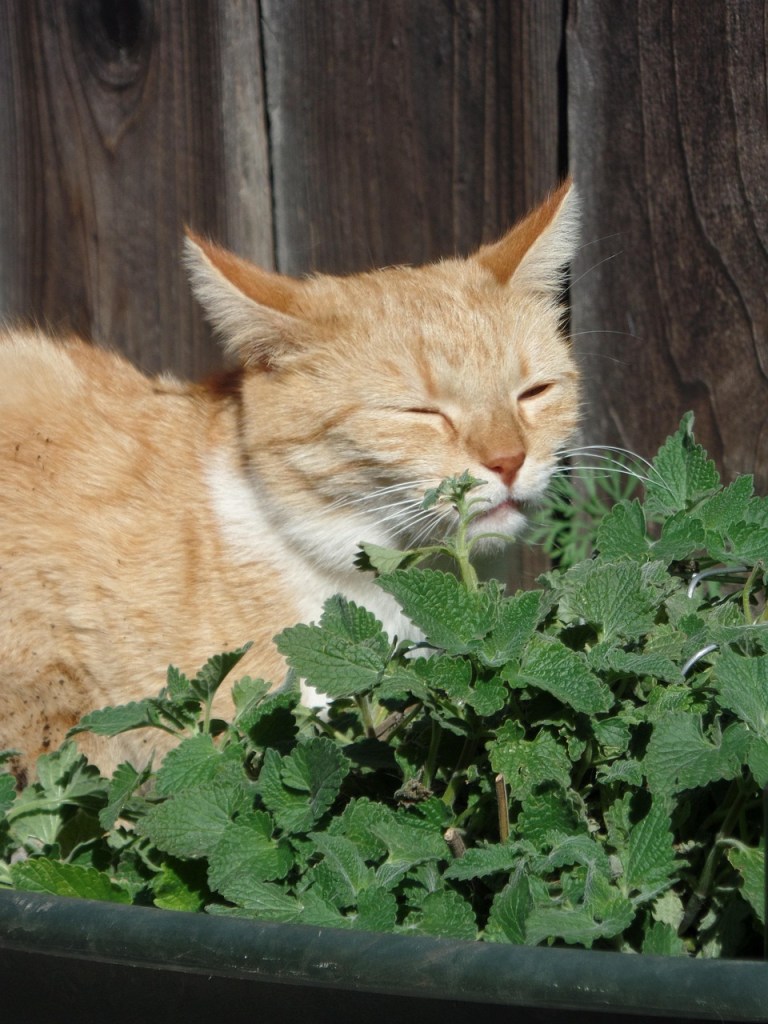
Catnip’s unruly spirit mirrors the very creatures who adore it. Cats, those velvet‑pawed, regal beings who glide through the world with effortless composure, lose all sense of dignity in the presence of this plant. It is as if the Trickster Healer recognizes its own reflection in them. Catnip is wild yet gentle, soft yet subversive, and cats respond to that energy with unguarded joy. They roll, purr, drool, and surrender to delight, revealing a rare glimpse of their hidden chaos. Perhaps that is why they cannot get enough. Catnip speaks their language. It invites them into a moment of pure, unfiltered freedom, the same way it invites gardeners to reclaim their own wild softness in the Rage Garden.
Catnip and its close cousin, catmint, have been used for centuries as calming herbs, protective charms, and boundary keepers. One is wild and unruly. The other is elegant and composed. Both belong in a garden that honors sovereignty, softness, and strength.
This is your guide to growing catnip with intention, harvesting it with clarity, and using it in ways that nourish your body and spirit.
What Makes Catnip a Rage Garden Plant
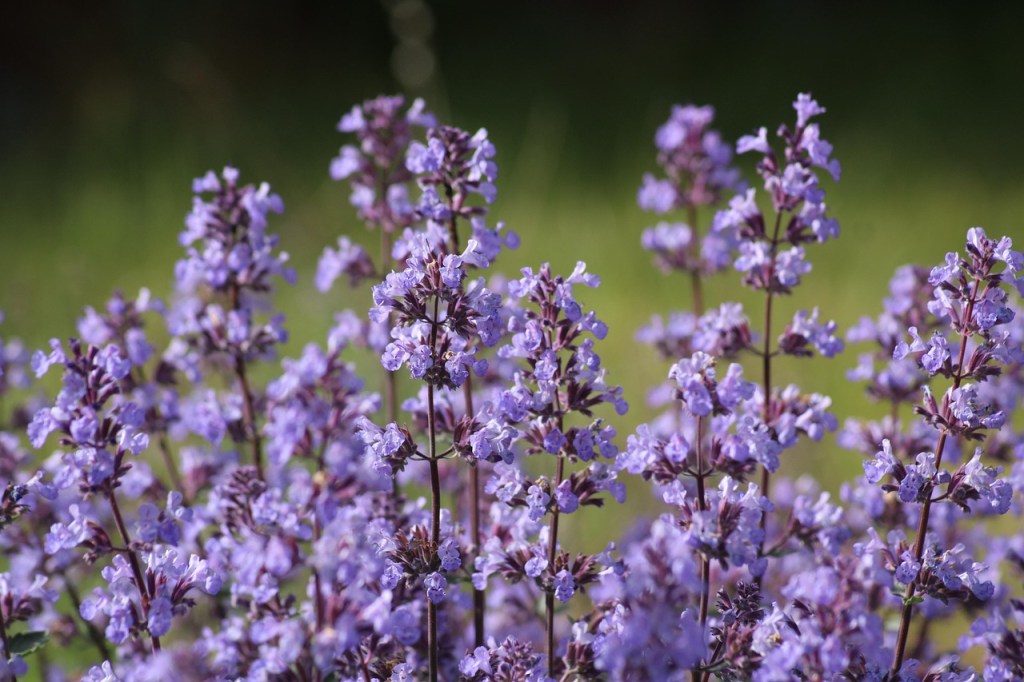
Catnip carries a dual nature that fits perfectly into the Rage Garden philosophy. It is calming yet assertive. Gentle yet unstoppable. Soft yet regal.
Catnip spreads with chaotic joy, sending runners wherever it pleases. It refuses to shrink itself. It refuses to apologize for thriving. It teaches you to take up space without guilt and to root deeply into the soil of your own life.
Catnip is a Restorative herb that supports the nervous system. It has been used for centuries to ease tension, settle the mind, and soften the edges of a hard day. In folklore, catnip was planted near doorways to invite good spirits and repel ill intentions. Some traditions say witches carried catnip to strengthen their familiar bonds. Others believed that growing catnip near the home brought peace to the household and courage to the heart.
In the Rage Garden, catnip becomes the playful ally with hidden depth. It reminds you that softness is not weakness. It is a strategy.
Twin Herbs with Divergent Power: Catnip and Catmint Unveiled
Catnip and catmint may share a family name, but they are not the same creature in the garden. Catnip is the wild one, the Trickster Healer with a sharper scent, a stronger medicinal profile, and a magnetic pull that sends cats into ecstatic devotion. Its growth is loose, leggy, and delightfully unruly. Catmint, on the other hand, is the elegant cousin. Its scent is softer, its leaves more refined, and its growth habit forms neat, mounded clouds of lavender blooms that bees swarm like a festival. Catnip is for medicine, magic, and mischief. Catmint is for beauty, pollinators, and calm structure. In the Rage Garden, knowing the difference matters because each plant carries its own energy, purpose, and power.
Many gardeners confuse the two, yet their energies could not be more distinct.
Catnip
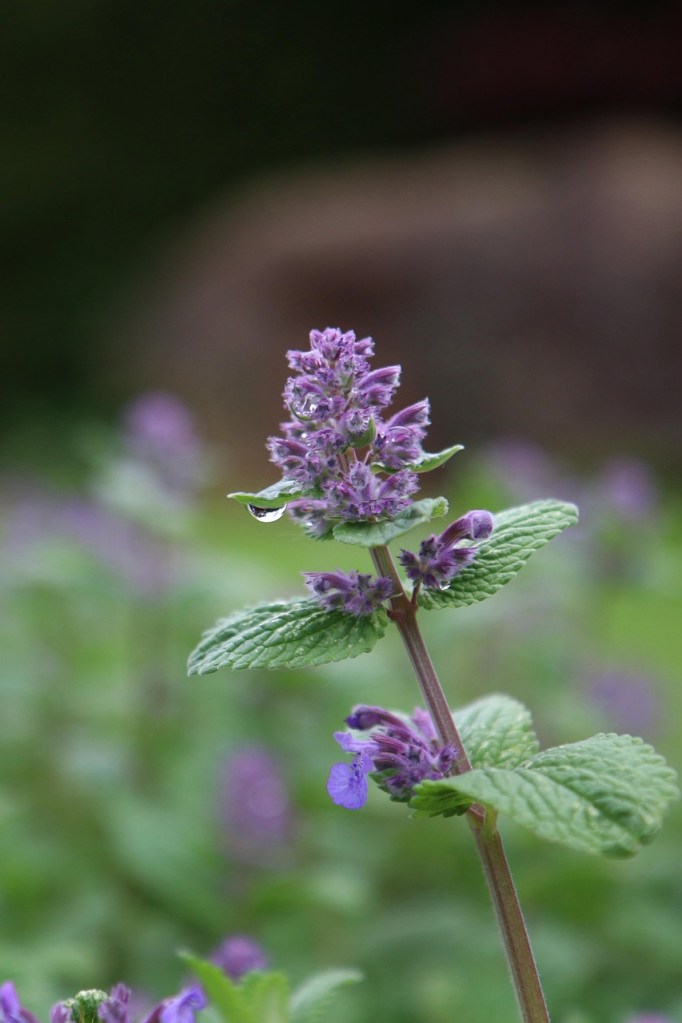
• Stronger scent
• More medicinal
• Cats adore it
• Looser, wilder growth
Catmint
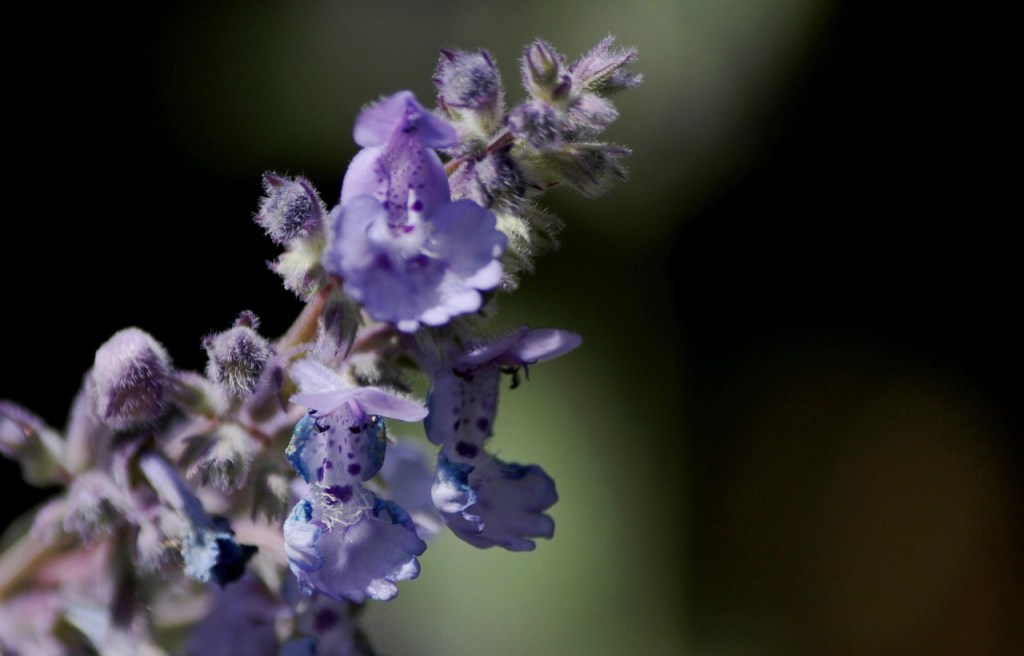
• More ornamental
• Softer scent
• Cats may ignore it
• Neater, mounded growth
Catnip is the wild heart of the pair, the Trickster Healer who spreads with chaotic joy and refuses to be anything but itself. Catmint is the refined counterpart, the calm beauty that holds its shape and offers long waves of lavender blooms that bees treat like a festival.
Both attract pollinators. Both bloom beautifully. Both deserve a place in your garden. But only one carries that mischievous spark that stirs cats into ecstatic devotion and invites gardeners to embrace their own untamed softness.
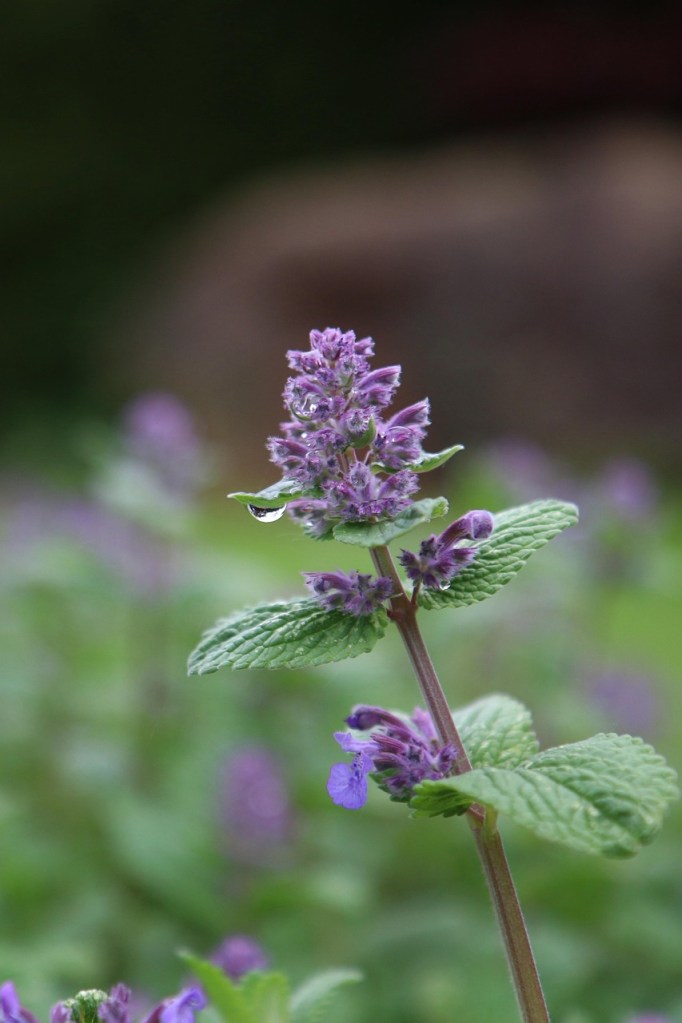
Catnip is the one with the trickster heart, and the Rage Garden would not be complete without it.
Why Cats Love Catnip

Cats do not fall for catnip by accident. There is a reason this plant unravels their composure and turns even the most dignified feline into a rolling, purring puddle of joy. Catnip contains a compound called nepetalactone, a natural chemical released from the leaves when they are crushed or brushed. To cats, nepetalactone is not just a scent. It is a key that unlocks a hidden door in their instincts. It binds to receptors in their nose that trigger the same pathways activated during moments of play, hunting, and pure feline delight.
In other words, catnip speaks directly to the wild heart of a cat.
Some cats respond with ecstatic rolling. Others leap, zoom, or flop dramatically as if surrendering to bliss. A few simply melt into a soft, dreamy calm. The reaction is inherited, so not every cat feels the pull, but those who do experience it with full-bodied abandon.
Folklore says cats love catnip because they recognize themselves in it. Both are creatures of quiet power and sudden chaos, soft paws and sharp instincts. Catnip mirrors their dual nature, and when they encounter it, they let go of their regal restraint and embrace their inner trickster. It is one of the only times they allow themselves to be completely unguarded.
How to Grow Catnip with Confidence
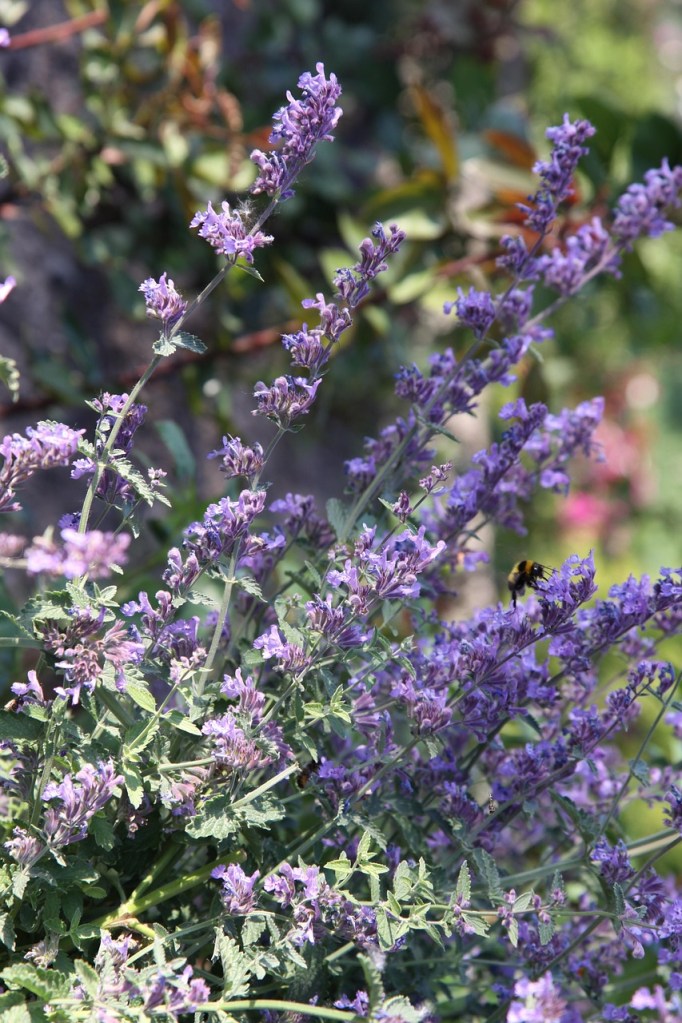
Catnip is one of the easiest herbs to grow, especially in Zones 5 to 6, where you garden. It thrives on neglect and rewards you with lush growth, fragrant leaves, and a pollinator frenzy that feels like the garden throwing a party in your honor. Catnip does not need coddling. It does not need perfect soil or constant attention. It wants sunlight, space, and the freedom to express its wild heart.
Growing catnip is an invitation to release control. This plant teaches you that not everything needs to be micromanaged to flourish. Give it full sun and well-drained soil, then step back and watch it claim its place with quiet confidence. Water it when the top of the soil feels dry, but do not fuss. Catnip prefers a gardener who respects its independence.
Once established, catnip becomes a perennial force that returns each year with more enthusiasm than you expect. Pinch back young growth to encourage a fuller shape. Cut it back midseason if it starts to sprawl like a creature stretching after a long nap. And if you have cats, protect your seedlings because they will absolutely attempt to body slam them in a moment of pure devotion.
Catnip grows like a plant that knows its worth. It does not apologize for expanding. It does not shrink to make room for others. It shows you what it looks like to take up space without guilt. In the Rage Garden, that is not just a growing tip. It is a lesson.
Growing conditions that catnip loves
• Full sun
• Well-drained soil
• Moderate watering
• Space to roam
Catnip germinates quickly from seed, but you can also start with a small plant. Once established, it becomes a perennial companion that returns each year with more enthusiasm than you expect.
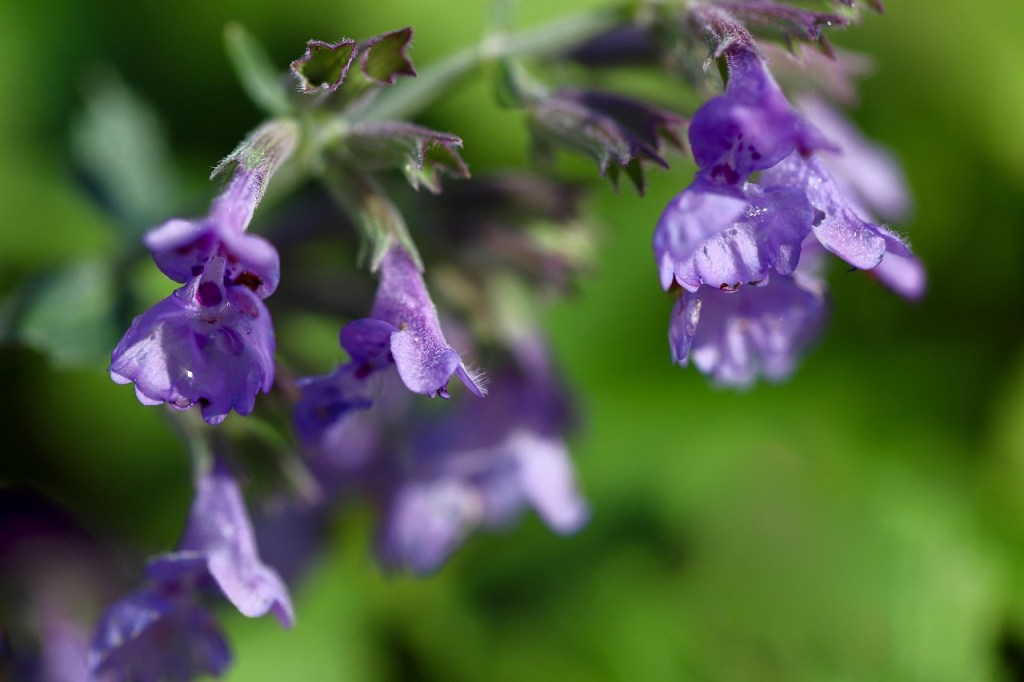
Tips for thriving catnip
• Pinch back young growth to encourage bushiness
• Cut it back midseason to prevent legginess
• Give it room because it will expand
• Protect seedlings from cats who may roll on them in devotion
Catnip is a mint, but it is not as aggressive as peppermint. Still, if you want to contain it, plant it in a pot or give it a defined corner of the garden where it can express itself without overwhelming others.
Companion Planting with Catnip
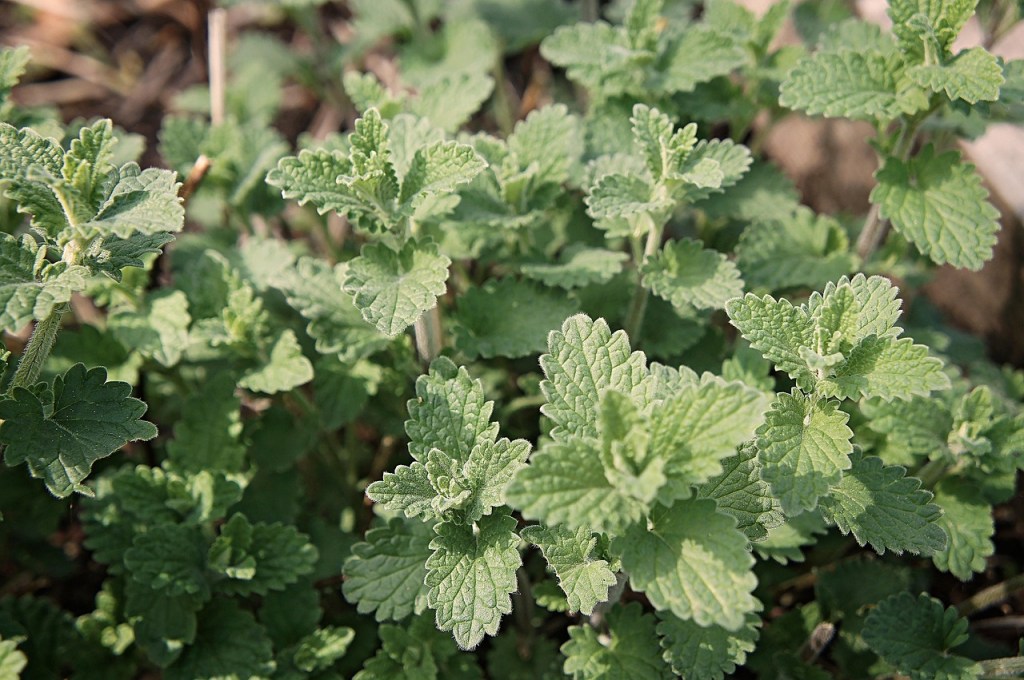
Catnip is a surprisingly powerful companion plant, and in the Rage Garden it behaves like a quiet guardian with a mischievous streak. It repels certain pests while drawing in pollinators, creating a living force field around more vulnerable plants. Catnip’s scent may seem soft and herbal to us, but to aphids, flea beetles, and squash bugs it is a firm and undeniable warning. At the same time, its blooms call in bees with the enthusiasm of a festival, turning your garden beds into buzzing corridors of life.
Catnip does not simply sit beside its companions. It stands watch. It softens the pressure on tender seedlings. It confuses pests who would otherwise feast on your brassicas or nibble your squash vines. It invites beneficial insects to linger, feed, and patrol. When planted with intention, catnip becomes a strategic ally that strengthens the entire ecosystem.
In the Rage Garden, companion planting is not just about practicality. It is about a relationship. Catnip shows you how a plant can protect without aggression, how it can hold space without overshadowing others, and how even the gentlest herbs can wield quiet power.
Good companions include
• Squash
• Pumpkins
• Brassicas
• Potatoes
• Beets
Avoid planting catnip right next to delicate herbs that dislike competition. It is a generous plant but not a subtle one.
Harvesting Catnip with Intention
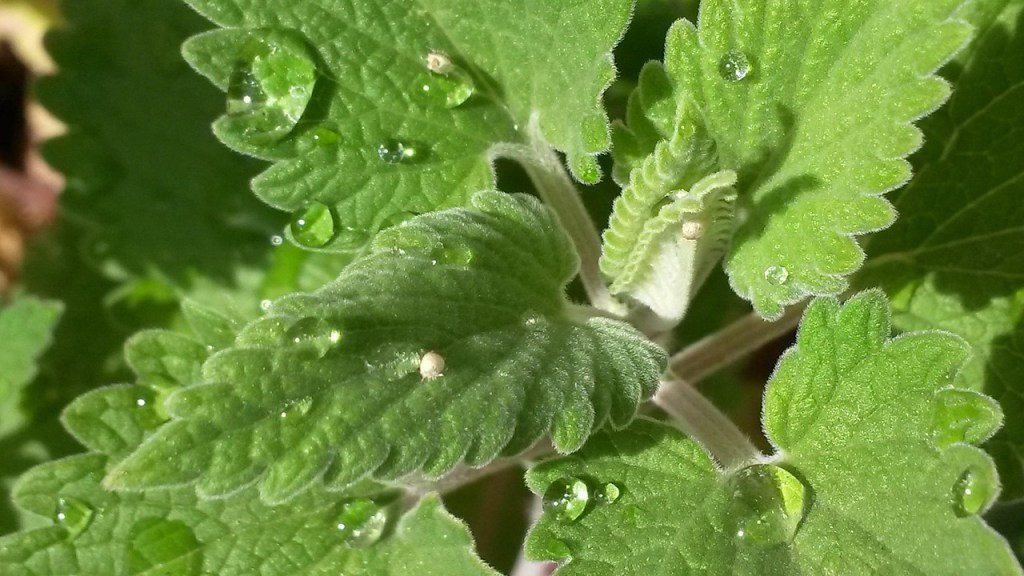
Harvest catnip when the leaves are vibrant and fragrant. The best time is just before the plant blooms, when the essential oils are at their peak.
To harvest
• Cut stems in the morning after the dew dries
• Choose healthy, full leaves
• Leave enough growth for the plant to rebound
Dry catnip by hanging small bundles upside down in a warm, airy space. Once dry, crumble the leaves and store them in a jar away from light.
Harvesting catnip is an act of softness and sovereignty. You take what you need. You leave what you do not. You honor the plant that gives freely.
Uses for Catnip in the Rage Garden
Catnip is far more than a delight for cats. It is a healer for humans, a gentle but steady ally that supports emotional resilience and softens the edges of a hard day. Gardeners have long turned to catnip for calming tea that soothes the nervous system, fragrant steam that eases tension, and simple salves that comfort irritated skin. Dried leaves tucked into sachets invite restful sleep, while fresh sprigs make meaningful offerings in rituals of grounding and renewal. In the Rage Garden, catnip teaches that rest is not surrender. Rest is strategy. It is the quiet power that allows you to rise again.surrender. Rest is strategy.
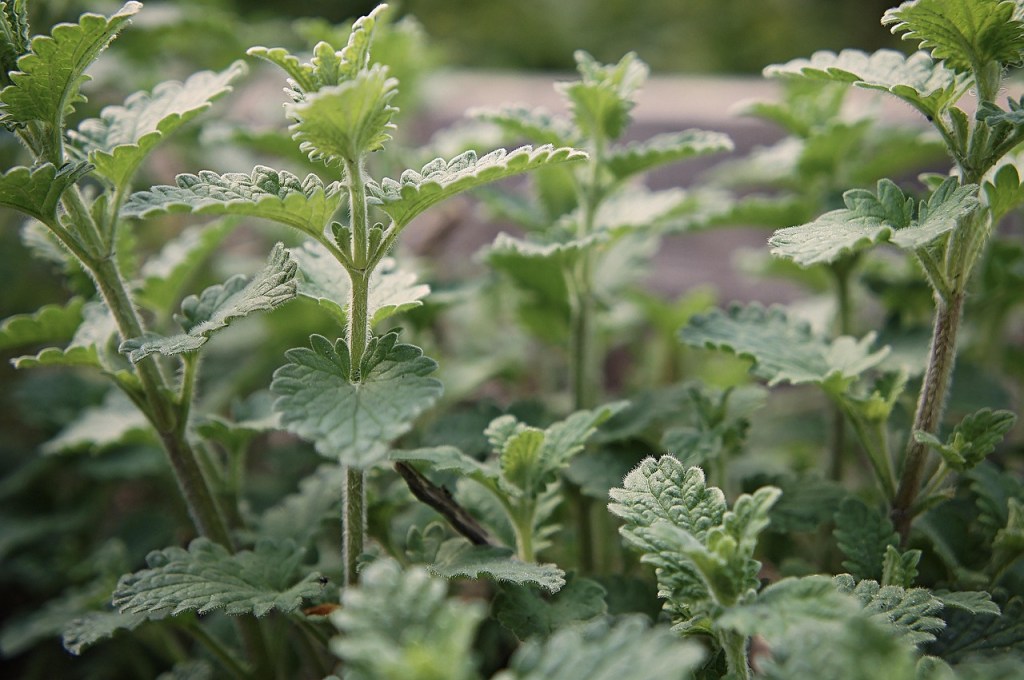
Quick and Easy Catnip Tea for Calm and Clarity

This simple recipe brings out catnip’s soothing magic.
Ingredients
• One teaspoon dried catnip
• One cup hot water
• Honey or lemon if desired
Instructions
Place catnip in a mug. Pour hot water over it. Steep for five to seven minutes. Strain and sip slowly.
This tea is grounding, comforting, and perfect for evenings when your mind refuses to quiet.
Catnip in the Epic Rage Garden
Catnip has wandered through centuries of folklore wearing many faces. In old European traditions, it was known as an herb of both mischief and medicine, a plant that could charm cats, calm storms, and sharpen intuition. Healers believed catnip carried a dual nature, able to soothe the body while awakening the inner senses. It was often planted near doorways to guard the threshold, a living sentinel that kept unwanted energies from crossing into the home. Some households tucked dried catnip into bedding or hung it above cradles to protect infants from restless spirits.
In medieval herbals, catnip was praised as a gentle ally for digestion, fever, and frayed nerves. It was brewed into teas for courage, especially before difficult conversations or moments of emotional upheaval. There are stories of warriors drinking catnip tea before battle to steady their hands and quiet the trembling of the heart. Not to harden themselves, but to enter the fight with clarity rather than fear. Catnip was the herb of the brave who understood that true strength begins with calm.
Folklore also ties catnip to witches and wise women. Some tales say it strengthened the bond between a witch and her familiar. Others claim it was burned in ritual to call in helpful spirits or to amplify intuition during divination. Catnip’s smoke was said to carry prayers upward with a playful twist, ensuring the message reached the right ears.
Across cultures, catnip has always been a plant of thresholds. It sits between the wild and the tame, the physical and the intuitive, the soothing and the stirring. It is a bridge herb, a guide herb, a plant that teaches you to trust your instincts while softening the noise around you.
In the Rage Garden, catnip becomes a reminder that healing does not always look fierce. Sometimes it looks like softness. Sometimes it looks like laughter. Sometimes it looks like a plant that spreads wherever it pleases and invites you to do the same. Catnip teaches that power can be gentle, boundaries can be fragrant, and rebellion can bloom quietly beneath your feet.
Discover more from Anything Agriculture
Subscribe to get the latest posts sent to your email.
