

Feathery Fronds, Fierce Flavor, and Folkloric Bite
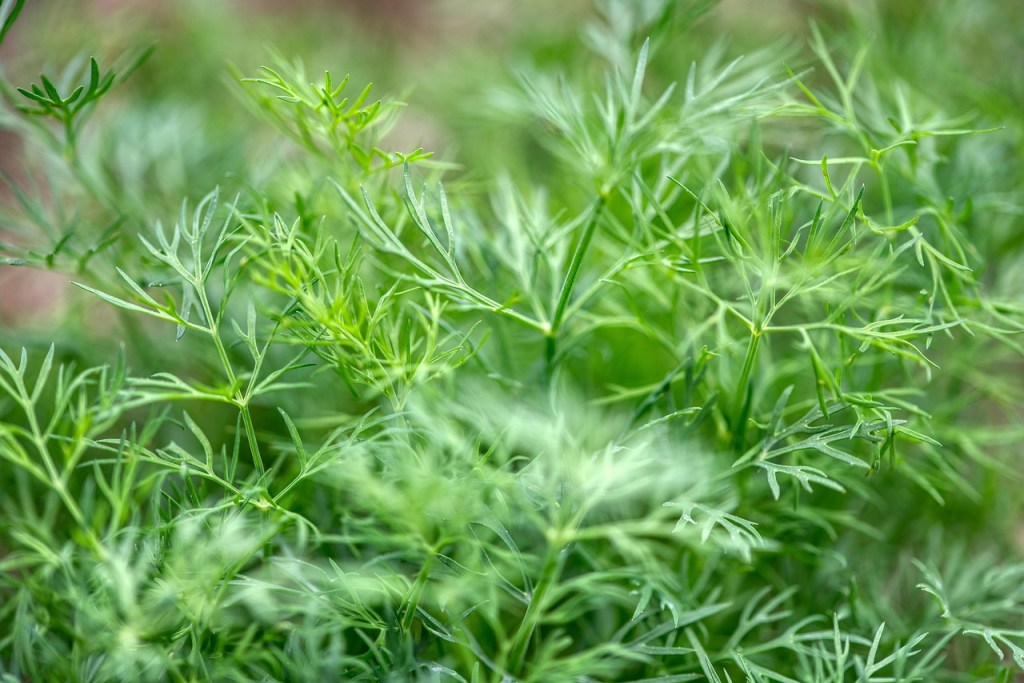
Dill is a cool-season annual herb with delicate, fern-like fronds and a bold, tangy flavor that punches far above its weight. In the rage garden, it’s a chaotic neutral rogue—attracting pollinators, repelling aphids and cabbage loopers, and self-seeding with wild abandon. But beneath its soft exterior lies a legacy of power, protection, and pungent defiance.
Dill (Anethum graveolens) has been stirring cauldrons and challenging empires since 3000 BCE. In ancient Egyptian medicine, it was a triple-threat—used to soothe digestion, seduce lovers, and ward off witches. The Norse named it dylla, meaning “to lull,” but don’t let that fool you this herb may calm the gut, but it stirs the spirit. Romans crowned gladiators with dill for luck in battle, while Greeks saw it as a magnet for wealth, weaving it into both meals and magic. Biblical texts mention dill as a sacred herb, often tied to offerings and tithes. And in Nordic cuisine, dill reigns as the pickling priestess, preserving fish, flavor, and folklore in one feathery frond. Whether you’re summoning prosperity, protecting boundaries, or just making a killer dill butter, this herb brings ancient grit to your rage garden arsenal.
Tactical Traits: Dill’s Guerrilla Strategy in the Garden
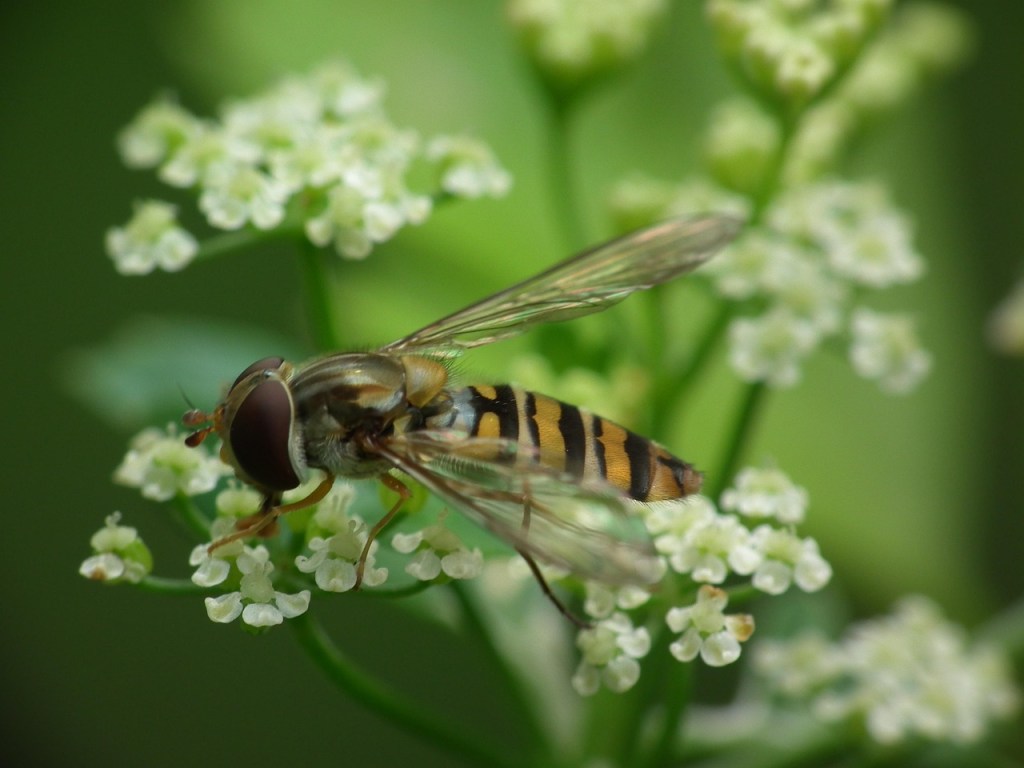
Dill (Anethum graveolens) doesn’t just grow, it infiltrates. Its umbrella-shaped yellow flowers act as pollinator magnets, drawing in bees, hoverflies, and parasitic wasps like a botanical beacon. These allies boost biodiversity and keep your rage garden buzzing with life. Meanwhile, dill’s pungent scent confuses and repels common pests like aphids and spider mites, making it a natural line of defense in your herbal arsenal. But its most rebellious trait? Dill self-seeds with zero permission, dropping seeds like a rogue scattering caltrops across your soil. Expect surprise volunteers next season, often in places you didn’t plan but absolutely needed. Whether you’re building a resilient herb garden or launching a full-scale flavor offensive, dill brings tactical grit and chaotic charm to every plot.
II. The Dill Directive
Dill (Anethum graveolens) thrives as a cool-season herb with feathery fronds and a bold, tangy flavor that punches far above its weight. In the rage garden, it plays the role of a chaotic neutral rogue, attracting pollinators, repelling pests, and self-seeding with wild abandon. To grow dill successfully, choose a location with full sun and well-drained soil that leans slightly acidic to neutral (pH 6.0–7.5). Dill prefers to be direct-sown, as transplanting disrupts its taproot and triggers early bolting. It pairs well with tomatoes, cabbage, and onions but should be kept far from fennel, which competes chemically and causes growth issues. Avoid overwatering, which can lead to root rot, and don’t crowd your plants, thin seedlings to 8–12 inches apart to prevent legginess. High heat and excessive nitrogen can also cause premature bolting and dilute the herb’s flavor. Under ideal conditions, dill seeds germinate within 7–14 days, fronds are ready to harvest in 6–8 weeks, and seeds mature around 10–12 weeks. With a little tactical care, dill will reward you with a steady supply of fronds and seeds, and likely a few volunteer plants next season, just to keep things interesting.
III. The Dill Deployment Plan: Tactical Seeding for Maximum Fronds”
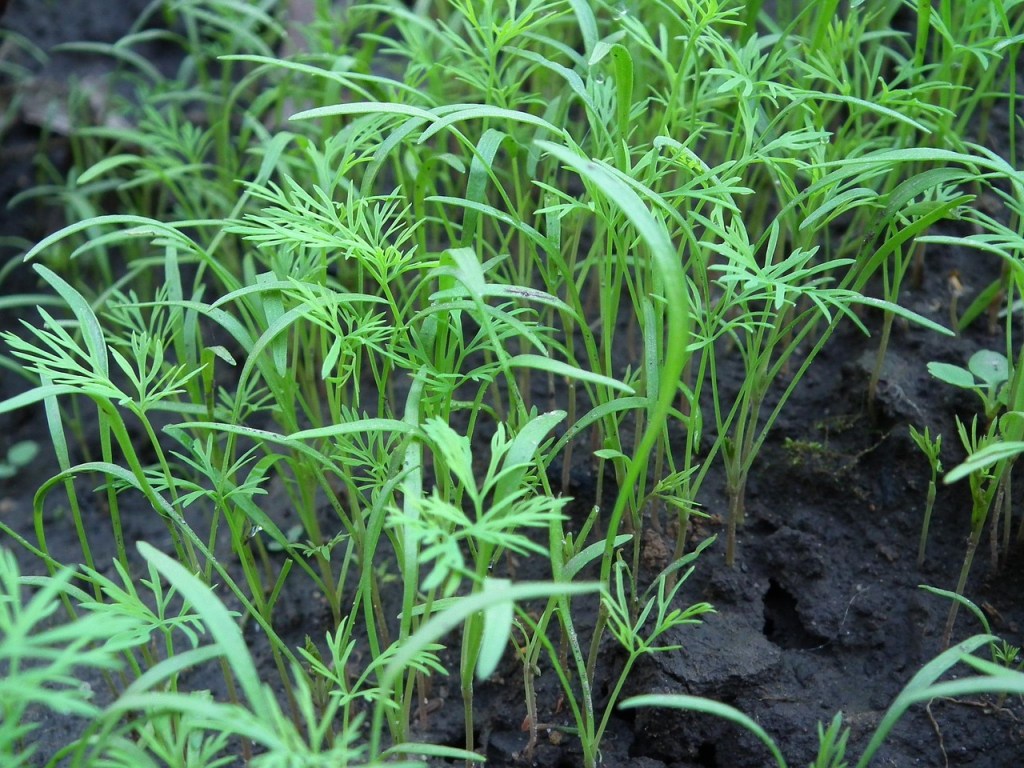
Seeding dill is a tactical move in any rage garden. For best results, direct sow dill seeds in early spring or fall, plant them ¼ inch deep and space about ½ inch apart. Dill thrives in cooler weather and bolts under stress, so avoid transplanting whenever possible. If you must start indoors, sow 3–5 seeds per cell and transplant gently before the taproot gets too bold. For continuous harvests of fresh fronds, practice successive sowing every 2–3 weeks. This ensures a steady supply of dill for culinary, medicinal, and magical uses. Whether you’re growing dill for pollinators, pest control, or potion-making, sowing it with intention sets the stage for a resilient, rebellious herb that bites back.
IV. Fronds of Fury: When and How to Harvest Dill Like a Tactical Herbalist
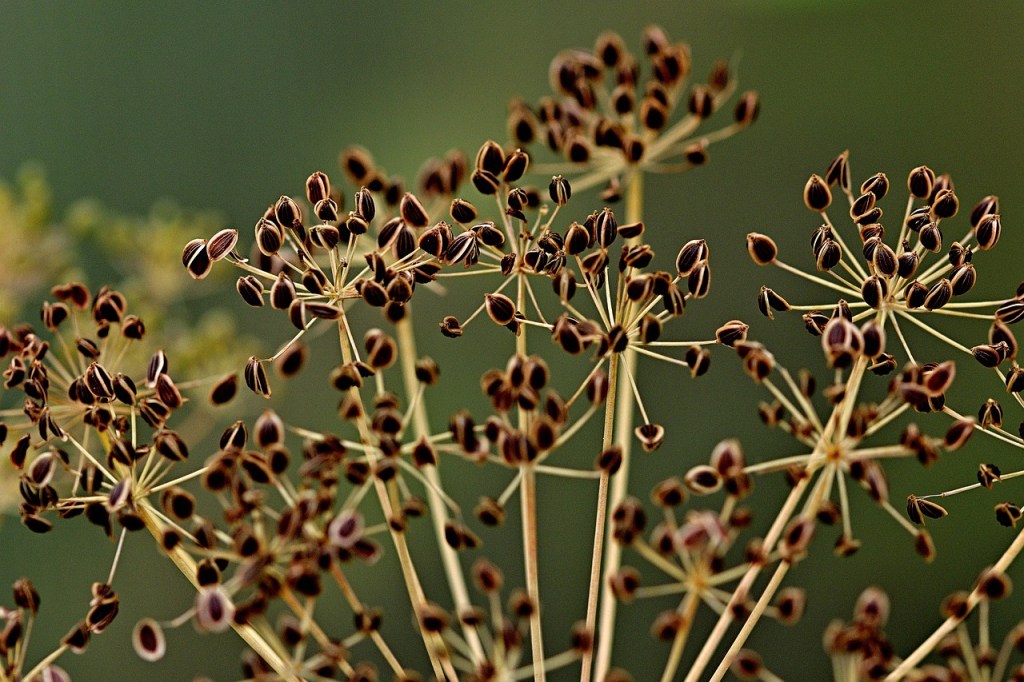
Harvesting dill is a strategic act in the rage garden. Begin snipping fronds once plants reach about 6 inches tall and have developed multiple sets of leaves. Regular harvesting encourages bushier growth and prevents premature bolting, especially in warmer weather. For dill seeds, wait until the flower heads have dried on the plant and the seeds turn golden brown. Clip the umbels and hang them upside down in paper bags to catch the falling seeds as they cure. Always harvest in the morning when essential oils are at their peak, this preserves flavor, aroma, and potency for culinary, medicinal, or magical use. Whether you’re growing dill for fresh fronds, seed saving, or spellwork, timing your harvest with precision ensures your herb bites back with full force.
V. Beyond the Brine: Tactical Uses for Dill in the Kitchen, Apothecary, and Spellcraft
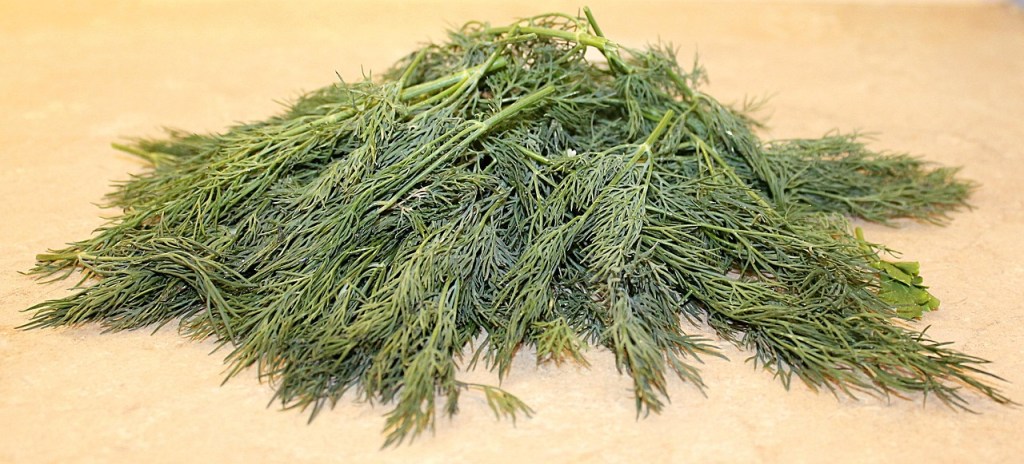
Dill is far more than a pickle garnish,it’s a tactical herb with culinary, herbal, and magical versatility. In the kitchen, dill transforms into a flavor-forward ally: whip up dill butter for roasted vegetables or grilled meats, stir creamy dill sauce into fish, potatoes, or pasta, and fold fresh fronds into scrambled eggs, yogurt dips, sour cream, salads, soups, and sandwiches. As an herbal remedy, dill seeds and fronds support digestion when brewed into teas and can be paired with chamomile to promote restful sleep. In the realm of folklore, dill has long been used as a protection herb,tucked into sachets, added to moon water for clarity and courage, or burned in ritual for boundary-setting. Whether you’re cooking, crafting, or conjuring, dill delivers bold flavor and botanical bite across every domain of the rage garden.
Final Fronds: Dill Doesn’t Ask, it Grows

In the rage garden, dill isn’t just an herb, it’s a declaration. It bolts when it wants, seeds where it pleases, and dares you to keep up. Whether you’re harvesting fronds for fiery flavor, collecting seeds like arcane currency, or crafting for feathery intent, dill reminds us that resilience isn’t always loud, it’s persistent, pungent, and wildly self-sufficient. So plant it with purpose, harvest with precision, and use every frond like a tool of transformation. Your garden isn’t just growing, it’s rising for the fight.
Meet Your Your rage garden isn’t complete with just one strategist. Explore the full lineup of resilient, rebellious herbs:
Meet Your Your rage garden isn’t complete with just one strategist. Explore the full lineup of resilient, rebellious herbs:
Lemon Balm: The Soothing Sorcerer of the Rage Garden
Chamomile: The Soft-Fisted Saboteur of the Rage Garden
Oregano – The Sharp-Tongued Strategist of the Rage Garden
Lavender: The Soft-Spoken Assassin of the Rage Garden
How to Grow Mint Without Losing Your Garden: Tactical Tips to Tame the Chaotic Neutral Herb
Thyme to Rage: Tactical Herb Wisdom for the Resilient Garden
The Basil Offensive: Grow Hard, Harvest Smart, Preserve with Fury
Sage Against the Machine: Grow, Harvest, and Hex with Purpose
Rosemary Magic: Witchy Garden Wisdom for Resilient Herb Growing
Join the Rage Garden Inner Circle
Where the wise grow stronger, wealthier, and Smarter every season.
For just $10/month, you gain access to:
- Money‑saving homestead strategies that put thousands back in your pocket
- Time‑cutting systems that free up your days and sharpen your skills
- Seasonal guides, rituals, and plant allies you won’t find anywhere else
- Exclusive content crafted for people who refuse to shrink
- First access to new tools, printables, and resources
This is more than a newsletter; it’s power. A place to gather to rise, reclaim, and root deeper into their strength.
Every month you wait is knowledge, time, and money you don’t get back. Step into the circle now and grow wild
All Rights Reserved
Discover more from Anything Agriculture
Subscribe to get the latest posts sent to your email.
