

Sage isn’t just for smudging your ex’s energy out of the house—it’s a resilient, multi-functional herb that deserves a frontline role in every rage garden. Whether you’re cultivating a backyard rebellion or building a homestead fortress, sage brings more than mystique. It’s a powerhouse of flavor, medicine, pest control, and pollinator attraction—all wrapped in velvety leaves and a scent that screams “I’m here to do work.”
In this guide, we’ll break down how to grow sage like a pro, why it’s more than just witchcraft, and how it benefits your garden ecosystem. From companion planting strategies to overwintering tactics, you’ll learn how to deploy sage for maximum impact. We’ll also cover different varieties of sage and their uses—culinary, medicinal, and tactical—and throw in a couple of quick recipes for when your plants go full beast mode and you’re drowning in leaves.
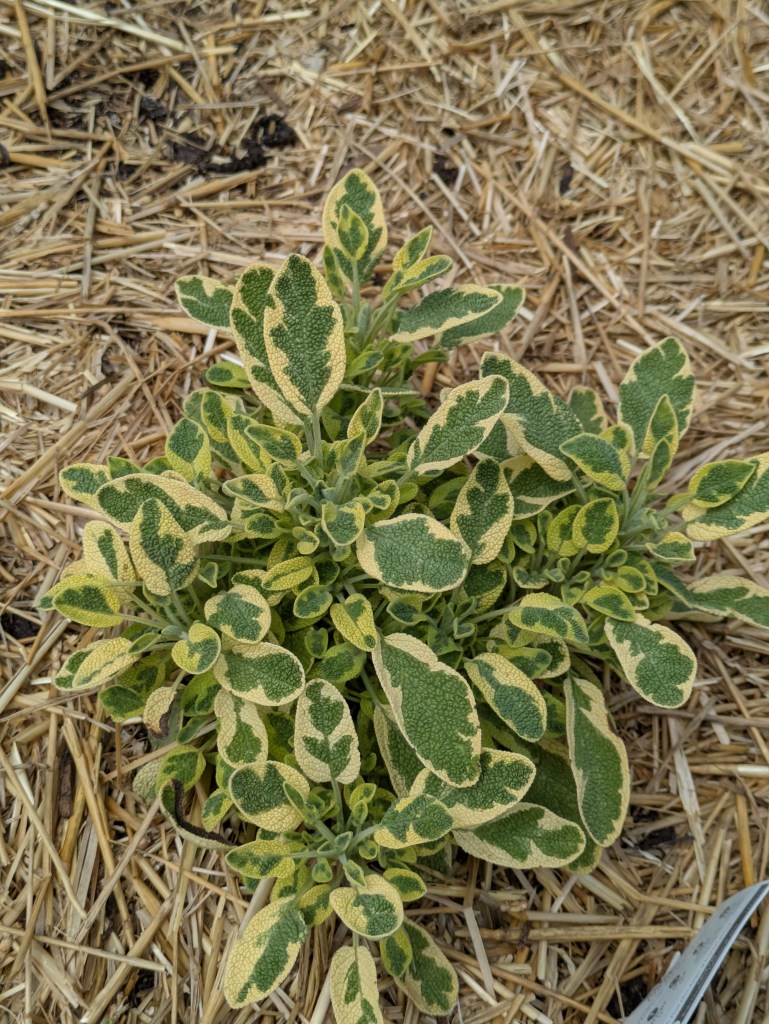
How to Grow Sage Like a Rebel
Sage thrives on neglect—seriously. This Mediterranean native prefers lean, well-drained soil and full sun exposure. If your garden beds are rich and soggy, sage will sulk. Instead, give it a gritty patch with good airflow and let it toughen up. Start with transplants if you want a head start, or direct sow once soil temps hit 60°F. Space plants 18–24 inches apart to avoid fungal drama and encourage bushy growth.
Once established, sage is drought-tolerant and low-maintenance. Water deeply but infrequently—think battlefield hydration, not pampered spa treatment. Prune regularly to prevent woody stems and stimulate fresh leaf production. Bonus tip: pinch off flower buds unless you’re going for pollinator appeal or seed saving. Flowers signal the plant to slow leaf growth, so keep it focused on foliage if you’re harvesting heavy.
💡 Tactical Tips & Tricks:
- Mulch prevents rot and soggy soils
- Grow in containers if your soil is heavy—just don’t overwater.
- Rotate harvest zones on the plant to avoid stressing one area.
- Use companion herbs like thyme and rosemary to create a Mediterranean microclimate and boost pest resistance.
Sage doesn’t just survive—it thrives when treated like the resilient warrior it is. Plant it once, and it’ll serve you for years with flavor, medicine, and garden-wide benefits.
Sage Uses: Beyond the Cauldron
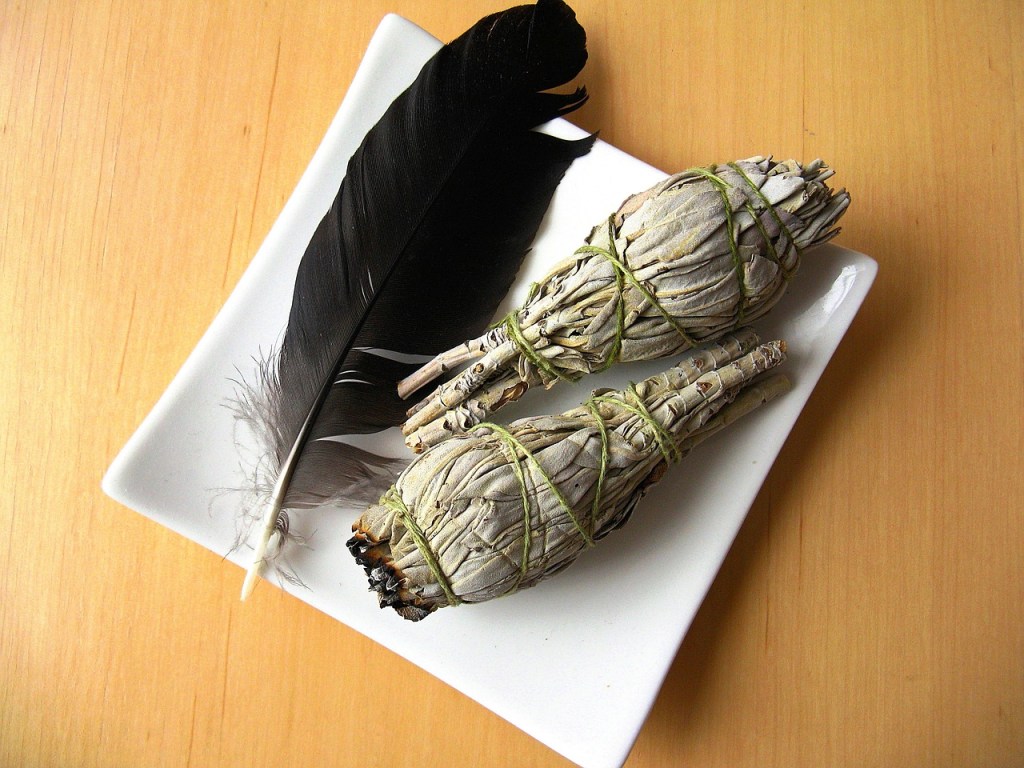
Sage isn’t just for smoke rituals or kitchen witchery—it’s a full-spectrum asset in your garden, pantry, medicine cabinet, and tactical homestead. This resilient herb packs antimicrobial, anti-inflammatory, and antioxidant properties, making it one of the most versatile plants you can grow. Whether you’re searching for the top benefits of sage, how to use sage in the garden, or medicinal uses of sage, this herb delivers on all fronts.
In the kitchen, sage brings bold, earthy flavor to meats, stuffings, soups, and sauces. Fresh leaves offer intense aroma and taste, while dried sage provides shelf-stable firepower for winter meals. You can infuse oils, vinegars, and butters with sage to create long-term flavor bombs that elevate even the simplest dishes. For those looking up “culinary uses for sage,” this herb is a game-changer.
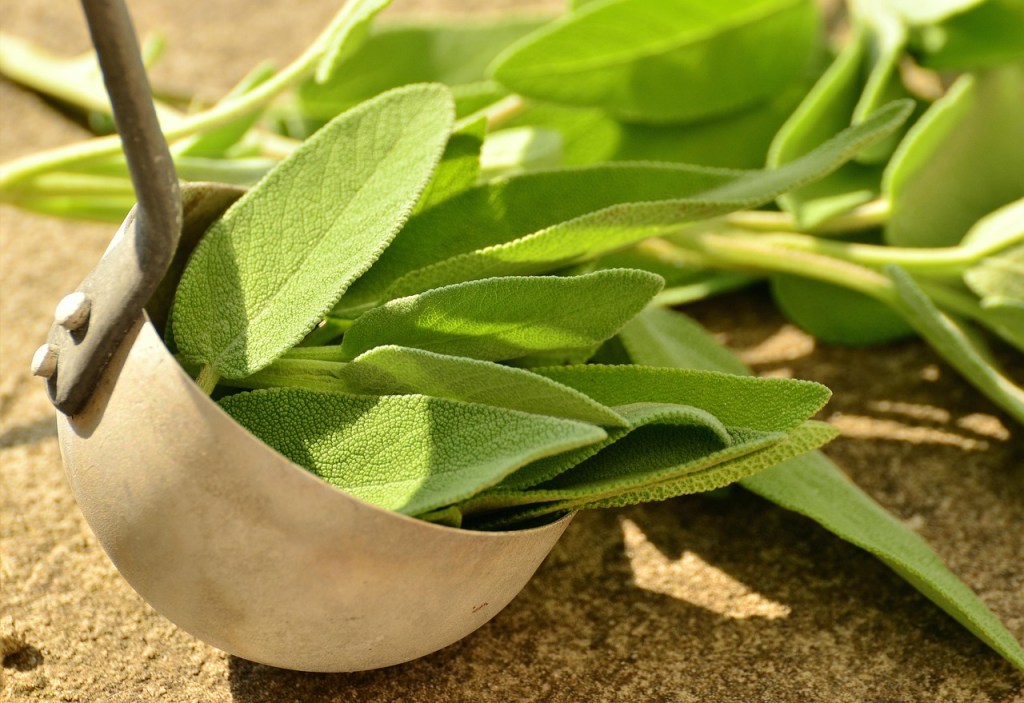
Medicinally, sage is a quiet powerhouse. Brew it into tea for sore throats, digestive support, and mental clarity. Make DIY salves and tinctures to soothe skin irritations and inflammation. Gargling with sage-infused water is like sending in a microbial SWAT team to clear out bacteria and boost oral health. These are just a few of the many herbal medicine uses for sage that make it a must-have in any tactical garden.
Around the house, sage pulls double duty as a natural cleaner and pest repellent. Dried bundles repel moths and freshen drawers. Simmering sage in vinegar creates a potent disinfectant that smells like victory. Add it to homemade soaps or sachets for a scent that’s both calming and tactical. If you’re searching for “natural cleaning with herbs” or “sage for pest control,” this plant earns its stripes.
On the homestead, sage is a strategic ally. Burn it in coops or barns to deter pests and clear the air. Mix dried sage into nesting boxes for microbial defense. Even the smoke can be used as a natural fly repellent during outdoor chores. These practical uses for sage herb go far beyond the cauldron and into real-world resilience.
Harvesting: Cut with Purpose

And for the creative and advocacy-minded, sage has even more to offer. Its leaves yield a soft green dye for fabric or paper. It’s perfect for wreaths, herbal bundles, or classroom kits that teach sensory learning and ecological resilience. Sage is a living example of how one plant can serve food, medicine, and ecosystem strategy—all while looking good doing it.
Harvesting sage is a strategic move, not a casual snip. For peak potency, cut sage leaves in the morning before the plant flowers—this is when essential oils are strongest. Use sharp shears to clip the top growth, leaving the lower leaves intact to keep the plant thriving. Regular harvesting not only boosts flavor but prevents woody stems and encourages fresh growth. If you’re wondering how to harvest sage without killing the plant, the key is rotation: never strip one area bare, and always leave enough foliage for photosynthesis. Dry bundles upside down in a cool, dark place, or freeze chopped sage in olive oil cubes for long-term storage.
Overabundance Recipes: Use It or Lose It
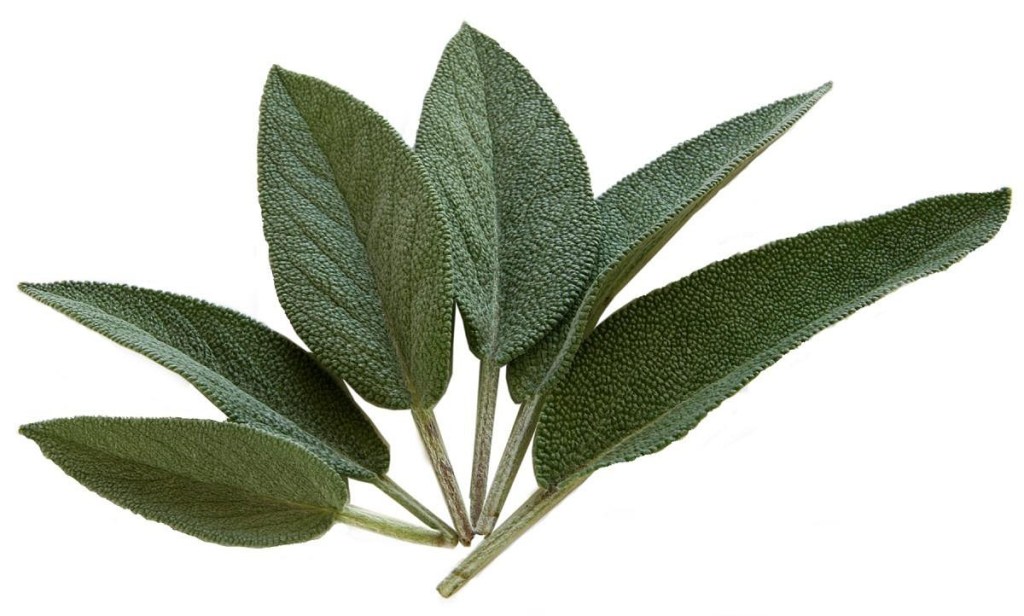
When your sage goes full beast mode and you’re swimming in leaves, it’s time to deploy some quick, tactical recipes. Flash-fry whole sage leaves in olive oil for crispy sage chips—perfect as a garnish or straight-up snack. Mix chopped sage with softened butter and freeze in dollops to create sage butter bombs that elevate roasted veggies, meats, or even toast. For a sweet twist, simmer sage in honey and water to make a syrup that’s ideal for herbal teas, cocktails, or rebellious lemonade. These easy sage recipes are perfect for preserving fresh sage and turning your herbal surplus into pantry gold. Bonus: sage syrup makes a wicked addition to Halloween brews—serve it in smoky glasses with a sprig of fresh sage and a dash of mischief.
Not all sage is created equal—some varieties are bred for flavor, others for flair, and a few for sheer garden dominance. If you’re searching for the best types of sage plants to grow, start with Common Sage (Salvia officinalis). It’s the culinary workhorse: bold, earthy, and packed with essential oils that hold up in drying, freezing, and infusing. For heavy harvests and reliable flavor, this is your frontline herb. Berggarten Sage is a close cousin with broader leaves and zero flowers, making it ideal for cooks who want maximum leaf yield without sacrificing potency.And if you’re brewing up kitchen spells or stocking your apothecary, these two are your go-to familiars.
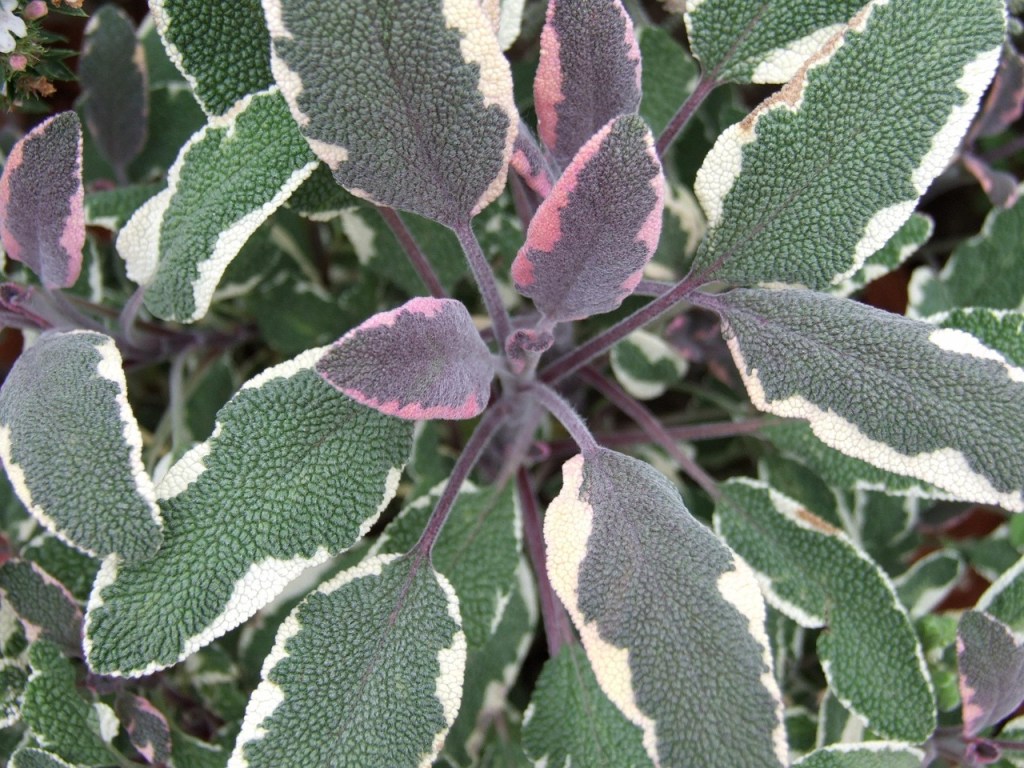
Looking to add visual punch to your rage garden while still keeping it functional? Purple Sage and Golden Sage bring color to the battlefield. Purple Sage offers deep violet foliage that stands out in borders and containers, while Golden Sage’s variegated leaves add contrast and brightness. Both are edible, though slightly milder than Common Sage—perfect for light dishes or herbal teas. If you’re targeting pollinators and sweet aromas, Pineapple Sage (Salvia elegans) is your secret weapon. With bright red flowers and a fruity scent, it’s less about cooking and more about attracting bees, butterflies, and curious neighbors.
️ How to Overwinter Sage and Keep It Battle-Ready
Sage may be tough, but even warriors need backup when winter hits. If you’re searching for how to overwinter sage or protect sage in winter, the strategy depends on your zone. In USDA Zones 5–8, sage is reliably hardy—just mulch around the base with straw, leaves, or pine needles to insulate the roots and prevent frost heave. For colder zones or unpredictable winters, pot your sage and bring it indoors. Place it in a south-facing window with good airflow and minimal watering. Sage hates wet feet, even in hibernation.
If overwintering indoors, prune lightly before the move and check for pests. Keep the soil barely moist and avoid fertilizing until spring. Whether you’re overwintering sage in containers or insulating it in the ground, the goal is survival without stress. Come spring, your sage will bounce back with renewed vigor, ready to flavor your meals, fortify your medicine cabinet, and defend your garden ecosystem.
🧤 Conclusion: Sage Is More Than a Herb; It’s a Strategy
Sage isn’t just a plant—it’s a tactical ally in your rage garden arsenal. From its culinary firepower and medicinal grit to its pest-repelling prowess and pollinator charm, sage earns its place in every resilient garden. Whether you’re harvesting fresh leaves, preserving an overabundance, crafting herbal bouquets, or overwintering for next season’s fight, sage shows up and holds the line. And when the veil thins on Halloween night, sage doubles as a protective charm—burned to banish bad energy, tucked into spell jars, or brewed into teas that sharpen intuition and soothe the spirit.
If you’re looking to grow sage year-round, explore different types of sage plants, or discover new uses for sage beyond cooking, this herb delivers. It’s not just for witches and stuffing—it’s for warriors, educators, and homestead heroes who know that resilience starts in the soil. Plant it once, and it’ll serve you for seasons to come—through harvest moons, frost warnings, and candlelit rituals alike.
#RageGarden #HerbalWisdom #GrowWithGrit #SageMagic #TacticalHerbs
Join the Rage Garden Inner Circle
Where the wise grow stronger, wealthier, and Smarter every season.
For just $10/month, you gain access to:
- Money‑saving homestead strategies that put thousands back in your pocket
- Time‑cutting systems that free up your days and sharpen your skills
- Seasonal guides, rituals, and plant allies you won’t find anywhere else
- Exclusive content crafted for people who refuse to shrink
- First access to new tools, printables, and resources
This is more than a newsletter; it’s power. A place to gather to rise, reclaim, and root deeper into their strength.
Every month you wait is knowledge, time, and money you don’t get back. Step into the circle now and grow wild
All Rights Reserved
Discover more from Anything Agriculture
Subscribe to get the latest posts sent to your email.
