

Plants aren’t just chilling in the sun—they’re working. Hard. Sunlight powers photosynthesis, the process where plants convert light energy into chemical energy. That energy becomes sugars, which fuel everything from root development to fruit production.
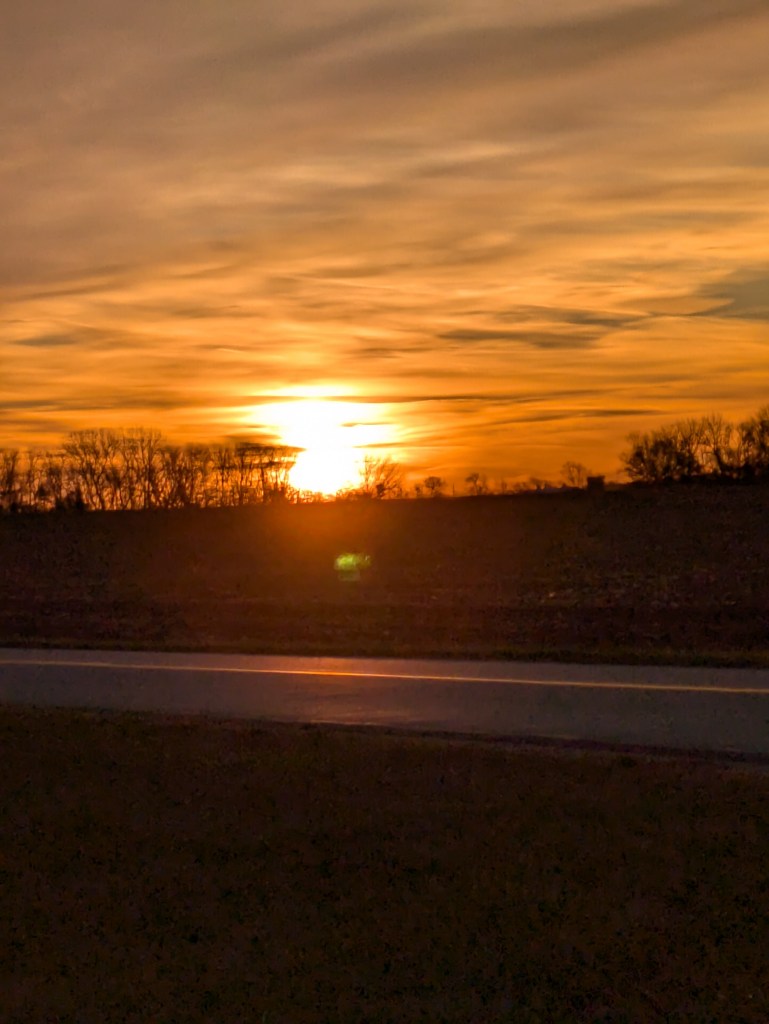
In fall, sunlight doesn’t just fade—it retreats. The Earth tilts, the sun slinks lower in the sky, and suddenly your garden’s powerhouse is running on fumes. That blazing summer arc? Gone. Now we get slanted, diluted rays that barely warm the soil and whisper weak encouragement to struggling plants. Photosynthesis slows. Tomatoes sulk. Peppers pout. And your soil microbes start packing it in for winter. This isn’t just seasonal change—it’s a strategic shift. Rage gardeners know: fall light is a signal to pivot. You ditch the diva crops and lean into the resilient ones—greens, roots, short-day warriors that thrive in the cool, angled light. You don’t mourn the sun—you outsmart it.

Sunlight isn’t optional—it’s the lifeblood of your garden, and when it starts slipping in the fall, everything feels it. Plants don’t just bask—they hustle, converting light into energy through photosynthesis. Cut that supply, and they go limp, leggy, and useless—starving for fuel they can’t make. Sun-loving crops like tomatoes and peppers? They’re divas. They demand 6–8 hours of direct sun just to bloom and fruit. Give them less, and you’ll get a sad parade of empty stems and zero payoff. And it’s not just about light—it’s about heat. Sunlight warms the soil and air, keeping your microbial army active and your roots thriving. But fall brings shorter days and a sun that slouches low in the sky, chilling everything and slowing the whole system down. Then there’s photoperiod sensitivity—some crops are wired to respond to day length. Long-day plants like onions need extended light to trigger bulbs, while short-day warriors like lettuce thrive when the sun clocks out early. Rage gardeners know this isn’t just seasonal change—it’s a tactical shift. You don’t beg for more sun—you adapt, pivot, and plant like you mean it.
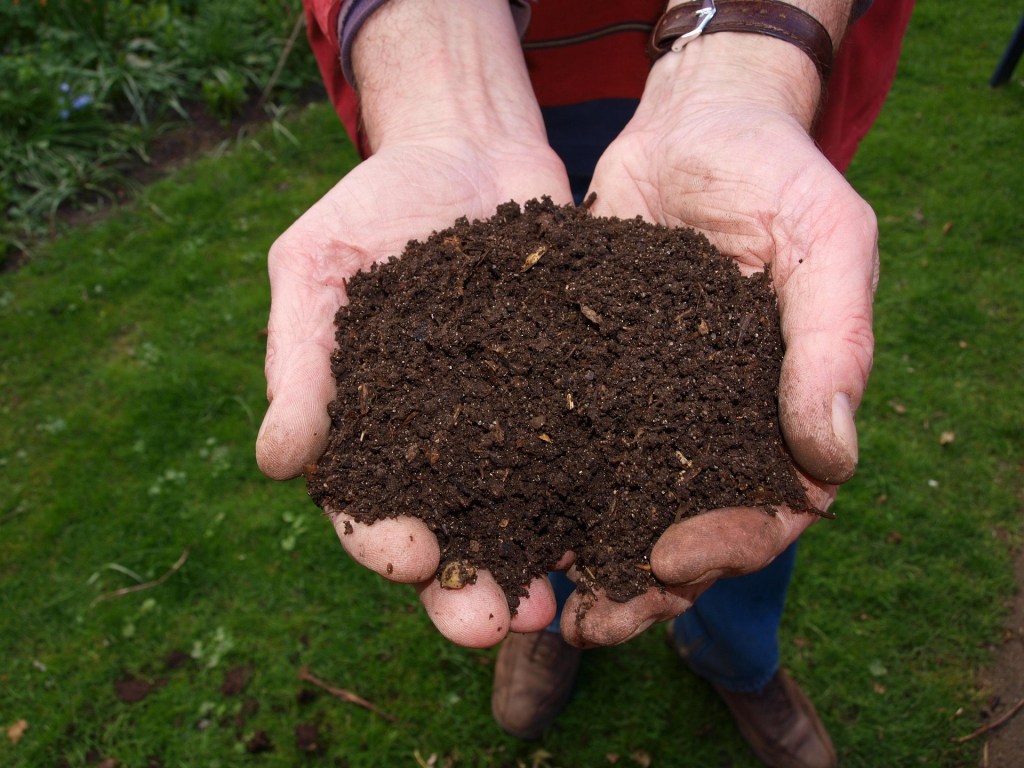
When fall sunlight fades, it’s not just your plants that feel the shift—your soil microbes do too, and they’re the unsung heroes of the rage garden. These microscopic powerhouses thrive in warm, active soil, breaking down organic matter, cycling nutrients, and forming symbiotic relationships with plant roots. But as the sun’s angle drops and daylight hours shrink, the soil cools. Less radiant energy means slower microbial metabolism, reduced nutrient availability, and a general slowdown in soil life. It’s like flipping the garden’s internal engine to low idle.

This matters big-time for fall crops. Cool-season plants like kale and carrots can handle the chill, but they still rely on microbial activity to access nitrogen, phosphorus, and other essentials. Rage gardeners counter the slowdown by feeding the soil—layering compost, mulching to trap warmth, and planting cover crops that keep microbial communities engaged. You’re not just growing plants; you’re managing an underground workforce that responds directly to the sun’s retreat. Fall gardening isn’t passive—it’s tactical. You adapt, you insulate, and you keep those microbes fired up even when the sun won’t cooperate
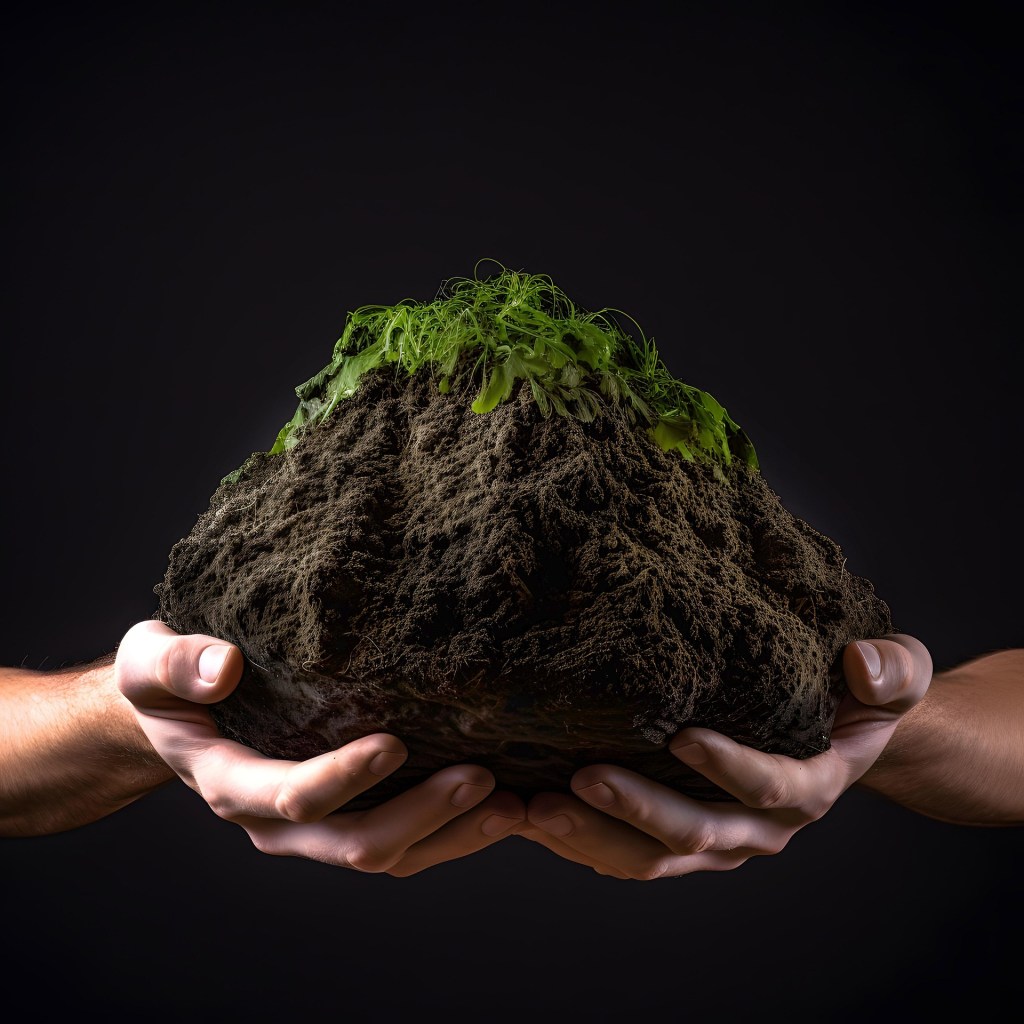
But rage gardeners don’t flinch. We mulch like maniacs to trap heat, feed the soil with compost to keep microbial engines humming, and pivot hard to crops that thrive in low light and cool temps. Brassicas, roots, and leafy greens become your frontline. You’re not gardening for aesthetics—you’re building a resilient, defiant system that laughs in the face of seasonal decay. Fall sunlight may be weak, but your strategy is feral. You don’t mourn the shift—you weaponize it.
So here’s the bottom line: fall sunlight is no longer your garden’s cheerleader—it’s a test of your grit. The angle shifts, the heat drops, and the soil microbes start to slow their roll. But this isn’t the season to retreat—it’s the season to recalibrate. Rage gardening means knowing the science, feeling the shift, and responding with strategy, not sentiment. You mulch, you compost, you pivot to crops that thrive in the shadows. You don’t chase summer’s glory—you build resilience in its wake. Fall sunlight may wane, but your garden doesn’t have to. It evolves. It endures. It fights back.
Join the Rage Garden Inner Circle
Where the wise grow stronger, wealthier, and Smarter every season.
For just $10/month, you gain access to:
- Money‑saving homestead strategies that put thousands back in your pocket
- Time‑cutting systems that free up your days and sharpen your skills
- Seasonal guides, rituals, and plant allies you won’t find anywhere else
- Exclusive content crafted for people who refuse to shrink
- First access to new tools, printables, and resources
This is more than a newsletter; it’s power. A place to gather to rise, reclaim, and root deeper into their strength.
Every month you wait is knowledge, time, and money you don’t get back. Step into the circle now and grow wild
All Rights Reserved
Discover more from Anything Agriculture
Subscribe to get the latest posts sent to your email.
