
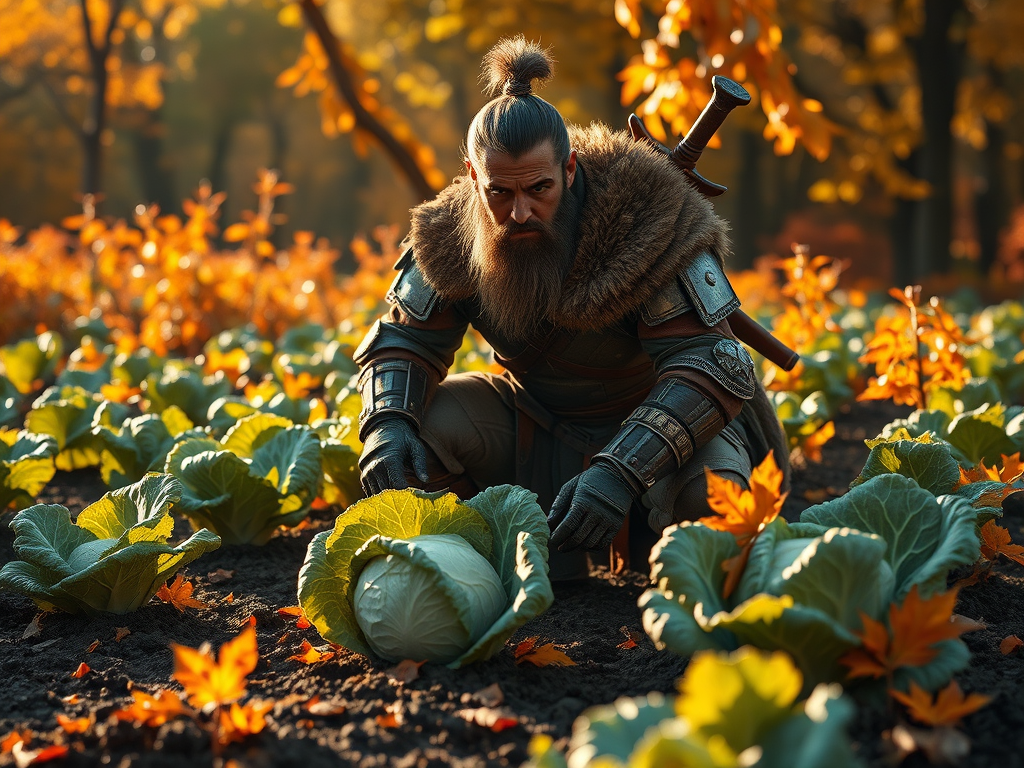
Who decided summer was the only season for growing food? Probably the same people who think a pristine lawn is a personality. But here’s the truth: fall gardens are fierce. They yield like champs, laugh in the face of pests, and demand less water while giving you more back.
The catch? Winter’s lurking. Frosts creep in. Sunlight fades. But that’s not a reason to quit—it’s a reason to get strategic.
This is where the rage garden thrives. You don’t wait for perfect conditions. You adapt. You mulch like it’s armor. You build cold frames from salvaged windows. You plant spinach that sweetens in frost and carrots that dig deep like rebels.
Fall gardening isn’t a compromise—it’s a declaration. It says: I grow food when others give up. I plan for frost like a tactician. I harvest in November while the lawn next door turns to mush.
So grab your trowel. Plant with purpose. And remember: the garden doesn’t care what season it is—it only cares if you show up ready to fight for it. This isn’t just gardening. It’s rebellion. It’s self-sufficiency.They’re a strategic move in the fight for food sovereignty. And they’re a slap in the face to the idea that green lawns are the pinnacle of suburban pride.
It’s a middle finger to monoculture.
What to Plant in Indiana’s Fall Garden
Fall gardening in Indiana (Zones 5b–6a) is all about cool-season crops that mature quickly and can handle a light frost. Here’s your rage-worthy lineup:
- Leafy Greens: Spinach, kale, arugula, mustard greens, and Swiss chard. These are nutrient-packed and frost-tolerant.
- Root Vegetables: Radishes, turnips, beets, and carrots. Plant them early enough to mature before hard frost.
- Brassicas: Broccoli, cauliflower, cabbage, and Brussels sprouts. Start these indoors in late July and transplant by mid-August.
- Alliums: Garlic goes in the ground in October for a summer harvest. Onions can be overwintered with the right protection.
- Peas: Fall peas? Yes. Plant in late August for a quick crop before frost.
Tips to Extend the Season Like a Gardening Guerrilla
Indiana’s first frost usually hits in early October, but you don’t have to surrender your harvest. Here’s how to push the limits:
- Row Covers & Frost Blankets: Lightweight fabric shields crops from frost and wind. Use hoops or stakes to keep them off the leaves.
- Cold Frames: Build a simple box with a clear lid (old windows work great). It traps heat and lets you grow greens into December.
- Mulch Like You Mean It: Straw, leaves, or wood chips insulate soil and roots. Mulch carrots and beets heavily to harvest into winter.
- Low Tunnels: PVC hoops + greenhouse plastic = budget greenhouse. Great for spinach, kale, and lettuce.
- Succession Planting: Sow short-season crops like radishes and lettuce every 2–3 weeks to keep the harvest rolling.
Drama Queens need not apply.
Let’s get one thing straight: tomatoes and peppers are drama queens. They demand heat, bask in long summer days, and throw tantrums at the first sign of frost. So when fall rolls in with its crisp air and shorter daylight hours, these sun-hungry divas start sulking—and your garden pays the price.
In the Rage Garden, we don’t coddle crops that can’t handle a little adversity. Fall is for the fighters: the frost-kissed greens, the root rebels, the brassica battalion. Tomatoes and peppers? They’re summer’s spoiled royalty, not autumn’s workhorses. They sulk in cool soil, stall in growth, and collapse when the temperature dips below 40°F. You want resilience? You won’t find it in a fruit that bruises at a breeze.
So ditch the delicate. Rip out the needy. And plant with purpose. Because fall gardening isn’t about nostalgia—it’s about sovereignty. And tomatoes and peppers? They’re not invited to this revolution.
Frost-Tolerant Fall Vegetables Cheat Sheet
For Indiana Gardeners (Zones 5b–6a) Because your lawn isn’t worth it—but your garden is.
Leafy Greens (Sweeten After Frost)
- Kale – Thrives in snow; harvest into winter
- Spinach – Cold-hardy and sweeter after frost
- Swiss Chard – Colorful, resilient, less hardy than kale
- Arugula – Spicy and frost-tolerant
- Mustard Greens – Bold flavor, handles chill well
Root Vegetables (Mulch to Extend Harvest)
- Carrots – Frost enhances sweetness
- Beets – Hardy; edible tops too
- Turnips – Fast-growing and frost-tough
- Radishes – Quick crop for fall
- Parsnips – Best flavor after freeze
Brassicas (Cold-Loving Powerhouses)
- Broccoli – Light frost-tolerant; cover to extend
- Cabbage – Dense heads withstand cold
- Brussels Sprouts – Thrive in frost; sweeter after chill
- Cauliflower – Needs protection but tolerates light frost
Alliums (Plant Now, Harvest Later)
- Garlic – Plant in October for summer harvest
- Onions (sets) – Overwinter with mulch
Cold-Hardy Herbs
- Parsley – Survives frost; great for fall
- Thyme – Evergreen in mild winters
- Sage – Woody stems help it endure
- Chives – Die back, return strong in spring
Season Extension Tips
- Row Covers – Shield crops from frost and wind
- Cold Frames – Trap heat for greens into December
- Mulch Deeply – Insulate soil and roots
- Low Tunnels – PVC hoops + plastic = budget greenhouse
- Succession Planting – Sow every 2–3 weeks for continuous harvest
Fall gardening isn’t a compromise—it’s a declaration. It’s choosing resilience over aesthetics, nourishment over nostalgia, and action over apathy. While tomatoes and peppers whimper in the cold, your kale stands tall. Your garlic digs in. Your carrots sweeten with frost. This is not the season for fragile crops or fragile thinking.Join the Rage Garden Inner Circle
Where the wise grow stronger, wealthier, and Smarter every season.
For just $10/month, you gain access to:
- Money‑saving homestead strategies that put thousands back in your pocket
- Time‑cutting systems that free up your days and sharpen your skills
- Seasonal guides, rituals, and plant allies you won’t find anywhere else
- Exclusive content crafted for people who refuse to shrink
- First access to new tools, printables, and resources
This is more than a newsletter; it’s power. A place to gather to rise, reclaim, and root deeper into their strength.
Every month you wait is knowledge, time, and money you don’t get back. Step into the circle now and grow wild
All Rights Reserved
Discover more from Anything Agriculture
Subscribe to get the latest posts sent to your email.
