
Article contains affiliate links
Raising chickens has always been a blend of knowledge passed down through generations and adapting to new innovations. While age-old practices—like understanding flock behavior, managing deep litter bedding, and ensuring quality feed—are the foundation of good poultry care, modern technology offers tools that make life easier without compromising traditional wisdom.
Automation, such as timed coop doors, smart feeders, and climate control systems, allows chicken keepers to maintain consistency and security for their birds, even when life gets busy. At the same time, techniques like rotational grazing, composting manure for natural fertilizer, and hand-checking for signs of illness ensure the personal touch remains central to raising a thriving flock.
By blending the best of both worlds—technological efficiency and hands-on care—chicken owners can create an environment where their birds not only survive but truly thrive. Whether you’re a seasoned poultry keeper or just starting out, integrating smart solutions with traditional methods ensures happy, healthy chickens while streamlining your daily routine.
Saves Time—No More Rushing Outside Early or Late

Manually opening and closing the coop door every morning and evening is a chore that can disrupt your daily routine. With an automatic door, those precious minutes each day add up to hours saved over weeks and months. Whether you’re running late for work, relaxing in the evening, or simply enjoying a weekend away, automation ensures your flock is secure without you having to rush outside in all weather conditions.
Keeps Predators Out—Doors Close Securely on Schedule

Predators are persistent and opportunistic. It takes only one forgotten night to leave your chickens vulnerable to raccoons, foxes, possums, and even stray dogs. Automated doors close at the same time every evening, eliminating human error and providing consistent protection. Some models even feature reinforced materials or locking mechanisms to prevent predators from prying them open, ensuring the safety of your flock.
Gives Flexibility—No Worries If Chores Take Longer
Farm life and household tasks are unpredictable—sometimes feeding animals, fixing equipment, or tending to crops takes longer than expected. With an automated door, you don’t have to stress about getting back to your coop on time. Whether you’re delayed by an emergency or simply enjoying a peaceful moment, your chickens remain secure, and their routine stays intact.
Prevents Missed Openings—Reliable Even When You’re Away
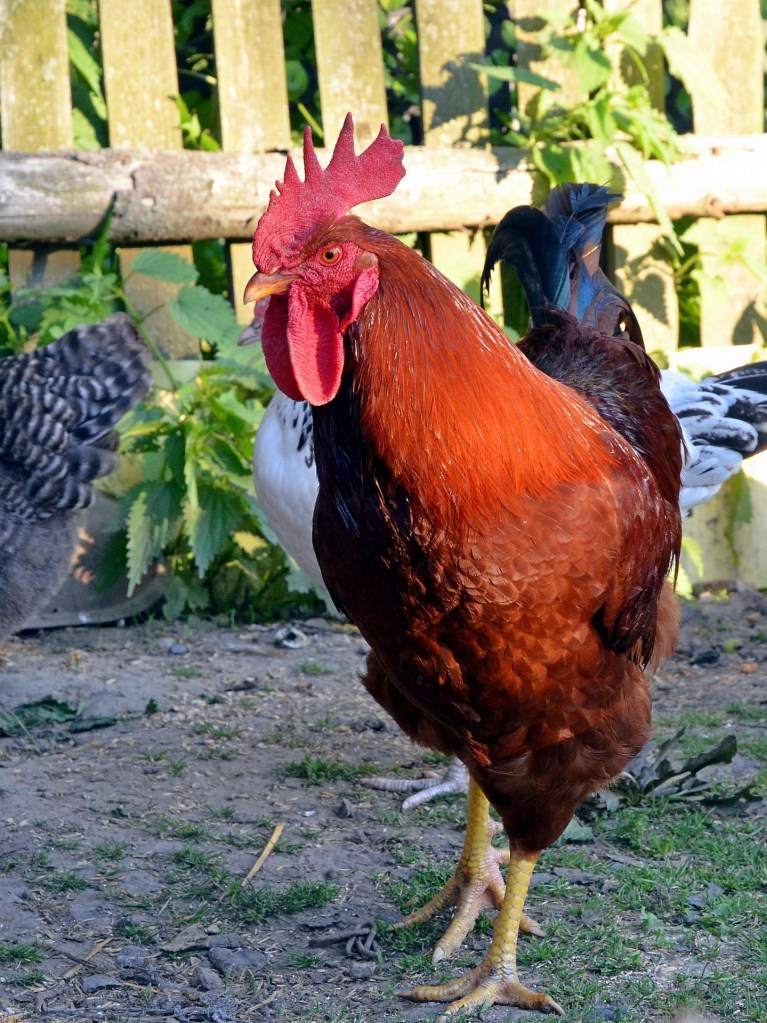
Traveling, working late, or even sleeping in shouldn’t compromise your flock’s well-being. Automatic doors ensure that your chickens get fresh air and access to the outdoors at the right times, even if you’re unable to open the door manually. Some systems can even be controlled remotely via an app, allowing you to check and adjust settings while you’re away. This was necessary when my kids had sports and after school activities that would have us getting home late.
Extra Automation Ideas for Poultry Care:
Automating chicken flock chores can save time, improve efficiency, and ensure your birds are well cared for even when you’re busy. Here are some key automation strategies:
Automatic Coop Doors: Install a timed or light-sensitive automatic door to open and close at sunrise and sunset. This keeps your flock safe from predators and eliminates the need for manual opening and closing.

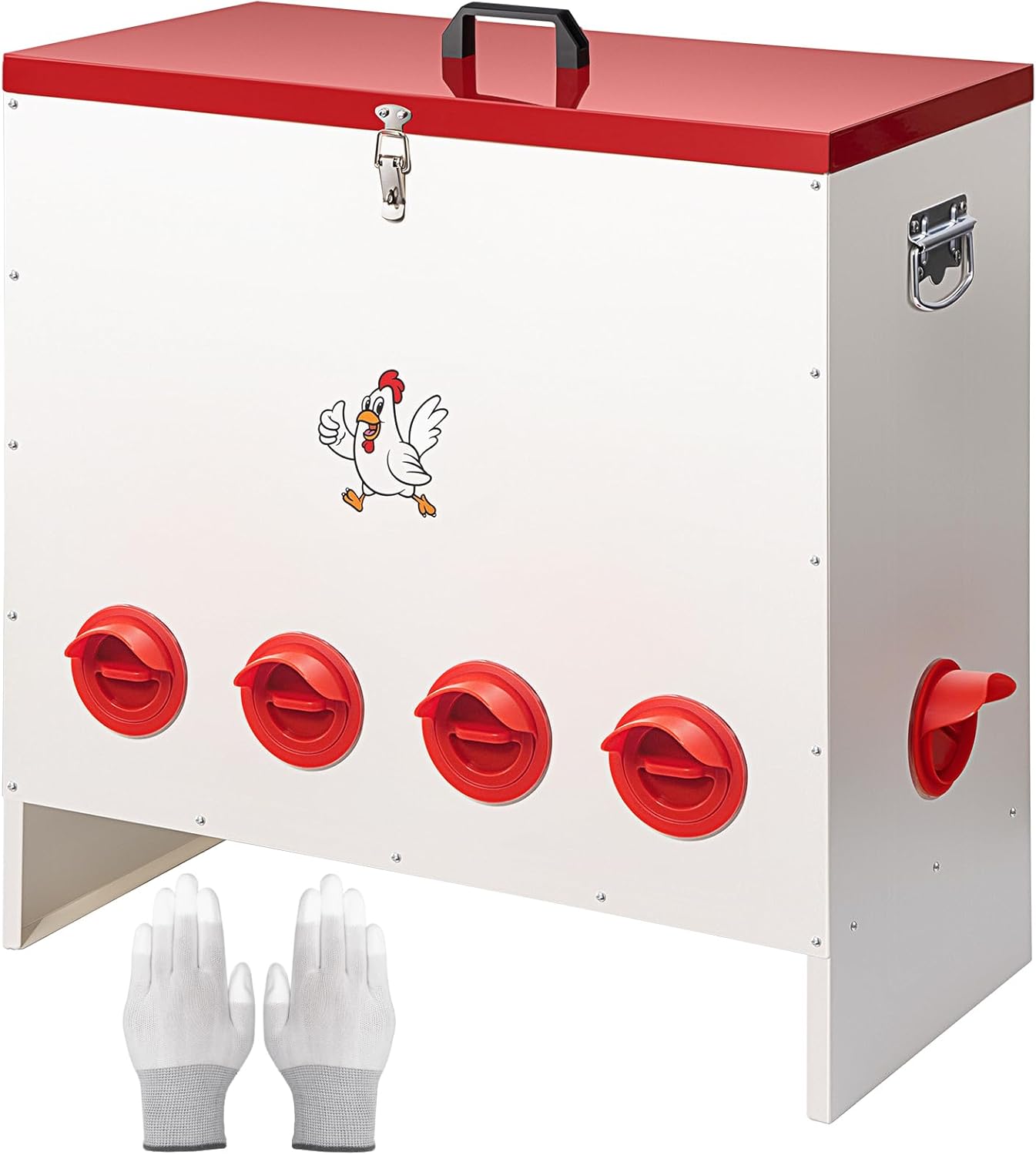
Automated Feeders: Use gravity-fed or timed feeders to ensure a consistent food supply. Some smart feeders even allow remote monitoring and control via apps .
Automatic Waterers: Set up nipple or cup-style waterers connected to a reservoir or direct water line. This keeps water clean and reduces the need for frequent refills.

Motion-Sensor Lights: Install solar-powered motion-sensor lights around the coop to deter nighttime predators.

Electric fences: An electric fence or poultry netting provides a strong barrier against predators, ensuring chickens remain safely enclosed while also deterring unwanted intruders with a mild shock or sturdy mesh structure.
Climate Control Systems

For a small flock, climate control can be implemented efficiently with a few simple upgrades. A smart thermostat can regulate heat lamps or coop-safe heaters, ensuring a stable temperature without constant manual adjustments. Choosing energy-efficient heating sources, such as radiant heat panels or ceramic emitters, can provide warmth while minimizing fire risks. Proper ventilation is just as important, and installing adjustable vents or solar-powered fans can maintain fresh airflow, preventing moisture buildup and respiratory issues. Positioning intake and exhaust vents strategically will allow air circulation without direct drafts on your birds. To keep track of temperature fluctuations, remote sensors can alert you if conditions become too hot or cold. In colder months, insulation techniques like using straw bales around the coop help retain heat naturally. For hot weather, shade structures and evaporative cooling methods, such as misting systems, ensure a comfortable environment. Automatic vent openers that react to temperature changes can efficiently regulate airflow, keeping the coop well-ventilated throughout the day. By integrating these smart solutions with simple airflow management techniques, small flock owners can create a stable and healthy climate without investing in expensive infrastructure.
Effortless Coop Maintenance & Healthier Birds with the Deep Litter Method
The deep litter method is a smart, time-saving approach to managing chicken coop bedding. Instead of frequent cleanouts, this system allows bedding to gradually decompose, reducing labor while creating a naturally insulated environment. As chickens scratch and turn the bedding, waste is mixed in and broken down by beneficial microbes, keeping odors under control and minimizing the risk of harmful bacteria. This not only cuts down cleaning time but also enhances flock health by promoting stronger immune systems and reducing parasite issues.
By embracing this low-maintenance method, chicken keepers can enjoy more time for other farm chores while ensuring their birds thrive in a warm, composting environment that supports overall well-being.
The deep litter method is a sustainable and low-maintenance way to manage bedding in your chicken coop. Instead of frequently cleaning out waste, this method allows bedding material—such as pine shavings, straw, or paper—to accumulate and decompose over time, creating a natural compost-like environment.
How It Works
- Start with a clean coop—Lay down a thick base of carbon-rich bedding.
- Let chickens do the work—As they scratch and turn the bedding, waste mixes in and begins to break down.
- Add fresh bedding regularly—Layer new material on top to maintain cleanliness and control odors.
- Monitor moisture levels—Keep bedding dry to prevent ammonia buildup and ensure proper decomposition.
- Clean out periodically—Once or twice a year, remove the deep litter and use it as nutrient-rich compost for gardens.
Benefits
Reduces cleaning frequency—Instead of weekly cleanouts, you only need to refresh bedding occasionally.
Creates natural insulation—The decomposing material generates warmth, keeping chickens comfortable in colder months.
Improves flock health—Beneficial microbes help prevent disease and parasites.
Produces excellent compost—The final product is a rich, organic fertilizer for gardens.
Reduces unpleasant smells. by add more bedding frequently the waste is absorbed or dried out before bacteria can start growing.
Cleaning the Coop
- Remove all bedding and waste—Scrape out old straw, shavings, and manure.
- Scrub surfaces—Use a mixture of vinegar and water or a mild disinfectant to clean walls, roosts, and nesting boxes.
- Let it dry—Ensure the coop is completely dry before adding fresh bedding to prevent mold and bacteria growth.
- Replace bedding—Use fresh straw, pine shavings, or other absorbent materials to keep the coop clean and comfortable.
Composting Chicken Manure
Chicken manure is rich in nitrogen, making it an excellent fertilizer—but it must be composted properly to avoid burning plants.
Mix with carbon-rich materials—Balance the high nitrogen content of manure with carbon sources like straw, leaves, or sawdust. The ideal carbon-to-nitrogen ratio is 25–30:1.
The carbon-to-nitrogen (C:N) ratio is crucial for soil health, composting, and plant growth because it determines how efficiently organic matter decomposes and releases nutrients.
Why It’s Important
- Microbial Balance: Soil microbes need both carbon (for energy) and nitrogen (for protein synthesis). A balanced C:N ratio ensures they thrive and break down organic matter effectively.
- Nutrient Cycling: If the ratio is too high (too much carbon), microbes consume available nitrogen, making it temporarily unavailable to plants. If it’s too low (too much nitrogen), decomposition happens too fast, leading to nitrogen loss through leaching.
- Compost Efficiency: Properly balanced compost (around 25–30:1) decomposes at an optimal rate, producing rich, stable organic matter for soil improvement.
How It Works
- High C:N Ratio (>30:1): Found in materials like straw, sawdust, and wood chips. These break down slowly and can temporarily tie up nitrogen, delaying plant availability.
- Balanced C:N Ratio (20:1–25:1): Ideal for composting and soil amendments, supporting microbial activity and nutrient release.
- Low C:N Ratio (<15:1): Found in nitrogen-rich materials like manure and food waste. These decompose quickly and may lead to excessive nitrogen release, potentially harming plants.
Maintaining the right C:N ratio ensures healthy soil, efficient composting, and sustainable plant growth.
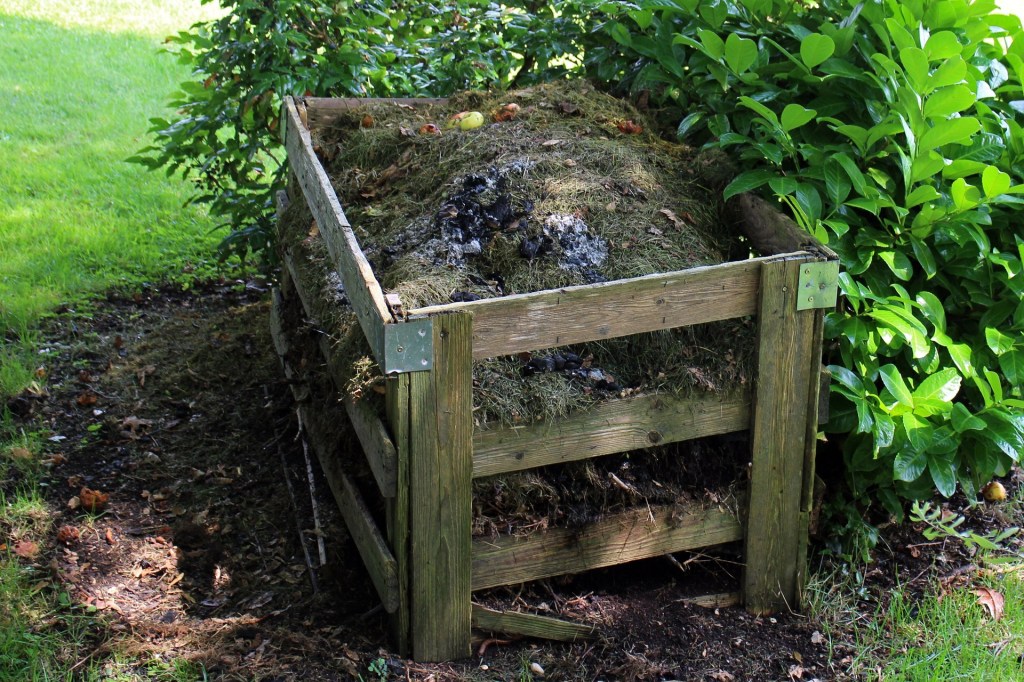
Build a compost pile—Create a pile at least 3’ x 3’ x 3’ to retain heat and encourage decomposition. It will probably larger if you have animal waste you are compost
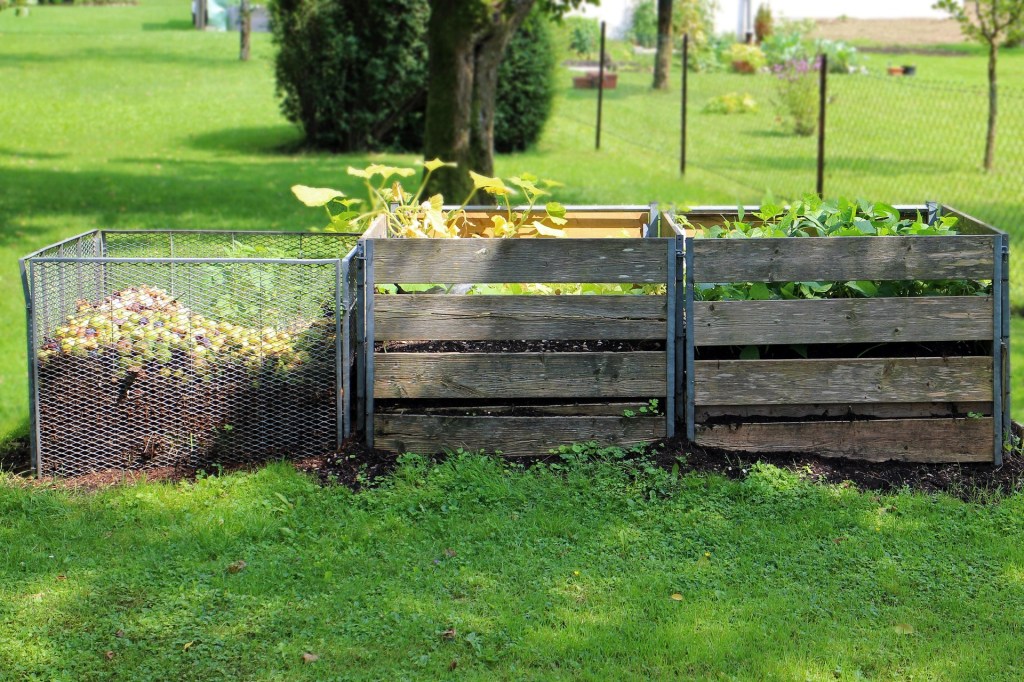
- Turn the pile regularly—Aerate the compost every few weeks to speed up breakdown and prevent odors.
- Let it age—Chicken manure should compost for at least a year to ensure pathogens are eliminated and nutrients stabilize. Using fresh chicken manure on your garden can nitrogen burn your plants.
- Check moisture levels—The pile should feel like a wrung-out sponge—not too wet or too dry.
Using Composted Chicken Manure
Once fully composted, chicken manure becomes a nutrient-rich soil amendment. Apply a ½-inch layer to garden beds and mix it into the soil before planting. It’s especially beneficial for heavy feeders like tomatoes, corn, and squash.
Conclusion: Merging Innovation with Tradition for Thriving Chickens
Raising chickens is an evolving craft, where time-tested methods meet modern solutions to create a balanced, efficient, and enjoyable experience. While automation keeps things running smoothly—ensuring your flock is fed, watered, and secured—hands-on care remains just as essential. Observing your birds, adjusting their environment, and applying traditional techniques alongside new technology fosters a healthier, happier flock.
By embracing both old-school wisdom and smart innovations, chicken keepers can simplify daily chores without sacrificing the personal connection that makes raising chickens so rewarding. The goal isn’t just convenience—it’s creating a thriving environment where your flock can flourish. Whether it’s automated doors or the deep litter method, the best approach is one that blends practicality with care, making life easier while keeping your chickens safe, happy, and healthy.All Rights Reserved
Join the Rage Garden Inner Circle
Where the wise grow stronger, wealthier, and Smarter every season.
For just $10/month, you gain access to:
- Money‑saving homestead strategies that put thousands back in your pocket
- Time‑cutting systems that free up your days and sharpen your skills
- Seasonal guides, rituals, and plant allies you won’t find anywhere else
- Exclusive content crafted for people who refuse to shrink
- First access to new tools, printables, and resources
This is more than a newsletter; it’s power. A place to gather to rise, reclaim, and root deeper into their strength.
Every month you wait is knowledge, time, and money you don’t get back. Step into the circle now and grow wild
All Rights Reserved
Discover more from Anything Agriculture
Subscribe to get the latest posts sent to your email.
