

Alright, let’s channel all the Rage it to no-nonsense, take-no-prisoners, rage-gardening energy and break down how to build raised beds that will not only supercharge your garden but also make sure you’re not crawling on the ground fighting weeds every day. No fluff, just facts.
Why Raised Beds Are a Must-Have
Raised beds are like putting your garden on steroids—but in a controlled, eco-conscious way. They eliminate nonsense like poor drainage, back-breaking labor, and relentless weeds. They give you total control over your soil quality, reduce pest invasions, and extend your growing season. Whether you’re tired of fighting compacted clay or dealing with invasive weeds trying to take over, raised beds let you say “not today” and build the perfect gardening setup.
How to Build Raised Beds
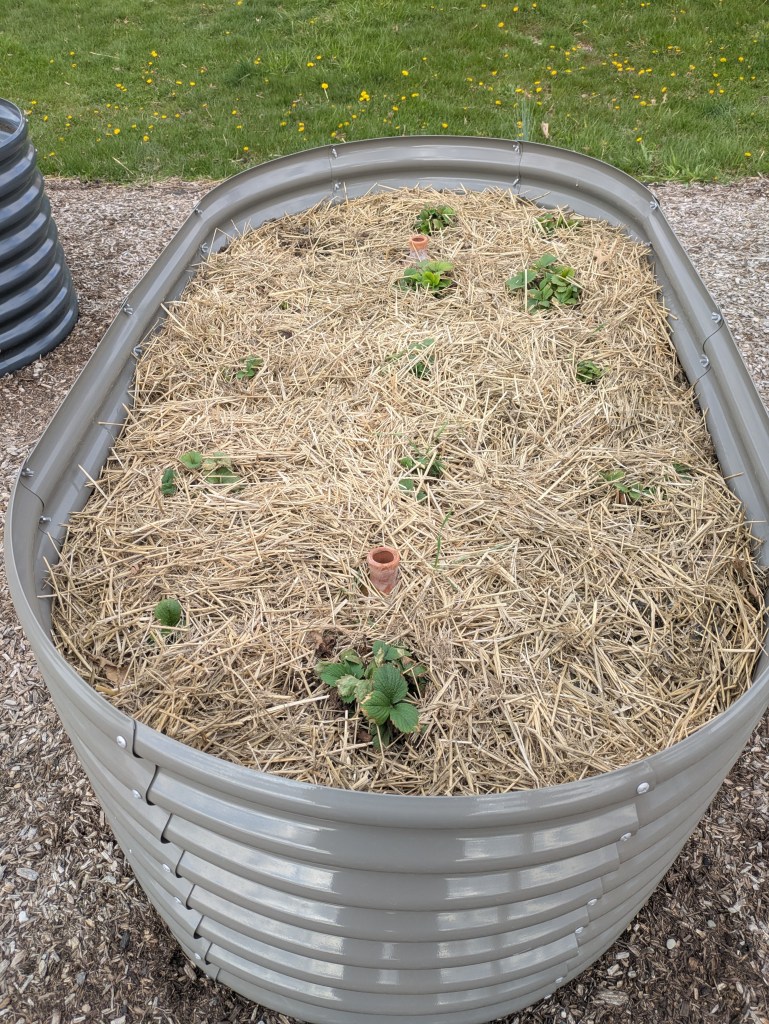
This isn’t some flimsy decorative Pinterest project. We’re talking about REAL raised beds built to last, withstand weather, and actually improve your gardening results. Here’s exactly how to make them:
1. Choosing the Right Materials
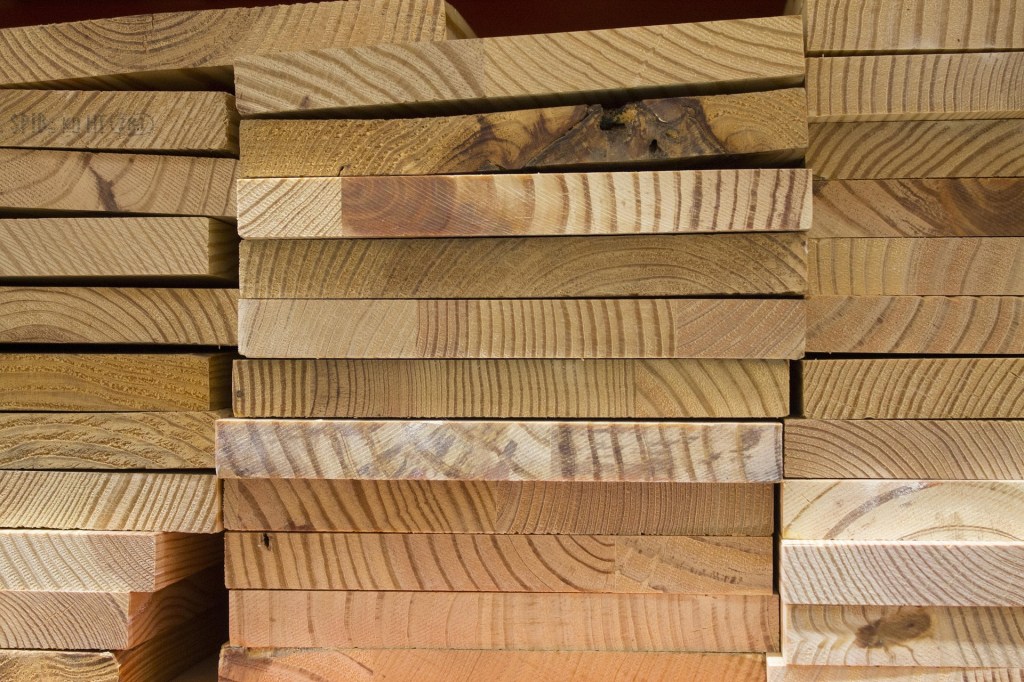
Wood (Best Option for Durability & Cost)
Cedar or Redwood: Naturally rot-resistant and lasts years without chemicals.
Douglas Fir or Pine: More affordable, but needs sealing to prevent rot.
Pressure-Treated Wood: Long-lasting, but avoid it for vegetable gardens due to potential chemical leaching.
Metal (For Industrial Strength)
Corrugated Steel or Galvanized Metal: Rust-resistant and excellent for drainage.
Aluminum or Composite Panels: Lighter but still strong.
Concrete Blocks or Bricks (For Indestructible Beds)
Cinder blocks: Can leach alkaline minerals into soil, but great for durability.
Bricks: Permanent but require strong soil prep underneath.
Upcycled Materials (Cheap & Effective)
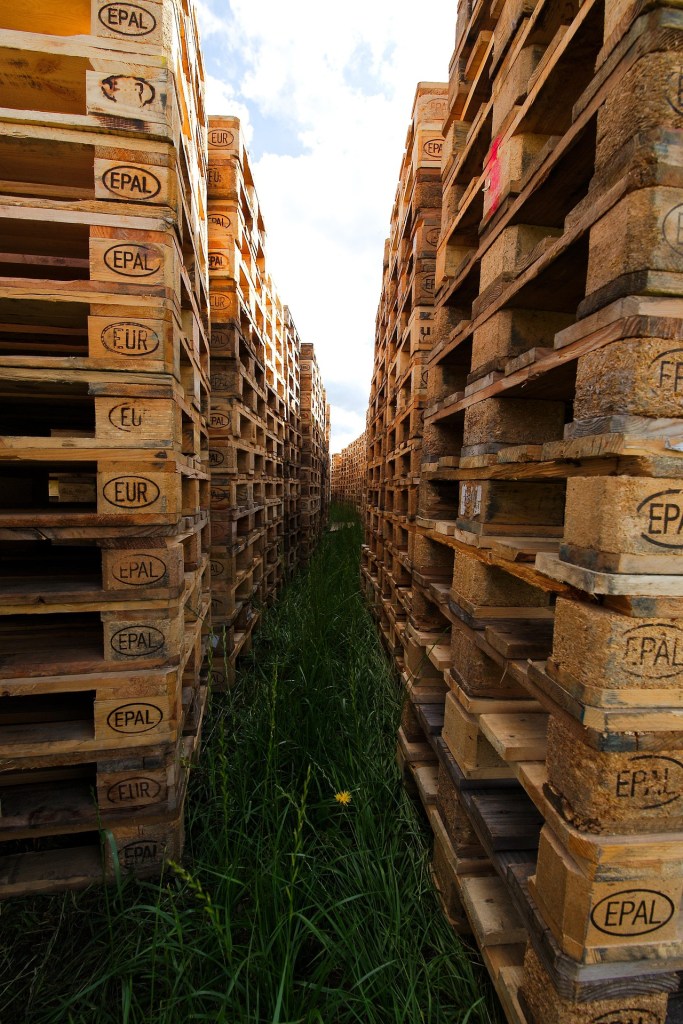
Old lumber, logs, or railroad ties (only untreated ones).
Recycled plastic boards that resist rot from old decks being removed.
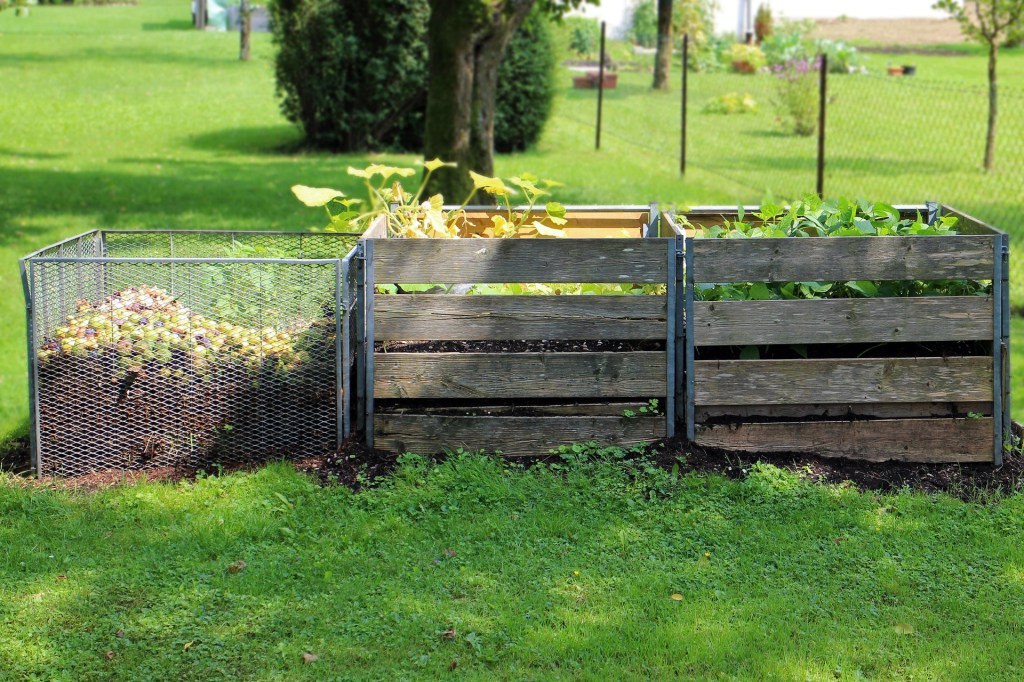
I made my raised beds out of old pallet wood we got for free. I know they won’t last as long but they were free.
2. Optimal Bed Dimensions
- Height: Minimum 12–18 inches to allow deep root growth.
- Width: Maximum 4 feet (any wider and you’ll struggle to reach the center). I made this mistake. It’s a royal pain in the butt to get to the center of an 8×8 garden bed.
- Length: Up to 8 feet before needing middle support beams.
3. Weed & Pest Protection
- Lining the Bottom: Use cardboard, landscape fabric, or hardware cloth to stop weeds and burrowing pests.
- Mulching: Wood chips, straw, or shredded leaves help suppress weeds and regulate moisture.
- Avoid Invaders: Keep slug-prone beds away from overly damp areas, and consider installing copper tape to keep them out.
4. Soil Composition (Forget That Garbage In Your Backyard)
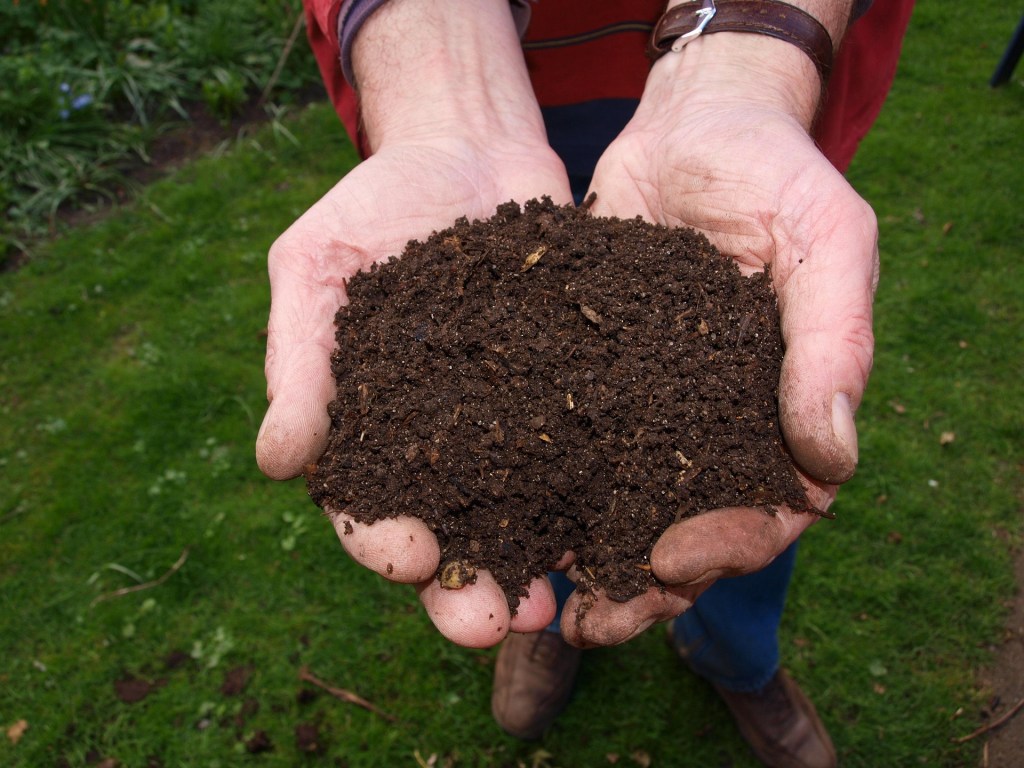
- Perfect Mix for Maximum Growth
- 40% Topsoil (Quality, not compacted junk)
- 40% Compost (Manure, kitchen scraps, plant-based compost)
- 20% Aerators (Perlite, vermiculite, sand, or shredded leaves)
- Is this the only way? No, but it is the ideal. Sometime you have to work at getting the best soil.
- Boosting Drainage
- Avoid compacted soil by mixing in organic matter like peat moss, or composted pine bark.
- Raise beds with gravel underneath for extra drainage control. Helpful if there is a lot of surface water after rain storms.
5. Long-Term Maintenance & Protection
- Annual Soil Refresh: Add fresh compost and aerate soil every season.
- Season Extension Tools: Install hoop houses, row covers, or cold frames for winter growing.
- Watering Setup: Drip irrigation or soaker hoses save time and prevent soil erosion.
Let’s rip through the biggest problems with raised beds and how to obliterate them so your garden doesn’t turn into an exhausting mess.
1. Soil Dries Out Too Fast – STOP WATERING CONSTANTLY

THE PROBLEM: Raised beds drain fast—too fast. Plants dry out, and suddenly, you’re running around every morning with a hose like your life depends on it. UNACCEPTABLE. 🔥
THE FIX: MULCH LIKE YOU MEAN IT. Dump straw, wood chips, shredded leaves, or whatever organic matter you have on that soil. It traps moisture and stops evaporation. ✅
INSTALL A DRIP SYSTEM. A simple soaker hose or drip irrigation means set it and forget it watering. BUILD SOIL WITH WATER RETENTION. Mix in compost, peat moss, or coconut coir to hold water without making a swamp.
2. Poor Drainage – ROTTING ROOTS AREN’T A VIBE
THE PROBLEM: Overwatering or heavy rain turns raised beds into mini lakes. Root rot sets in, plants die. You’re furious. 🔥
THE FIX: GET THE RIGHT SOIL MIX. Raised beds aren’t dumping grounds for garbage dirt. Blend 40% topsoil, 40% compost, 20% sand or perlite for max drainage. It may take some time to fix your soil but it is worth it.
RAISE IT HIGHER. If water pools, add more soil and build up—flat beds collect water. Think MOUNTAINS, not PUDDLES. Most garden plants don’t like wet roots. Raise them out of the water.
GRAVEL LAYER AT THE BOTTOM. Works like a charm if your area gets heavy rain or clay-heavy dirt.
3. Weeds Invading – DESTROY THEM AT THE SOURCE

THE PROBLEM: You didn’t line the bottom? Guess what—weeds saw an opportunity and took over. Lazy, useless weeds choking your plants. 🔥
THE FIX: LINE THE BOTTOM. Cardboard, landscape fabric, or hardware cloth will SHUT DOWN weeds and critters trying to sneak in from below.
MULCH AGAIN. A thick organic mulch barrier means weeds CAN’T BREAK THROUGH.
YANK THEM EARLY, SHOW NO MERCY. Pull weeds as soon as they pop up. Don’t let them spread.
4. Too Expensive – BUILD SMART, NOT BROKE

THE PROBLEM: Premium wood, metal, fancy kits—they cost a fortune. But gardening doesn’t have to drain your bank account. 🔥
THE FIX: ✅ USE FREE & CHEAP MATERIALS. Recycled lumber, untreated pallets, old bricks, concrete blocks—work with what you have! Be resourceful. Be creative. Mother nature is an opportunist. She is not worried about how it looks, just that if she can grow their.
UPGRADE CHEAP WOOD. If you go with pine, seal it with linseed oil to make it last longer. ✅ METAL? GET THE RIGHT TYPE. Corrugated steel lasts forever, but go for galvanized so it doesn’t rust.
5. Not Enough Root Space – TINY BEDS, TINY PLANTS
THE PROBLEM: You built shallow beds, and now your carrots, potatoes, and deep-root plants can’t stretch out.
🔥 THE FIX: MINIMUM DEPTH = 12–18 INCHES. Anything shallower is USELESS for root crops.
VERTICAL GARDENING. Trellises, cages, vine-supports—make plants grow UP to save space.
PUT SHALLOW CROPS IN SMALLER BEDS. Lettuce, herbs, radishes? Fine for little beds. Potatoes, carrots, tomatoes? BIG, deeper beds beds.
6. Pests & Critters – REPEL, TRAP, & BLOCK

THE PROBLEM: Slugs, rabbits, burrowing nightmares—all trying to wreck your garden. 🔥
THE FIX: LAY DOWN HARDWARE CLOTH. Stops burrowing creatures before they start.
COPPER TAPE FOR SLUGS. They HATE IT. Works like a force field.
FENCING & NETTING. You must guard the garden like a fortress.
Electric fence Put up an to help keep wildlife from walking though your garden and grabbing lunch.
7. Soil Runs Out of Nutrients – DON’T LET YOUR GARDEN STARVE
THE PROBLEM: Raised beds rely on YOU for nutrients. If you don’t feed the soil, it dies, your plants struggle, and you get NOTHING. 🔥
THE FIX: FEED IT YEARLY. Fresh compost, manure, worm castings—whatever organic matter you can add
ROTATE CROPS. Don’t plant the same thing over and over—nutrient balance matters.
ORGANIC FERTILIZER WHEN NEEDED. No synthetic garbage—use fish emulsion, seaweed, bone meal, compost tea for great results. SOme plants are what we call heavy feeders. Heavy feeder take a lot of nutrients and can deplete the soil quickly.
8. Beds Rot, Rust, or Break Down – MAKE THEM LAST
THE PROBLEM: Cheap materials fall apart, and suddenly, your once-perfect raised bed is a pile of useless debris. 🔥
THE FIX: USE CEDAR OR REDWOOD. Rot-resistant, built to last
SEAL WOOD. Linseed oil or food-safe stain keeps wood strong longer.
GALVANIZED METAL FOR ZERO MAINTENANCE. If you want forever beds, use metal.
Deal with it: Realize your material may deteriorate. And you will have to replace them often. This will give you a chance to upgrade the bed so it can be its best.
Final Rant
If you build raised beds RIGHT, they’re unstoppable, low-maintenance, and productive as hell. Skip the rookie mistakes, set them up with smart materials, weed-proofing, proper soil, and you’ll have the best garden on the block. You deserve an efficient, thriving garden that requires less maintenance and produces more food—so build those beds right, and garden like you mean it. 💪🌱
Join the Rage Garden Inner Circle
Where the wise grow stronger, wealthier, and Smarter every season.
For just $10/month, you gain access to:
- Money‑saving homestead strategies that put thousands back in your pocket
- Time‑cutting systems that free up your days and sharpen your skills
- Seasonal guides, rituals, and plant allies you won’t find anywhere else
- Exclusive content crafted for people who refuse to shrink
- First access to new tools, printables, and resources
This is more than a newsletter; it’s power. A place to gather to rise, reclaim, and root deeper into their strength.
Every month you wait is knowledge, time, and money you don’t get back. Step into the circle now and grow wild
All Rights Reserved
Discover more from Anything Agriculture
Subscribe to get the latest posts sent to your email.
