

A rage garden is not delicate—it is tactical, relentless, and built to endure. Sustainable gardening isn’t about pampering your plants—it’s about commanding the elements, fortifying your soil, and ensuring victory against waste and inefficiency.
You don’t fight against nature—you work alongside it, manipulating its forces to build an unbreakable fortress of resilience. Every drop of water, every fallen leaf, every scrap of organic matter is a weapon in the war for sustainability. Your rage garden does not beg for survival—it demands it.
Here’s how to build a rage garden that lasts, thrives, and refuses to be defeated
Here are some key practices to consider:
Go Organic: Arm Your Garden with Natural Defenses

The weak rely on synthetic fertilizers and pesticides—quick fixes that befoul the battlefield and weaken the ecosystem. A true rage garden fights with nature, not against it.
Compost fuels the soil—rich organic matter strengthens plant roots and eliminates dependency on artificial additives.
Natural pest deterrents eliminate threats without collateral damage—neem oil, garlic sprays, and diatomaceous earth wipe out invaders while keeping beneficial forces intact.
Companion planting creates alliances on the battlefield—marigolds repel nematodes, basil shields tomatoes, and nasturtiums lure away aphids.
Victory comes through balance, not chemical warfare. Train your plants to be warriors, not dependents.
2. Mulch & Compost: Reinforce the Battlefield
Your soil is your fortress, and if it’s exposed, it’s vulnerable. Mulch and compost lock in strength, regulate moisture, and starve out invaders.
Mulching suppresses weeds—a thick layer denies light to unwanted freeloaders.
Composting reclaims nutrients—turn kitchen scraps, garden waste, and fallen leaves into ammunition for your crops.
A well-mulched garden requires less watering—the soil retains moisture, cutting down reliance on irrigation.
Every scrap of organic matter is a weapon—deploy it wisely, and watch your plants rise stronger.
3. Water Wisely: Command the Flow, Waste Nothing
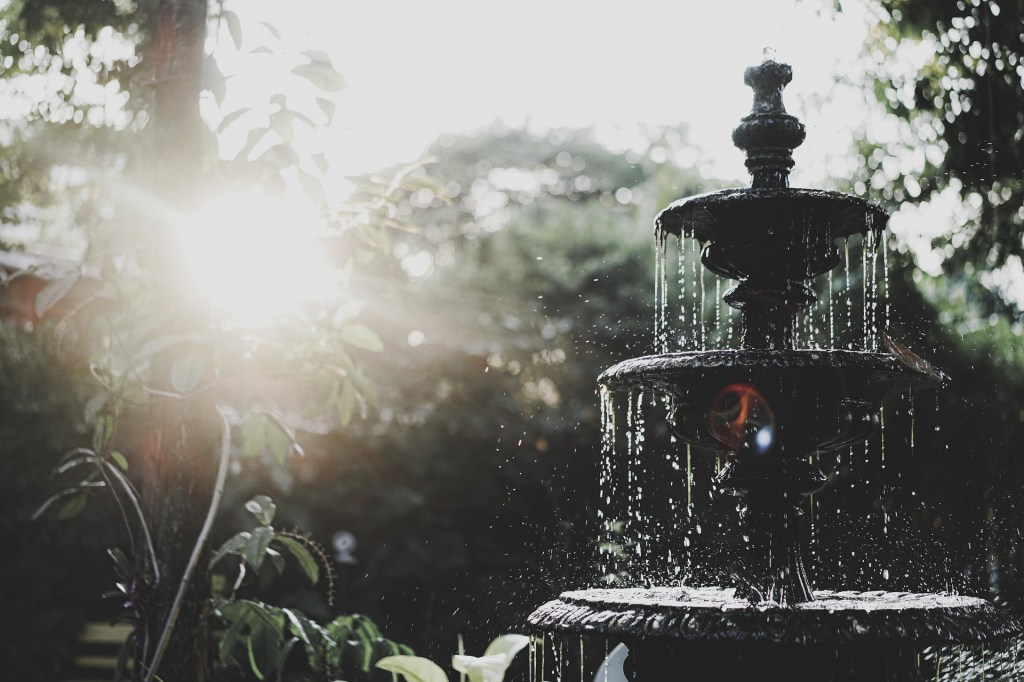
A rage garden does not plead for water—it commands it, collects it, and distributes it with precision.
Drip irrigation delivers hydration straight to the roots—no waste, no runoff, just direct nourishment. Also try soaker hoses to minimize water waste.
Rain barrels turn storms into assets—every drop is claimed, stored, and used to fuel the fight. Collect rainwater in barrels to reduce reliance on municipal water.
Timing is everything—water early in the morning or late at night to avoid evaporation losses.
Water is life—treat it like the precious resource it is. Control it, conserve it, and never let it escape without purpose.
4. Choose Native & Drought-Resistant Plants: Select Warriors That Endure
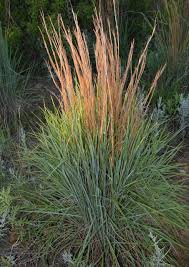
A rage garden is built on strength, not fragility. Plants should not beg for survival—they should command it.
Native plants are battle-tested for your climate—they require less water, less maintenance, and thrive under local conditions.
Drought-resistant champions—lavender, succulents, ornamental grasses hold their ground even when water is scarce.
Deep-rooted fighters—oak trees, prairie grasses, and tough herbs tap into underground reserves, refusing to collapse under heat and drought.
Only plant survivors. Anything weak will be cut down by nature’s ruthless tests.
Native plants are adapted to your local climate and require less maintenance.
5. Reduce Lawn Space: Stop Wasting Resources on Weak Ground
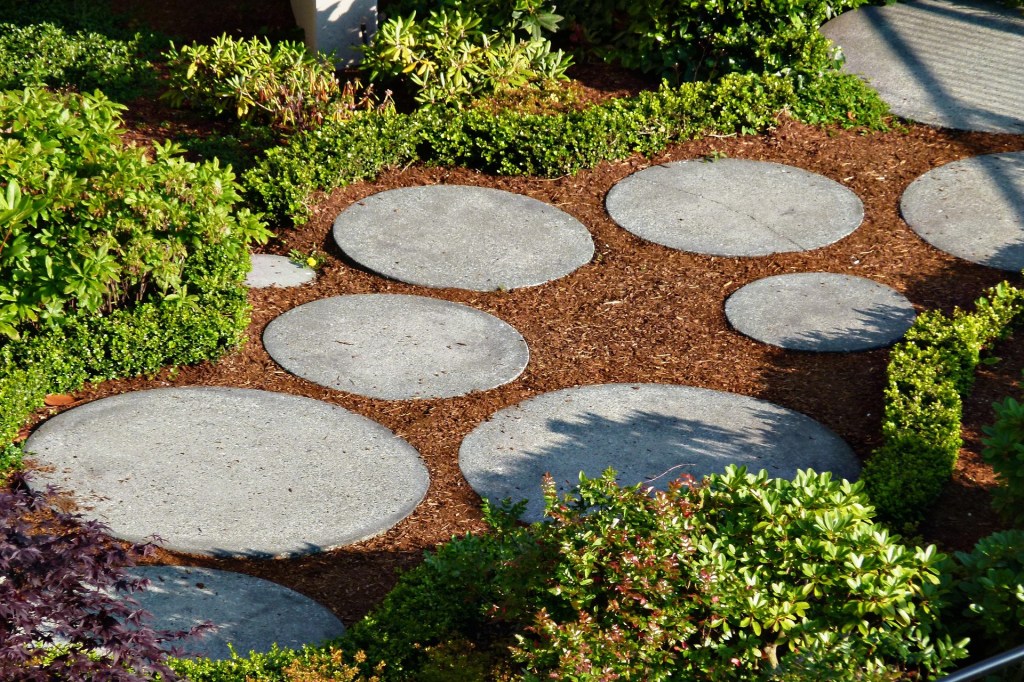
A rage garden does not pamper useless turf. Lawns consume excessive water, require constant maintenance, and offer nothing in return. Rip them out and reclaim that space for something strong.
Replace empty lawns with wildflowers, ground covers, or edible crops—grow something that fights back.
Less lawn means fewer resources wasted—ditch the mower, reduce water consumption, and stop feeding pointless greenery.
Convert land into food production—vegetables, herbs, medicinal plants—a real battlefield of thriving forces.
Every square inch must serve a purpose. Wasted land is a liability. Reclaim it. Fortify it. Put it to work
6. Encourage Pollinators & Wildlife: Recruit Allies for the Fight
Nature is not the enemy—it is an army waiting to be mobilized. Pollinators, beneficial insects, and wildlife are your reinforcements in the war for a resilient garden.
Plant bee-friendly flowers—coneflowers, milkweed, sunflowers attract pollinators that boost plant reproduction.
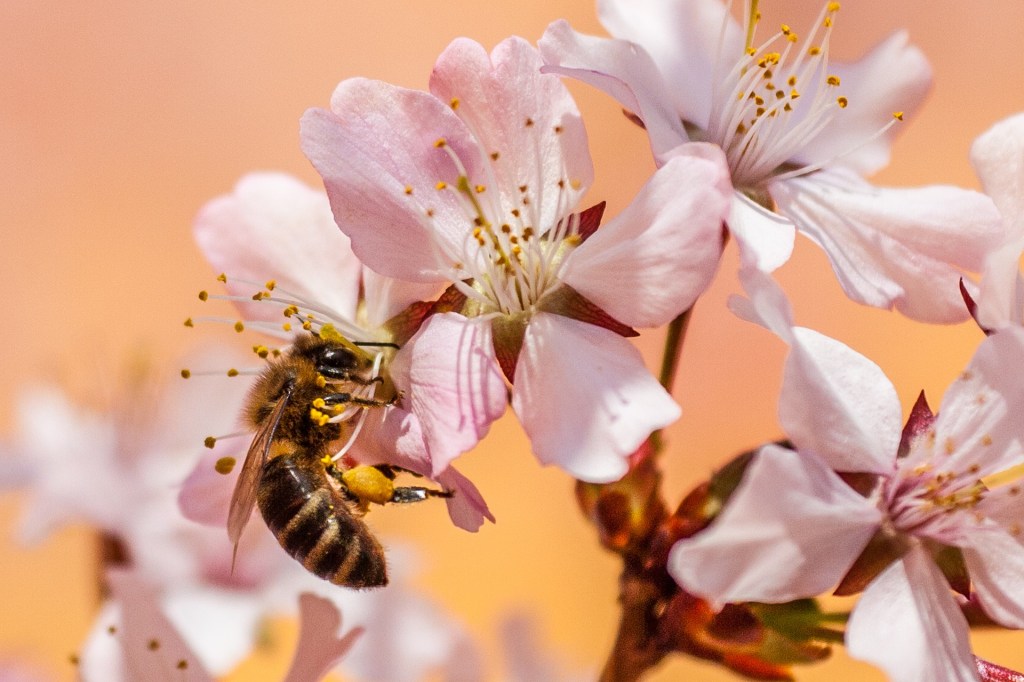
Shelter allies—rock piles, logs, birdhouses offer safe havens for nature’s warriors.
Eliminate harmful pesticides—do not kill the soldiers fighting beside you.
A rage garden does not stand alone—it thrives with an army of powerful allies. Build their fortress, and they will strengthen yours.
7. Reuse & Repurpose: Waste Nothing, Reinforce Everything
A rage garden does not throw away resources—it reinvents them. Strength comes from adaptability.
Turn old containers into planters—every bucket, crate, and broken pot can house another soldier.
Leaves become mulch, not trash—discard nothing—everything can serve the garden.
Bricks, stones, salvaged wood—build barriers, reinforce paths, structure defenses.
Waste is a weakness. Command your resources. Make every scrap count.
8. Practice No-Dig Gardening: Let the Underground Forces Work
A rage garden does not disturb its battlefield unnecessarily. Tilling disrupts microorganisms, exposes soil to erosion, and weakens natural defenses.
Layer organic matter instead of digging—nutrients filter down naturally, improving soil structure.
Avoid compacting the soil—excessive disruption kills beneficial microbes and weakens root networks.
Cover crops strengthen defenses—planting clover, vetch, or rye adds nitrogen, stabilizes soil, and fights off invaders.
The soil beneath your feet is an active battleground—respect it, fortify it, and let nature do the work.
9. Rotate Crops & Diversify Plantings: Keep the Battle Ever-Changing
A rage garden does not fall into predictable patterns—it evolves, adapts, and stays ahead of threats.
Move crops each season—this prevents nutrient depletion and confuses pests and diseases.
Mix flowers, herbs, and vegetables—a diverse army protects itself.
No army fights the same battle twice. Keep changing. Keep fortifying. Keep winning.
10. Reduce Waste & Plastic Use: Purge the Weakness from Your Stronghold
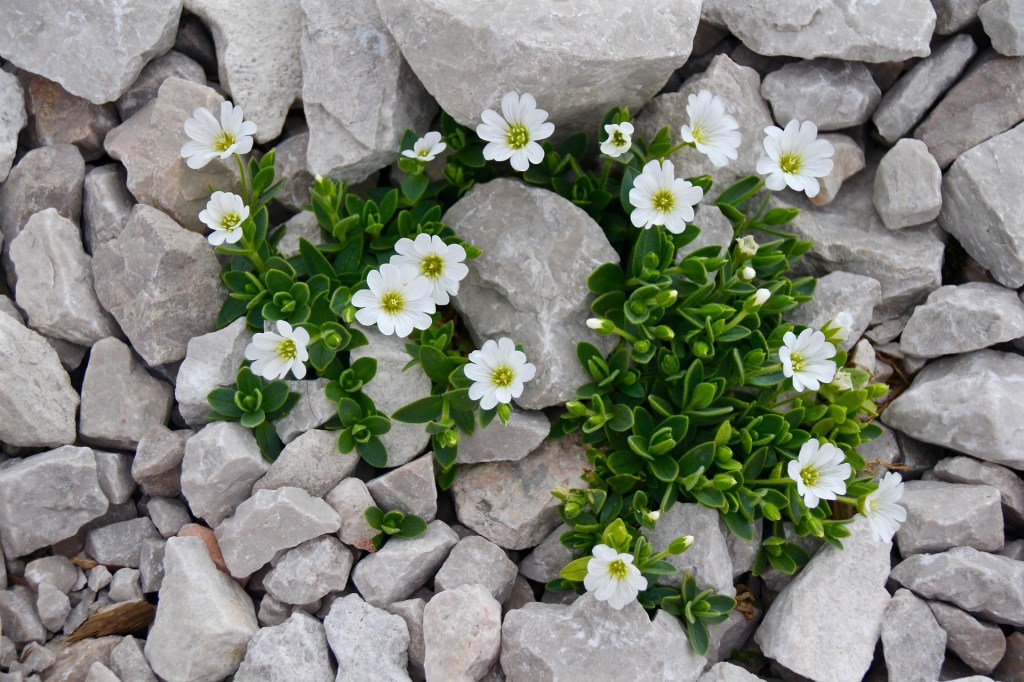
A rage garden does not rely on flimsy, disposable tools. It uses solid, sustainable materials built to last.
Avoid plastic pots—choose biodegradable alternatives.
Repurpose natural materials—bamboo, fallen branches, stones reinforce the battlefield without excess waste.
Limit synthetic fertilizers—they weaken long-term soil health—organic matter builds lasting strength.
A stronghold must be built to endure—stop relying on temporary solutions. Command your garden with lasting materials.
Victory Through Sustainable Warfare
A rage garden does not waste, does not beg, does not falter. It is planned, built, and reinforced through sustainable tactics.
By working with nature—not against it—you command an unbreakable fortress that thrives through adversity. Know your battlefield, control your resources, and let your greenery rage on.
Sustainable gardening isn’t just good for the planet—it creates a self-sufficient, thriving space that requires less effort over time. Which of these practices speaks to you the most?
Sustainable Rage Gardening: One Battle at a Time
A rage garden is not built overnight—it is forged through strategy, endurance, and relentless improvement. Attempting to incorporate every sustainable practice all at once is not just overwhelming, it’s unrealistic. Victory comes from calculated steps, not reckless action.
Start by selecting a priority—the first battle you want to win. Whether it’s water conservation, soil fortification, or eliminating synthetic chemicals, focus on mastering that one tactic first. Once you’ve conquered it, move to the next battle, then the next, reinforcing your stronghold with each success.
There is no wrong way to build your fortress, only forward movement toward a more resilient, more sustainable battlefield. Every effort counts, every tactic strengthens, and every improvement carves your rage garden into a force that refuses to fall.
Fight smart. Adapt strategically. And let your greenery rage on, one victorious battle at a time.
Join the Rage Garden Inner Circle
Where the wise grow stronger, wealthier, and Smarter every season.
For just $10/month, you gain access to:
- Money‑saving homestead strategies that put thousands back in your pocket
- Time‑cutting systems that free up your days and sharpen your skills
- Seasonal guides, rituals, and plant allies you won’t find anywhere else
- Exclusive content crafted for people who refuse to shrink
- First access to new tools, printables, and resources
This is more than a newsletter; it’s power. A place to gather to rise, reclaim, and root deeper into their strength.
Every month you wait is knowledge, time, and money you don’t get back. Step into the circle now and grow wild
All Rights Reserved
Discover more from Anything Agriculture
Subscribe to get the latest posts sent to your email.
