

Fencing is the most important part of any grazing system. Good strong fences are crucial for keeping animals in and maintaining good relations with neighbors. In a rotational grazing system, you will have two types of fencing: external and internal fences. This may seem straightforward, but there are a number of things to consider. Let’s dig in and figure out what works for your operation.
External Fencing
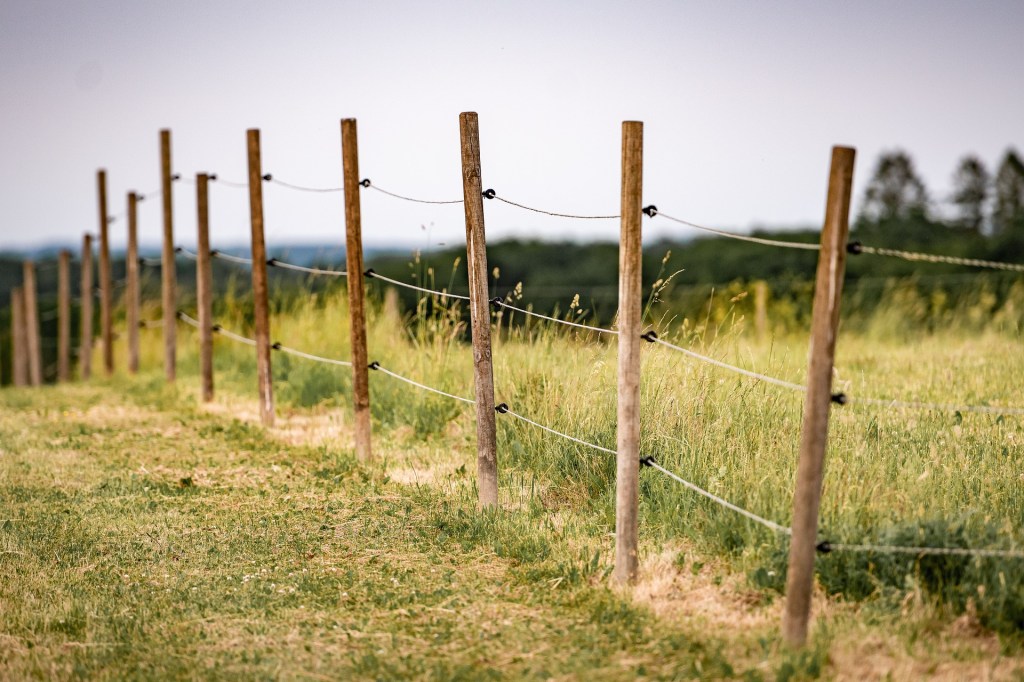
First, you will need external fencing. This is the fencing that will make you a good neighbor. They must be strong enough to contain your livestock and keep it on your property. These fences are sometimes called perimeter fences. In Indiana, it is law that the fence be sufficient to hold cattle, hogs, mules, and sheep. It’s a good idea to be aware of any laws or ordinances that govern fences in your area.
Good external fencing can prevent conflicts with neighbors. Livestock wandering into neighboring properties can damage crops or gardens, leading to disputes. A well-maintained perimeter fence shows respect for your neighbors’ property and fosters goodwill.
The most used materials for fencing are high tensile wire, woven wire, and barbed wire. That doesn’t mean other types of fencing won’t work. These fencing types tend to be the most cost-effective and readily available. Depending on your livestock, you may need to make changes to your fencing that are appropriate for your animals.
High Tensile Wire Fencing

This type of fencing is the most versatile. These fences are great for rolling topography and easy to repair. They can be electrified or not, but most people choose to electrify these fences for added protection. You will want a minimum of two wires but can have up to six wires, depending on the livestock. More wires discourage livestock from trying to go through the fence for grazing. These types of fencing require a fair bit of maintenance, especially if they are electrified. Care must be taken to ensure the fence isn’t grounding out.
Woven Wire

Woven wire easily controls livestock and is relatively easy to put up and maintain. This fence is easily combined with other fence types. Woven wire is more expensive and more difficult to repair compared to high tensile wire fencing. There are types of woven wire suitable for high tensile applications. Wood posts are the best with this type of fencing.
Barbed Wire
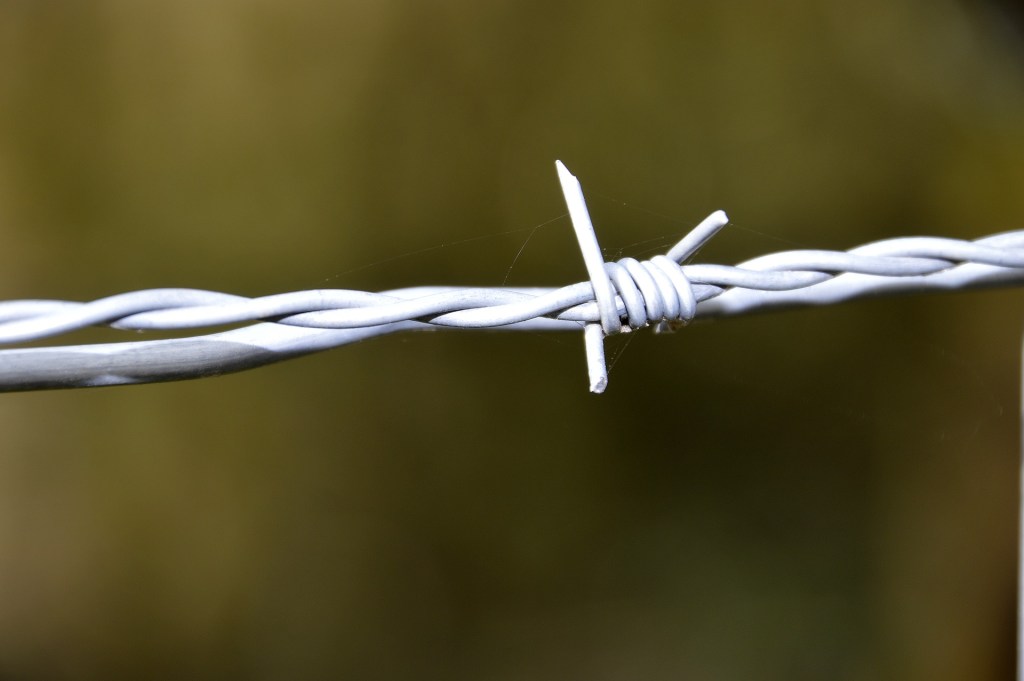
This type of fencing is an old standby. It has a number of benefits and issues. The benefits are that it is readily available and relatively cheap. The issues are that it is hard to repair, dispose of, and move. It is also a hazard to children and livestock and can cause serious injury to both. It should never be electrified. Barbed wire can be good to deter predatory animals and can be combined with other types of fencing. However, I usually don’t recommend barbed wire fencing in a rotational grazing situation as the animals are more likely to come into contact with the fencing, increasing the likelihood of injury.
Internal Fencing
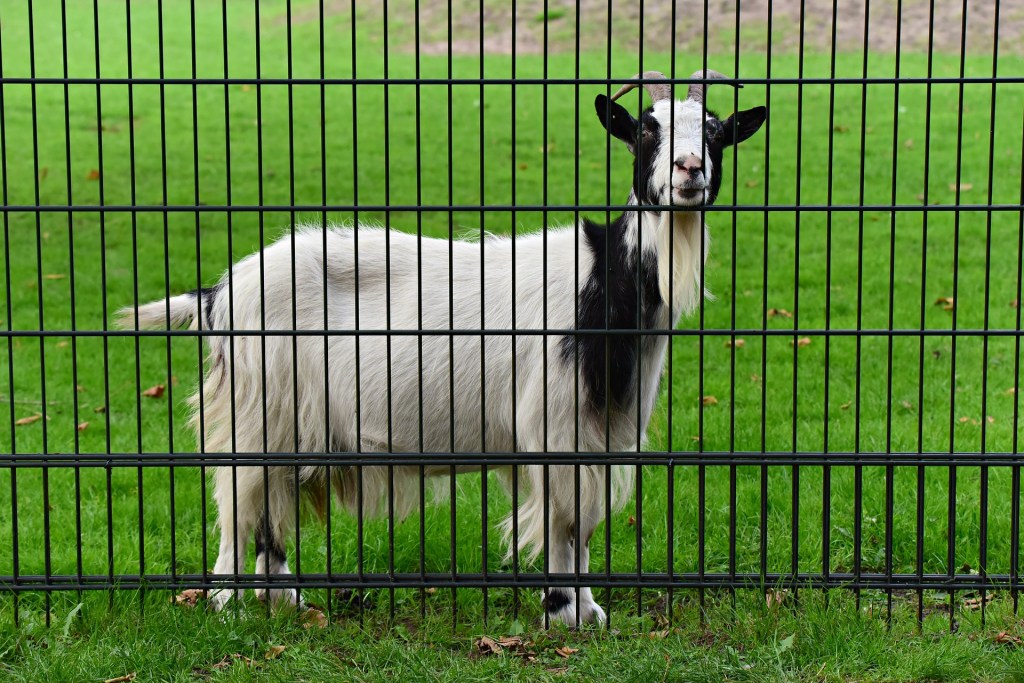
Internal or divisional fencing is what keeps your animals in a particular paddock. It is important to remember the whole idea is to completely graze an area and then move the animals to another paddock. Fencing has to be strong enough to deter them from wanting to get into another paddock. This can be done with either permanent or temporary fencing. Depending on the type of livestock, your internal fencing needs will vary. I think using removable divisional fencing until you get your rotational grazing system tweaked for your operation is a good idea. If your livestock is harder to control, a more robust fencing system will need to be set up.
Temporary Internal Fences
These are great when you need to use them for a short period of time. They are great for cutting up large permanent paddocks. They tend to be easy to take down and easy to adjust the paddock size when adding or subtracting animals. When electrified, larger livestock will respect them. With smaller animals, it may be necessary to use electrified netting. This is great for goats and sheep. Electrified netting will take more effort to move but does a better job of protecting your animals.
A Quick Note About Electrified Fencing
It is important that you understand how electrified fencing works and how to repair it effectively. Make sure you are using the correct energizer for the fencing you have chosen. Look at the manufacturer’s recommendations for more information. Also, make sure you have proper grounding for your fencing and install protective devices. It is a good idea to install cutoffs every so often to make repairs easier.
Neighbor Relations and Fencing

Maintaining good fences is not just about containing livestock but also about respecting your neighbors. Here are a few tips to ensure good neighbor relations:
- Communicate: Inform your neighbors about your fencing plans, especially if they share a boundary with you.
- Respect Boundaries: Make sure your fences are within your property lines and do not encroach on your neighbors’ land.
- Regular Maintenance: Keep your fences in good repair to prevent any livestock from escaping and causing issues.
- Considerate Placement: Avoid placing fences in a way that blocks access or creates inconvenience for your neighbors.
Neighbor Relations and Fencing
Fencing plays a crucial role in maintaining good relations with your neighbors. Clear, open communication about your fencing plans, any shared boundaries, and the maintenance of these boundaries can prevent disputes. A well-maintained fence ensures that your livestock stays on your property, preventing damage to your neighbor’s land and fostering goodwill.
If your fence is near a shared boundary, consider discussing the type of fence with your neighbor. They may have preferences or even be willing to share the cost of installation and maintenance. This collaborative approach can strengthen your relationship and ensure both parties are satisfied with the solution.

An example of Indiana fence law is the requirement for property owners to share the cost of building and maintaining boundary fences. According to Indiana Code § 32-26-9-1, if a property owner wants to build or repair a partition fence (a fence that divides two properties), they must notify their neighbor and share the cost 2. If the neighbor refuses to contribute, the property owner can file a complaint with the trustee of the township where the fence is located. This law helps ensure that both parties share the responsibility and cost of maintaining a boundary fence, promoting good neighbor relations and preventing disputes.
In simple terms, Indiana’s fence law means that if you share a boundary with a neighbor, you both share the responsibility and cost of building and maintaining the fence along that boundary. So if you need to put up or fix a fence between your property and your neighbor’s, you should let your neighbor know. If your neighbor doesn’t want to help out, you can ask the local township trustee to step in and help resolve the situation. This law is designed to ensure that both property owners share the costs and duties, helping to keep things fair and maintaining good relationships between neighbors.
As an example, Imagine you and your neighbor share a property boundary. You decide it’s time to build a new fence along this boundary to keep your livestock in check. You reach out to your neighbor, informing them about your plans and the estimated costs. According to Indiana’s fence law, both of you are responsible for sharing the cost of building and maintaining the boundary fence.
Let’s say your neighbor agrees, and you both contribute to the costs and work together to build the fence. This not only ensures that the fence is built, but it also helps maintain a good relationship between you and your neighbor, as you both have a stake in the project.
However, if your neighbor refuses to contribute, you can file a complaint with the trustee of the township where the fence is located. The trustee can then step in to help resolve the situation, ensuring that both parties adhere to the law and share the responsibility of maintaining the boundary fence. This legal framework helps prevent disputes and promotes fairness between property owners
However this is not legal advice and you need to check with local ordinance to understand the full extent of how a law like this works. I suggest getting legal counsel to make sure your understanding of the ordinances or laws are correct. Understanding and adhering to Indiana’s fence law is essential for property owners, particularly those involved in livestock and rotational grazing. By sharing the responsibility and costs of building and maintaining boundary fences, property owners can foster good relations with their neighbors and prevent disputes. Clear communication and collaboration on fencing projects ensure that both parties are satisfied and that livestock is securely contained. This legal framework promotes fairness and helps maintain a harmonious community where property boundaries are respected and properly managed.
Conclusion
Do your research for the fencing that will work best for you and your operation. There are a lot of opinions out there and not all of them are electrified. This is a lot of personal choice and how much work and maintenance you are willing to do. Cost of other fencing options could be cost prohibitive. Once the animals are trained to the new fencing and paddock arrangement fencing should be easily managed if put in correctly. Take the time, find the right fencing for your system.
Disclaimer:
The information provided in this document is intended for educational purposes only and should not be construed as legal advice. It is important to consult with a qualified legal professional to obtain advice tailored to your specific situation and to ensure compliance with local laws and regulations.
Don’t forget to check out Anything Agriculture on social media! Follow us on YouTube, Facebook, and Instagram, for more great content. Like and subscribe to stay connected!
Thank you for reading! I’d love for you to join my newsletter for just $10 a month. By subscribing, you’ll gain access to a wealth of valuable information that can save you thousands of dollars and hundreds of hours of time. Don’t miss out—sign up today and start benefiting from expert insights and exclusive content!
Don’t forget to check out Anything Agriculture on social media! Follow us on YouTube, Facebook, and Instagram, for more great content. Like and subscribe to stay connected!
Ready to take your homesteading journey to the next level? Book an appointment with me today! With decades of experience, I provide personalized advice to solve any homesteading challenge. Whether you’re a newbie or a seasoned homesteader, I offer expert guidance to make your homestead thrive. Don’t miss out—schedule a chat and unlock the full potential of your homestead with Anything Agriculture. Let’s turn your dreams into reality!


All Rights Reserved
Discover more from Anything Agriculture
Subscribe to get the latest posts sent to your email.
