In my years as an extension educator, I’ve met many people drawn to the simplicity of homesteading, only to become overwhelmed by the sheer amount of work. Yet, despite the challenges, some refuse to explore ways to make their lives easier and more sustainable. Sure, we all rely on YouTube and Google for guidance, but sustainability isn’t just about learning how to do something—it’s a mindset, a way of thinking that reshapes behaviors for the better.
In many ways, sustainability is like a diet. I’ve seen clients jump in with boundless enthusiasm, eager to try every new method, only to feel completely drained and disillusioned after a year or two. Frustrated, they start blaming everything—including themselves—for “failing.” But here’s the truth: you didn’t fail. Most people simply run out of steam, and instead of seeking solutions, they give up.
The most important lesson I’ve learned after helping thousands of people is that sustainability isn’t a race—it’s a marathon. You can’t win a marathon without years of dedication, training, and, yes, mistakes. Mistakes are part of learning. They teach valuable lessons, helping you understand what works and, just as crucially, what doesn’t. In fact, knowing what doesn’t work is often more important than discovering what does.
So, use your creativity, resources, and problem-solving skills to build the best homestead for you. Small, steady steps are always better than large, unstable leaps toward a sustainable future. Let’s take a closer look at what sustainability can truly look like.
Sustainability isn’t just a trendy term in small farm homesteading—it’s a game-changer. Yet, it’s often misunderstood. Building a sustainable homestead is essential, but let’s be honest, it comes with its fair share of challenges. The good news? Technology and sustainability go hand in hand, making eco-friendly living more accessible than ever. We all juggle busy lives—jobs, families, and the endless demands of daily living—but embracing technology can help us take meaningful steps toward a more sustainable future. Ready to dive in? Let’s explore what sustainability truly means and how you can build a homestead that thrives for generations to come. Show the world what resilience really means.
Sustainable farming is a commitment to nurturing the land, conserving resources, and fostering resilient agricultural ecosystems. By implementing responsible practices, farmers can ensure long-term soil health, reduce environmental impact, and increase productivity in harmony with nature.
Assessing Land & Soil Health
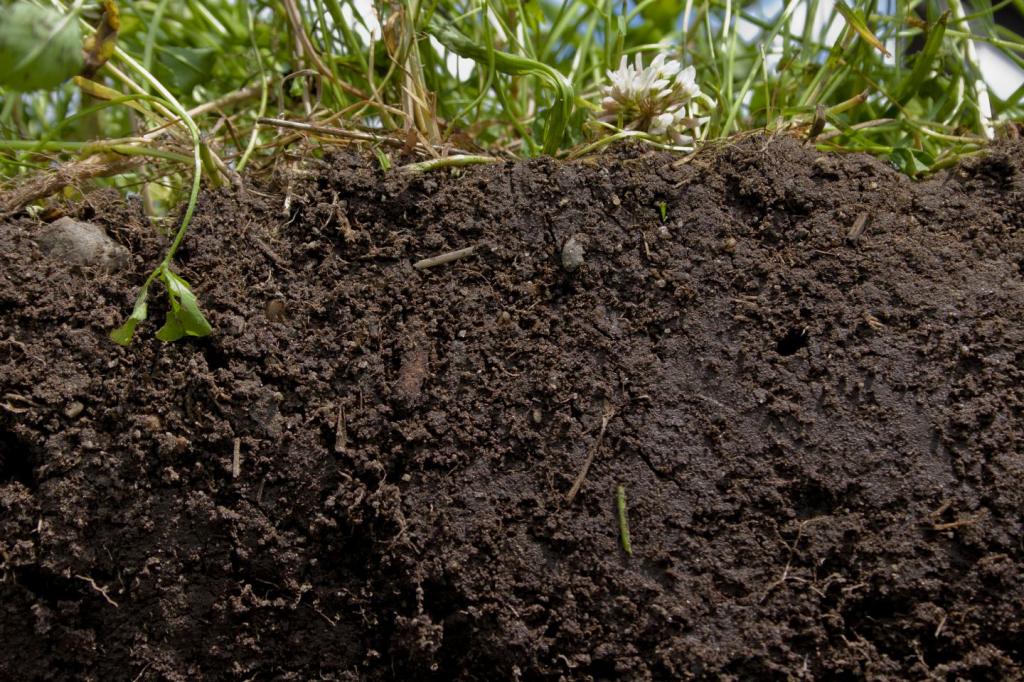
Healthy soil is the foundation of successful and sustainable farming. Conducting soil tests helps farmers understand nutrient levels and soil structure, enabling informed decisions about fertilization and amendments. Healthy, well-balanced soil supports strong crop growth, retains water effectively, and minimizes erosion, ultimately leading to higher yields and a more stable farming system. For more information about soil test you can read about it here Soil is not Dirt or Visit my YouTube page and watch Soil is not Dirt
Crop Rotation & Cover Cropping
Rotating crops each season prevents soil depletion and naturally disrupts pest cycles. Cover crops, such as clover and rye, enrich the soil by adding organic matter, improving nutrient availability, and preventing erosion. These techniques enhance soil fertility and soil structure while reducing the need for synthetic fertilizers.
Reducing or Eliminating Tillage
No-till or reduced-tillage methods help maintain soil integrity by preserving its natural structure. Minimizing disturbance reduces erosion, improves water retention, and fosters beneficial microbial communities within the soil. By adopting conservation tillage, farmers can protect their land for future generations. This also help controls runoff from you garden or property to help keep waterways clear.
Water Conservation Techniques

Efficient water use is vital for sustainable farming, especially in regions prone to drought. Methods such as drip irrigation, rainwater harvesting, and mulching optimize water use and reduce wastage. These strategies not only conserve water but also improve crop resilience during dry periods.
Natural Pest Management
Reducing reliance on synthetic pesticides benefits both the environment and crop health. Introducing beneficial insects, practicing companion planting, and utilizing organic pest-control solutions help maintain ecological balance while minimizing harm to pollinators and beneficial organisms.Beneficial Insects & Predators
Encouraging the presence of natural predators like ladybugs, lacewings, and parasitic wasps can help control aphid, caterpillar, and beetle populations. Many farmers and gardeners introduce these insects intentionally or plant specific flowers—such as marigolds and daisies—to attract them.
Companion Planting
Certain plants repel or distract pests when grown together. For example:
- Basil & Tomatoes: Basil deters tomato hornworms and enhances tomato flavor.
- Onions & Carrots: Onions mask the scent of carrots, confusing carrot flies.
- Nasturtiums & Squash: Nasturtiums repel squash bugs and aphids.
Crop Rotation & Soil Health
Rotating crops disrupts pest life cycles, reducing populations naturally. Many pests thrive when the same crops are grown repeatedly in the same location. Additionally, maintaining healthy, well-balanced soil fosters disease-resistant plants, reducing pest infestations.
Organic Pest-Control Solutions
Natural solutions such as neem oil, diatomaceous earth, and garlic spray serve as effective alternatives to chemical pesticides. These options help deter insects without harming pollinators or beneficial organisms.
Physical Barriers & Traps
Using row covers, netting, or sticky traps prevents pests from reaching plants. Additionally, homemade traps—like beer traps for slugs or pheromone traps for insects—can help monitor and reduce pest populations.
Biodiversity & Habitat Design
Encouraging biodiversity on a farm or garden strengthens pest control efforts. Creating habitat zones with pollinator-friendly flowers, mixed crops, and hedgerows supports beneficial organisms and discourages pest outbreaks.
Incorporating Agroforestry
Agroforestry integrates trees and shrubs with crop production, offering multiple benefits such as improved biodiversity, enhanced soil stability, and natural wind protection. By blending forestry with agriculture, farmers create more resilient ecosystems that support long-term sustainability.

Precision Agriculture
Precision agriculture has revolutionized the way small farms manage resources, improve efficiency, and enhance sustainability. By utilizing data-driven tools and technology, farmers can make informed decisions that optimize crop yields and reduce waste. Here are some key technologies available to small farms:
1. Soil Sensors & Data Analytics
Small farms can benefit from soil moisture sensors, pH meters, and nutrient analysis tools that provide real-time data on soil conditions. These sensors help farmers apply water and fertilizers precisely where needed, reducing excess use and improving plant health.
2. Drones & Aerial Imaging
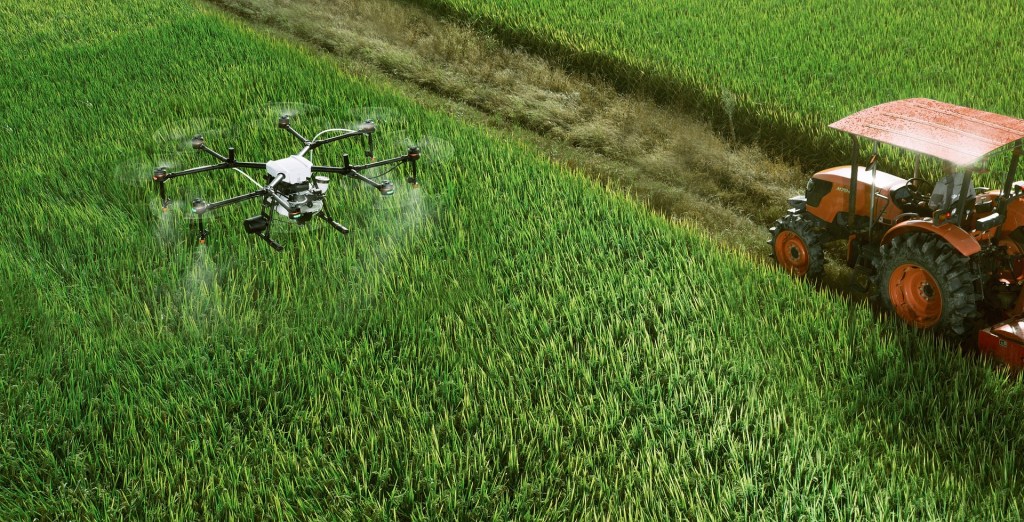
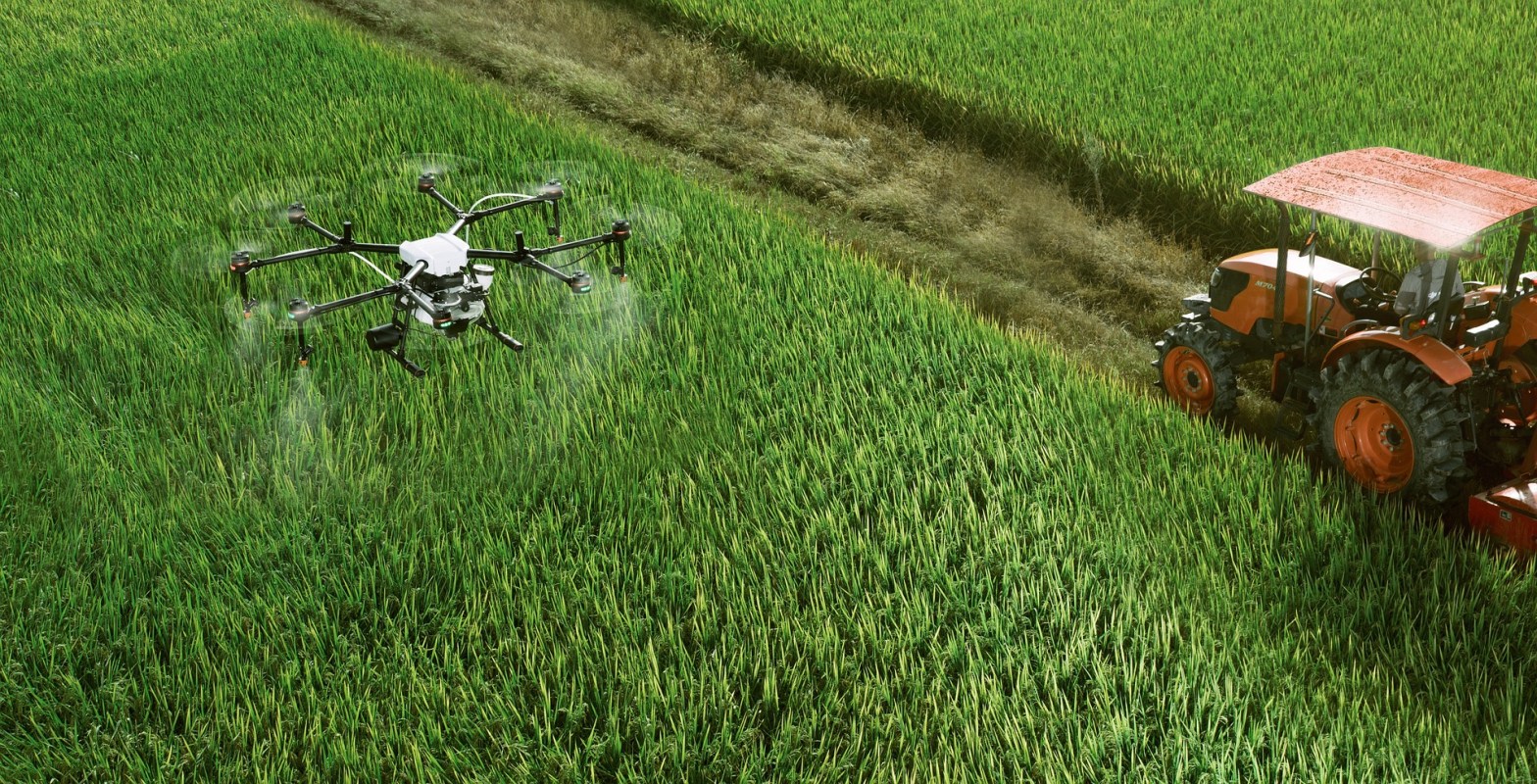
Affordable drones equipped with multispectral cameras allow farmers to survey their fields efficiently. They help identify areas suffering from drought stress, pest infestations, or nutrient deficiencies, enabling targeted intervention.
3. GPS-Guided Machinery
While large-scale farms have used GPS technology for years, smaller farms can now access GPS-enabled tractors and planting equipment to improve accuracy in seeding and irrigation. This minimizes overlaps and gaps, ensuring efficient land use.
4. Automated Irrigation Systems

Smart irrigation systems, such as drip irrigation and IoT-enabled sprinklers, adjust water flow based on weather patterns and soil moisture levels. This reduces water waste while ensuring crops receive consistent hydration.
5. Mobile Apps & Farm Management Software
Farmers can use mobile applications and software platforms to track planting schedules, monitor weather conditions, and analyze crop growth trends. Many apps also offer AI-driven pest and disease detection based on field photos.
6. Vertical Farming & Hydroponics
Indoor and small-scale farms can utilize vertical farming systems and hydroponics to optimize space while growing crops efficiently with minimal soil and water usage.
7. Smart Livestock Management
For farmers raising animals, RFID tagging, health-monitoring collars, and automated feeding systems improve livestock welfare and production efficiency.
By adopting affordable precision ag tools, small farms can boost productivity while reducing environmental impact. Are there any specific technologies you’d like to explore further?
Encouraging Biodiversity
A thriving agricultural ecosystem depends on biodiversity. Growing a variety of crops and integrating livestock creates a balanced environment that enhances soil health, reduces pest pressures, and fosters resilience against climate changes.
Engaging with Local Farming Communities
Learning from experienced farmers, attending workshops, and collaborating on sustainable practices strengthen community ties and empower individuals with valuable knowledge. A connected farming network helps share innovations, resources, and insights for mutual growth.
Monitoring & Adapting
Sustainability is an ongoing process that requires continuous assessment. Regularly evaluating farming methods and adapting based on results ensures that practices remain effective and aligned with environmental and economic goals.
Sustainable agriculture isn’t just a buzzword—it’s a movement, a way of farming that intertwines productivity with environmental responsibility. And for small farm homesteads, it’s the key to thriving in a rapidly changing world while staying rooted in tradition.
A Vision for Sustainable Agriculture
Imagine a farm where every drop of water is used wisely, every plant strengthens the soil, and every animal contributes to a balanced ecosystem. Sustainable farming means minimizing waste, using nature’s own methods to enhance productivity, and ensuring that future generations inherit land that is healthier—not depleted.
What It Means for Small Farm Homesteads

For small homesteads, sustainability is about resilience—weathering economic shifts, climate change, and resource scarcity without compromising yield or quality. It’s about using permaculture principles, rotating crops, integrating livestock, and relying on local ecosystems rather than external chemical inputs. By embracing sustainable practices like no-till farming, composting, agroforestry, and natural pest control, small farmers can create a self-sustaining loop that enriches the land instead of exhausting it.
A Global Connection
Every decision a small farmer makes ripples outward. Choosing to nurture soil health contributes to cleaner waterways. Raising animals ethically supports biodiversity. Growing food locally reduces reliance on industrial agriculture, which cuts down on carbon emissions from transportation. By practicing regenerative agriculture, small farms aren’t just benefiting their own land—they’re helping combat global food insecurity, improving environmental health worldwide, and setting an example for the next generation of farmers.
An Exciting Solution
A powerful way to move toward sustainability is embracing precision farming on a small scale—using soil sensors, drones, and data-driven techniques to improve efficiency while reducing waste. Pairing this technology with traditional knowledge, small farms become hubs for innovation, proving that sustainability isn’t about choosing between nature and progress—it’s about integrating them.
Sustainable farming transforms local communities and connects them to a global network of responsible growers working toward food security, environmental health, and ethical agriculture. Whether it’s a homestead in Indiana or a family farm in Kenya, the principles of sustainability unite farmers worldwide in the shared goal of nourishing people while protecting the planet.
Don’t forget to check out Anything Agriculture on social media! Follow us on YouTube, Facebook, and Instagram, for more great content. Like and subscribe to stay connected!
Thank you for reading! I’d love for you to join my newsletter for just $10 a month. By subscribing, you’ll gain access to a wealth of valuable information that can save you thousands of dollars and hundreds of hours of time. Don’t miss out—sign up today and start benefiting from expert insights and exclusive content!
Don’t forget to check out Anything Agriculture on social media! Follow us on YouTube, Facebook, and Instagram, for more great content. Like and subscribe to stay connected!
Ready to take your homesteading journey to the next level? Book an appointment with me today! With decades of experience, I provide personalized advice to solve any homesteading challenge. Whether you’re a newbie or a seasoned homesteader, I offer expert guidance to make your homestead thrive. Don’t miss out—schedule a chat and unlock the full potential of your homestead with Anything Agriculture. Let’s turn your dreams into reality!


All Rights Reserved
Discover more from Anything Agriculture
Subscribe to get the latest posts sent to your email.
