
This article may have affiliate links
A rage garden is not just planted—it is strategically deployed. Timing is everything, and knowing your frost-free dates is the difference between a thriving army of plants and a battlefield of casualties.
A rage garden isn’t just about planting—it’s about timing your attack. If you plant too early, frost strikes down your forces. Too late, and your growing season shrinks. The key to victory? Understanding frost-free dates and soil temperatures so your plants hit the ground at the perfect moment.
Understanding Frost-Free Dates for Maximum Victory
Frost is the silent killer of tender plants. Every region has a last frost date in spring and a first frost date in fall—these mark the boundaries of your growing season.
A rage garden is not just planted—it is strategically deployed. Timing is everything, and knowing your frost-free dates is the difference between a thriving army of plants and a battlefield of casualties.
What Are Frost-Free Dates?
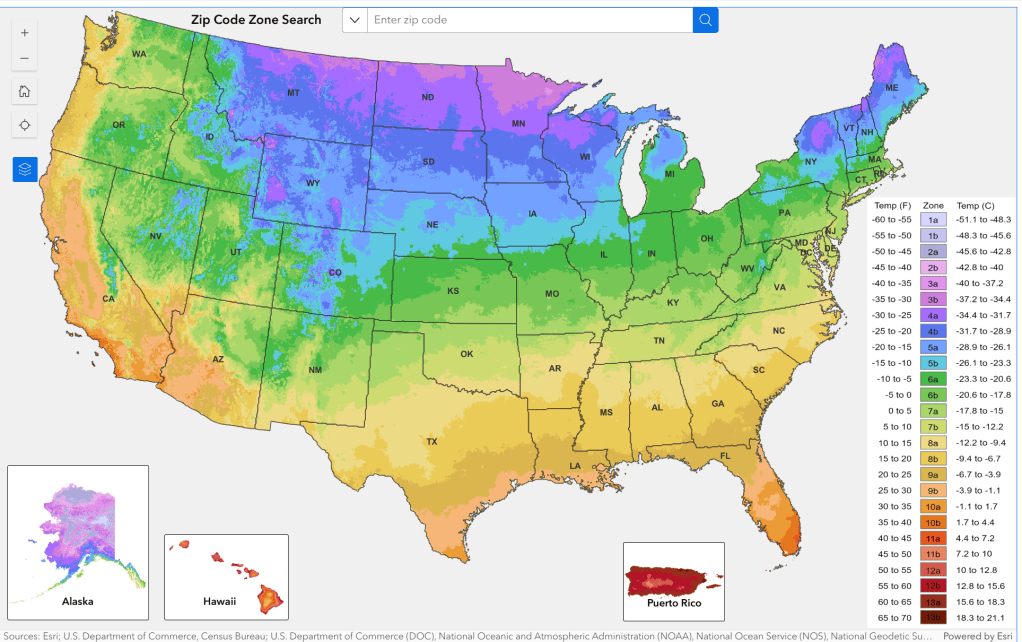
Frost-free dates mark the window of time when freezing temperatures are least likely to occur. These dates are based on historical climate data and indicate when it is safe to plant tender crops without the risk of frost damage.
- Last Spring Frost Date: The estimated date when freezing temperatures typically stop, allowing warm-season crops to be planted safely.
- First Fall Frost Date: The estimated date when cold temperatures return, signaling the end of the growing season for frost-sensitive plants.
These dates aren’t guarantees—they are probabilities based on past weather patterns. Experienced gardeners often wait two weeks after the last frost date before planting tender crops to reduce risk.
Why Frost-Free Dates Matter in Battle Strategy
Frost is a silent killer—it strikes down unprotected plants, freezing their cells and causing irreversible damage. Understanding frost-free dates allows you to time your planting for maximum survival.
- Plant too early? A late frost can wipe out your forces before they even take root.
- Plant too late? Your growing season shrinks, limiting your harvest.
- Use frost-free dates to plan your attack—ensuring your crops hit the ground at the perfect moment.
Frost-Free Dates and Microclimates: The Hidden Advantage
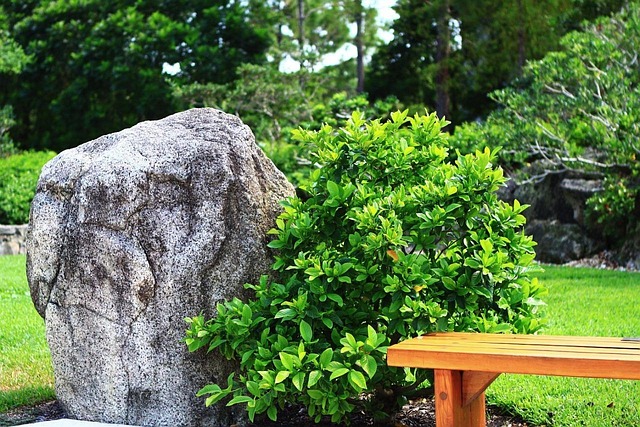
Not all frost dates apply equally—your garden’s specific location may have unique conditions that affect frost risk.
- High ground stays slightly warmer—cold air sinks into valleys, making low-lying areas more prone to frost. Plant fruit trees on elevated terrain to reduce frost damage.
- Urban areas retain heat—buildings and pavement absorb warmth, creating warmer microclimates that extend the growing season.
- South-facing walls and rock beds reflect heat, protecting plants from sudden temperature drops.
How to Use Frost-Free Dates to Your Advantage
Check your local frost dates—use resources like the USDA Hardiness Zone map or local extension services to know your battlefield conditions.
Harden off seedlings—gradually expose young plants to outdoor temperatures before transplanting to reduce shock.
Use protective measures—cold frames, row covers, and mulch can shield plants from unexpected frosts.
Choose frost-resistant crops—some plants can withstand light frosts, allowing an extended growing season.
Soil Temperature: The True Signal for Planting
Frost dates aren’t enough—soil temperature determines whether seeds will germinate and roots will thrive.
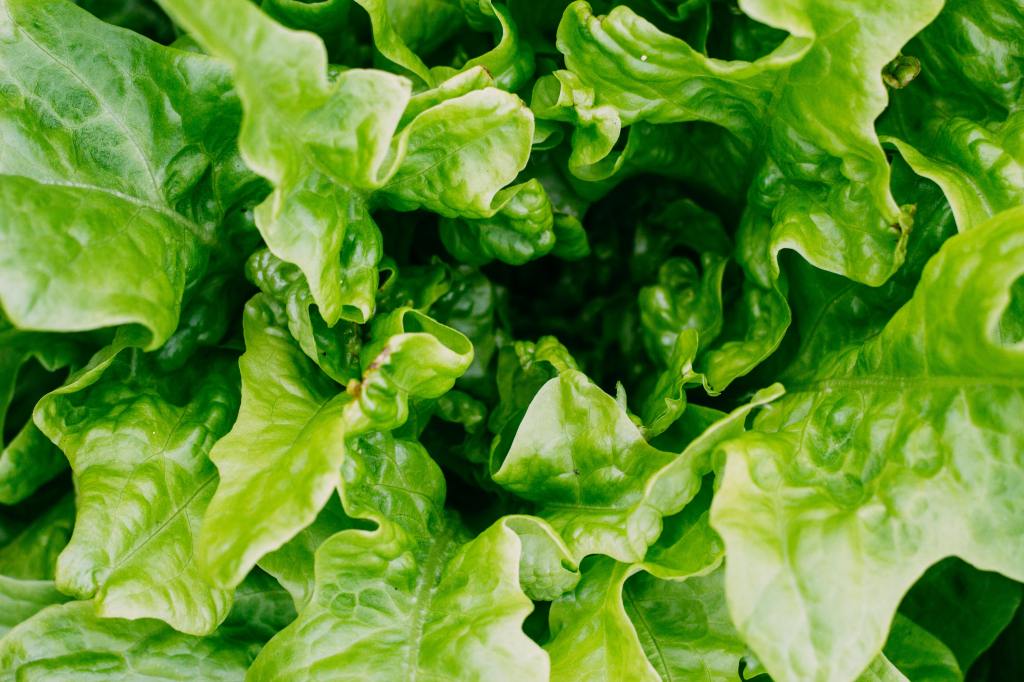
Cool-season crops (lettuce, peas, radishes) thrive when soil is 45°F – 70°F.
Warm-season crops (tomatoes, peppers, cucumbers) need soil above 60°F to avoid shock.
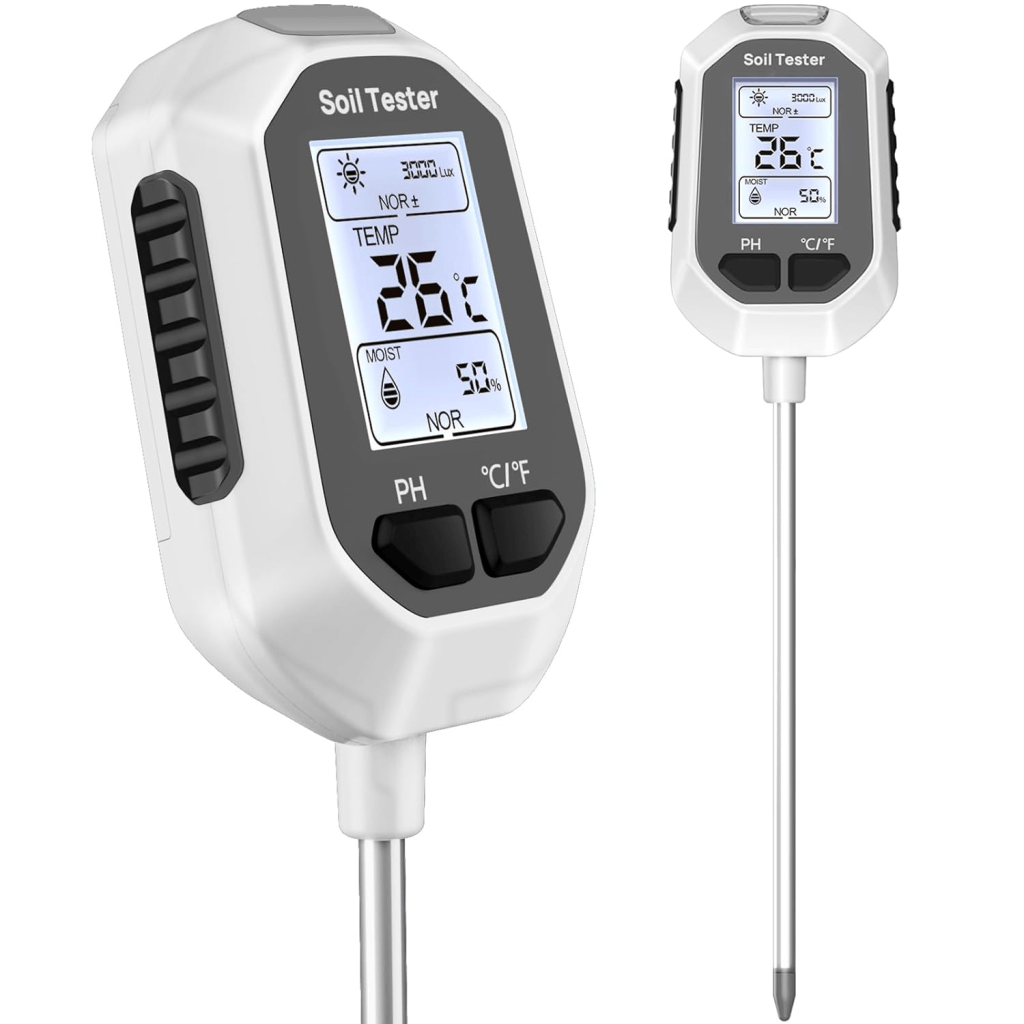
Use a soil thermometer—don’t guess. Stick it in the ground and read the truth.
Pushing the Limits: Extending the Growing Season in Your Rage Garden
A rage garden does not accept limitations—it defies them. The changing seasons may try to halt your progress, but with the right strategies, you can extend your growing season, push boundaries, and keep your fortress thriving long after others have surrendered to the cold.
Cold-Hardy Warriors: Choosing Plants That Refuse to Die
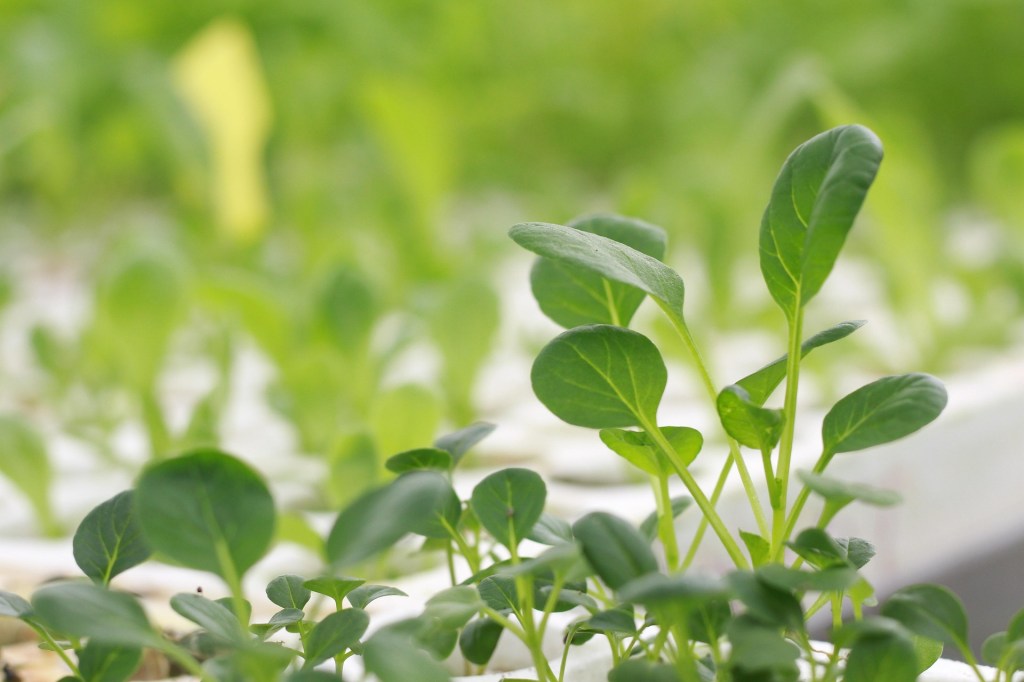
Some plants laugh in the face of frost, thriving in cooler temperatures while others wither. Select fighters that endure the cold and continue producing even when the season turns.
- Kale, spinach, and collard greens—these leafy warriors thrive in cold weather, becoming sweeter after a frost.
- Carrots, parsnips, and beets—root crops store energy underground, making them resistant to temperature drops.
- Brussels sprouts and cabbage—hardy brassicas stand strong against frost, growing well into late fall.
- Garlic and onions—planted in fall, they overwinter and emerge stronger in spring.
Season Extenders: Tactical Defenses Against the Cold
A rage garden does not retreat—it adapts. Use season-extending techniques to protect plants and push growth beyond traditional limits.
- Cold frames—mini greenhouses that trap heat and shield plants from frost.
- Row covers—lightweight fabric that creates a barrier against freezing temperatures while allowing air and moisture through.
- Mulching for insulation—a thick layer of straw, leaves, or compost keeps soil warm and prevents roots from freezing.
- Greenhouses and hoop tunnels—structures that capture heat and extend the growing season by weeks or months.
Microclimates: Manipulating the Battlefield
A rage garden does not just survive—it controls its environment. Use microclimates to your advantage, creating warmer pockets where plants can thrive despite the cold.
- South-facing walls and rock beds—absorb heat during the day and release it at night, protecting plants from frost.
- Urban heat pockets—buildings and pavement retain warmth, extending the growing season for nearby plants.
- Windbreaks—reduce cold gusts that steal moisture and weaken crops, keeping your garden protected and thriving.
Late-Season Planting: The Final Offensive
A rage garden does not stop planting—it strategizes. Late-season crops can extend your harvest well into winter, ensuring continuous production.
Sow cold-hardy greens in late summer—they will grow through fall and survive light frosts.
Plant overwintering crops—garlic, onions, and shallots establish roots before winter and emerge stronger in spring.
Use succession planting—stagger plantings to ensure a continuous supply of food throughout the colder months.
Heat Retention: Fighting Back Against the Cold
A rage garden does not surrender to freezing temperatures—it fights back. Use heat-retaining techniques to keep plants warm and growing longer.
- Black plastic mulch—absorbs sunlight and warms the soil, preventing frost damage.
- Water barrels—store heat during the day and release it at night, creating a warmer microclimate.
- Compost heat—decomposing organic matter generates warmth, keeping nearby plants protected from the cold.
Victory Over the Seasons: A Garden That Refuses to Die
A rage garden does not accept defeat—it pushes forward, extending its reach beyond traditional limits. With the right strategies, your fortress will stand strong, producing food long after others have given up.
Defy the seasons, command the elements, and let your greenery rage on—no matter the time of year.
Extending the Growing Season: Push the Limits
If you want more time to grow, use tactics to cheat the frost.
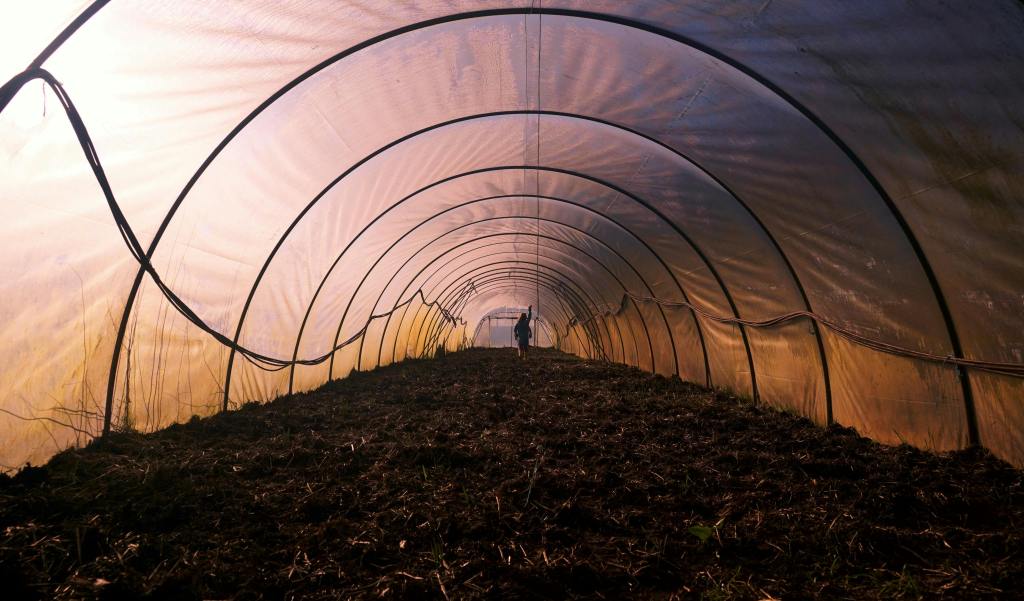
- Cold frames & row covers—protect plants from unexpected freezes.
- Black plastic mulch—warms the soil faster in spring.
- High tunnels & greenhouses—create a fortress against the cold.
A rage garden doesn’t just plant—it strategizes. Know your frost dates, measure your soil temperature, and time your planting like a warrior preparing for battle.
Victory Through Timing: Command the Seasons
A rage garden does not plant blindly—it calculates, adapts, and strikes at the perfect moment. Know your frost-free dates, understand your microclimate, and time your planting like a warrior preparing for battle.
Victory Through Command and Timing: The Rage Garden’s Ultimate Triumph
A rage garden does not succeed by chance—it thrives through strategy, timing, and relentless control over the seasons. Victory is earned, not gifted, and it begins long before the first seed touches the soil.
Mastering the battle timing ensures maximum rage is infused into every inch of the garden—every plant is fueled for power, positioned for dominance, and prepared to withstand whatever the elements unleash. Without timing, your forces fall before the fight even begins.
By knowing your frost-free dates, leveraging season-extending tactics, and manipulating microclimates, you ensure that your fortress stands strong and produces relentlessly. The gods of weather will try to strike, but your command over the elements will ensure they fail.
To build a true rage garden, you must not only fortify the soil and defend against invaders—you must command time and weather itself. Plan well, strike with precision, and let no wasted moment weaken your campaign.
Your garden does not beg to grow—it is forged in defiance and battle. Time it right, fuel it with fury, and let your greenery rage on, unstoppable and victorious.
Join the Rage Garden Inner Circle
Where the wise grow stronger, wealthier, and Smarter every season.
For just $10/month, you gain access to:
- Money‑saving homestead strategies that put thousands back in your pocket
- Time‑cutting systems that free up your days and sharpen your skills
- Seasonal guides, rituals, and plant allies you won’t find anywhere else
- Exclusive content crafted for people who refuse to shrink
- First access to new tools, printables, and resources
This is more than a newsletter; it’s power. A place to gather to rise, reclaim, and root deeper into their strength.
Every month you wait is knowledge, time, and money you don’t get back. Step into the circle now and grow wild
All Rights Reserved
Discover more from Anything Agriculture
Subscribe to get the latest posts sent to your email.
