
Endure, Rise, Fight, Thrive!
Victory in the war against fragility doesn’t come from chance—it comes from strategy. Use your rage and cultivate greatness. A rage garden isn’t thrown together—it’s planned, fortified, and built with precision. Every plant placement, every defensive structure, every water source and pathway must be positioned for maximum efficiency in the battle against the elements.
A commander never rushes into battle without a plan, and neither should you. Before a single seed is sown, you must survey the land, anticipate challenges, and create a battle-ready blueprint.
Mapping the Battlefield: Knowing Your Territory

Write a map and plan for your rage garden. Start by using these to guide you.
- Identify weak spots—poor soil, flood-prone areas, or zones that suffer from extreme weather. Reinforce them before they become liabilities.
- Leverage high ground—cold air sinks into valleys, leaving elevated terrain slightly warmer and better protected from frost, perfect for fruit trees that bloom early.
- Assess sun exposure—position heat-loving warriors where they get maximum sunlight and shade-sensitive crops where natural defenses can shield them.
- Water access points—ensure hydration routes are strategically located and easy to reach. No fighter should collapse from thirst.
- Wind defense strategy—place natural or structural windbreaks where they will reduce gusts and shield delicate plants.
- Best places to implement recon of soil testing.
The Fortress Garden: Building an Unbreakable Stronghold
A rage garden is not for the timid. It does not bow to hardship—it thrives in it. This is no delicate sanctuary—it is a keep, a fortress, a domain that stands against chaos. Every plant is a soldier, every wall a barricade, every pathway a strategic movement through enemy territory. You don’t plant flowers—you build an empire.
Every stronghold needs defenses—barriers that say this land is claimed, this battle will be fought, and this garden will stand. Your rage garden must be intentional, built to endure, and unyielding against storms, time, and invasion.
Walls & Barriers: Shields Against Weakness

A castle stands because its walls refuse to crumble. Your rage garden must be equally relentless.
- Stone Walls: Ancient strength, immovable and commanding. Natural or salvaged stone gives weight to your fortress. This option maybe a bit pricey so look to find repurpose martial to bring cost down.
- Raised Beds: Elevated ramparts protecting soil from erosion and invaders—the high ground of your battlefield. There are many option for these bed. There are a great DIY project and great to use repurposed materials.
- Thorned Hedges: Nature’s barbed wire—blackberries, roses, hawthorn—unforgiving defenses against trespassers.
Salvaged Wood Fencing: Tactical Defense with Minimal Cost
Victory is not about lavish spending—it’s about resourcefulness, adaptation, and unbreakable resolve. Build with what you have, defend what you create, and let your fortress garden reign with strength.
A rage garden is built with grit, ingenuity, and resilience. Using available resources is the key to winning battles with lower costs, ensuring your stronghold is fortified without unnecessary waste.
- Reclaimed wood fencing provides strength without excess expense, transforming discarded materials into a barrier that withstands time.
- Weathered, aged, and repurposed boards add character and toughness to your defenses—no fragility, no weakness, just raw endurance.
- Scrap wood, pallets, and fallen branches can be reinvented into protective walls, proving that strategy, not excess, makes a fortress.
- By salvaging, you deny waste and command resources, ensuring your rage garden thrives without bending to overpriced materials.
Strategic Pathways: The Roads to Victory
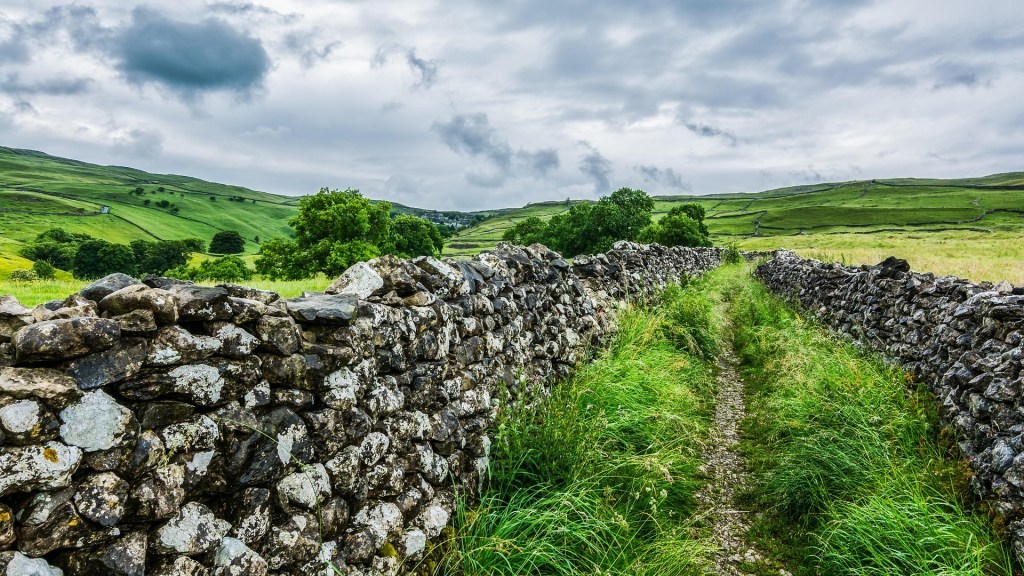
A rage garden must be efficient—every path must serve a purpose, guiding movement without obstruction. Without properly designed pathways, mud and chaos can sabotage your battle, slowing access to water, tools, and critical supply zones. Your stronghold must remain accessible, reinforced, and ready for action at all times.
1. Pathways That Serve the Battle
Your garden is not just dirt—it is an operational war zone, and your paths must allow swift movement to every necessary resource.
- Direct access to water sources—whether rain barrels, irrigation hubs, or hose points, your pathways must lead straight to hydration.
- Unobstructed routes to equipment storage—shovels, clippers, and supplies must be easily accessible, preventing wasted time or energy.
- Strategic placement of compost and soil amendments—ensuring nutrients can be quickly deployed where needed.
2. Reinforced Terrain: No Mud, No Weakness
A poorly designed path becomes a liability—muddy terrain hampers movement and drains energy. Build pathways that resist the elements.
- Gravel and crushed stone paths—keep soil compact, ensuring firm footing even in heavy rains.
- Mulched walkways—absorb excess water while providing a natural, non-slip surface.
- Brick or flagstone paths—solid and durable, giving clear structure to the battlefield.
- Wooden planks or salvaged pallets—a rugged, low-cost way to elevate paths above unstable ground.
3. Tactical Layout: Paths That Guide the Fight the Good Fight
Your garden’s layout must be intentional—every movement must lead somewhere necessary.
- Main paths wide enough for hauling materials—you should never struggle to transport supplies.
- Narrow side paths for quick access—built into dense plantings, allowing easy reach of crops without disturbing the soil.
- Drainage ditches along pathways—preventing mud buildup and standing water during storms.
Terrain Strategy: Shaping the Battlefield for Advantage
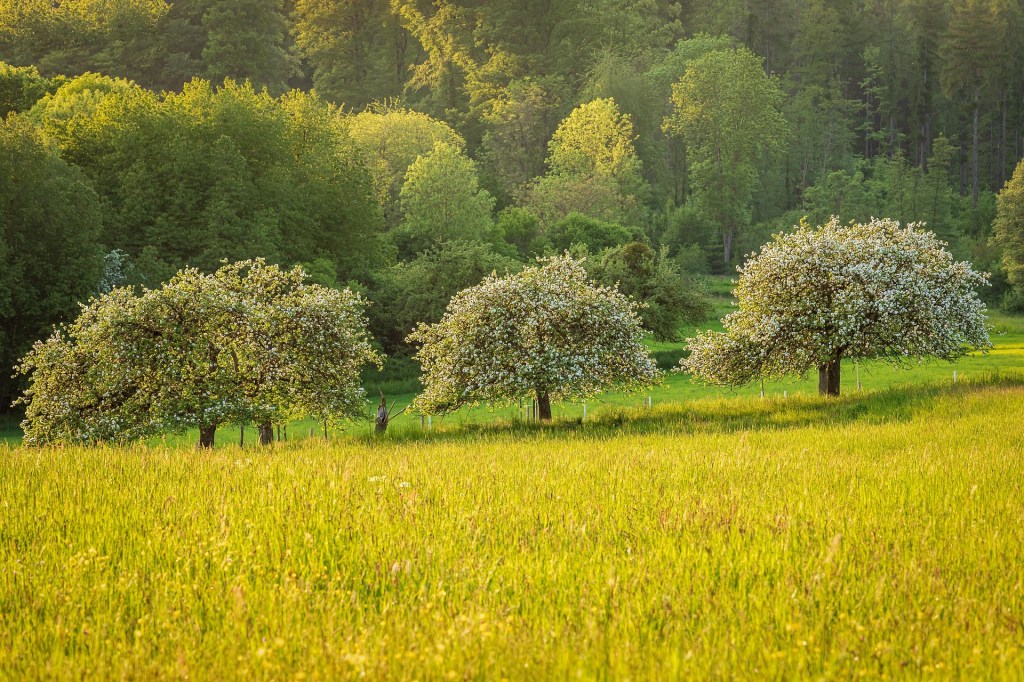
Your land isn’t random—it’s tactical. Where you plant, how you shape the soil, and where you build your strongholds determines survival and victory.
- High Ground Dominance: Frost sinks into valleys, but higher terrain stays slightly warmer—ideal for early-blooming fruit trees like apples and peaches, shielding them from late-season frost destruction.
- Sloped Land Utilization: Redirect water flow to avoid flooding weak areas—tiered planting maximizes hydration without drowning crops.
- Rock Borders & Retaining Walls: Reinforce slopes, hold soil in place, and create microclimates by reflecting heat back onto delicate plants.
- Hard Surface Heat Retention: Walls, patios, stone pathways absorb and radiate heat, creating warmer pockets for like rosemary and lavender,
Controlled Wildness: Using Chaos as a Weapon
A rage garden isn’t perfectly manicured—it’s calculated. Some areas burst with untamed energy, while others hold strong in structured formations.
- Wild Growth on Borders: Let nature fight back—edges filled with hardy shrubs, thorned hedges, or self-seeding flowers create natural defenses against invasions.
- Structured Center: The heart of your garden must be controlled and easily accessible, where the strongest crops are protected and nurtured.
- Climbers That Conquer: Vines scale walls, trellises, and archways—rising above adversity, taking every advantage available.
Your rage garden is not just planted—it is built, shaped for efficiency, resilience, and dominance. The terrain is your battlefield, every pathway a line of defense, every placement a strategic advantage.
Watchtowers & High Ground: The Overlook of Power

A kingdom without vantage points is vulnerable. A rage garden must command its territory, standing tall where the weakness of lowland frost cannot reach. Always take the high ground—it offers not just strategic visibility but natural protection against extreme cold.
- Valleys trap frost—cold air sinks into low areas, leaving them susceptible to damage. If your plants sit too low, they freeze before the battle even begins.
- High ground stays slightly warmer—frost rolls into the valleys, while elevated areas remain just above the frost line, a crucial advantage for early-blooming fruit trees.
- Plant fruit trees where frost can’t strike first—apples, cherries, peaches, and plums benefit from elevation, standing tall where they won’t be cut down by late-season freezes.
A fortress garden is more than walls—it’s about commanding the battlefield. Rise above the chaos, claim the high ground, and let your garden rule the landscape with relentless strength
Armor Against the Elements: Weather-Proofing the Battlefield
Your rage garden must endure storms, shield itself against destruction, and stand firm through uncertainty. But strength isn’t just about resisting the elements—it’s about using them to your advantage. Hard surfaces, rock formations, and walls don’t just serve as barriers—they create microclimates that enhance plant growth.
Harnessing Reflective Heat: Turning Obstacles into Advantages
Stone, brick, and concrete absorb heat during the day and release it at night, creating pockets of warmth that protect sensitive plants from temperature drops.
- South-facing stone walls or patios—capture and store heat, providing extra warmth for cold-sensitive plants like lavender, rosemary, or figs.
- Rock gardens and gravel beds—retain heat, helping herbs like thyme and oregano thrive in cooler climates.
- Urban heat pockets—brick and concrete structures reduce frost risk by radiating warmth—ideal for early-blooming fruit trees or heat-loving vegetables.
Drainage Trenches: Directing Water on Your Terms
- Heavy rains won’t flood your stronghold if water channels move excess moisture where you need it.
- Raised beds in flood-prone areas keep roots safe from drowning.
A fortress garden isn’t just a collection of plants—it’s a carefully crafted stronghold, using defense, heat, and terrain advantages to ensure survival and dominance. Claim the elements, control the battlefield, and let your rage garden thrive in any climate.
The Power of Windbreaks: Why They Matter
Wind steals moisture, damages plants, and erodes soil. A properly designed windbreak redirects and slows the wind, creating a protected microclimate where plants can thrive.
- Reduces wind speed by up to 60%—preventing plant stress and dehydration.
- Minimizes soil erosion—keeping nutrients where they belong instead of being stripped away.
- Protects fragile crops—shielding fruit trees, vegetables, and herbs from wind damage.
- Creates warmth—blocking cold gusts and allowing heat to accumulate in protected areas.
Forging Green Fury: Sustainable Plants That Refuse to Falter
A fortress garden is built for endurance, and sustainability ensures it thrives for generations.
- Native Plants: Battle-tested survivors perfectly adapted to your climate, requiring less water and maintenance.
- Drought-Resistant Warriors: Sedums, lavender, Russian sage, succulents—plants that sip water instead of begging for it.
- Deep-Rooted Fighters: Oak trees, prairie grasses—anchoring into the earth, reducing erosion, and improving soil infiltration.
- Rebirth & Regeneration Plants: Ferns, hostas, asparagus, rhubarb—cut them down, they return stronger.
- Fast-Growing Skirmish Platoons: Clover, comfrey, creeping thyme—ground cover that takes over the battlefield, leaving no room for weakness.
- Thorned and Fierce Defenders: Blackberry brambles, roses, raspberry plants—plants that demand respect.
Designing a Kingdom That Thrives in Chaos
Resilience is not passive—it is adaptation, transformation, the ability to rise despite adversity. Reflect that in your garden’s blueprint.
- Wild edges, controlled center—let your warriors grow untamed at the borders while maintaining structure inside.
- Paths that twist, not break—like a river navigating obstacles rather than collapsing under pressure. work to put paths in that stand up to mud and use.
- Climbers that ascend—vines clawing their way upward, refusing containment, reaching for dominance.
Symbols of Strength: Personal Touches That Reinforce Resilience

Your fortress garden is more than survival—it is a declaration. Add elements that tell the story of endurance.
- A broken pot turned planter—what was shattered now fosters life.
- Handmade signs with battle cries—“Endure, Rise, Fight, Thrive.”
- A storm-battered statue or marker—standing tall despite time and weather.
- Dark-hued flowers—black hollyhock, deep burgundy roses—beauty forged in shadow.
Plan for Longevity: A Kingdom Built to Last
A fortress garden is not temporary. It is built for the long haul, expanding, adjusting, adapting. Using rage as plant fuel to grow relentlessly.
- Start small, expand strategically—observe how plants stand their ground before scaling up.
- Rotate crops—prevent soil exhaustion, deny weakness a foothold.
- Encourage biodiversity—pollinators, beneficial insects, and hardy plant life strengthen the fortress ecosystem.
Victory in the Rage Garden: Strength Through Strategy
This isn’t just a garden—it’s a campaign, a force, a testament to unbreakable will. No battle is won without preparation, and no rage garden survives without a plan. Victory begins long before the first seed is sown. It starts with knowing your terrain, anticipating challenges, and building a fortress designed to withstand every assault nature throws your way.
You have chosen your ground wisely, selected your fighters with intention, and fortified your defenses against the elements. Every placement, every path, every protective barrier was built not just for survival, but for dominance. Your rage garden does not yield—it commands, it conquers, it endures.
The gods of weather will test you again—droughts, floods, storms, and frost will come. But your garden stands ready, a living testament to resilience and strategic brilliance. You planned, you adapted, and now, nothing can shake your stronghold.
So go forward with conviction. Build your fortress, defend your territory, and let your greenery rage on—not by chance, but by the power of a well-executed plan.
A rage garden does not yield—it commands, it conquers, it endures. Now, build your stronghold. Defend your territory. And let your greenery rage on.Join the Rage Garden Inner Circle
Where the wise grow stronger, wealthier, and Smarter every season.
For just $10/month, you gain access to:
- Money‑saving homestead strategies that put thousands back in your pocket
- Time‑cutting systems that free up your days and sharpen your skills
- Seasonal guides, rituals, and plant allies you won’t find anywhere else
- Exclusive content crafted for people who refuse to shrink
- First access to new tools, printables, and resources
This is more than a newsletter; it’s power. A place to gather to rise, reclaim, and root deeper into their strength.
Every month you wait is knowledge, time, and money you don’t get back. Step into the circle now and grow wild
All Rights Reserved
Discover more from Anything Agriculture
Subscribe to get the latest posts sent to your email.
