

Your rage garden is a force to be reckoned with—a rebellion against fragility, a testament to persistence, and a glorious battlefield of roots and resilience. Let’s craft something that reflects that raw energy while giving new gardeners the tools to wield their own defiant greenery.
Cultivating Fury
Not all gardens whisper in the breeze. Some roar. Some crack through concrete with ferocious determination. A rage garden isn’t about gentle caretaking—it’s about harnessing frustration, anger, and sheer willpower to cultivate something that refuses to back down.
The Battlefield Beneath: Soil & Testing
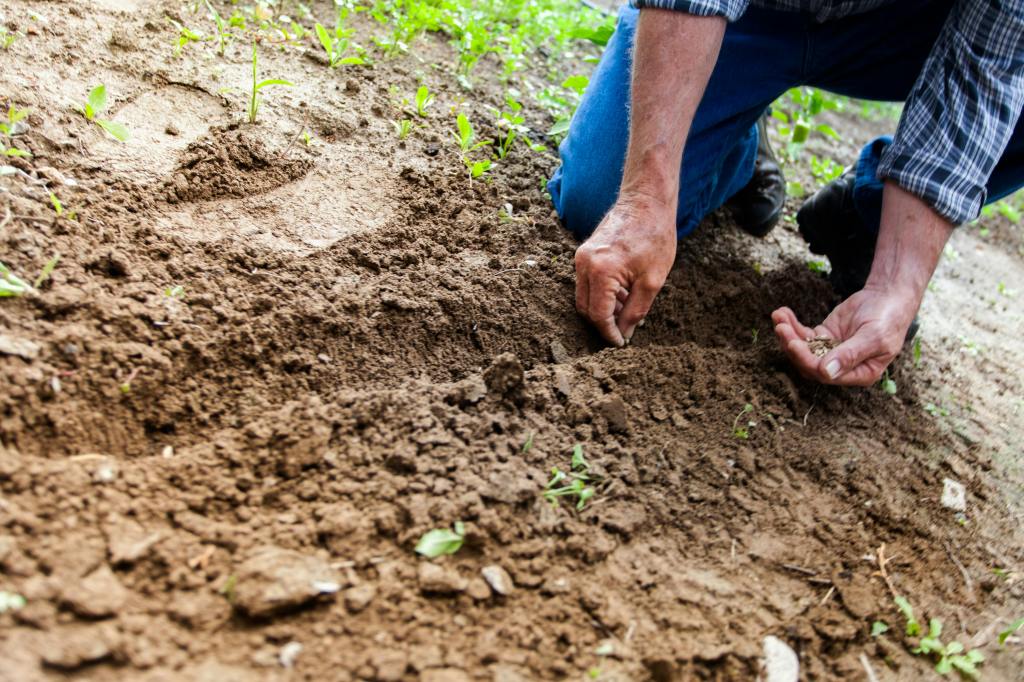
Before planting your army, you must know the terrain. Soil is more than just dirt—it’s the foundation of your battle. A rage garden isn’t built on impulse alone—it’s strategy, adaptation, and relentless determination. Before you charge into battle, know your terrain, your allies, and your weapons. Testing your soil is key to understanding its strengths and weaknesses.
- Get a soil test from a certified lab—you need the best intelligence information for your battle.
- pH levels: Is your soil acidic, neutral, or alkaline? Match your plants to the terrain or adjust with amendments to create the conditions you want.
- Nutrient density: Your plants need fuel—nitrogen, phosphorus, and potassium are the backbone of growth. If your soil is lacking, fortify it with compost, organic matter, or soil boosters.
- Drainage: Does water move freely, or does it stagnate? Compacted soil suffocates roots while overly loose soil fails to anchor plants.
- Adjust the battlefield—soil must be solid yet breathable.
Follow the recommendations on your soil test. This is the best intel you will ever get regarding your battlefield.
Weak soil leads to weak plants. Fortify your ground before you even think of planting. If your soil is weak? Fix it.
- Organic amendments: Compost, manure, leaf mold—feed the soil, and watch it feed your fighters.
- Mulch layering: Protects moisture, suppresses weeds, acts as armor against dehydration.
- Raised bed reinforcement: If your natural soil is a disaster, build up, create a stronghold, and make it your own.
- No-dig cultivation: In some battlefields, no-dig might be an option. Leave soil structure intact—disturbing the soil less reduces water and soil runoff, keeping it where it does the most good for your plants.
Here is a videos about soil testing Soil is not Dirt!
If you prefer have a read about Soil testing Soil is not Dirt!
Battle Strategy: Raised Beds, Containers, or Direct Ground Warfare
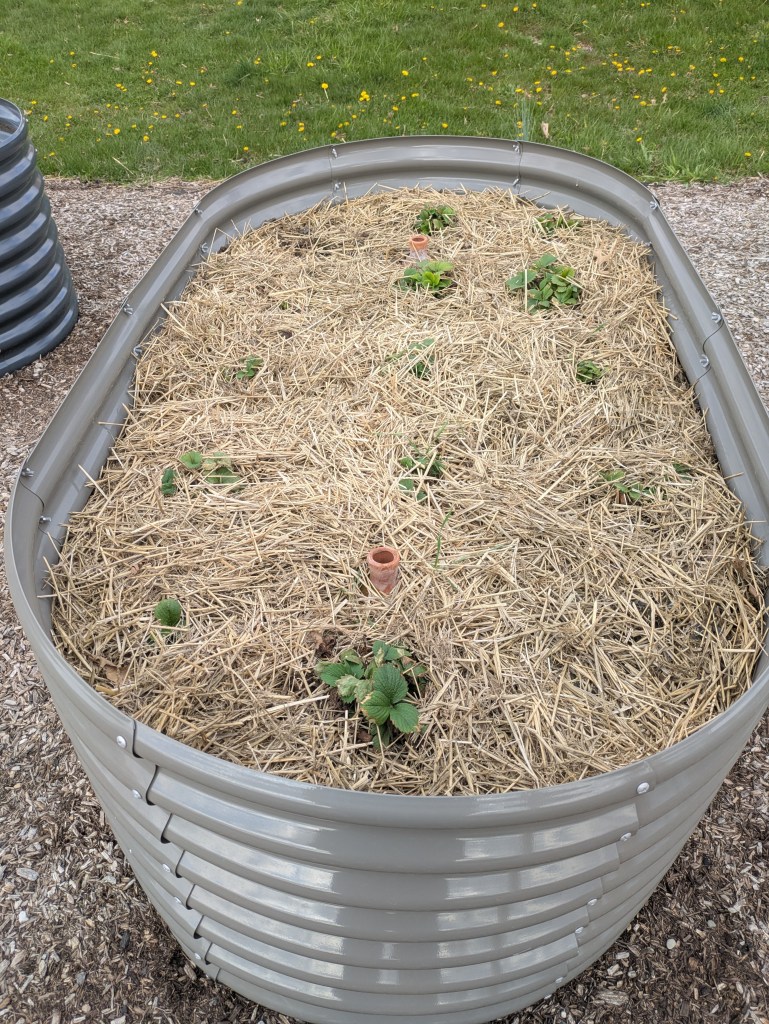
Your rage garden is adaptable. Choose your weapons wisely—each method has its strengths, each approach its battles.
- Raised Beds: Fortresses of Control Command the battlefield with elevation, structure, and resilience. Raised beds allow full control over soil quality, making it possible to cultivate strength without fighting against poor native soil. A stronghold for your fighters, raised beds offer easier nutrient management and protection from external threats.
- Containers: Portable Warriors Some battles demand mobility. If your space is limited or conditions unpredictable, containers give you the power to relocate, regroup, and reposition your forces. Move plants inside, shift them to optimal light, combine forces strategically—flexibility is resilience.
- In-Ground Planting: The Full-Scale Invasion Direct warfare with the earth itself. No barriers, no shortcuts—your plants take the soil head-on, breaking through poor ground and adapting to whatever comes. This method is both the hardest and the most rewarding—but only if you work with the land instead of fighting against it.
Your garden is a battlefield, an ecosystem, a statement of endurance. Choose your strategy, prepare for the fight, and let nothing stand in your way.
Cultivate Strength: Select Plants That Refuse to Falter

A rage garden isn’t about delicate care—it’s about fortifying life, growing with purpose, and planting warriors instead of victims. To cultivate strength, you need fighters—plants that thrive under pressure, adapt to hostile conditions, and refuse to wither in the face of adversity.
Some plants are the embodiment of persistence, thriving in harsh conditions with unwavering resolve. Consider incorporating:
- Native plants—battle-tested survivors perfectly adapted to your climate.
- Drought-resistant warriors—sedums, lavender, Russian sage, succulents. These don’t beg for water; they sip it with precision and thrive where others wilt.
- Deep-rooted fighters—oak trees, prairie grasses, and other native plants that anchor into the earth, refusing to be torn from their ground. Their presence reduces erosion and helps with water infiltration, ensuring stability in the soil.
- Rebirth & regeneration warriors—ferns, hostas, asparagus, rhubarb. Cut them down, they return stronger. These are nature’s phoenixes, coming back relentlessly year after year.
- Fast-growing skirmish platoons—clover, comfrey, creeping thyme, or cover crops. These plants quickly seize ground, fortifying the soil and deterring weeds. Ground cover that takes over the battlefield, leaving no room for weakness.
- Thorned and fierce—blackberry brambles, roses, raspberry plants. These plants demand respect—they make it clear they won’t be trifled with.
A strong garden doesn’t leave room for gaps—every plant has a purpose, whether defense, growth, or reinforcement.
Finding Worthy Allies: Companion Planting
A garden thrives with strategy—your plants don’t stand alone; they reinforce each other.
- Marigolds near tomatoes—prevent nematode attacks, a natural shield.
- Basil near peppers—strengthens flavor, repels pests, and fortifies its neighbors.
Ground Cover Strategies: Smother the Enemy
No room for weeds, no space wasted—every inch should be filled with fighters.
- Bare soil is an invitation for invaders. Cover it with low-growing but powerful plants.
- Mulching is another layer of defense—locking moisture in, suppressing weeds, and reinforcing the soil armor.
Train Your Plants for Battle
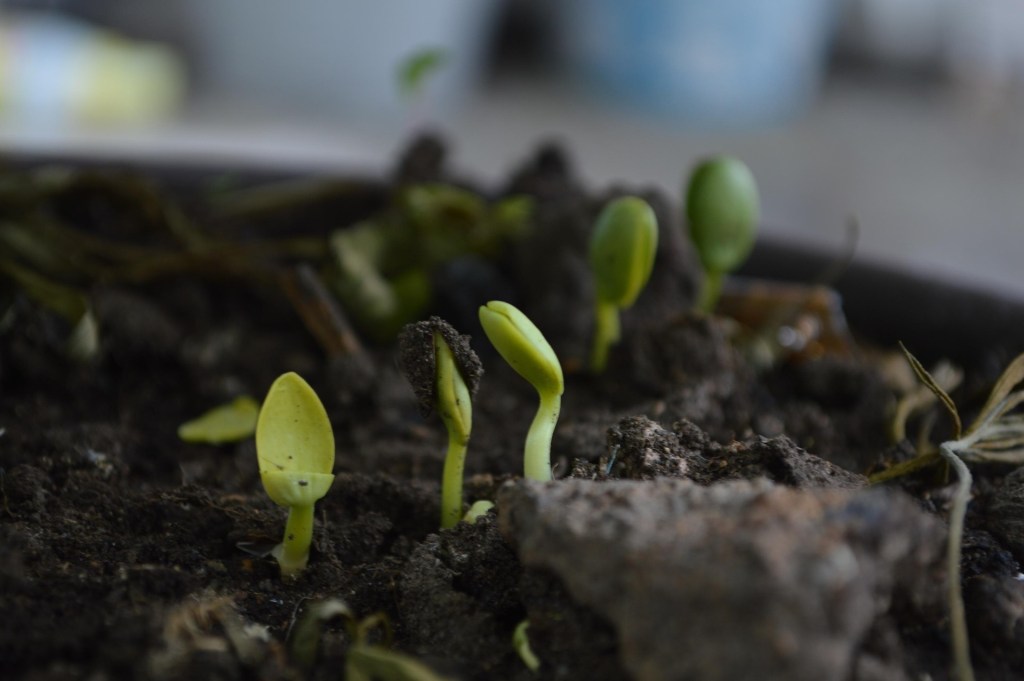
Plants that survive neglect don’t rely on coddling. If you want warriors, don’t pamper them—harden them. Every plant in your rage garden must earn its place through resilience and adaptation.
Wind Training: Strengthening Stems & Roots
Plants grown in sheltered environments collapse when exposed to strong winds or bad weather. You can’t let them be fragile.
- Expose seedlings to gentle airflow early—use a fan indoors or place them in breezy outdoor spots.
- Gradually increase wind exposure—forcing stems to thicken and strengthen.
- Stake only when necessary—over-reliance on support prevents natural adaptation. Exceptions exist, but mostly, we want our plants to stand on their own.
Deep Watering: Teaching Roots to Dig Deep

Shallow watering creates fragile plants, leaving roots weak and dependent on frequent hydration. That won’t cut it.
- Water deeply but less often—force roots to seek reserves instead of collapsing at the first sign of drought.
- Let soil dry slightly between watering—this teaches plants to hold onto moisture longer.
Temperature Fluctuations: Toughening Up Against Extremes
Plants raised in consistent, mild conditions struggle when the temperature shifts. Introduce them to the real world early.
- Harden off seedlings before transplanting—gradually expose them to outdoor temperatures over 7-10 days.
- Use cold exposure strategically—some plants, like kale and carrots, develop better flavor and resilience when exposed to frost.
Pruning & Cutting Back: Teaching Plants to Regrow Stronger
A plant that never faces loss won’t know how to recover. Controlled pruning forces regrowth and adaptation.
- Trim weak growth—cut back fragile stems to redirect energy to stronger branches.
- Deadhead flowers—removing spent blooms encourages continuous blooming.
- Cut back aggressively in off-seasons—some plants, like mint and comfrey, return stronger after being cut down.
Nutrient Control: No Overfeeding, No Weakness
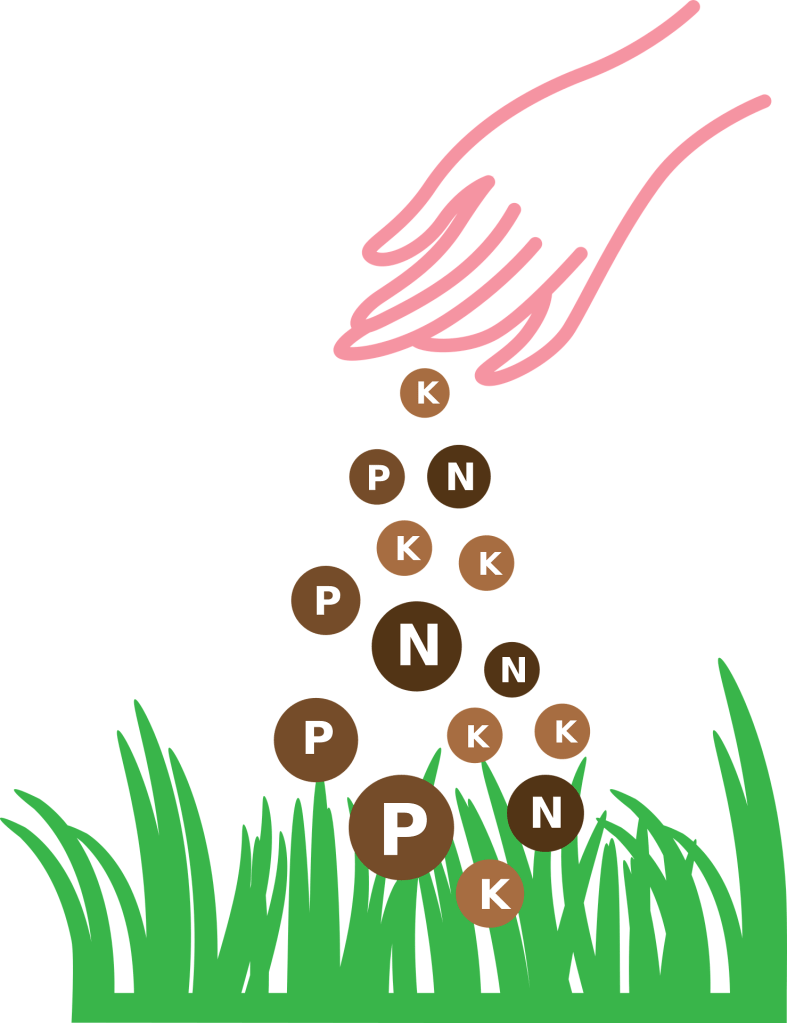
Plants that receive constant, excessive nutrients grow fast but fragile. Make them earn their strength.
- Feed sparingly—too much fertilizer creates dependency instead of resilience. Excessive feeding can lead to too much leaf growth and not enough flowers, roots, or fruit.
- Use organic matter instead of synthetic fertilizers—compost and mulch build long-term soil strength.
Your rage garden warriors must be trained for endurance—they need roots that dig deep, stems that stand strong, and resilience forged through hardship. Harden them now, so they refuse to break later.
Weeding with Fury: Eradicating the Unwanted
A rage garden does not tolerate weakness—or freeloaders. Weeds steal, weaken, and infiltrate. They sap nutrients, choke out your fighters, and test your patience. The only way to fight back? Total domination.
Hand-to-Hand Combat: No Mercy for Intruders
Weeds don’t go quietly—you rip them out at the root.
- Pull your gloves on and fight—primal fury unleashed.
- No hesitation, no weakness—eradicate them before they spread.
- Attack relentlessly—leave no remnants, or they will rise again.
Mulching: Smother the Enemy
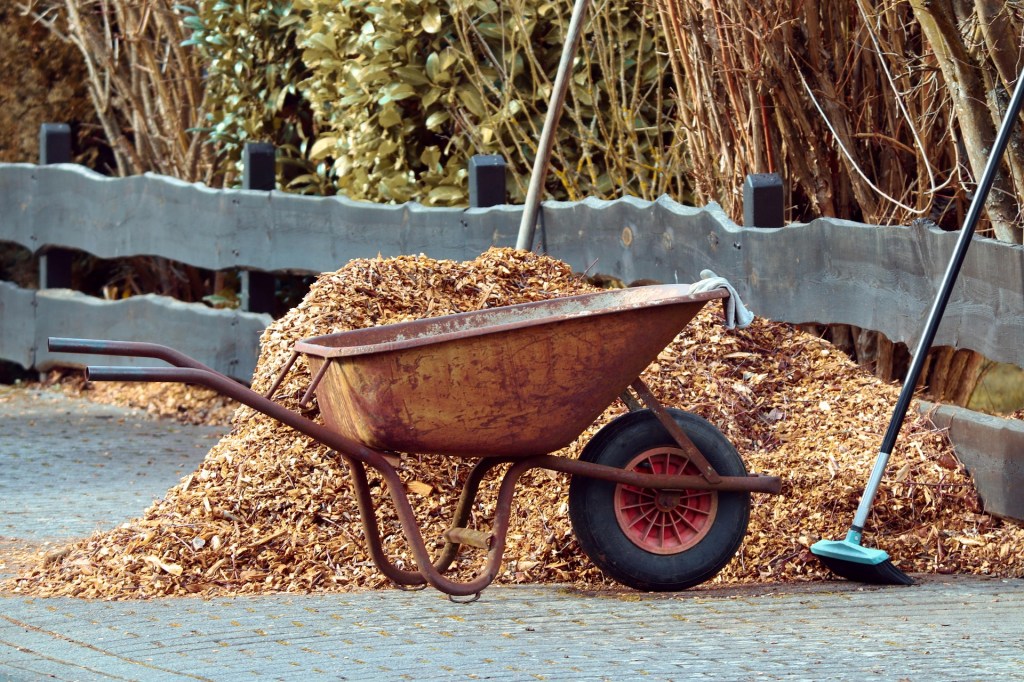
A thick layer of mulch is warfare—it denies weeds the air and light they need to survive.
- Use straw, bark, compost, or leaves—bury invaders beneath layers of suppression.
- Landscape fabric (ground cloth) can serve as a multi-year blockade against infiltration.
- Suffocate weeds before they emerge—your soil belongs to your warriors, not trespassers.
Crowding Them Out: Dominate Every Inch
A rage garden does not give weeds space to breathe.
- Plant fiercely and densely—leave no open ground for invaders to strike.
- Explore square-foot gardening techniques—tight planting chokes out weaklings.
- The less exposed ground, the fewer invaders—control the battlefield.
Strategic Weapons: Strike Without Warning
Different battles demand different weapons—choose wisely.
- Hoes: Swift removal for surface weeds.
- Weed torches: Burn them down—leave nothing behind a scorched earth policy.
- Vinegar sprays: A chemical-free assault on invaders.
Your rage garden is an ecosystem built for battle—there is no room for thieves, no mercy for competition, and no surrender to unwanted forces. Strike first, strike hard, and let your garden reign supreme.
Commanding the Elements: Tactical Water Warfare
Your rage garden does not beg for water—it is supplied efficiently, strategically, and with unwavering control.
A rage garden isn’t fragile. It doesn’t just survive—it dominates. It transforms frustration into life, turns resistance into resilience, and flourishes against all odds.
Hydration Tactics for a Resilient Garden
Your rage garden doesn’t plead for water—it strategically consumes and conserves it, using every available drop to fuel unstoppable growth. Whether drought threatens, storms flood your terrain, or you simply refuse to waste resources, your garden must drink with intention, not excess.
Rainwater Harvesting: Take What Nature Gives You
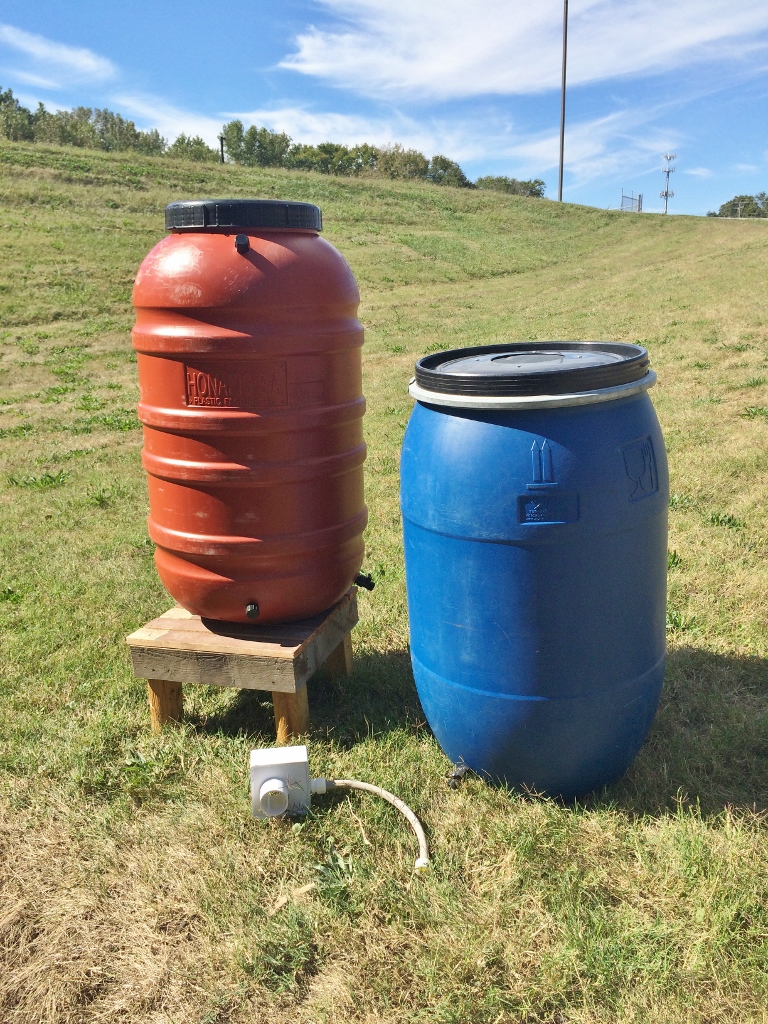
A water-smart garden is a tactical garden—it uses resources efficiently, never wastes a drop, and adapts to every challenge. Your plants don’t plead for survival—they claim it.
Rain isn’t just a passing event—it’s an opportunity. Capture it, store it, use it wisely.
- Rain barrels—install them under gutters and downspouts—every storm is an asset.
- Rock beds & collection zones—channel rain into designated areas, ensuring it feeds your plants instead of rushing away.
- Slow water down—create zones of vegetation called riparian buffers to capture water and nutrients before they escape like cowards.
Irrigation: Precision Over Waste
Forget wasteful sprinklers—efficient watering is about delivering moisture exactly where it’s needed.
- Drip irrigation—direct hydration to roots, minimizing evaporation and keeping every drop where it matters.
- Soaker hoses—slow, steady, deep watering, ensuring roots drink without surface loss.
- Ollas (clay pot irrigation)—bury unglazed clay pots near thirsty plants—water slowly seeps into the soil, preventing runoff and evaporation.
- Hand-watering with strategy—if you prefer manual control, aim at the base of plants, NOT the leaves—deep soaking is more effective than surface splashes.
Mulching: Armor Against Evaporation
Mulch is a shield against moisture loss, preventing water from escaping the soil and protecting roots from harsh conditions.
- Wood chips & bark—slow decomposition, long-lasting moisture retention.
- Straw & grass clippings—light, effective, keeps soil cool and hydrated.
- Compost & organic matter—dual purpose—retains moisture while feeding your warriors.
Drought-Resistant Fighters: Grow Plants That Refuse to Thirst
Not every plant collapses at the first sign of dry conditions. Choose warriors that hold their ground.
- Succulents & cacti—masters of water retention—minimal care, maximum survival.
- Deep-rooted survivors—prairie grasses, Russian sage, echinacea—tapping into underground reserves.
- Mediterranean herbs—thyme, rosemary, oregano—strong, resilient, thriving in the heat.
A water-smart garden is a tactical masterpiece—it does not waste, does not beg, and does not crumble under drought or flood. Every drop is used with purpose, every strategy is built for endurance. Your plants don’t plead for survival—they claim it.
Strategic Planting: Work With the Elements, Not Against Them

The placement of your garden determines how effectively it holds water. Plan with purpose.
- Group thirsty plants together—make irrigation more efficient by clustering high-water-demand plants.
- Shade-sensitive plants beneath taller warriors—big-leaved champions shield delicate ones from excessive evaporation.
- Windbreaks to prevent drying—hedges, walls, or dense plantings block moisture-stealing gusts.
Time Your Watering: Beat the Sun at Its Own Game
Timing matters. If you water at the wrong time, most of it vanishes into the air.
- Early morning watering: Before the heat hits, ensuring plants absorb moisture.
- Late evening watering: The sun has retreated—your garden drinks without fear of evaporation.
- Never midday soaking: Water evaporates before it reaches the roots.
Fix Drainage Issues: No Floods, No Droughts—Balance Is Key
Too much water is as bad as too little—make sure your soil handles it properly.
- French drains or swales: Redirect excess water where it can be useful.
- Raised beds in flood-prone areas: Keep roots safe from drowning.
- Sandy amendments in dense soil: Loosen up clay-heavy terrain for better absorption.
Weeding with Fury: Eradicating the Unwanted

A rage garden does not tolerate weakness—or freeloaders. Weeds steal, weaken, and infiltrate. The only way to fight back? Total domination.
- Hand-to-hand combat: Rip them out at the root, gloves on, primal fury unleashed—no mercy.
- Mulching—smother the enemy: A thick layer of straw, bark, compost, or landscape fabric denies weeds the air and light they crave.
- Crowding them out: Plant fiercely—leave no room for invasion. Use square-foot gardening to eliminate exposed ground.
- Strategic weapons: Hoes, weed torches, vinegar—choose your weapon and strike them down.
Battle Timing: Planting with Precision
A rage garden isn’t just about planting—it’s about timing your attack. If you plant too early, frost cuts down your forces. Too late, and your growing season shrinks.
The key to victory? Understanding frost-free dates and soil temperatures so your plants hit the ground at the perfect moment.
Frost-Free Dates: Knowing When the Threat Ends

Frost is the silent killer of tender plants. Every region has a last frost date in spring and a first frost date in fall—these mark the boundaries of your battle season.
- Last Spring Frost: The date when freezing temperatures typically stop—warm-season crops can safely go outside.
- First Fall Frost: The date when cold returns—any tender plants left unprotected will fall.
- Check your local frost dates—use resources like the USDA Hardiness Zone map or local extension services to know your battlefield conditions.
A Resilient Garden: Defiance Turned Into Beauty
A resilient garden isn’t just about survival—it’s about thriving despite adversity. Whether you’re battling unpredictable weather or simply want a garden that stands strong, these steps will help you build a space that endures.
A rage garden is defiance turned into beauty. It thrives despite neglect, flourishes through hardship, and refuses to be delicate. Whether thorns or vines, resilient herbs or unyielding blooms, this garden does not beg for survival—it demands it.
Now go forth, plant fiercely, and let your greenery rage on!
Discover more from Anything Agriculture
Subscribe to get the latest posts sent to your email.
