
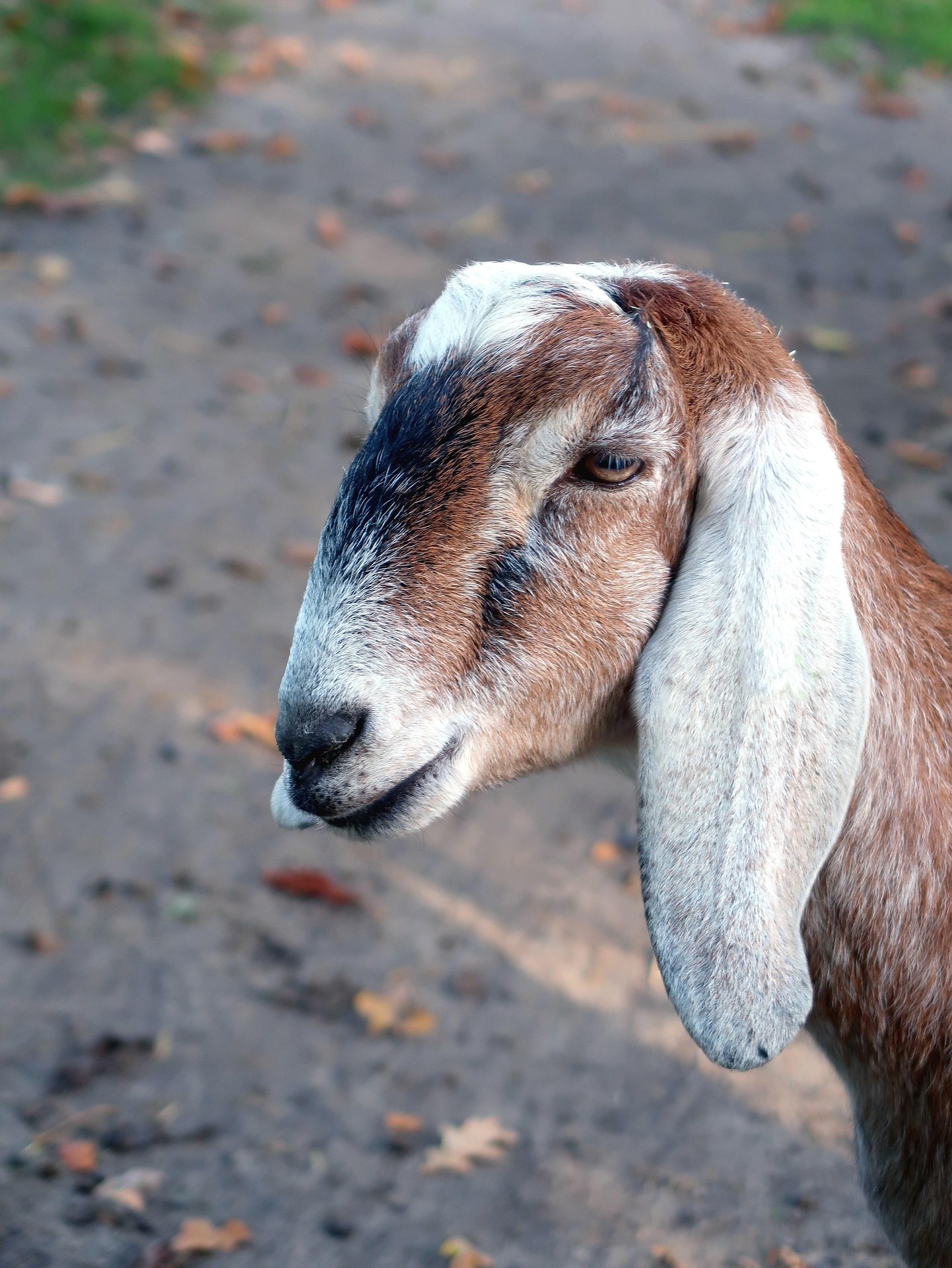
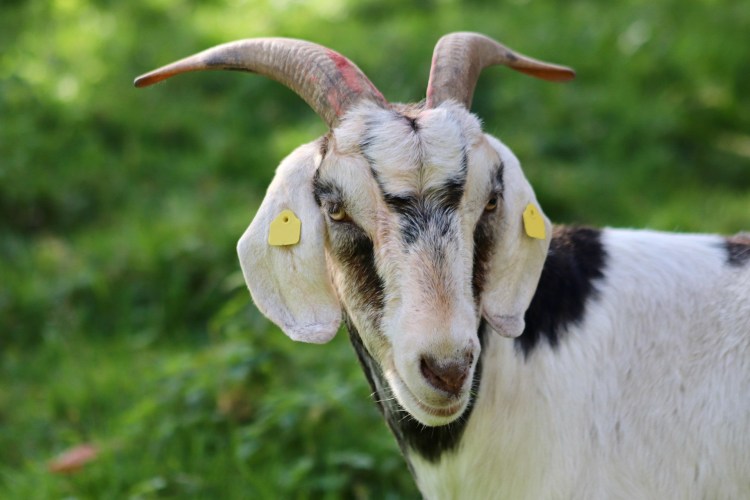
Goat farming can be a rewarding and sustainable practice, but it comes with its own set of challenges. One of the most significant threats to goat herds is predation. Predators such as coyotes, dogs, foxes, and even birds of prey can pose a serious risk to goats, especially young kids. Implementing effective predator protection strategies is crucial to ensure the safety and well-being of your goats. This article explores various methods and best practices for protecting goats from predators.
Understanding Predator Behavior
Common Predators
Coyotes: Known for their cunning and adaptability, coyotes are one of the most common predators of goats. They often hunt in packs and can take down even adult goats. Studies show that coyotes are responsible for up to 60% of livestock predation incidents in some regions

Dogs: Domestic dogs, whether stray or owned, can pose a significant threat to goats. They may chase, injure, or kill goats for sport. Stray or untrained dogs account for approximately 30% of reported goat attacks.
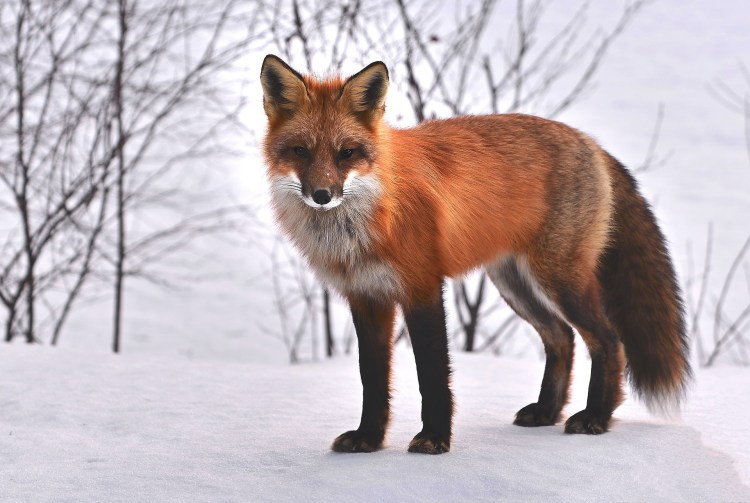
Foxes: Foxes primarily target young kids and smaller goats. They are agile and can easily slip through weak spots in fencing. Foxes primarily target young goats, with over 70% of fox-related predation incidents involving goat kids
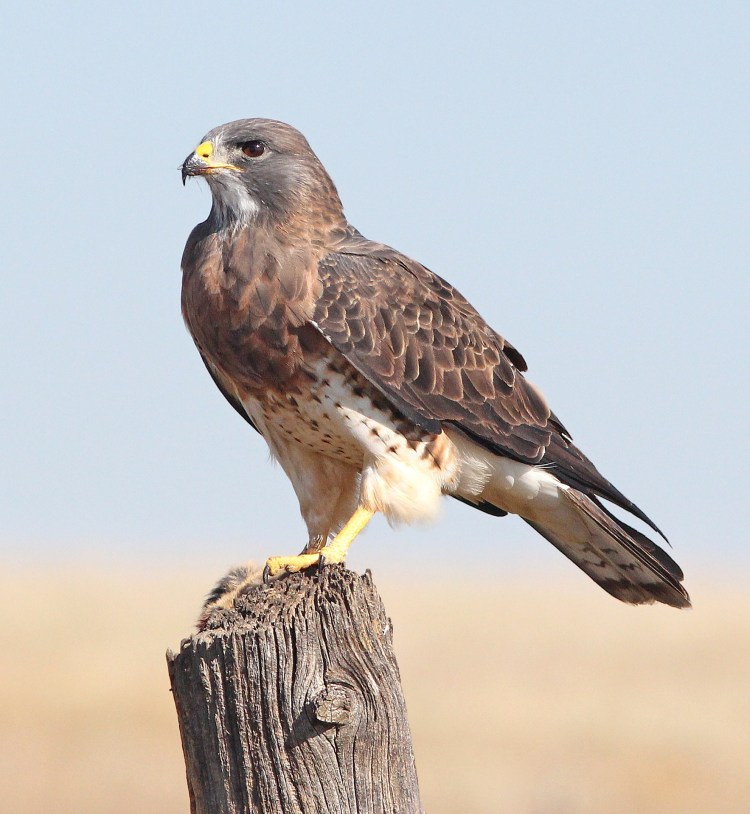
Birds of Prey: Eagles, hawks, and owls can target young goat kids, especially in open pastures. Eagles and hawks are known to target young goats, particularly in open pastures, with attack rates increasing by 40% in areas with sparse tree cover.
Predator Patterns
Predators are most active during dawn, dusk, and nighttime. Understanding their patterns can help in planning effective protection measures.
Predator Behavior Patterns
- Time of Attack: Most predators are active during dawn, dusk, and nighttime, with over 80% of attacks occurring between 6 PM and 6 AM.
- Hunting Strategies: Coyotes often hunt in packs, increasing their success rate by 50% compared to solitary hunting.
- Stress Impact: Research suggests that predation risk can suppress breeding in mountain goats, leading to lower reproductive success.
Fencing and Barriers
Electric Fencing
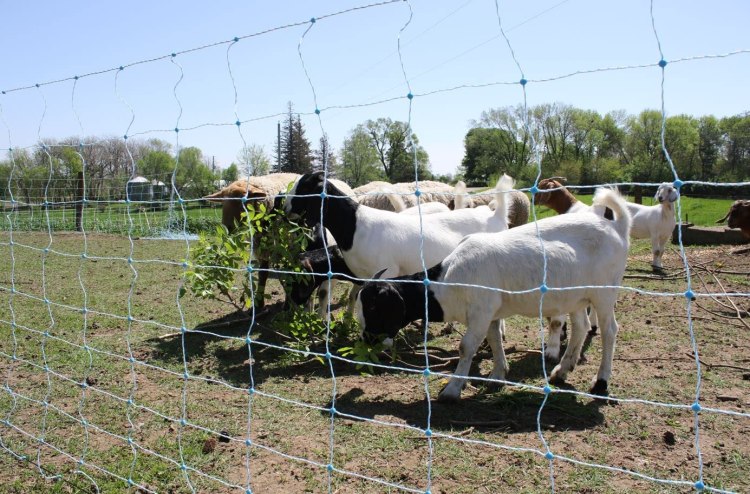
Electric fencing is one of the most effective deterrents against predators. A properly installed electric fence with a minimum of 3500 volts can keep most predators at bay. Ensure the fence is regularly maintained and free of vegetation that could short-circuit the system.Electric Fencing: Properly installed electric fencing reduces predator attacks by up to 90%
Woven Wire Fencing
Perimeter Fencing
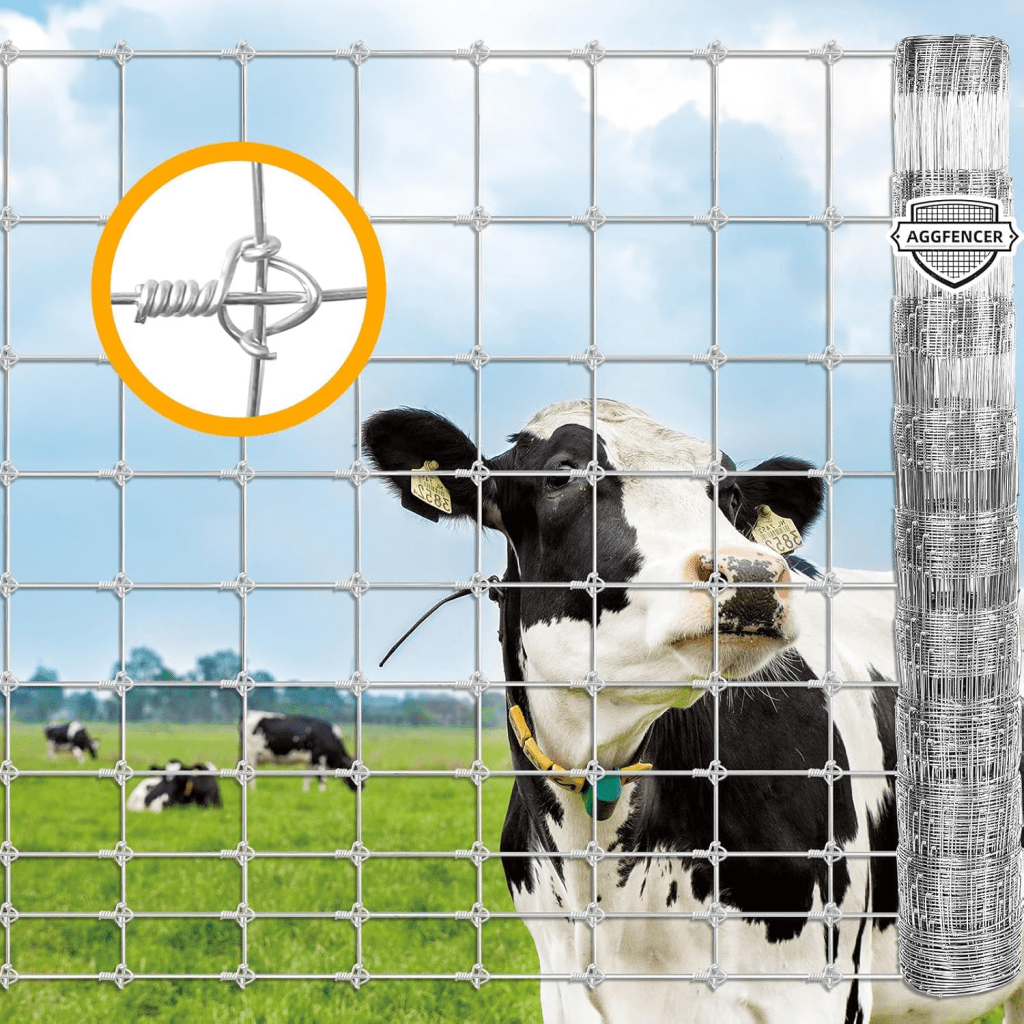
Woven wire fencing with small mesh sizes (4×4 inches or smaller) can prevent predators from squeezing through. The fence should be at least 5-6 feet high to deter jumping predators and buried at least 6 inches underground to prevent digging.
Establishing a secure perimeter fence around the entire property can provide an additional layer of protection. This fence should be sturdy and well-maintained to prevent breaches.
Don’t forget the gate! Predator-Proof Gates: Reinforced gates with secure latches ensure predators don’t exploit entry points.
Livestock Guardian Double-Layer Fencing: Combining woven wire with electric strands enhances protection against both climbing and digging predators.n Animals
Guardian Animals
Training Considerations: Some guardian dogs require specific training and bonding periods with the herd before becoming fully effective.
Mixed Guardian Strategies: Using a combination of guardian animals (like dogs and llamas together) may create a more effective deterrent system.
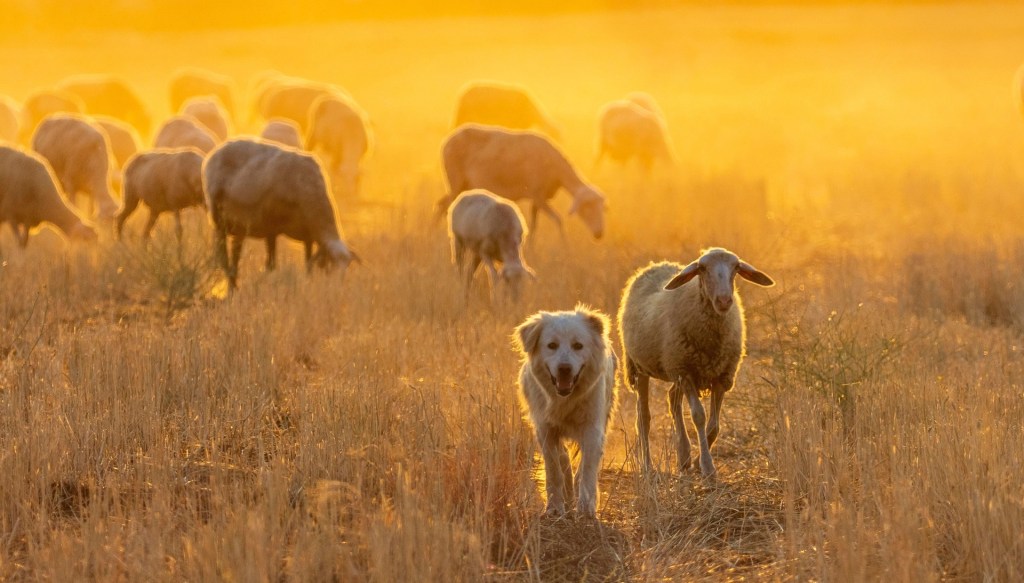
Livestock guardian dogs (LGDs) are specifically bred and trained to protect livestock from predators. Breeds such as Great Pyrenees, Anatolian Shepherds, and Maremma Sheepdogs are known for their protective instincts and loyalty. LGDs patrol the pasture, bark to deter predators, and can physically confront threats if necessary.Livestock Guardian Animals: Farms using guardian dogs report a 75% decrease in predation incidents.
Guardian Donkeys
Donkeys have a natural aversion to canines and can be effective in deterring predators like coyotes and dogs. They are vigilant and will bray loudly to alert the herd and the farmer of any danger.

Guardian Llamas
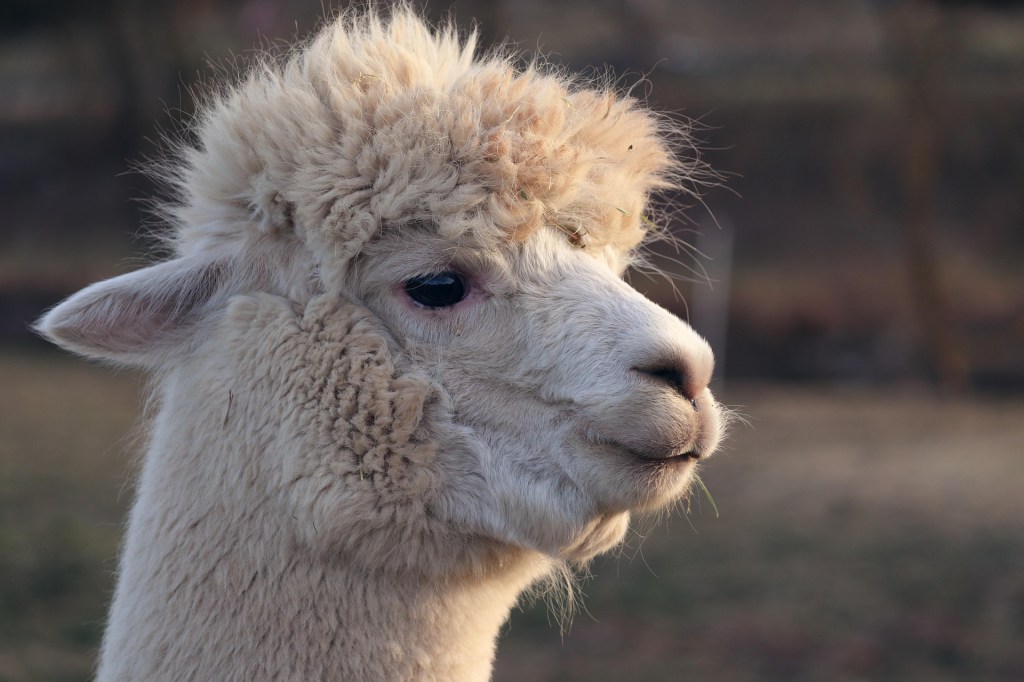
Llamas are also effective guardians, particularly against smaller predators like foxes. They are naturally curious and will chase away intruders.
Shelter and Housing
Elevated Pens: Raised structures may help protect young kids from predators that rely on ground-level attacks.
Nighttime Security Checks: Scheduled inspections of shelters can prevent vulnerabilities from developing unnoticed.
Secure Shelters
Providing secure shelters for goats, especially at night, can significantly reduce the risk of predation. Shelters should have sturdy walls, doors that can be locked, and no gaps or weak points that predators can exploit.
Night Confinement
Confining goats to a secure barn or pen during nighttime hours can protect them from nocturnal predators. Ensure the enclosure is predator-proof and regularly inspected for any vulnerabilities. Nighttime Confinement: Keeping goats in secure shelters at night lowers predation risk by over 80%
Additional Measures
Lighting
Installing motion-activated lights around the pasture and shelters can deter nocturnal predators. Predators are less likely to approach well-lit areas.
Regular Patrols
Regularly patrolling the pasture and property can help identify and address any potential threats. Look for signs of predator activity, such as tracks, scat, or damaged fencing.
Buyer Beware
Common Ineffective Predator Deterrents
Ultrasonic Sound Devices: While they claim to repel predators with high-frequency noises, many animals either ignore them or quickly adapt. Predators like coyotes and foxes don’t seem bothered long-term.
Chemical Sprays & Repellents: Predator-specific repellents may have short-lived effects, but rain, wind, and time quickly diminish their potency. They’re unreliable for protecting large outdoor areas.
Plastic Owl & Fake Decoys: Stationary decoys like plastic owls or fake coyotes may deter smaller predators temporarily, but smart animals quickly recognize them as non-threatening. They need to be moved often and changed frequently.
Motion-Activated Noise Machines: Some farmers report mixed success, but many predators grow accustomed to sudden noises and learn to ignore them over time.
Scent-Based Deterrents (Like Coyote Urine): While they may work for small pests, larger predators often disregard these scents, especially in areas where they already hunt.
Where should you put your money?
At the very least these Item should be on your list for predator deterrence. Some predator threats are relentless, so investing in the most reliable protection is a must. Here are the best items to prioritize for long-term predator defense, along with advanced techniques for persistent threats:
Strong Fencing: Electrified or reinforced fencing remains one of the most reliable defenses against predators.
Guardian Animals: Well-trained livestock guardian dogs, donkeys, and llamas provide active, responsive protection.
Regular Surveillance: Installing cameras and conducting daily fence inspections help detect weaknesses before predators exploit them.
Nighttime Confinement: Bringing goats into secure shelters at night drastically reduces attack risks.
Advanced Fencing Techniques
- Multi-Layered Fencing: Combining woven wire fencing with electric strands at different heights prevents both climbing and digging predators. High-Quality Electric Fencing – At least 3500 volts with multiple strands to deter climbing and digging predators.
- Predator-Proof Gates: Reinforced gates with spring-loaded latches ensure predators can’t exploit weak entry points.
- Buried Barriers: Installing underground fencing (at least 12 inches deep) stops predators like foxes from burrowing under.
Livestock Guardian Animals – Maximizing Protection
- Guardian Dog Training: Proper bonding and training ensure dogs recognize goats as their herd and actively protect them.
- Mixed Guardian Strategies: Using dogs, donkeys, and llamas together creates a layered defense against different predator types.
- Behavioral Monitoring: Regularly assessing guardian animals ensures they remain alert and effective.
Shelter & Housing Enhancements
- Elevated Pens: Raised structures help protect young kids from ground-level predators.
- Fortified Night Shelters: Reinforced metal or concrete walls prevent predators from breaking in.
- Automated Security Checks: Motion-activated cameras and alarms provide real-time alerts.
Additional Measures That Can Work
- Surveillance Systems: Installing motion-activated cameras helps track predator activity.
- Strategic Lighting: Well-placed motion-activated lights deter nocturnal predators.
- Noise-Based Deterrents: Loud sirens or barking sound systems can discourage predators from approaching.
When developing a strategy for protecting animals, it’s wise to plan thoroughly and err on the side of caution. What may seem excessive at first could actually be just enough to ensure their safety. Predators adapt quickly, and if your defenses are only barely sufficient, they will soon identify and exploit any weaknesses. Taking extra precautions can make all the difference in safeguarding your animals.
Protecting goats from predators requires a combination of strategies, including secure fencing, the use of livestock guardian animals, providing safe shelters, and implementing additional deterrents. By understanding predator behavior and taking proactive measures, goat farmers can create a safe and secure environment for their herds. Investing in effective predator protection not only ensures the well-being of the goats but also contributes to the overall success and sustainability of the farming operation.
Thank you for reading! I’d love for you to join my newsletter for just $10 a month. By subscribing, you’ll gain access to a wealth of valuable information that can save you thousands of dollars and hundreds of hours of time. Don’t miss out—sign up today and start benefiting from expert insights and exclusive content!
Don’t forget to check out Anything Agriculture on social media! Follow us on YouTube, Facebook, Instagram, and Pinterest for more great content. Like and subscribe to stay connected!
Ready to take your homesteading journey to the next level? Book an appointment with me today! With decades of experience, I provide personalized advice to solve any homesteading challenge. Whether you’re a newbie or a seasoned homesteader, I offer expert guidance to make your homestead thrive. Don’t miss out—schedule a chat and unlock the full potential of your homestead with Anything Agriculture. Let’s turn your dreams into reality!


Discover more from Anything Agriculture
Subscribe to get the latest posts sent to your email.
