
What is Integrated Pest Management and What Does it Have to do with Sustainable Farming?

This article contains affiliate links.
Integrated Pest Management (IPM) has a significant and positive impact on sustainable farming practices by promoting environmentally friendly and economically viable methods of pest and disease management. Here’s how IPM contributes to sustainability:
1. Reduces Chemical Dependency
One of the core principles of IPM is to minimize the use of chemical pesticides. By employing biological, cultural, and mechanical controls first, IPM reduces reliance on chemicals that can harm beneficial organisms, pollute the environment, and lead to pesticide resistance.
Sustainability Impact: Lower pesticide usage preserves soil health, protects water quality, and safeguards ecosystems from contamination.
2. Promotes Biodiversity
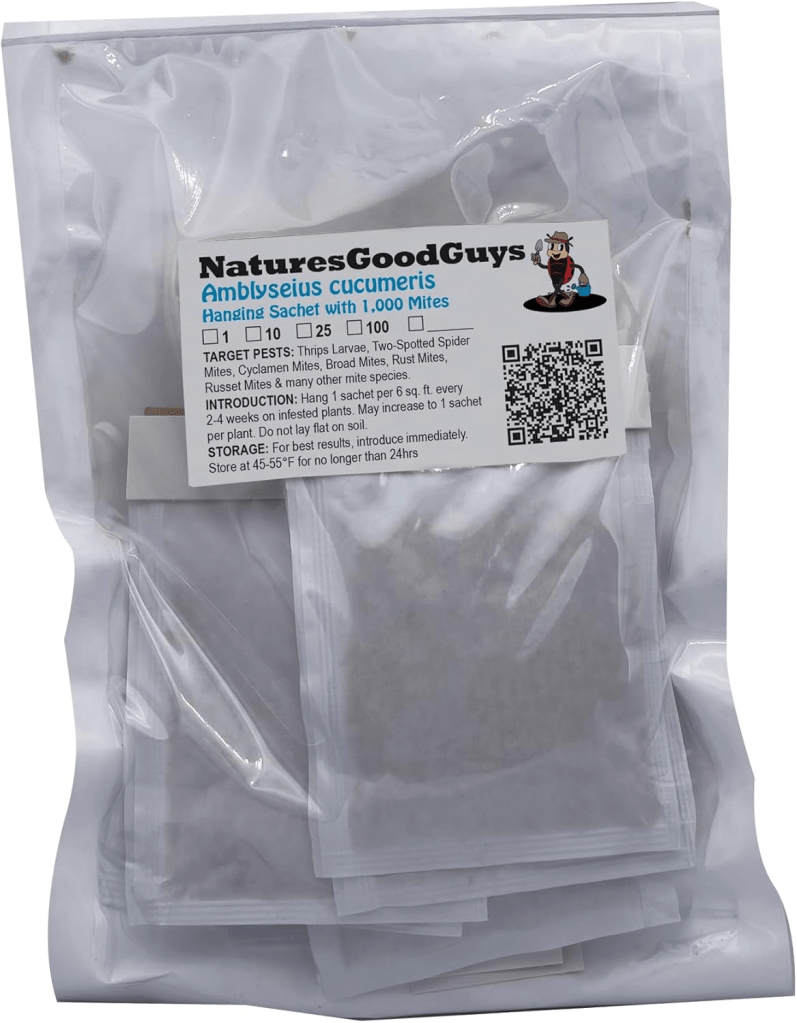
IPM encourages the use of beneficial organisms like predatory insects, parasitic wasps, and nematodes to control pests naturally. This approach fosters a diverse ecosystem where pest populations are balanced by natural predators.
Sustainability Impact: Supporting biodiversity strengthens the resilience of farming systems, making them less vulnerable to pest outbreaks and environmental stressors.
3. Preserves Soil and Water Quality
By emphasizing practices such as crop rotation, cover cropping, and the use of organic matter, IPM helps maintain soil fertility and structure. Reduced chemical use also minimizes runoff and groundwater contamination.
Sustainability Impact: Healthy soil and clean water are essential for long-term agricultural productivity and environmental health.
4. Enhances Crop Resilience
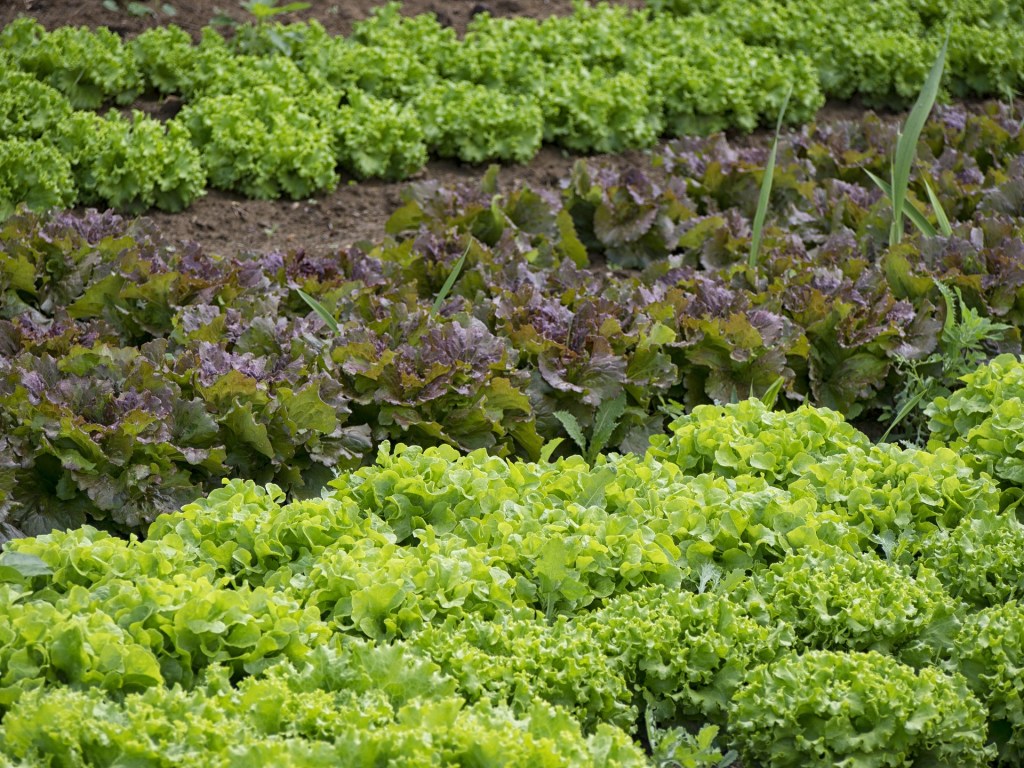
IPM focuses on building healthy plants through proper soil management, optimized planting practices, and stress reduction. Healthy crops are more resistant to pests and diseases, reducing the need for intervention.
Sustainability Impact: Resilient crops lead to higher yields with fewer inputs, improving farm profitability and reducing resource waste.
5. Reduces Greenhouse Gas Emissions
IPM techniques often involve practices like reduced pesticide application and efficient resource use, which contribute to lowering the carbon footprint of farming operations.
Sustainability Impact: By aligning with climate-smart agricultural practices, IPM helps mitigate the effects of climate change.
6. Improves Farmer Livelihoods
IPM encourages cost-effective solutions like natural predators, crop rotation, and targeted interventions, reducing expenses associated with excessive pesticide use. It also minimizes crop losses due to pests and diseases.
Sustainability Impact: Lower costs and improved yields enhance farmers’ economic stability, supporting sustainable livelihoods.
7. Encourages Holistic Farm Management
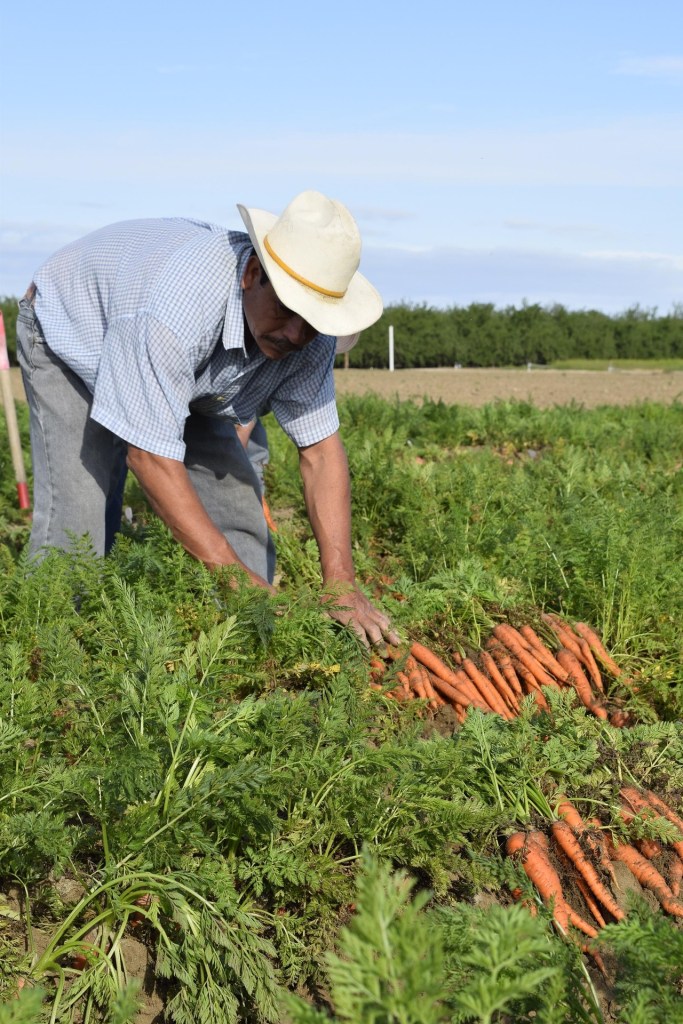
IPM integrates pest management into broader farm practices, emphasizing the importance of understanding and managing the entire ecosystem rather than treating pests as isolated problems.
- Sustainability Impact: A holistic approach ensures that farming systems remain productive and environmentally sound over the long term.
By aligning pest management strategies with ecological principles, IPM embodies the essence of sustainable farming. It ensures that agricultural practices are productive, profitable, and protective of the environment.
Integrated Pest Management (IPM) is a holistic approach to managing pests and diseases in a way that minimizes harm to the environment, beneficial organisms, and human health. It’s a sustainable method that combines various strategies to keep pest populations below damaging levels rather than aiming to eliminate them entirely. Here’s a deeper dive into IPM:
Key Principles of IPM
Prevention The cornerstone of IPM is preventing pest problems before they occur. By creating an environment that discourages pests and diseases, you can reduce the need for intervention later. Prevention strategies include:
Selecting pest-resistant plant varieties.
Maintaining healthy soil to promote strong plants.
Properly spacing plants to allow airflow and reduce humidity.
Using physical barriers like row covers to block pests.
Monitoring Regularly inspecting your greenhouse or garden is essential. Monitoring helps you identify potential problems early and determine if intervention is necessary. Use tools such as:
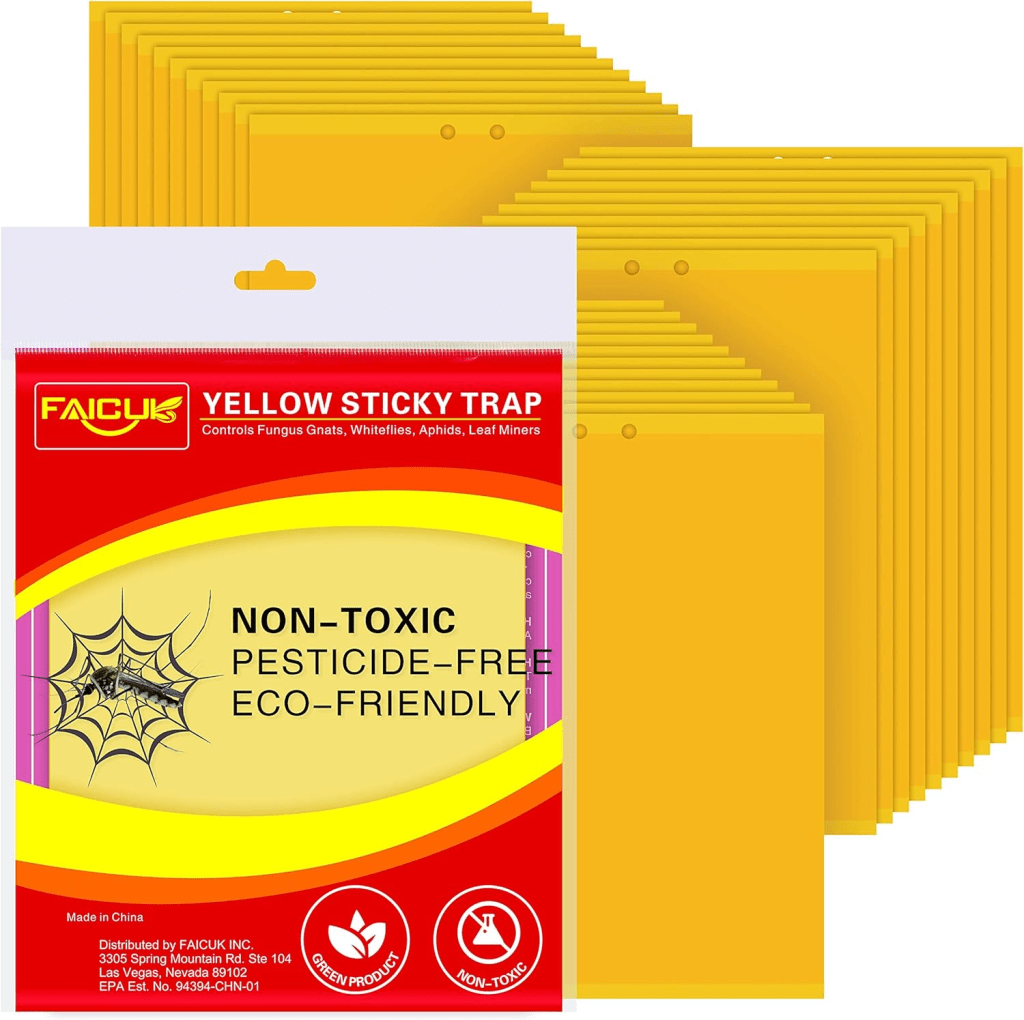
Sticky traps to track flying pests.
Visual inspections for signs of damage, pests, or diseases.
Record-keeping to track pest populations and interventions over time.
Identification Correctly identifying the pest or disease is crucial for effective management. Misidentification can lead to ineffective treatments or unnecessary interventions. Utilize resources like extension services, gardening guides, or even beneficial insect identification charts.
Decision-Making Not all pests require action. Before taking any steps, assess whether the pest population is causing significant damage. The goal of IPM is to maintain a balance rather than eradicating all pests, as some are beneficial or harmless.
Control Methods If intervention is necessary, IPM advocates for using the least harmful methods first, escalating only if required. Control methods fall into several categories:
Cultural Controls: Adjusting gardening practices, such as crop rotation or removing infected plants.
Mechanical and Physical Controls: Using traps, handpicking pests, or employing barriers like netting.
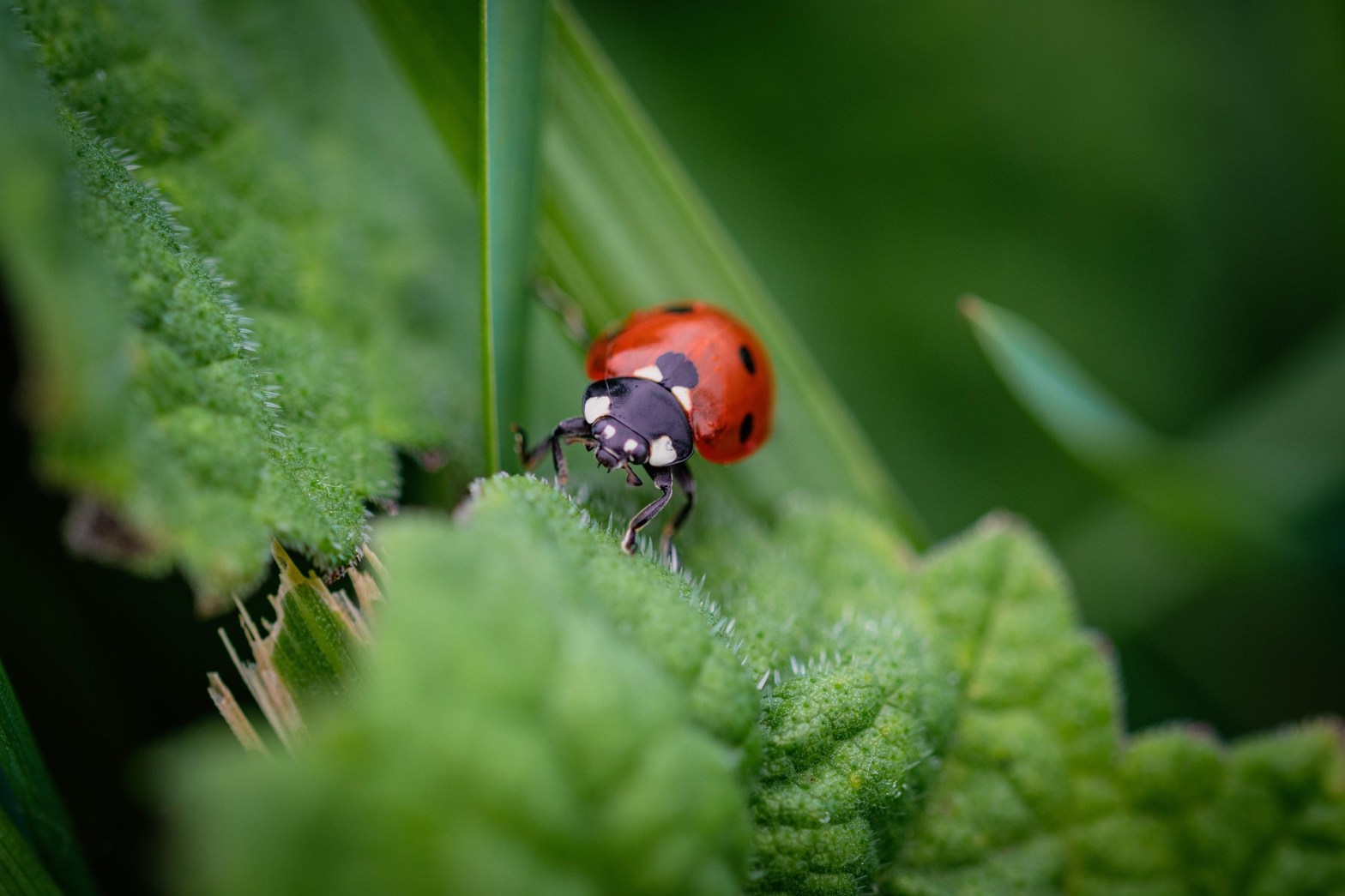
Biological Controls: Introducing beneficial organisms, such as ladybugs, predatory mites, or parasitic wasps, that naturally control pest populations.
Chemical Controls: As a last resort, using targeted pesticides or fungicides. Choose products with minimal environmental impact and always follow label directions.
Evaluation After implementing a control method, evaluate its effectiveness. Has the pest population been reduced to acceptable levels? Are your plants recovering? Adjust your strategies based on the results.
Benefits of IPM
- Environmental Protection: Reduces reliance on chemical pesticides, minimizing pollution and harm to non-target species.
- Cost-Effective: Preventative measures and targeted interventions can save money in the long run.
- Healthier Ecosystem: Encourages biodiversity by fostering a balanced environment where beneficial organisms thrive.
- Customizable: IPM strategies can be tailored to specific crops, climates, and pest challenges.
IPM is more than just a pest management method—it’s an ongoing process that helps gardeners create sustainable, thriving ecosystems. Let me know if you’d like tips on specific IPM practices for your greenhouse!
How IPM Works in Greenhouses and Garden Crops: Practical Examples
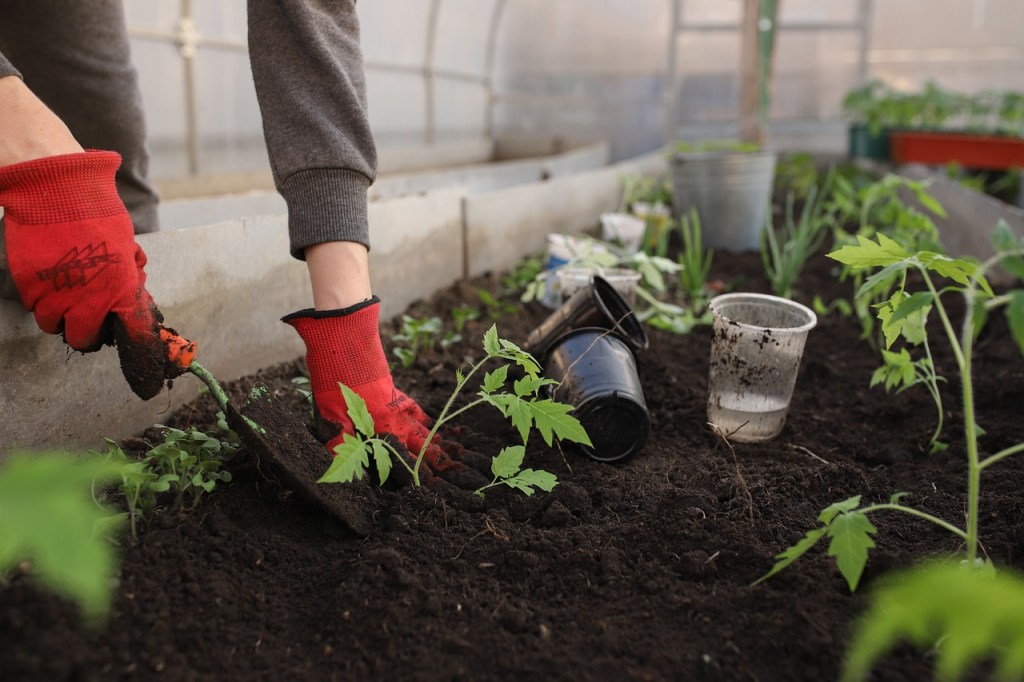
Here are two scenarios to demonstrate Integrated Pest Management (IPM) in action:
Example 1: IPM in a Greenhouse
Scenario: You are growing a variety of leafy greens in your greenhouse during the winter. You notice small holes in the leaves and a sticky residue on some plants.
Steps Using IPM:
- Identify the Problem: After careful inspection, you find aphids on the undersides of the leaves.
- Monitor the Situation: You set up yellow sticky traps to assess the aphid population and examine adjacent plants for further signs of infestation.
- Prevention Measures: You check the ventilation system and reduce humidity levels, as excessive moisture can promote pest issues. You also clean up plant debris on the greenhouse floor.
- Control Methods:
- Biological Control: Introduce ladybugs or parasitic wasps, natural predators of aphids, to help reduce their population.
- Mechanical Control: Use a strong stream of water to wash aphids off the plants.
- Organic Solutions: Apply neem oil or insecticidal soap to affected plants, ensuring it is safe for leafy greens.
- Evaluate: After a week, you notice fewer aphids, and the plants begin to recover. You continue monitoring to ensure the problem doesn’t recur.
Example 2: IPM in a Garden Crop
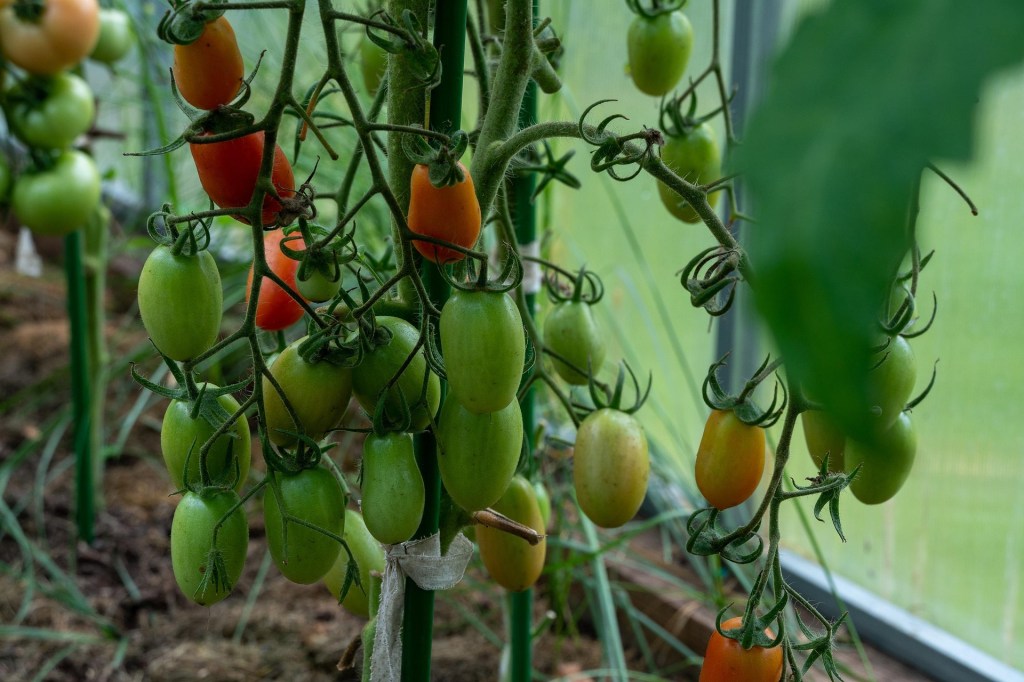
Scenario: In your outdoor vegetable garden, you’re growing tomatoes. You notice yellowing leaves with brown spots, which spread quickly across several plants.
Steps Using IPM:
- Identify the Problem: You determine the plants are infected with early blight, a fungal disease caused by Alternaria solani.
- Monitor the Situation: You observe which plants are affected and remove the worst-hit plants to slow the spread.
- Prevention Measures: You improve air circulation by pruning lower leaves and spacing out the plants more effectively. You also apply mulch to prevent soil-borne spores from splashing onto the plants during watering.
- Control Methods:
- Cultural Control: Rotate crops to avoid planting tomatoes in the same spot year after year.
- Organic Solutions: Apply a copper-based fungicide, which is effective against blight and safe for organic gardening.
- Mechanical Control: Remove and dispose of infected leaves away from the garden to prevent further spread.
- Evaluate: After implementing these measures, the spread of blight slows, and unaffected plants remain healthy. You decide to continue using crop rotation in future seasons to reduce fungal issues.
These examples illustrate how IPM combines multiple strategies to manage pests and diseases effectively while minimizing harm to the environment and maintaining a healthy growing ecosystem. Let me know if you’d like further details about specific IPM practices! 🌱✨
Thank you for reading! If you want more information and updates, please subscribe to my newsletter. Get the latest blog posts and new offers right in your email. It’s free to subscribe, and you’ll receive loads of information at no cost.
Don’t forget to check out Anything Agriculture on social media! Follow us on YouTube, Facebook, Instagram, and Pinterest for more great content. Like and subscribe to stay connected!
Ready to take your homesteading journey to the next level? Book an appointment with me today! With decades of experience, I provide personalized advice to solve any homesteading challenge. Whether you’re a newbie or a seasoned homesteader, I offer expert guidance to make your homestead thrive. Don’t miss out—schedule a chat and unlock the full potential of your homestead with Anything Agriculture. Let’s turn your dreams into reality!


Discover more from Anything Agriculture
Subscribe to get the latest posts sent to your email.
