
( all material subject to copyright. affiliate links are in the article)
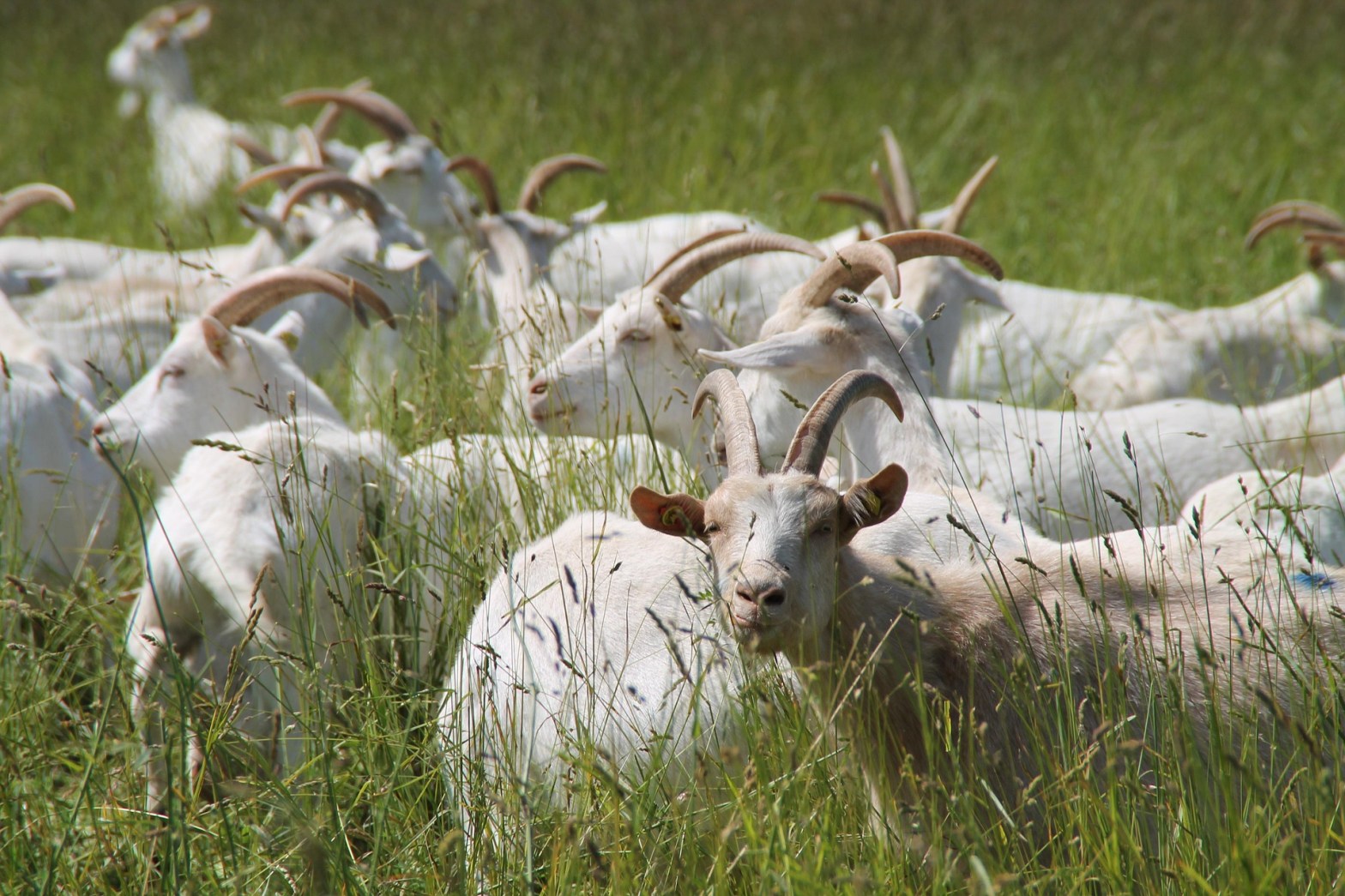
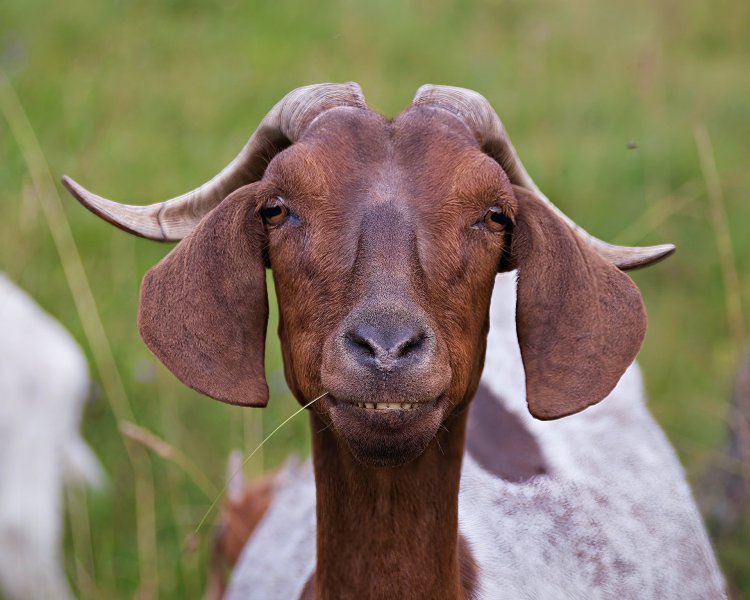
Fencing is a critical aspect of goat farming, as it ensures the safety and containment of these curious and agile animals. Goats are known for their ability to escape and their tendency to explore, making it essential to have a well-designed and sturdy fencing system. Proper fencing not only keeps goats within designated areas but also protects them from predators and prevents them from accessing harmful plants or areas. This article will explore the behavior and fencing needs of goats, evaluate different types of fencing options, and provide key considerations for creating an effective and secure goat fencing system.
Understanding Goat Behavior and Fencing Needs
Natural Climbing Tendencies
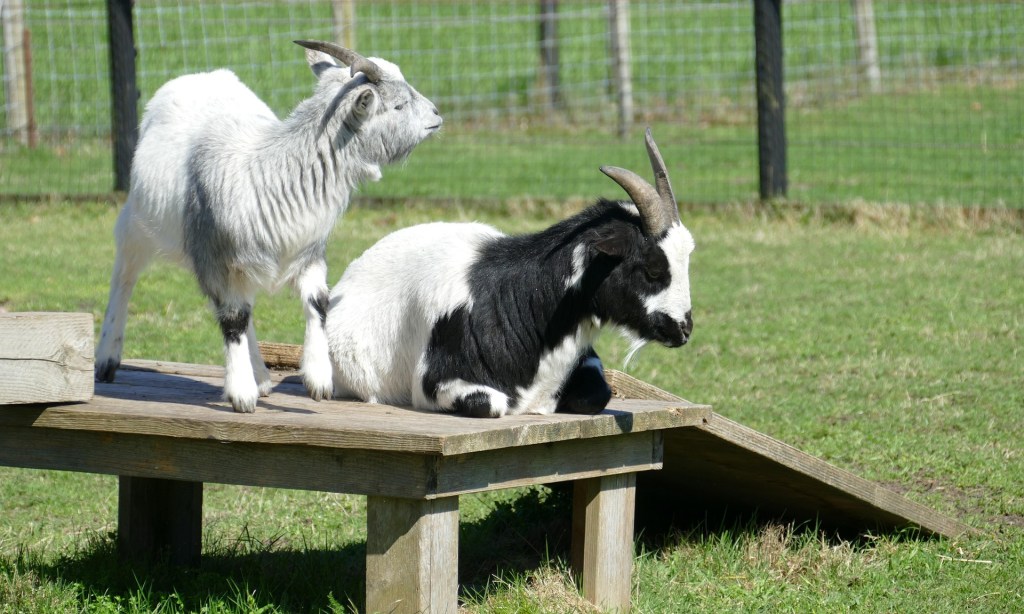
Goats possess strong climbing instincts and will naturally seek elevated positions. They’ll use any available surface, including fence posts, gates, or nearby structures, as climbing opportunities. Their agile hooves and powerful legs enable them to scale heights of 4-5 feet with ease, making vertical barriers essential for containment.
Escape Artist Capabilities
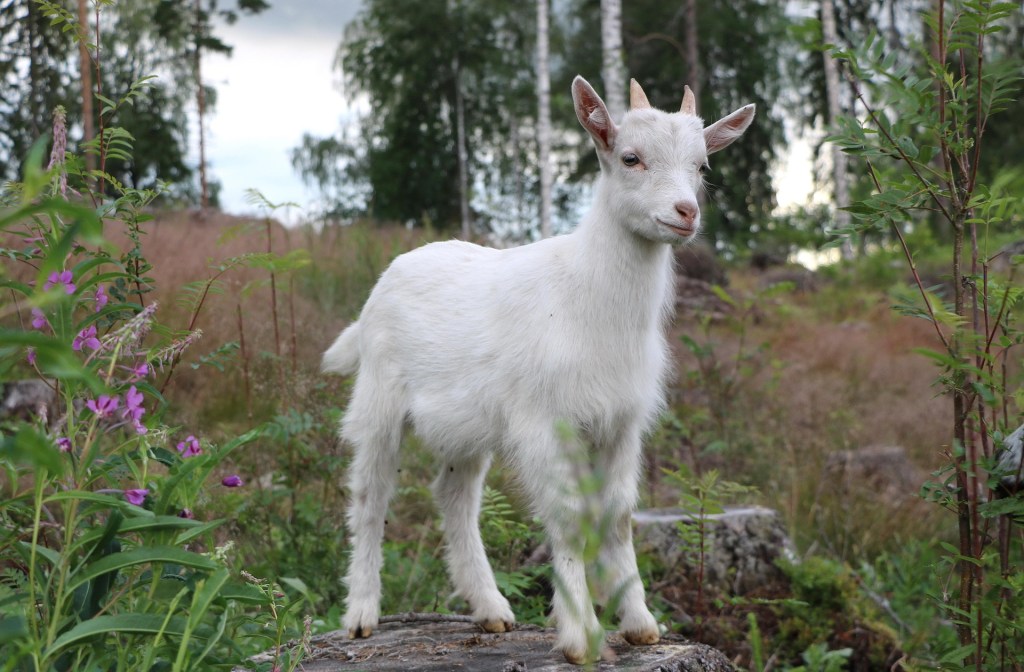
Goats are notorious problem-solvers who can squeeze through 4-inch gaps, test fence weak points, and even crawl under loose bottom wires. They’ll push against fencing repeatedly, lean on wire panels, and use their horns to create openings. These escape talents require robust fencing with minimal gaps and secure bottom anchoring.
Evaluating Different Types of Goat Fencing
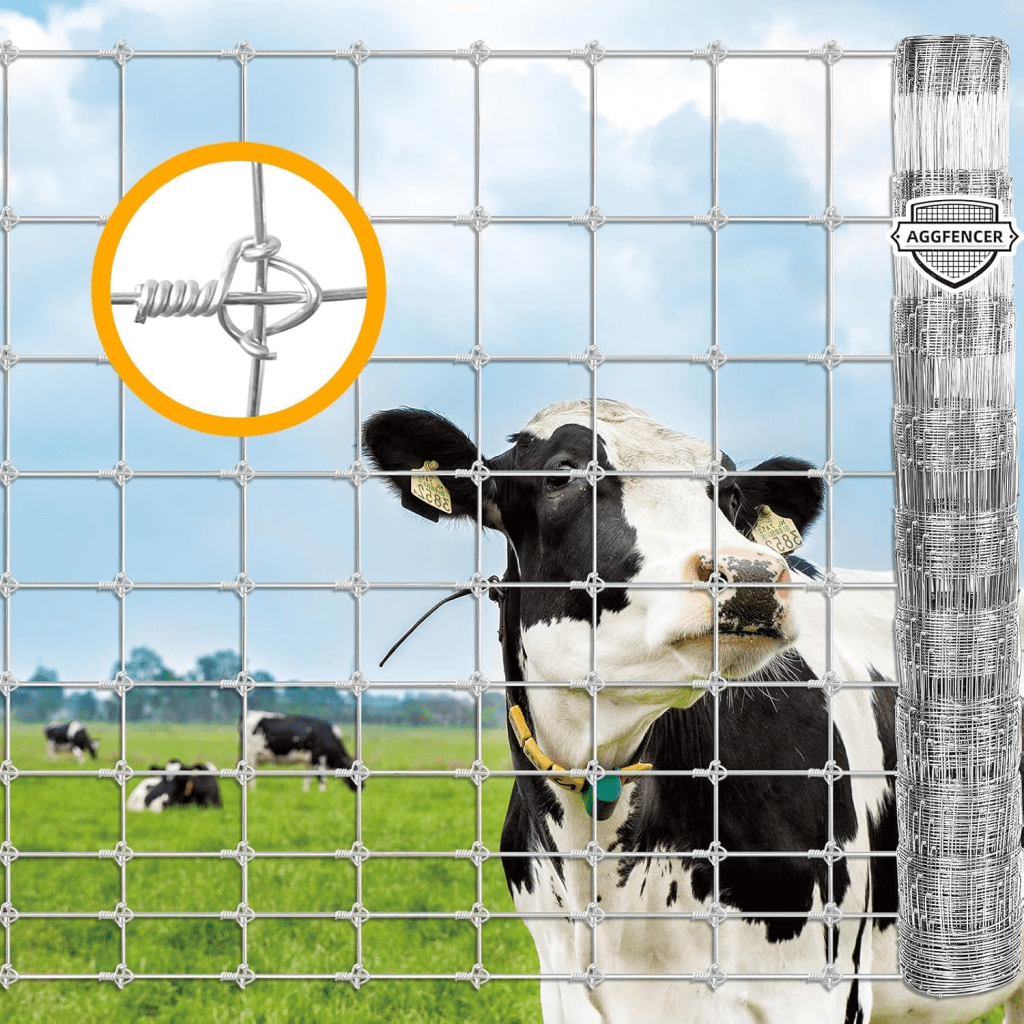
Woven Wire Fencing
Woven wire fencing provides excellent containment with 4×4-inch mesh patterns that prevent goats from pushing through. It’s durable, lasting 20+ years with galvanized coating, and reaches heights of 4-6 feet. Strong corner posts and regular tension maintenance are needed to prevent sagging.
For a strong, long-lasting fencing solution, woven wire fencing is the way to go! Unlike welded wire, which can weaken and break over time, woven wire fencing provides durability and safety for your animals. Broken welded wire can create hazards—posing injury risks or failing to keep predators out. Woven wire fencing, with its secure interlocking design, offers superior strength to prevent escapes and ensure your livestock stays protected.
Pros:
- Strong & Durable: Woven wire fencing is long-lasting, often exceeding 20 years with proper maintenance. Galvanized coatings help resist rust and wear.
- Excellent Containment: The tight mesh spacing (often 4×4 inches) prevents goats from pushing through or getting their heads stuck.
- Minimal Escape Risk: Unlike chain link or smooth wire, woven wire offers a solid physical barrier that goats can’t easily climb or squeeze through.
- Protection from Predators: The sturdy construction helps keep out predators like coyotes, stray dogs, or foxes.
- Versatile & Adaptable: Suitable for permanent enclosures and works well when paired with electric fencing for added security.
Cons:
- Higher Cost: Woven wire fencing tends to be more expensive upfront than electric wire or netting.
- Installation Effort: Requires strong corner posts and proper tensioning to prevent sagging over time.
- Maintenance Needs: Regular checks are required to tighten loose wires and ensure the fence remains secure, especially where goats might push or rub.
- Not Easily Movable: Unlike electric netting, woven wire fencing is best for permanent setups rather than temporary rotational grazing.
Overall, woven wire fencing is one of the best options for long-term containment—especially when combined with secure bottom anchoring and predator protection.
Electric Net Fencing
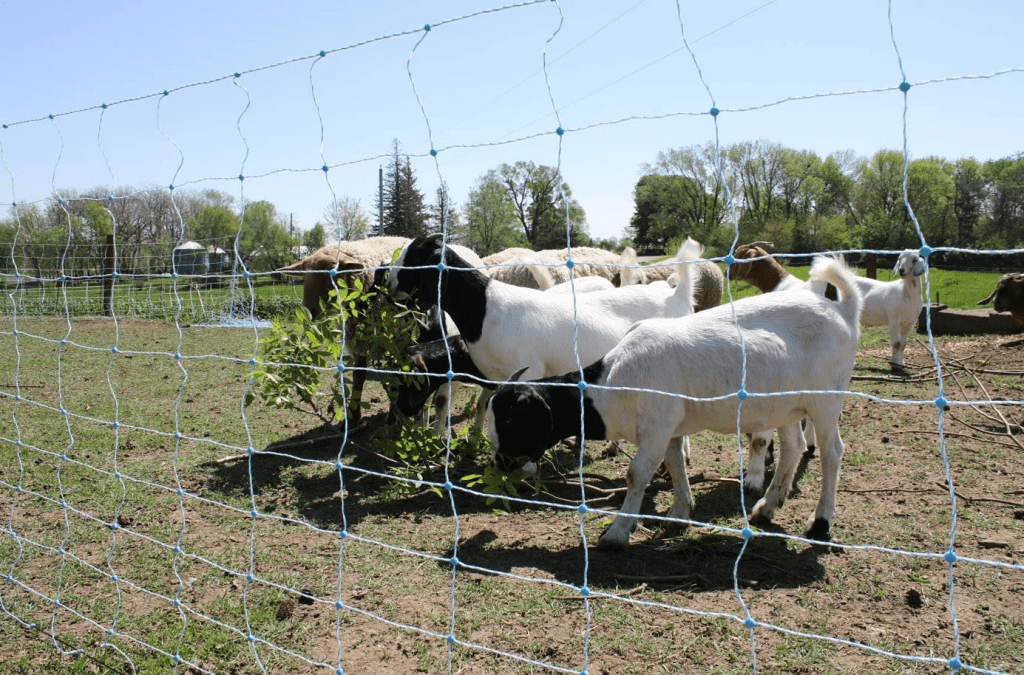
Electric net fencing combines mesh fencing with electric shock capabilities, making it ideal for rotational grazing systems. These 42-inch-tall nets feature integrated posts every 12 feet and can be moved in under 30 minutes. The tight mesh spacing prevents kids from getting stuck, while the electric current deters climbing and pushing.
For better predator protection, electric netting is a smarter choice over a single electric line. While a single wire can deter animals, electric netting creates a more reliable barrier, preventing predators from slipping through gaps or testing weak points. The close mesh design ensures full perimeter security, helping keep your livestock safe while also containing them effectively. If you’re looking for a strong, movable fencing option for rotational grazing, electric netting is a great solution!
Pros:
- Strong Containment: The tightly spaced net prevents goats from squeezing through or getting stuck, unlike wider-gapped fencing options.
- Deters Predators: The electric shock helps keep predators like coyotes and stray dogs away, increasing overall herd safety.
- Portable & Easy to Install: Electric netting is lightweight and designed for quick setup, making it ideal for rotational grazing or temporary enclosures.
- Flexible Use: Works well for various livestock, including goats, sheep, and poultry, offering a multi-purpose fencing solution.
Cons:
Potential Training Required: Some goats may initially challenge the fence, requiring adjustment periods to learn to respect the electric shock.
Requires Regular Maintenance: Netting can sag or lose effectiveness over time, requiring routine checks to ensure the charge is working properly.
Needs a Power Source: Whether solar-powered or plug-in, the fence relies on electricity, so outages or battery failure can lead to security issues.
Limited Durability: Compared to woven wire fencing, electric netting may wear out faster, especially if exposed to harsh weather or heavy use.
Risk of Tangling: Goats with horns may get caught in the netting, which can lead to injuries if they panic or struggle.
Heavy Gauge Fence Panels
Heavy gauge fence panels, such as cattle or hog panels, are strong, durable, and practical. They are easy to install and provide excellent containment for goats. These panels are rated for more than 20 years and are ideal for keeping adult goats secure.
Pros:
- Durability: Made of heavy-gauge steel, cattle panels are extremely strong and long-lasting, often lasting decades with minimal maintenance.
- Excellent Containment: The rigid structure prevents goats from pushing or bending the fence, keeping even the most determined escape artists secure.
- No Climbing Footholds: Unlike chain link or some wire fences, cattle panels have smooth vertical bars that reduce climbing opportunities.
- Predator Protection: The sturdy design helps keep predators like coyotes and stray dogs out, especially when combined with additional fencing at the bottom.
- Easy Installation & Portability: Panels can be set up quickly without needing complex tensioning. They can also be moved easily for temporary pens or rotational grazing.
Cons:
- Higher Cost: Cattle panels are more expensive upfront compared to electric fencing or woven wire options.
- Limited Flexibility: Unlike woven wire, cattle panels cannot be stretched to cover large areas, requiring more panels for big pastures.
- Gap Concerns for Young Goats: Some cattle panels have larger openings that kids (baby goats) could squeeze through if not reinforced with additional wire.
- Weight & Transport: The panels are heavy, making them harder to move for frequent rotational grazing setups.
- Not Ideal for Large Pastures: While great for pens, small enclosures, or feeding areas, they may not be practical for expansive goat pastures without additional fencing.
If you’re looking for a strong, long-term solution for pens or small areas, cattle panels are a fantastic option
Chain Link Fencing
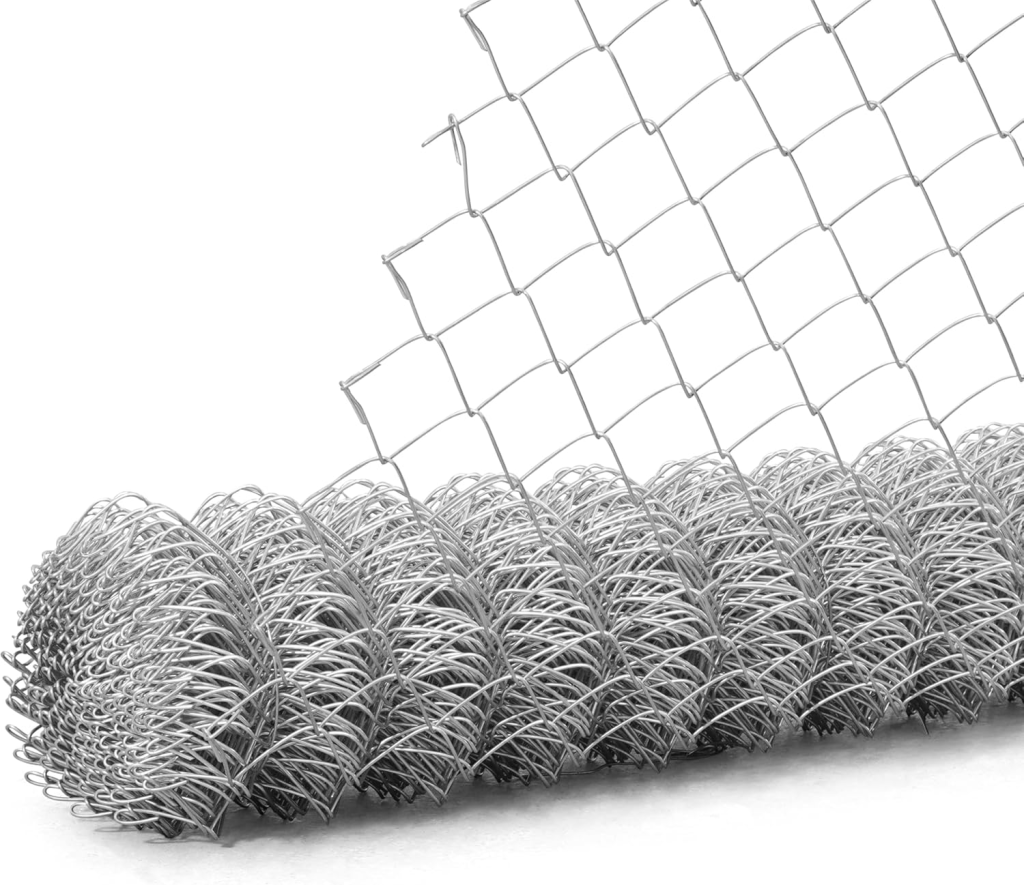
Chain link fencing is one of the most durable options but can be expensive. It is suitable for urban areas and provides strong containment. However, it may not be practical for large homesteads due to its high cost.
Chain link fencing has some drawbacks when used for goats, despite being durable. Here are a few key cons to consider:
- Climbing Risk: Goats are natural climbers, and the diamond-shaped holes in chain link fencing can give them easy footholds to scale the fence. This can lead to escapes or injuries.
- Gaps & Weak Points: Over time, chain link can stretch or bend if goats push against it repeatedly. If it loosens near the bottom, goats might find a way to squeeze under or create an opening.
- Cost vs. Functionality: Chain link fencing is more expensive than some other options, like woven wire or electric fencing, but doesn’t necessarily offer better security for goats.
- Predator Protection: While it provides a physical barrier, chain link fencing doesn’t prevent smaller predators like foxes or raccoons from slipping through gaps or digging underneath.
- Horn Hazards: Goats with horns may get caught in the mesh, leading to potential injuries.
Electrified Smooth Wire Fencing
Electrified smooth wire fencing is long-lasting and effective for large properties. It requires a power source and regular maintenance to be effective. This type of fencing can provide protection against predators while containing goats.
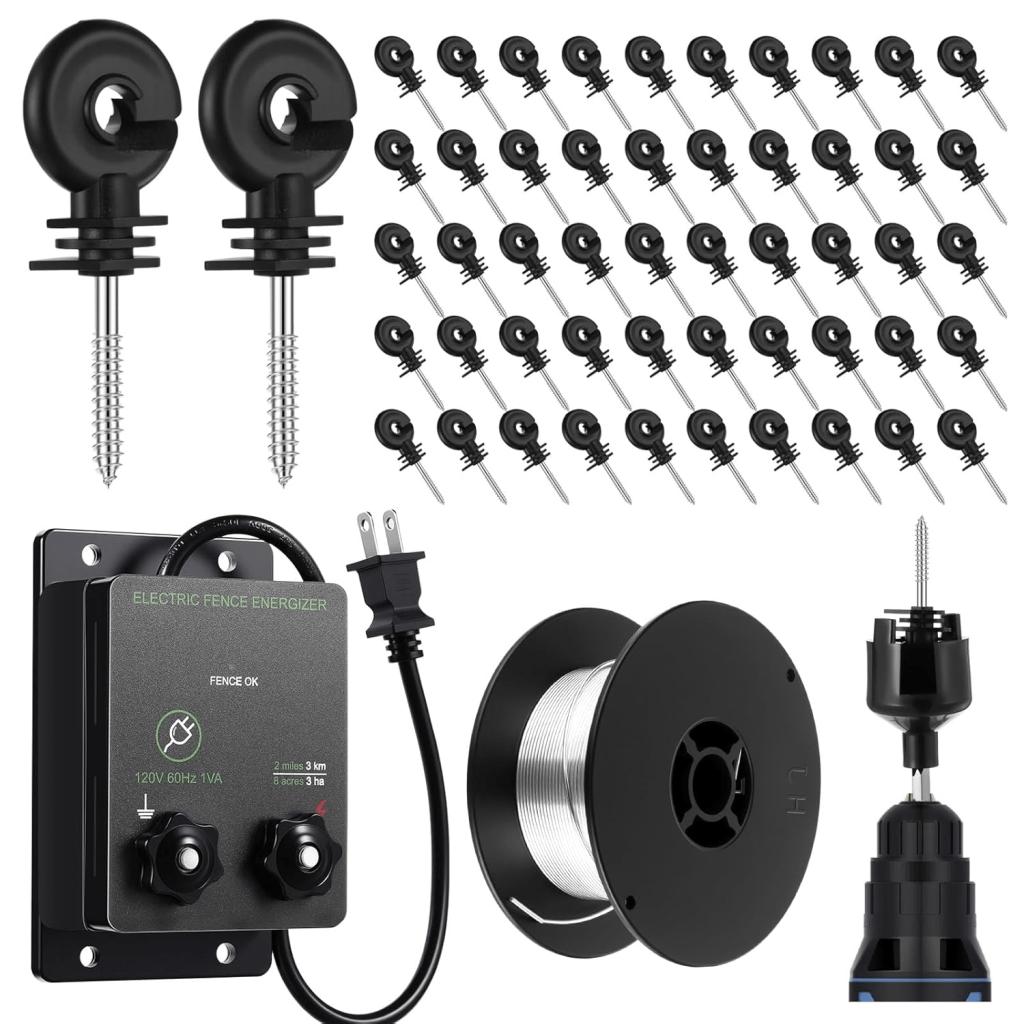
Smooth electric wire fencing can be an effective containment and predator-deterrent method for goats, but it comes with both advantages and drawbacks.
Pros:
- Effective Deterrent: The electric shock teaches goats to respect the fence, discouraging climbing or pushing against it.
- Low Maintenance: Requires less upkeep compared to woven wire fencing, as there’s no risk of sagging or stretching over time.
- Cost-Effective: Generally more affordable than woven wire fencing, making it a budget-friendly option for larger areas.
- Flexible & Expandable: Easy to install and adjust, allowing for rotational grazing and pasture management changes.
- Predator Control: The electric charge can help keep predators like coyotes or stray dogs at bay.
Cons:
Limited Physical Barrier: Unlike woven wire fencing, smooth electric wire lacks a solid structure and won’t stop small predators or animals determined to push through.
Requires Power Source: Needs a reliable electricity source, whether from a plug-in energizer or solar unit, to function properly.
Goat Training Required: Goats must learn to respect the fence, and younger or stubborn ones may test it repeatedly.
Escape Risk During Outages: If the electric charge fails (due to power loss or maintenance issues), goats may quickly realize the fence is no longer effective.
Potential Injury: While generally safe, improperly set shock levels or poorly maintained wires can cause harm to animals.
Key Considerations for Goat Fencing
- Height and Durability
- Fencing should be at least 4-5 feet high to prevent goats from jumping over. Durable materials like galvanized wire or heavy gauge panels are recommended for long-lasting containment.
- Secure Bottom Anchoring
- Ensure the bottom of the fence is securely anchored to prevent goats from crawling under. This can be achieved with buried wire or additional electric strands at the bottom.
- Regular Maintenance
- Regularly inspect and maintain the fence to address any weak points or damage. This includes tightening loose wires, replacing broken posts, and ensuring the electric fence is functioning properly.
- Cost and Installation
- Consider the cost and ease of installation when choosing a fencing option. While some types of fencing may be more expensive, they may offer better durability and security in the long run.
- Predator Protection
- Fencing should also protect goats from predators. Electric fencing and secure perimeter fencing can help deter predators like coyotes and dog

Effective goat fencing is essential for ensuring the safety and containment of your herd. By understanding goat behavior and their unique fencing needs, you can choose the most suitable fencing options for your farm. Whether you opt for woven wire, electric net fencing, heavy gauge panels, or electrified smooth wire, it’s crucial to consider factors such as height, durability, cost, and predator protection. Regular maintenance and proper installation are key to preventing escapes and accidents. With the right fencing in place, you can create a secure environment for your goats, allowing them to graze and thrive while minimizing risks. Investing in quality fencing not only protects your goats but also contributes to the overall success and sustainability of your goat farming operation.
Goat Shelter considerations
Creating a comfortable and secure shelter for your goats is crucial for their well-being. Here are some key considerations when planning and building a goat shelter:
1. Shelter Design and Size:
- Space: Each goat should have at least 20 square feet of indoor space to ensure comfort.
- Ventilation: Proper ventilation is essential to prevent respiratory issues. Ensure there are windows or vents to allow fresh air circulation.
- Protection: The shelter should provide protection from harsh weather conditions, including rain, wind, and extreme temperatures.
2. Flooring and Bedding:
Flooring: Use materials that are easy to clean and provide good drainage, such as concrete or gravel. Avoid dirt floors to minimize parasite problems.
Bedding: Straw or wood shavings make excellent bedding materials. Regularly clean and replace bedding to maintain hygiene.

3. Feeding and Watering:
- Feeders: Install sturdy feeders at a height that prevents goats from contaminating their food. This helps reduce waste and keeps the feed clean.
- Water: Provide fresh, clean water at all times. Ensure the water containers are secure and cannot be tipped over by the goats.
4. Security:
- Fencing: Strong, secure fencing is essential to keep goats safe from predators and prevent escapes. Consider electric fencing or woven wire fencing with no gaps.
- Doors and Gates: Make sure doors and gates are secure and cannot be easily opened by curious goats.
5. Health and Safety:
- Cleanliness: Regularly clean the shelter to prevent the buildup of waste and reduce the risk of disease.
- Healthcare: Designate an area for administering healthcare treatments and quarantine sick goats if necessary.
6. Enrichment:
- Climbing Structures: Goats love to climb! Providing platforms, ramps, and other structures can help keep them entertained and healthy.
- Social Interaction: Goats are social animals, so having companions and enough space for interaction is important.
Investing in a well-designed and maintained shelter will ensure your goats thrive and stay healthy. If you have specific needs or constraints, feel free to ask! 🐐🏠
Thank you for reading! If you want more information and updates, please subscribe to my newsletter. Get the latest blog posts and new offers right in your email. It’s free to subscribe, and you’ll receive loads of information at no cost.
Don’t forget to check out Anything Agriculture on social media! Follow us on YouTube, Facebook, Instagram, and Pinterest for more great content. Like and subscribe to stay connected!
Ready to take your homesteading journey to the next level? Book an appointment with me today! With decades of experience, I provide personalized advice to solve any homesteading challenge. Whether you’re a newbie or a seasoned homesteader, I offer expert guidance to make your homestead thrive. Don’t miss out—schedule a chat and unlock the full potential of your homestead with Anything Agriculture. Let’s turn your dreams into reality!


Discover more from Anything Agriculture
Subscribe to get the latest posts sent to your email.
