
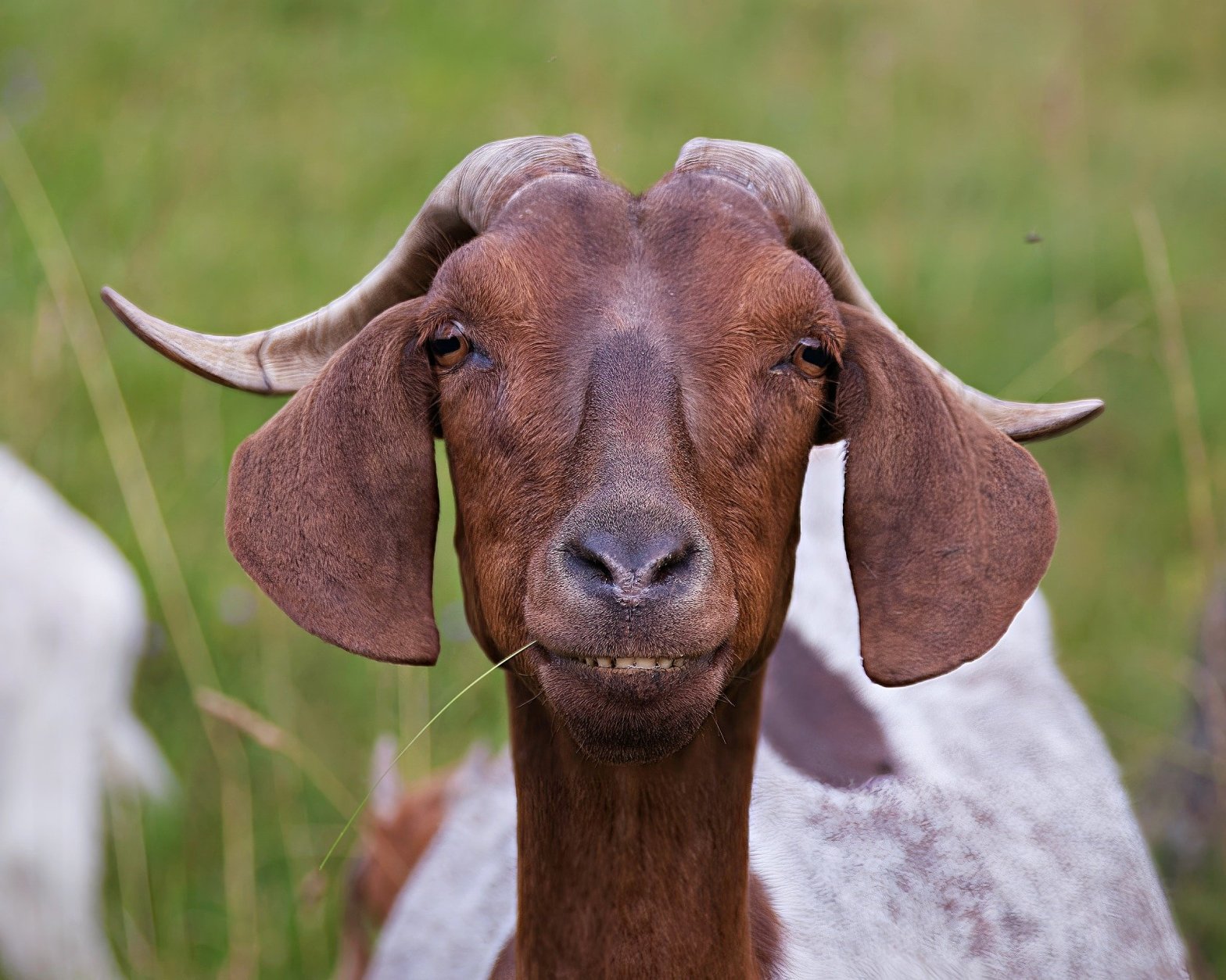
Imagine this: your goats, thriving on lush, well-managed pasture, not only saving you money on feed but also taking on the role of expert landscapers—clearing weeds and brush effortlessly. Goat grazing isn’t just about letting your herd loose in a field; it’s an art and a science that can transform the way you care for your animals and your land.

If you’ve already experienced the joy of keeping goats, learning more about effective grazing techniques can unlock a whole new level of success. From improving pasture quality to boosting your goats’ health and productivity, there’s so much to gain by diving deeper into this topic. Let’s explore how mastering grazing management can turn your farm into a sustainable, thriving ecosystem! Just seeing them out there…. But there’s more than that…. There is a lot to consider when putting goats on pasture. This should help you though some of the decisions you need to make.
Raising goats on pastureland offers a multitude of benefits that go beyond just the picturesque sight of healthy animals grazing in open fields. Goat grazing is not only economically sustainable but also promotes animal health, wellness, and longevity. Additionally, it provides an effective solution for weed and brush control. However, successful goat grazing requires careful management and an understanding of the challenges involved. This article explores the advantages and disadvantages of goat grazing, along with essential management practices to ensure a thriving and productive goat farming operation.
Goats are browsers rather than true grazers. Browsing means that goats typically prefer eating shrubs, woody plants, and weeds over grasses. However, they are quite adaptable and capable of grazing on grass especially if it is high quality. They enjoy mixed pastures because of their browsing ways.
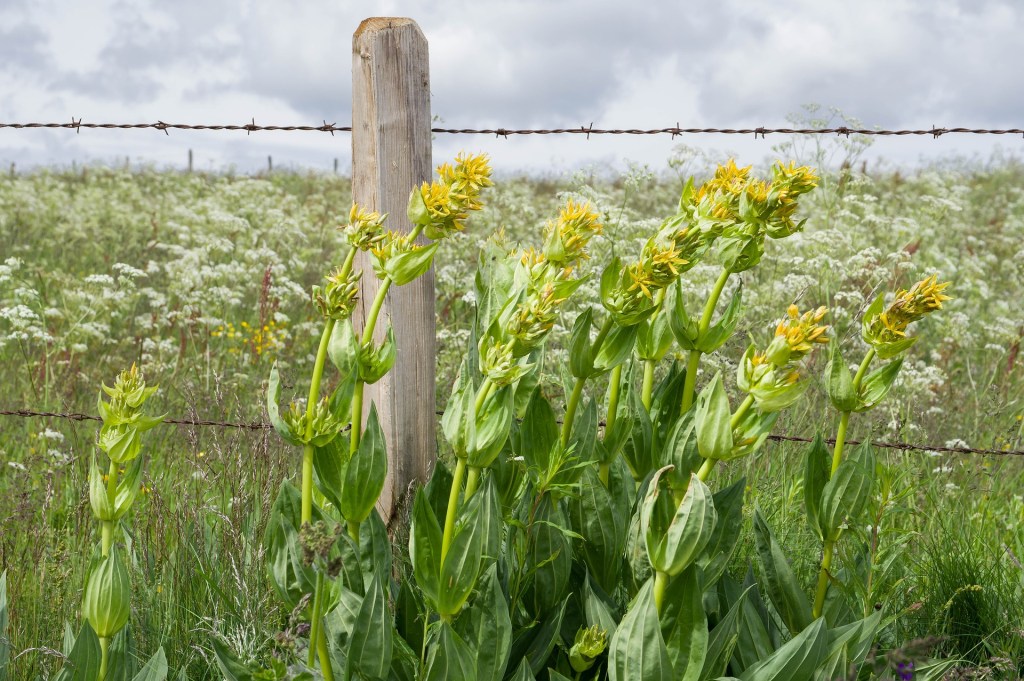
Some issues to keep in mind when setting up your goats on grazing.
Browsing Preference: Goats naturally gravitate towards browsing because they are selective eaters. They look for the most nutritious and tender parts of plants, such as leaves, twigs, and flowers. This makes them excellent for clearing invasive weeds and brush in pastures.
Grass Grazing: While goats are not as efficient at grazing grass as sheep or cows, they will eat grass if it’s available, especially when there isn’t enough browse. However, they tend to prefer grasses at an earlier growth stage when they are more tender and nutritious.
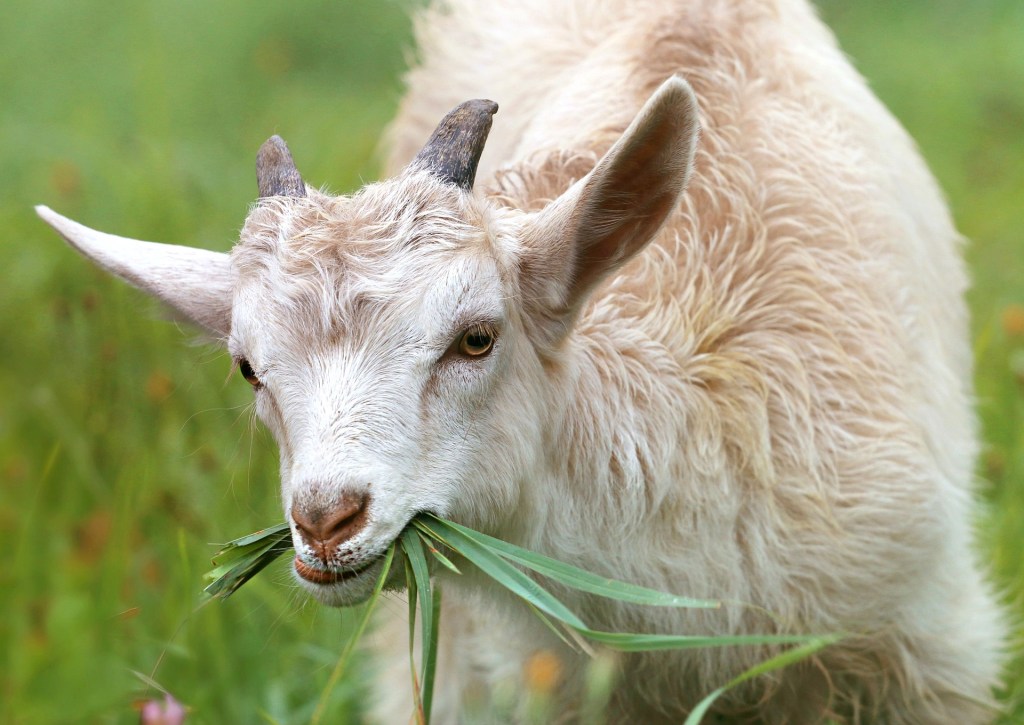
Pasture Management: Properly managed pastures with a mix of grass, legumes, and browse plants work best for goats. Rotational grazing helps balance their dietary needs and prevents overgrazing, which can lead to poor forage quality and an increase in parasites.
Benefits of Goat Grazing
- Economic Sustainability
- Feed costs are the most expensive part of raising goats. Hay and grain are more expensive than pasture. In a well-managed pasture with sustainable stocking rates, grazing can be accomplished for most of the year with minimal hay/grain input as needed. Goats are very good at selecting the highest quality plants or portions of plants to graze.
- Without pasture, it would be really hard, if not impossible, to make money raising goats for commercial and breed stock purposes. Pasture-based systems reduce feed costs significantly, making goat farming more economically viable.
- Animal Health, Wellness, and Longevity
- Goats are adapted to forages better than concentrates. Diseases like urinary calculi, ketosis, overeating disease, and listeriosis are more likely to be present in intensive management with concentrate feed mixes. Most germs are in the barn! Sanitary conditions in their shelter is a must.
- Goats are uniquely equipped to utilize the most nutritious parts of brush and weeds, and they prefer it over improved forage. Grazing on diverse pastures can improve their overall health and longevity by providing a balanced diet and reducing the risk of diseases associated with high-concentrate diets.
- Goats with access to quality grazing and well-maintained pastures are less likely to cause damage to fences and shelters. With their needs met, they tend to climb less and require minimal entertainment. As a result, there is a significant reduction in injuries that need attention. A bored goat, on the other hand, often finds trouble to get into!
- Weed and Brush Control
- Goats are excellent at controlling weeds and brush. For example, multiflora rose was overrun in 1990, but now it’s all gone without the use of herbicides. Goats can help manage invasive plant species and maintain healthy pastures by grazing on unwanted vegetation.
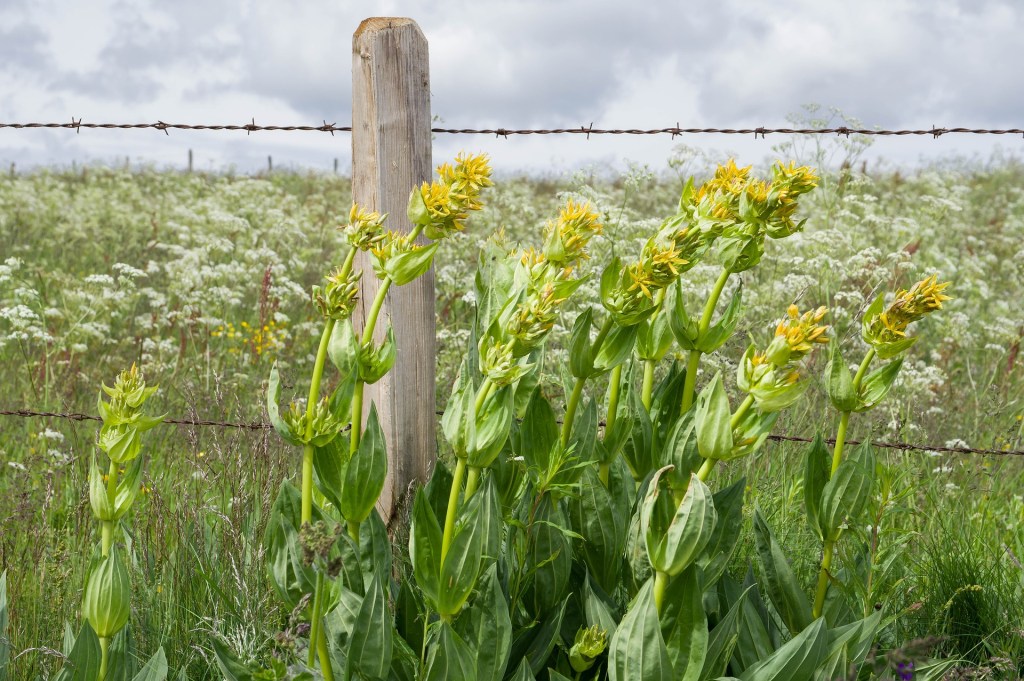
Challenges of Goat Grazing
- Management and Weather
- Good pasture doesn’t just happen; good management (and a little luck) makes it happen. Unpredictable weather affects production. Droughts, excessive rainfall, and extreme temperatures can impact forage availability and quality.
- Susceptibility to barber pole worm is a significant concern. Goats pick up worm larvae while grazing, leading to anemia and death. Effective parasite management is crucial to maintaining a healthy herd.
- Predators and Accidents
- Death from predators like coyotes and dogs is a constant threat. Proper fencing and the use of livestock guardian animals can help protect goats from predators.
- Death from accidents such as fencing and toxic plants is another concern. Regular pasture inspections and proper fencing maintenance are essential to prevent accidents.
- Death from other organisms like spinal meningeal worm and tetanus can occur. Vaccination and regular health checks are important to prevent these diseases.
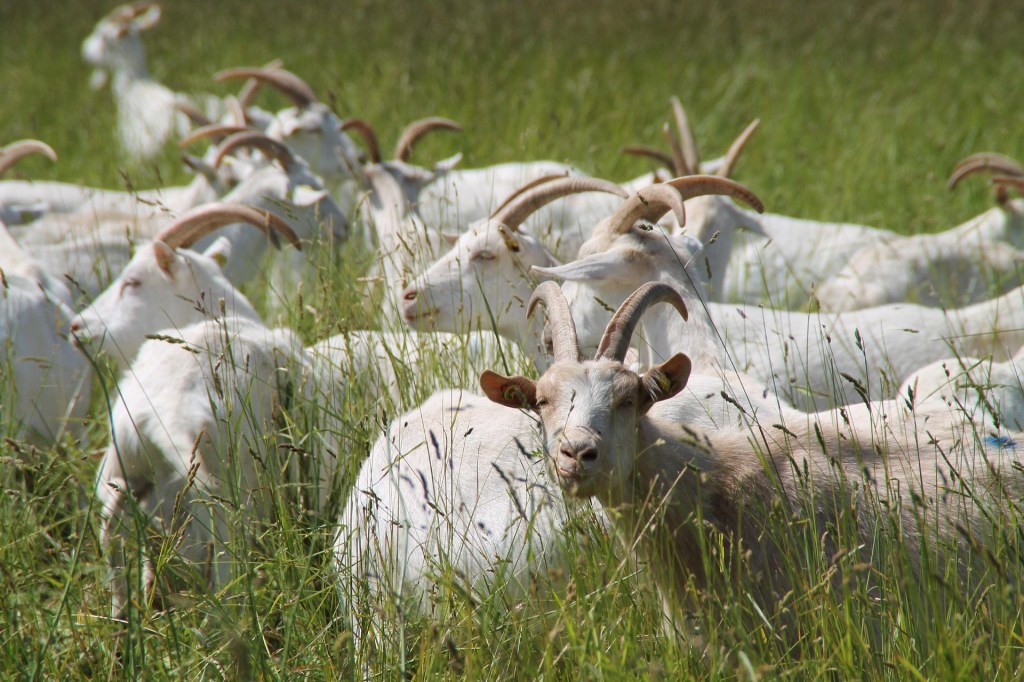
Management DOs and DON’Ts for Successful Pasturing of Goats
DOs:
- Use proper stocking rates to minimize overgrazing. Overgrazing can lead to poor forage production and increased parasite pressure.
- Rotate pastures to promote better forage production and minimize worm contamination. Rotational grazing allows pastures to rest and recover, improving forage quality and reducing parasite loads.
- Prevent over grazing in pastures.
- Improve pastures with legumes or other forbs. Legumes can fix nitrogen in the soil, improving soil fertility and forage quality.
- Maintain soil fertility levels for maximum forage production. Regular soil testing and appropriate fertilization are essential for healthy pastures.
- Utilize excess forage growth for hay. Harvesting excess forage as hay can provide a valuable feed resource during periods of low pasture availability like winter.
- Always provide free access to clean water and loose minerals. Proper hydration and mineral supplementation are crucial for goat health.
DON’Ts:
- Don’t Graze goats close to the ground (move goats when vegetation is 3-4”). Close grazing can damage pasture plants and increase exposure to worm larvae.
- Don’t Continuous grazing promotes parasites and can encourage poor forage/browse production. Rotational grazing helps prevent these issues.
- Don’t Introduce new animals without deworming and quarantine. New animals can introduce resistant worms and diseases to the herd. Quarantine and deworming are essential to prevent this.
Forage Only?

- High-quality forage and/or browse should be available to Does during the last month of gestation, lactating does, and developing breeding stock (60%+ TDN & 15%+ Protein). Proper nutrition during these stages is crucial for successful reproduction and growth.
- Dry does and mature bucks will be OK on low to medium quality forage/browse (50-60% TDN & 10-12% Protein). Their nutritional needs are lower, but they still require adequate forage quality.
- Evaluate available forage nutrients, stage of growth/pregnancy status, and body condition & performance. Add supplements as needed. Regular monitoring and supplementation ensure that goats receive the necessary nutrients.
Mineral Supplementation
- Always provide free choice loose minerals appropriate for goats. Quality minerals are important for all ages and stages of goat growth. Minerals play a vital role in various physiological functions and overall health.
- Pay close attention to the label Never use “sheep and goat” minerals for goats. Goats have different mineral requirements than sheep, and using the wrong mineral mix can lead to deficiencies or toxicities. Use a mineral formulated for goats.
Keeping Goats at Home

- Fencing options depend on various factors like keeping goats in or predators out, electrified fence, existing fence condition, cost factors, terrain and soil factors, and whether the fence is permanent or temporary. Proper fencing is essential for goat management and protection.
- Electric fencing is important (3500 volts minimum) for effective goat fences. Train goats, use a good charger, and ensure a good ground for the charger. Electric fencing can effectively contain goats and deter predators.
By providing your goats with proper grazing and pasture, you not only simplify their care but also create a safer and more enjoyable environment for them.Goats are more than just animals—they are partners in your homesteading adventure. By meeting their needs with care and dedication, you’re building a sustainable and harmonious future, one pasture at a time.” Remember, a well-engaged goat is a happy goat, and a happy goat is the cornerstone of a successful homestead.”
Thank you for reading! If you want more information and updates, please subscribe to my newsletter. Get the latest blog posts and new offers right in your email. It’s free to subscribe, and you’ll receive loads of information at no cost.
Don’t forget to check out Anything Agriculture on social media! Follow us on YouTube, Facebook, Instagram, and Pinterest for more great content. Like and subscribe to stay connected!
Ready to take your homesteading journey to the next level? Book an appointment with me today! With decades of experience, I provide personalized advice to solve any homesteading challenge. Whether you’re a newbie or a seasoned homesteader, I offer expert guidance to make your homestead thrive. Don’t miss out—schedule a chat and unlock the full potential of your homestead with Anything Agriculture. Let’s turn your dreams into reality!


Discover more from Anything Agriculture
Subscribe to get the latest posts sent to your email.
