Welcoming Your First Farm Friends: A Guide to Small Farm Homestead Animals
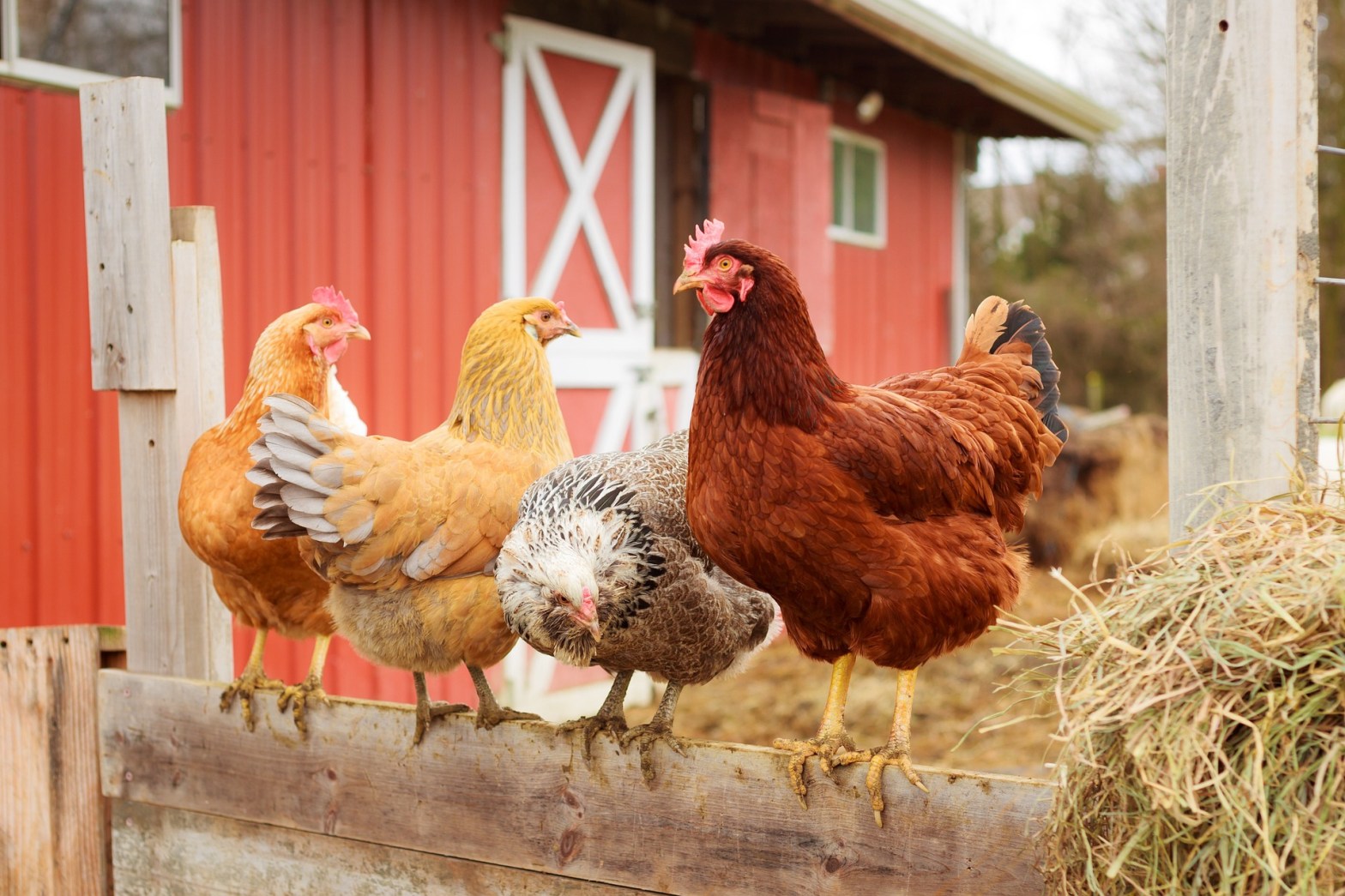
Embarking on the journey of homesteading is an adventure like no other, and bringing animals into your homestead is where the magic truly begins! Imagine waking up to the gentle clucking of hens, the playful bleats of goats, or the sweet hum of a beehive thriving in your backyard. Adding animals to your homestead isn’t just about fresh eggs or milk; it’s about creating a living, breathing connection to the land and to a lifestyle that’s deeply fulfilling.
Taking the step to bring animals into your homestead is exciting, but it’s only the beginning of the journey. Now that you’ve welcomed your furry, feathered, or buzzing friends, it’s crucial to catch up on the knowledge and skills needed to give them the best care possible. Whether it’s understanding their dietary needs, improving housing and infrastructure, or learning how to spot health concerns, this phase is all about diving deeper and bridging any knowledge gaps. By embracing this learning curve with enthusiasm and determination, you can ensure your animals thrive and become a successful part of your sustainable homestead.
Even if you’ve already brought animals to your homestead, you might find yourself facing a steep learning curve. Caring for livestock requires understanding their unique needs, from feeding and housing to health and behavior. This phase is all about gaining the necessary knowledge to bridge any gaps and ensure their success on your homestead. By embracing this challenge with a mindset of curiosity and growth, you’ll not only become more confident in managing your animals but also build a thriving and harmonious farm ecosystem.
So, are you ready to meet your new barnyard buddies? Let’s dive in and explore the wonderful world of beginner-friendly homestead animals!
1. Evaluate Your Goals

Decide what purpose the animals will serve. Are you looking for fresh eggs, milk, meat, pest control, or simply companionship? Your goals will determine which animals are best suited for your homestead.
2. Research the Animals
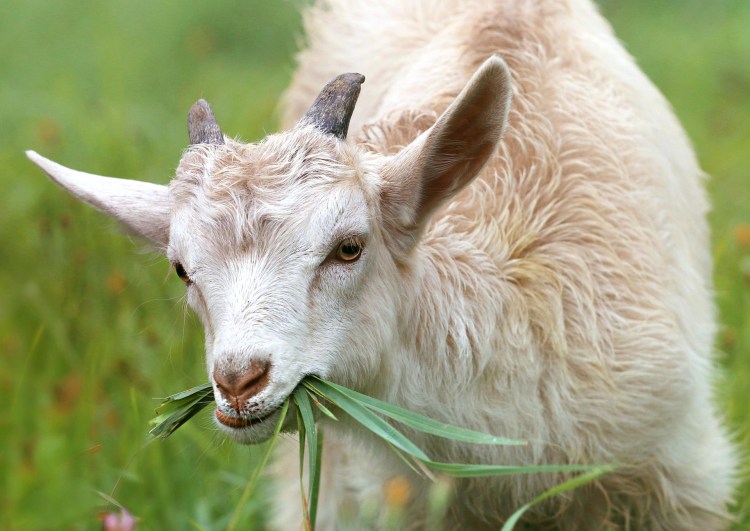
Before adding animals to your homestead, it’s essential to thoroughly research the breeds you’re considering to ensure they align with your goals and lifestyle. Different breeds can have varying temperaments, levels of productivity, and adaptability to your environment. For example, some chicken breeds, like Rhode Island Reds, are hardy, friendly, and excellent egg layers, while others may be better suited for meat production. Similarly, certain goat breeds are ideal for milk production, like Nigerian Dwarfs, whereas others excel as browsers for clearing land. Understanding the specific characteristics of each breed can help you select animals that will thrive on your homestead and contribute to your success. Taking the time to study their behavior, needs, and potential challenges ensures a more harmonious and rewarding experience for both you and your animals.
3. Start Small
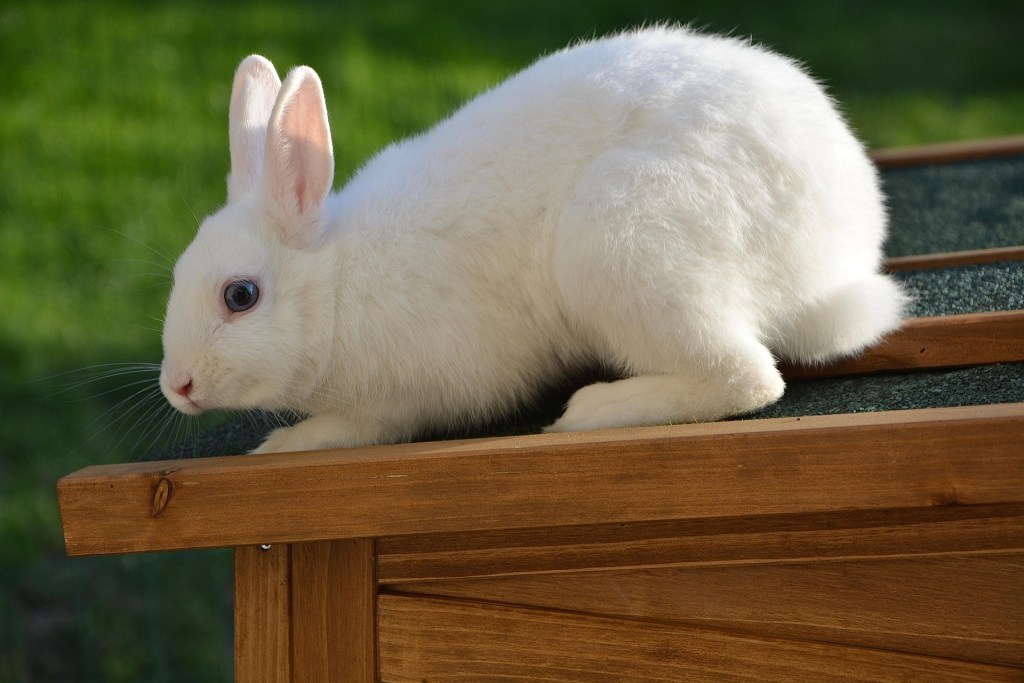
- Choose Low-Maintenance Animals: Begin with animals that are beginner-friendly, such as chickens, rabbits, or quail. They are relatively easy to care for, require minimal space, and offer rewarding yields like eggs, meat, or fertilizer.
- Limit the Number of Animals: Start with a small number—maybe 3 to 5 chickens or a pair of rabbits. This prevents you from becoming overwhelmed and allows you to focus on learning their care routines.
- Set Up Simple Housing: Begin with basic, secure housing. For example, a small chicken coop or a simple rabbit hutch is manageable and cost-effective.
- Learn as You Go: Spend time observing your animals and researching their behaviors, feeding patterns, and health needs. This hands-on learning will help you gain confidence and prepare for more complex setups later.
- Plan for Gradual Expansion: Once you feel comfortable, you can slowly add more animals or try a new species. Expansion is much smoother when you have a solid foundation of experience.
Starting small not only sets you up for success but also makes the process more enjoyable and less stressful. Which type of animals are you thinking about starting with? I’d be happy to help you dive deeper into their care!
4. Prepare Housing and Infrastructure
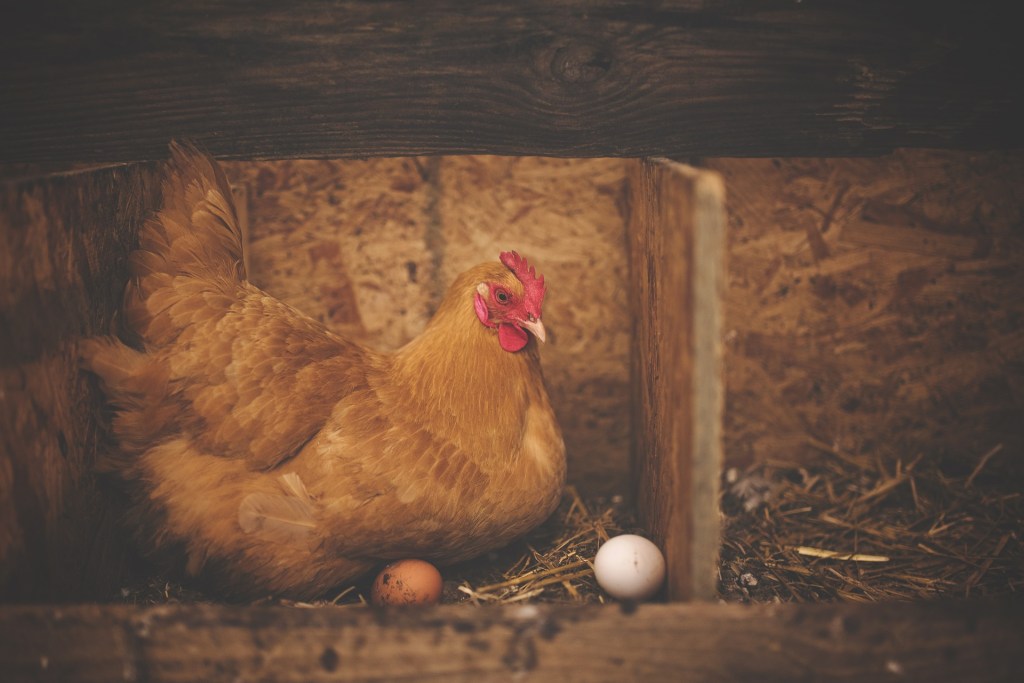
Proper housing and fencing are essential to keeping your animals safe, healthy, and secure on the homestead. Housing should provide a sheltered space that protects your animals from extreme weather and predators. Whether you’re building a chicken coop, a goat shed, or a rabbit hutch, ensure it is sturdy, well-ventilated, and designed for the specific needs of the animal. For example, a coop should have strong doors and wire mesh to keep out raccoons or foxes, while goat shelters should include dry bedding and be resistant to animals that may try to burrow or climb in.
Fencing plays a dual role—it keeps your animals in and prevents predators from getting in. Electric fencing or tightly woven wire fencing is often effective for larger animals like goats, sheep, or pigs, as it deters predators and prevents escape. For poultry, smaller mesh fencing like hardware cloth is crucial, as it protects against climbing predators like raccoons and snakes. Always inspect fences regularly for damage or weak points, as even a small gap can be an invitation for trouble.
Taking the time to invest in proper housing and fencing not only protects your animals but also gives you peace of mind as a homesteader. It’s a critical step toward building a safe, thriving environment for your farm friends. Are you planning to set up housing or fencing for a specific type of animal? I’d be glad to help refine the details!
5. Understand Feeding and Nutrition
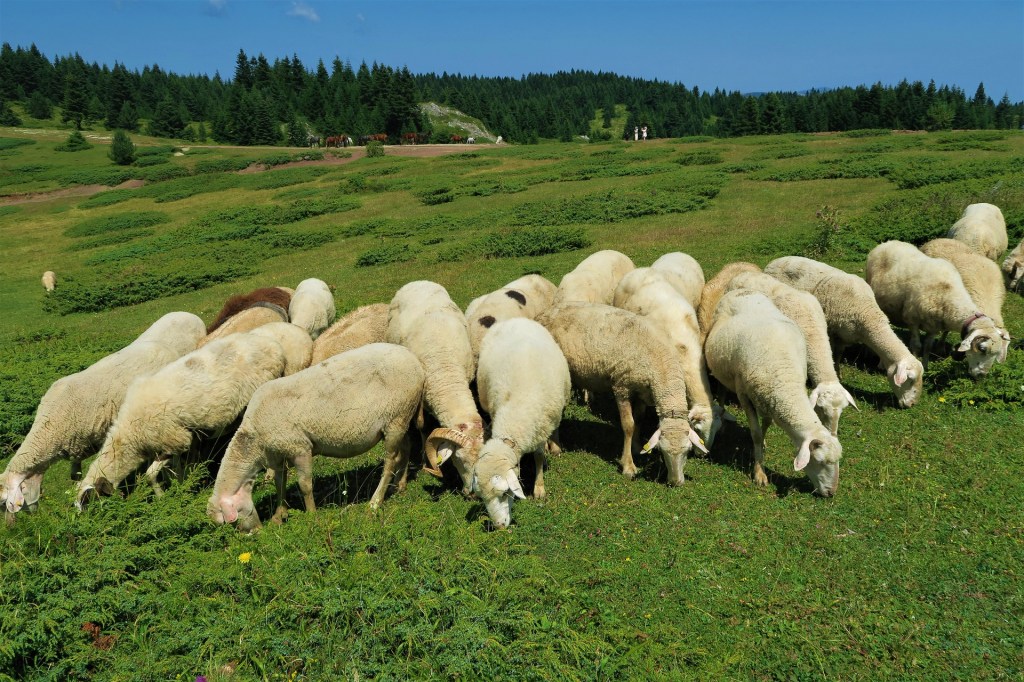
Proper nutrition and access to quality forage are essential for maintaining the health, productivity, and well-being of your animals on the homestead. Each species has unique dietary requirements, so it’s important to provide a balanced diet tailored to their needs. High-quality feed, supplemented with vitamins and minerals when necessary, ensures that your animals receive all the nutrients they require. For example, ruminants like goats and sheep thrive on hay and pasture grasses, while poultry benefit from grains and protein-rich feed.
Foraging plays a vital role as well. Allowing your animals to graze or browse helps them obtain natural nutrients, reduces feed costs, and encourages healthy behaviors. Rotational grazing, where animals move between paddocks, can improve pasture quality, prevent overgrazing, and minimize parasite risks. Additionally, be mindful of toxic plants in your area and ensure they’re not accessible to your animals. Proper nutrition and forage management are key components of creating a sustainable and successful homestead.
Are you planning to focus on a particular animal’s diet or forage system? I’d love to help you refine the details!
Rotational Grazing
Rotational grazing is a sustainable livestock management practice that involves dividing pastureland into smaller sections and systematically moving animals between them. This method allows for better control of grazing pressure, prevents overgrazing, and promotes pasture recovery. It enhances soil health, biodiversity, and forage productivity while reducing erosion and water runoff. To learn more about rotational grazing and its advantages, take a look at your articles on Anything Agriculture, as they provide insightful details and practical tips on implementing this approach effectively!
Forage Species for Your Rotational Grazing Operations Part 1
Forage Species for your rotational grazing operations Part 2
YouTube
6. Check Local Regulations
Local regulations for keeping livestock and animals on a homestead can vary widely depending on your location. It’s important to check zoning laws, property size requirements, and restrictions on the types and number of animals allowed. Some areas may require permits for certain species or have specific rules about fencing, housing, and waste management. Additionally, there may be noise ordinances or health codes to consider, especially if you’re in a suburban or urban area. Consulting your local government or agricultural extension office can provide clarity and ensure compliance. If you’d like, I can help you look up specific regulations for your area!
7. Monitor and Maintain Health
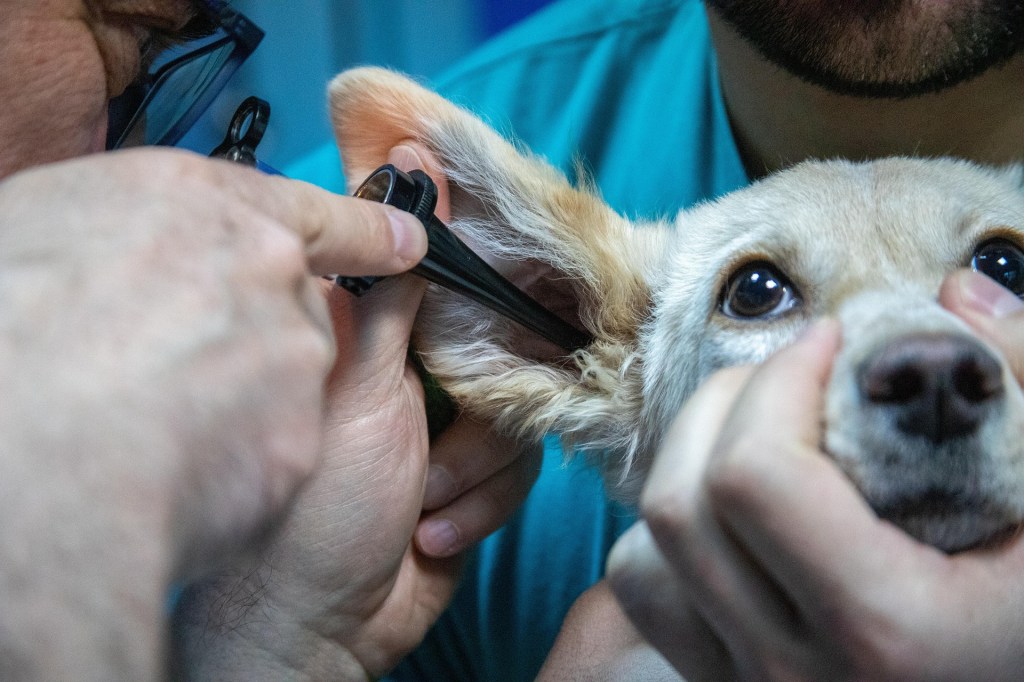
Monitoring and maintaining the health of your animals is a cornerstone of successful homesteading. Regular health checks help you catch early signs of illness or injury, ensuring timely intervention. Keep an eye on changes in behavior, appetite, or physical appearance, as these can be indicators of potential health issues. Familiarizing yourself with the specific health needs of your animals and learning basic care techniques will empower you to handle minor concerns confidently.
Establishing a relationship with a local veterinarian who specializes in livestock or your chosen species is crucial. Routine vet visits can provide vaccinations, health screenings, and expert advice tailored to your animals. Additionally, reaching out to experienced farmers or joining local homesteading groups can be invaluable for troubleshooting and gaining practical knowledge. By prioritizing health monitoring and seeking the right expertise, you can create a thriving and healthy environment for your animals.
8. Involve Your Community
- Connect with other homesteaders or local farmers for advice and support. They can be a great resource for troubleshooting and sharing tips.
9. Keep Records
- Track the health, feeding, and productivity of your animals. This helps you identify patterns and make adjustments as needed.

Adding animals to your homestead is a big step, but with careful planning, they’ll become a valuable part of your self-sufficient lifestyle. Which animals are you considering first? I’d love to help you dive deeper into their care!
Record keeping is a vital aspect of maintaining the health and productivity of your flock. By tracking details like feeding schedules, egg production, health checks, and any treatments administered, you can identify patterns and quickly spot potential issues. For example, changes in egg production or behavior might indicate underlying health concerns. Keeping a log of veterinary visits, vaccinations, and parasite treatments ensures you’re up-to-date on care routines and helps you manage future planning effectively.
Additionally, recording genetic information for breeding purposes and expenses related to feed or supplies can aid in making informed decisions about your flock’s management. Organized and consistent record keeping not only supports the well-being of your animals but also contributes to the overall success and sustainability of your homestead.

Adding animals to your homestead is a transformative step that can bring a sense of fulfillment, harmony, and connection to the land. It’s not just about fresh eggs, milk, or wool—it’s about the joy of watching your animals thrive under your care and the satisfaction of building a sustainable and self-sufficient lifestyle. While there may be challenges along the way, each success, no matter how small, is a testament to your hard work and dedication. Embrace the journey with excitement and curiosity, knowing that each cluck, bleat, or buzz enriches your homesteading adventure. Your barnyard buddies are ready to be part of something wonderful—and you’re creating a legacy that will bring benefits and memories for years to come!
Thank you for reading! If you want more information and updates, please subscribe to my newsletter. Get the latest blog posts and new offers right in your email. It’s free to subscribe, and you’ll receive loads of information at no cost.
Don’t forget to check out Anything Agriculture on social media! Follow us on YouTube, Facebook, Instagram, and Pinterest for more great content. Like and subscribe to stay connected!
Ready to take your homesteading journey to the next level? Book an appointment with me today! With decades of experience, I provide personalized advice to solve any homesteading challenge. Whether you’re a newbie or a seasoned homesteader, I offer expert guidance to make your homestead thrive. Don’t miss out—schedule a chat and unlock the full potential of your homestead with Anything Agriculture. Let’s turn your dreams into reality!


Discover more from Anything Agriculture
Subscribe to get the latest posts sent to your email.
