

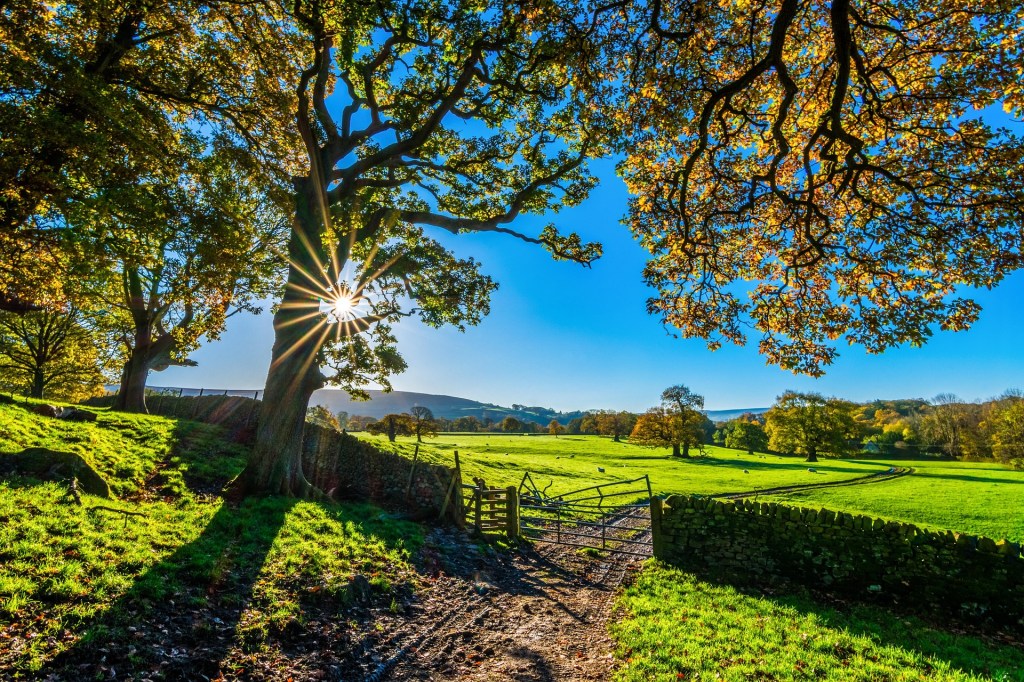
Embarking on a homesteading journey is more than adopting a new way of life—it’s a commitment to self-reliance, sustainability, and a deeper connection with the land. Whether you’re envisioning a bountiful garden, raising livestock, or embracing a slower, more intentional pace, the cornerstone of your dream is finding the perfect piece of property. Factors like fertile soil, reliable water sources, zoning regulations, and a suitable climate all play a pivotal role in selecting land that will support and nurture your aspirations. Choosing wisely means not just finding a place to call home, but securing a foundation where your homesteading goals can truly flourish.
Every property has its own unique set of characteristics, with both opportunities and challenges. Analyzing these factors—whether or not you have a specific property in mind—can help you clarify your priorities and needs. This careful evaluation ensures that your decision aligns with your long-term goals. After all, dreaming about the possibilities a rural property can offer is an exciting first step, but it’s the process of asking the right questions and digging deeper that transforms those dreams into reality. By thoroughly examining a property’s strengths and limitations, you’ll enter this new chapter with confidence and a clear vision of what lies ahead.
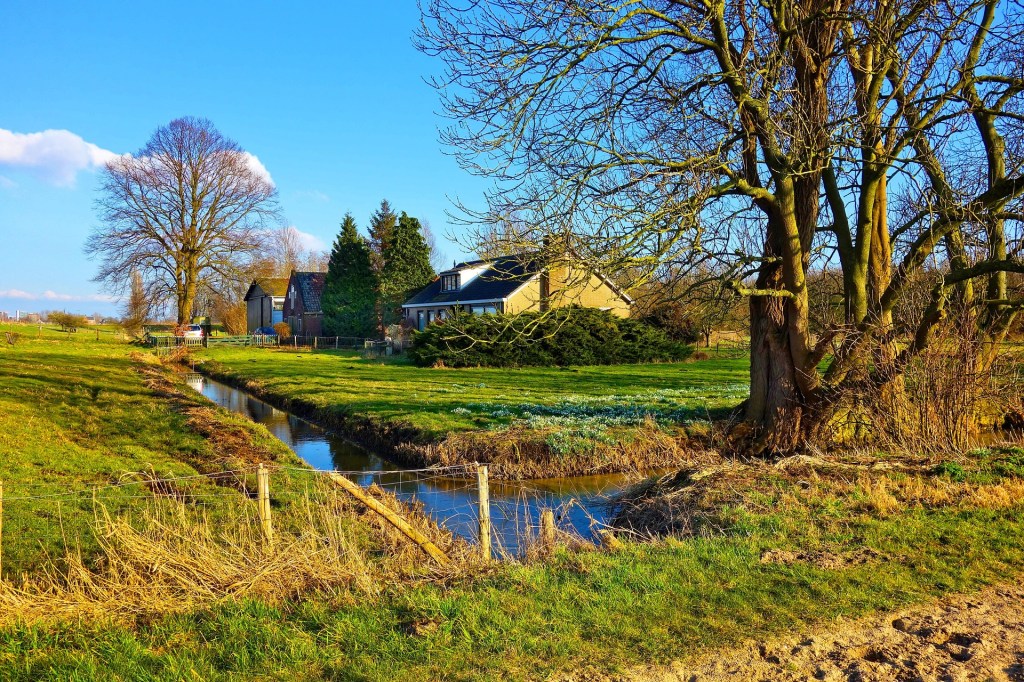
Rural properties often come with unique amenities that cater to a lifestyle closer to nature and self-reliance. While these amenities may vary depending on the property and location, here are some common ones:
- Natural Water Sources: Ponds, creeks, wells, or even small lakes are common features on rural lands and can provide irrigation, drinking water, or recreational use.
- Outbuildings: Many rural properties include barns, sheds, workshops, or equipment storage buildings that are ideal for farming or other homesteading activities.
- Fencing and Pastures: These are crucial for properties designed for livestock or agriculture.
- Wooded Areas: Often included, they provide opportunities for firewood, hunting, or simply enjoying nature.
- Gardening/Farming Space: Open fields or cleared land ready for planting crops, orchards, or starting a garden.
- Septic and Well Systems: Instead of being connected to a city’s water and sewer lines, rural properties typically rely on private septic systems and wells.
- Off-Grid Utilities: Some properties may include solar panels, wind turbines, or other off-grid energy sources.
- Recreational Features: Hiking trails, fishing spots, or areas for camping may be part of the property.
- Wildlife: Depending on the location, you might see abundant wildlife, which can be a pro or a con depending on your perspective.
Rural properties offer a range of amenities that make them ideal for homesteading, farming, or simply embracing a slower pace of life. However, each of these features comes with its own set of challenges and maintenance requirements. For those who have never experienced country living, adjusting to this lifestyle can present a significant learning curve.
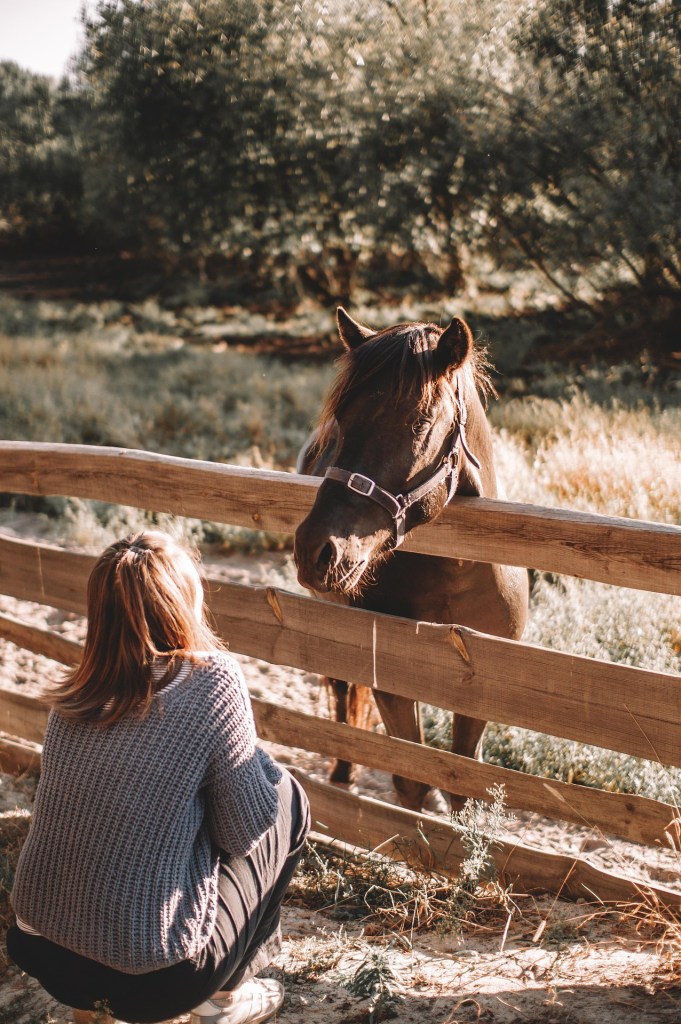
While it’s exciting to dream about all the possibilities a homestead property can offer, it’s important to approach the process with careful consideration. There are many factors to evaluate, and being well-informed from the start will help you make sound decisions. The more knowledge you gather in advance, the better prepared you’ll be to navigate the challenges and turn your homesteading dreams into reality
Location and Accessibility
- Proximity to essential services: How far is the nearest town, hospital, grocery store, or school?
- Accessibility: Are the roads leading to the property well-maintained and usable year-round? Paved or gravel? Who takes care of them?
- Neighbors: Are they close enough to lend a hand in emergencies but far enough for privacy? Do you have neighbors? What about neighbor relations?
2. Land Characteristics
- Size of the property: Does it meet your goals for gardening, livestock, or other activities?
- Soil quality: Is it suitable for growing crops? Having a soil test done to avoid any costly amendments.
- Water sources: Look for streams, ponds, wells, springs or irrigation possibilities.
- Topography: A mix of flat land and slopes might offer versatility for various uses.
6. Livestock and Agriculture
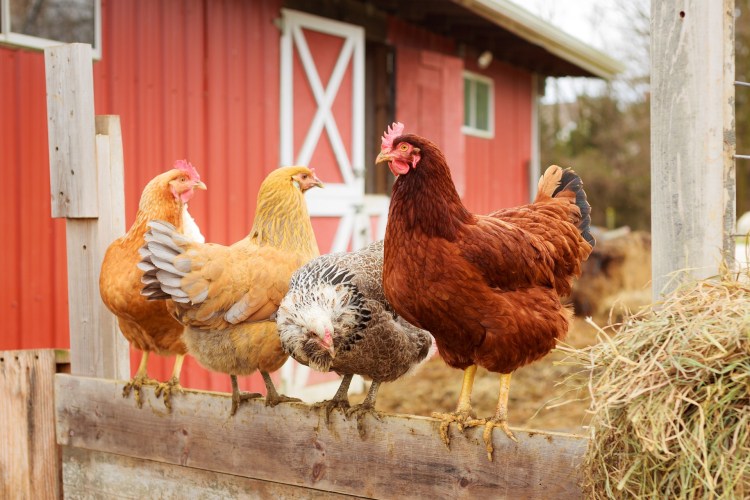
- Access to Feed and Supplies: How close are suppliers for agricultural needs, such as seeds, feed, or equipment?
- Access to Veterinarians or other experts for your animals and or livestock.
- Grazing Land: Ensure there’s enough pasture for livestock if that’s part of your plans.
3. Zoning and Restrictions
Property Boundaries and Rights
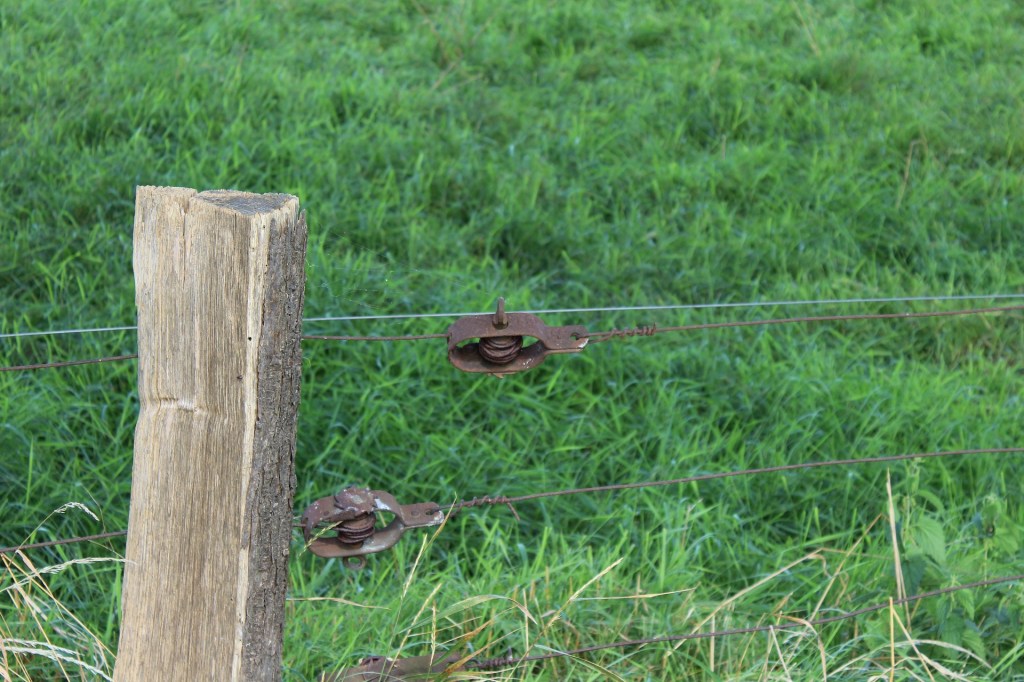
- Land Surveys: Ensure the boundaries of the property are clearly defined to avoid disputes with neighbors.
- Easements and Rights-of-Way: Check for any legal agreements that allow others to use part of your property.
- Mineral or Timber Rights: Determine whether these rights are included in the property sale, as they can affect your use of the land.
- Understand local zoning laws or regulations for farming, building structures, or running a business.
- Check for restrictions on livestock, water usage, or other activities.
4. Utilities and Infrastructure
Local Infrastructure
- Emergency Services: How close are fire stations, police services, or hospitals?
- Utilities: Are there reliable electricity, water, and internet connections? Consider mobile network coverage as well.
- Evaluate the availability and quality of water, electricity, and internet services.
- Are there existing septic and well systems? If so, are they in good condition?
Natural Hazards
- Flood Risk: Is the property in a floodplain, and what are the risks during heavy rains?
- Fire Risk: Check for nearby forests or brushland that may pose a wildfire hazard.
- Weather Challenges: Be aware of tornadoes, heavy snowfall, cold or hot temperatures or drought risks in the region.
5. Climate and Weather
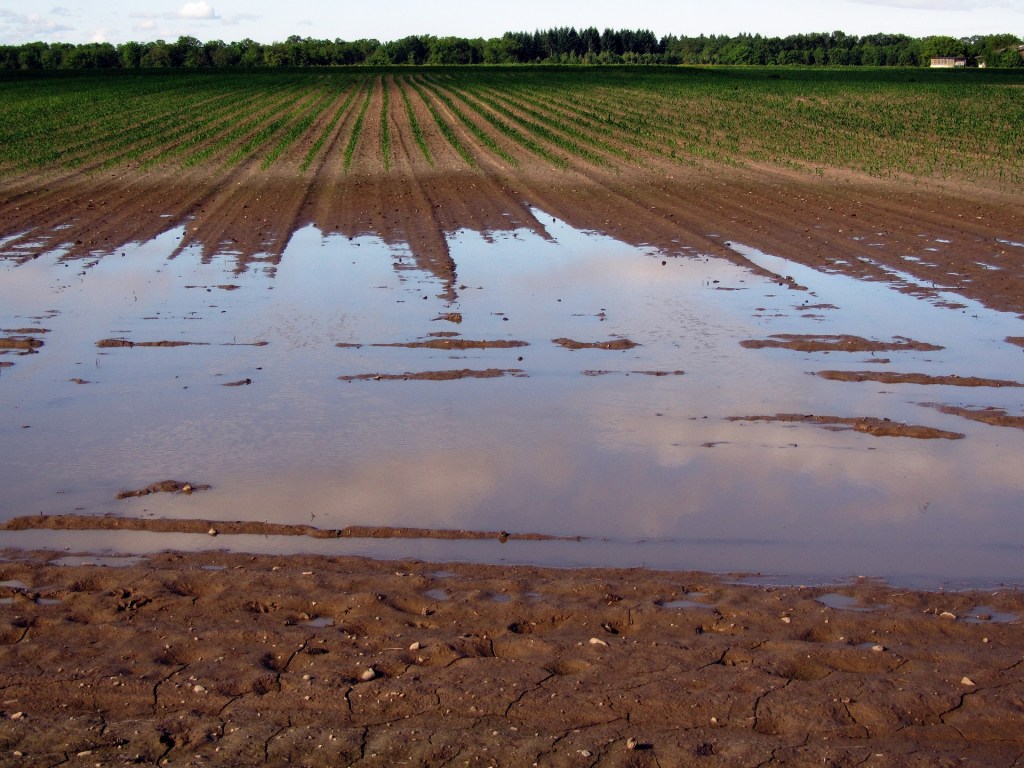
- Does the region’s climate suit your plans for farming or homesteading?
- Be aware of extreme weather risks like floods, droughts, or heavy snowfall.
6. Wildlife and Vegetation
- Assess whether local wildlife might pose a threat to your crops or animals.
- Consider the existing vegetation: is it useful for your plans, or will you need to clear land?
- Noxious weeds and other invasive species could impact your property
Existing Structures
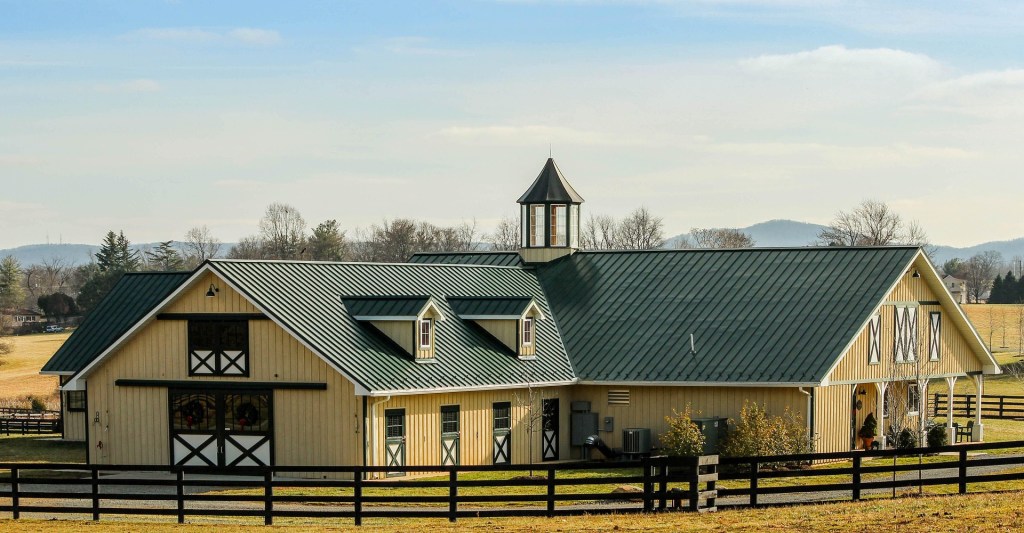
- Condition of Outbuildings: If the property includes barns, garages, or other structures, ensure they are in good repair.
- Maintenance Requirements: Consider the cost of repairs or upgrades to structures like fences or access roads.
7. Budget and Long-Term Vision
- Stay within your budget while keeping in mind potential future investments (e.g., fencing, barns, or irrigation systems).
- Think about your long-term goals for the property. Does it align with your vision?
. Legal and Environmental Concerns
- Zoning and Land Use: Understand what is allowed and whether it aligns with your plans, such as farming, building, or running a business.
- Environmental Protections: Check for protected species or habitats that could restrict land use.
7. Community and Social Fit

- Local Culture: Research the community to see if it aligns with your lifestyle and values.
- Volunteer Fire Departments: These are common in rural areas—will you be required or expected to participate?
- Research the local community. Are there farmers’ markets, co-ops, or like-minded people nearby?
- Does the area’s culture and pace of life match your lifestyle preferences?
. Resale Value
- Consider how marketable the property will be in the future if you decide to sell.
Seasonal Access
- Ensure the property is accessible year-round, especially if the area is prone to snow or heavy rains.
Rural living often requires thoughtful planning, but with careful consideration of these factors, you can find a property that fits your dreams
This guide serves as a foundation—a bare minimum—of what needs to be considered before purchasing a property. By no means is it a complete checklist, as everyone’s goals are unique, and your requirements may differ significantly from what is outlined here. The purpose of this guide is to encourage thoughtful reflection and to ensure that you make a well-informed decision rather than rushing into a purchase that won’t fulfill your needs or aspirations. Remember, if something seems too good to be true, it often is.
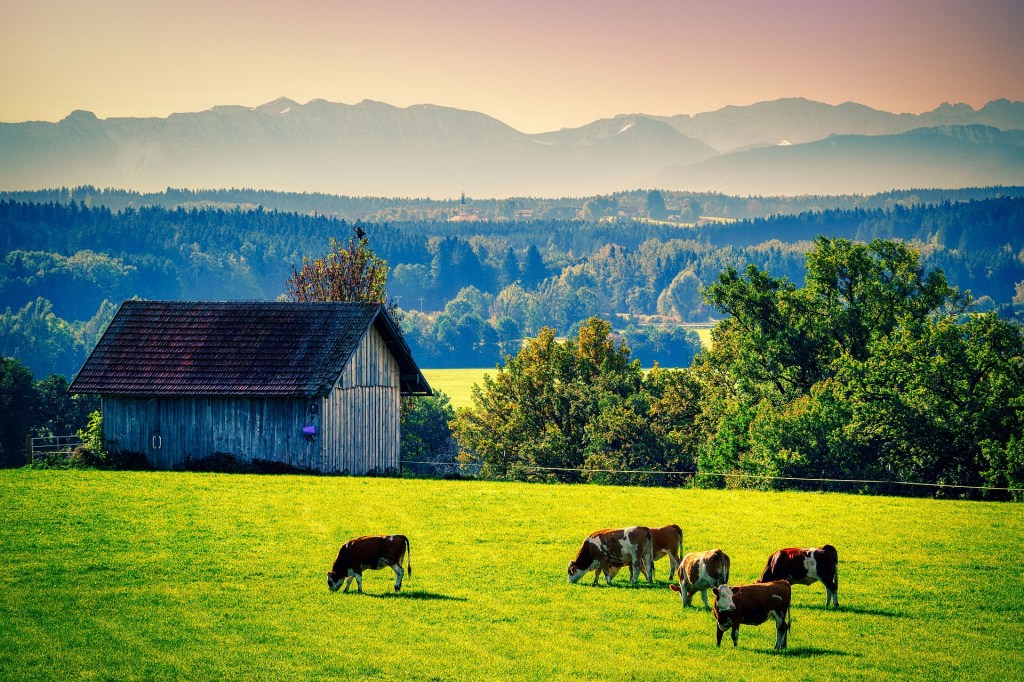
When buying rural property, it’s crucial to take the time to thoroughly evaluate your options. Research the area, talk to locals, and visit the property more than once, ideally in different weather conditions. Be patient—finding the right property may take time, but it’s worth waiting for something that aligns with your vision.
Consider hiring professionals for inspections and advice, such as soil testing, structural assessments of buildings, and surveying the land. These steps might feel like extra expenses initially, but they can save you from unexpected surprises in the future.
Lastly, think long term. Rural living comes with its rewards, but it also has its challenges, such as isolation, infrastructure maintenance, and limited access to certain services. Be sure you’re not only ready for the lifestyle now but also prepared for the evolving needs of your family or goals in the years to come.
With careful planning and consideration, you’ll be on the path to finding a property that truly supports and enhances your dreams.
Like and subscribe to Anything Agriculture to be the first to be enrolled in my new class all about rural properties
Discover more from Anything Agriculture
Subscribe to get the latest posts sent to your email.
