Subscribe to be included in our newsletter
Hot topics for Small farm homesteads
In recent years, the popularity of small-scale farming and homesteading has surged, driven by a growing desire for sustainable living, self-sufficiency, and a deeper connection to the land. Whether you’re a seasoned farmer or a newcomer eager to embrace the homesteading lifestyle, staying informed about the latest trends and innovations is key to success. From sustainable practices and permaculture to DIY projects and food preservation, the world of small farms and homesteads is brimming with exciting opportunities and challenges.
In this blog post, we’ll delve into some of the hottest topics currently shaping the homesteading community. These trends not only reflect the evolving landscape of agriculture but also offer practical insights and inspiration for those looking to enhance their homesteading journey. Join us as we explore the cutting-edge practices and ideas that are making waves in the world of small farms and homesteads.
What does this all mean for you and your property? What do these topics include? How does this affect you?
Sustainable Living: Sustainable farming refers to agricultural practices that prioritize the long-term health and productivity of the land, environment, and community. It involves methods that maintain and enhance the natural resources and ecosystems that farming depends on
Focus on eco-friendly practices, such as composting, rainwater harvesting, and renewable energy sources.
Environmental Health
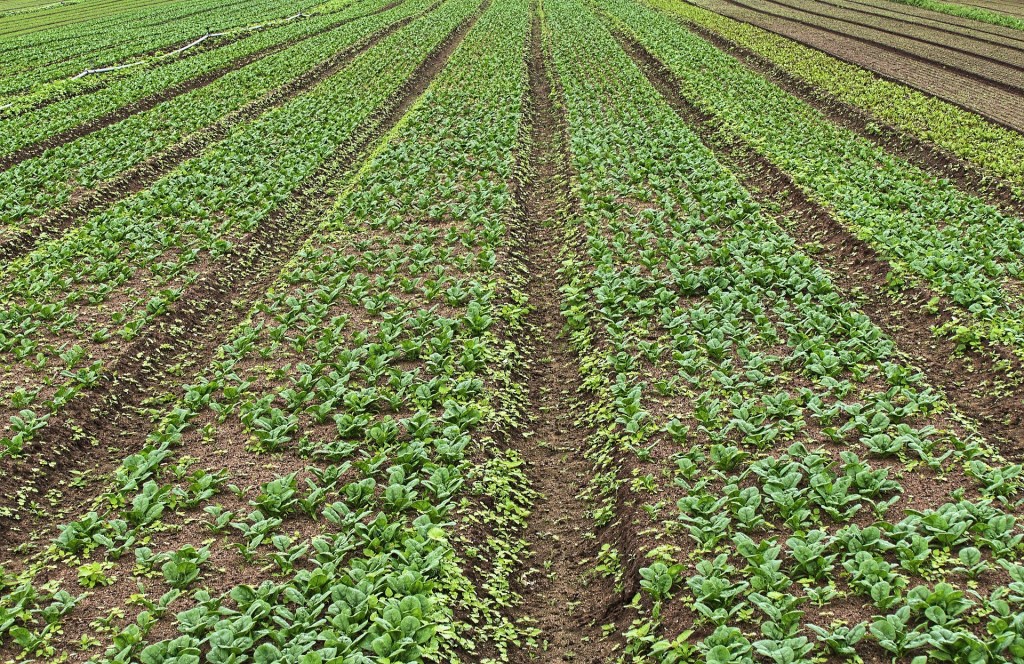
Small farms that adopt sustainable practices help protect and improve the environment. Techniques like crop rotation, cover cropping, and organic farming reduce soil erosion, improve soil fertility, and minimize the need for chemical fertilizers and pesticides. By maintaining healthy soil, small farms can grow nutrient-rich crops and support biodiversity.
Resource Efficiency
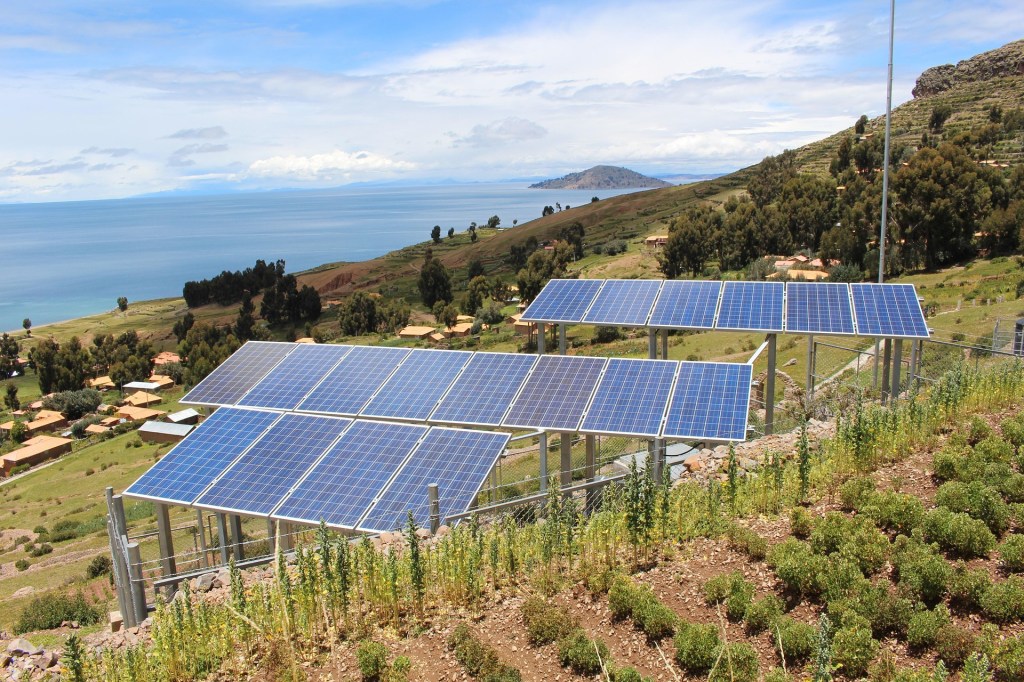
Sustainable practices promote efficient use of resources such as water, energy, and land. For instance, rainwater harvesting and drip irrigation help conserve water, while renewable energy sources like solar and wind power reduce dependency on fossil fuels. Efficient resource management is vital for the long-term viability of small farms.
Economic Viability
Sustainable farming can enhance the economic stability of small farms. By reducing input costs (e.g., buying fewer chemicals and relying more on natural processes), farmers can save money and increase their profit margins. Additionally, sustainably produced products often attract premium prices in the market, appealing to environmentally conscious consumers.
Resilience to Climate Change
Sustainable practices can help small farms become more resilient to climate change. Diversifying crops, improving soil health, and conserving water resources can mitigate the impacts of extreme weather events and changing climate patterns. This resilience ensures the farm can continue to operate and produce food despite environmental challenges.

Community and Food Security
Sustainable small farms contribute to local food security by providing fresh, healthy produce to the community. By reducing dependence on long supply chains, small farms ensure that food remains available even during disruptions. Moreover, sustainable farming practices often foster a sense of community and cooperation among local farmers, strengthening social ties and support networks.
Animal Welfare
Sustainable farming practices prioritize the well-being of livestock. Providing animals with adequate space, access to pasture, and natural diets not only ensures their health and productivity but also aligns with ethical standards that many consumers care about. Happy, healthy animals contribute to the overall success and sustainability of the farm.
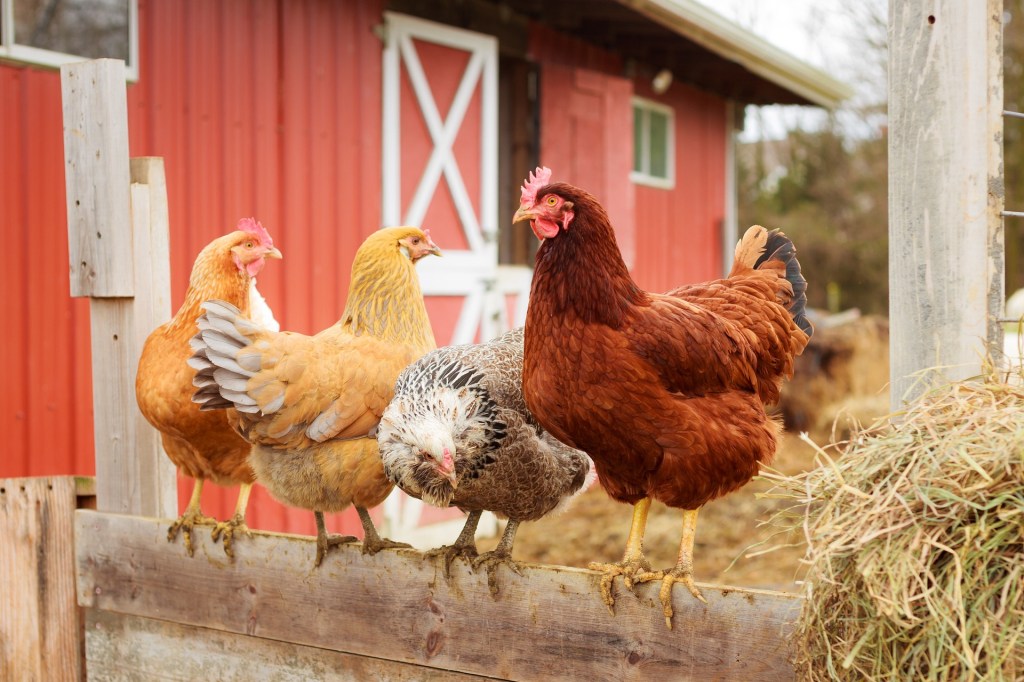
Preserving Rural Heritage
Sustainable small farms help preserve traditional farming knowledge and rural heritage. By embracing time-tested practices and integrating modern innovations, small farms can maintain cultural traditions while adapting to contemporary challenges. This preservation is important for maintaining the unique character and identity of rural communities.
In summary, sustainable living on small farms is essential for protecting the environment, enhancing economic viability, increasing resilience to climate change, ensuring food security, promoting animal welfare, and preserving rural heritage. By adopting sustainable practices, small farms can thrive and contribute positively to their communities and the planet.
Trends for Small farm homesteads that want to focus on sustainability.
Small farm homesteaders should keep an eye on several emerging trends that are likely to shape the future of homesteading:

- Increased Focus on Sustainability and Self-Sufficiency: Homesteaders are increasingly prioritizing sustainable living and self-sufficiency, aiming to reduce their environmental footprint and reliance on external resources.
- Urban Homesteading: With more people moving to urban areas, urban homesteading is gaining popularity. This trend involves growing food and raising animals in urban settings, often using innovative methods like vertical gardening and rooftop farming.
- Permaculture: Interest in permaculture, a design system for creating sustainable human habitats by mimicking natural ecosystems, is on the rise. Permaculture principles can help homesteaders create more resilient and productive farms.
- Alternative Protein Sources: As awareness of environmental and ethical issues grows, there is a shift towards alternative protein sources for animal as well as humans. These insect farming, aquaponics, and plant-based proteins.
- Homesteading Skills: There is a renewed interest in learning traditional homesteading skills, such as food preservation, herbal medicine, and DIY projects. These skills can enhance self-sufficiency and reduce reliance on commercial products.
- Renewable Energy Solutions: Small farms are increasingly adopting renewable energy sources like solar, wind, and hydro power to reduce energy costs and environmental impact.
- Community and Food Security: Building strong local food systems and fostering community connections are becoming more important. Homesteaders are working together to create resilient food networks that can withstand disruptions.
- Technology Integration: Advances in technology, such as precision agriculture, smart irrigation systems, and data-driven farming, are helping homesteaders optimize their resources and improve productivity.
By staying informed about these trends, small farm homesteaders can adapt and thrive in an ever-changing landscape, ensuring their farms remain sustainable, productive, and connected to their communities.
In conclusion, small farm homesteading is more than just a trend; it’s a lifestyle rooted in sustainability, self-sufficiency, and community. As the homesteading movement continues to grow, the adoption of eco-friendly practices, resource efficiency, and resilient farming methods will play a crucial role in shaping the future of agriculture. By embracing these innovative approaches, small farms not only ensure their own economic viability but also contribute to environmental health, animal welfare, and local food security. The resurgence of traditional knowledge and rural heritage, combined with modern advancements, creates a harmonious balance that benefits both people and the planet.
Now is the time to take action! Whether you’re already a homesteader or just beginning your journey, commit to adopting sustainable practices and fostering community connections. Share your knowledge, support local farmers, and inspire others to join the movement. Together, we can create a more sustainable and connected world, one small farm at a time.
Thank you for reading! If you want more information and updates, please subscribe to my newsletter. Get the latest blog posts and new offers right in your email. It’s free to subscribe, and you’ll receive loads of information at no cost.
Don’t forget to check out Anything Agriculture on social media! Follow us on YouTube, Facebook, Instagram, and Pinterest for more great content. Like and subscribe to stay connected!
Ready to take your homesteading journey to the next level? Book an appointment with me today! With decades of experience, I provide personalized advice to solve any homesteading challenge. Whether you’re a newbie or a seasoned homesteader, I offer expert guidance to make your homestead thrive. Don’t miss out—schedule a chat and unlock the full potential of your homestead with Anything Agriculture. Let’s turn your dreams into reality!


Discover more from Anything Agriculture
Subscribe to get the latest posts sent to your email.
