
March Newsletter
Welcome to March on the Homestead!
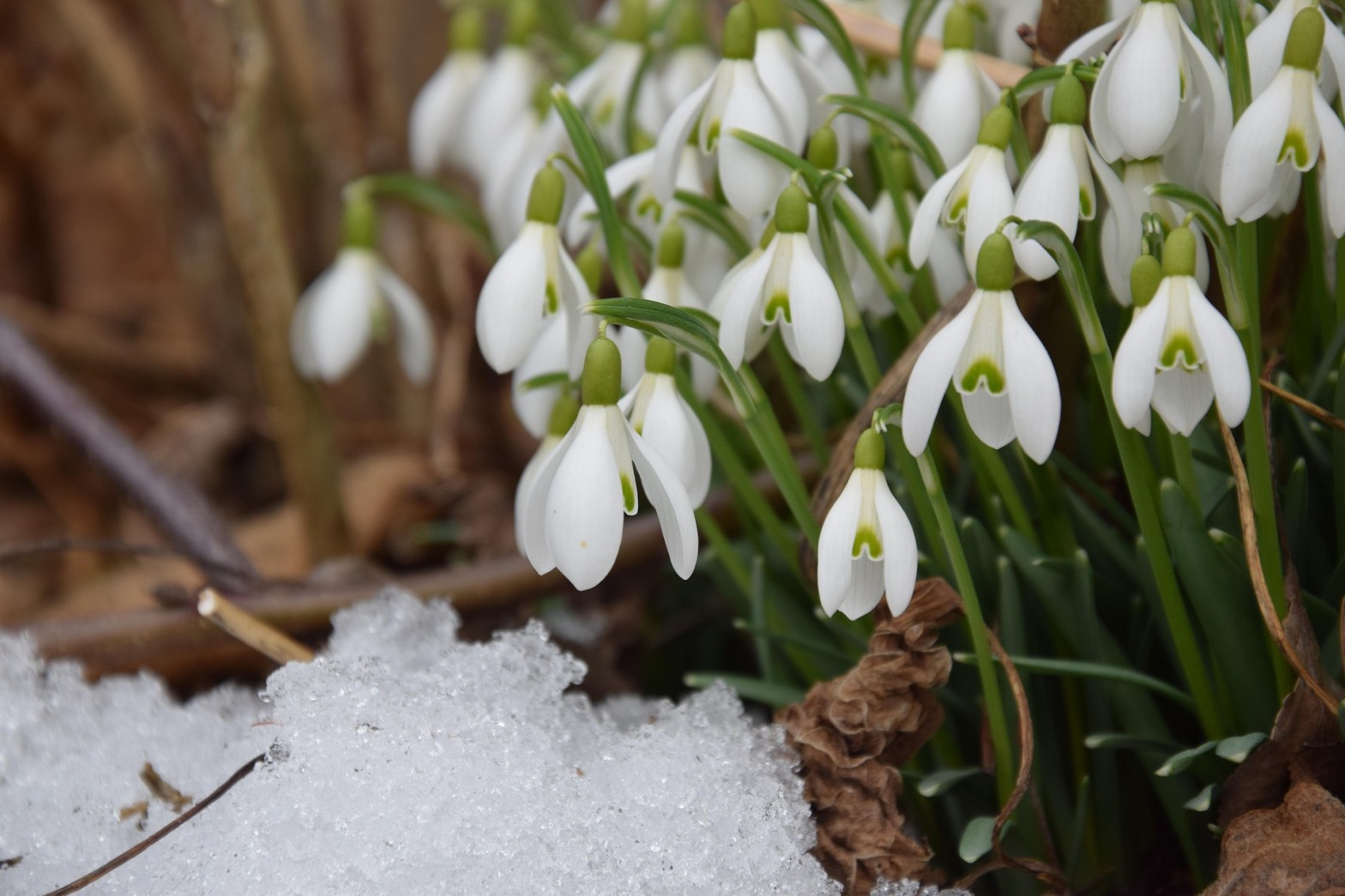
As winter departs and we welcome the first signs of spring, there’s a palpable excitement in the air. The days are getting longer, the weather is improving, and nature is awakening from its winter slumber. For those of us on the homestead, this is the perfect time to get busy with a host of spring homesteading tasks.
From preparing garden beds and starting seeds to tending livestock and planning for the seasons ahead, our March homesteading checklist is here to guide you through the essential activities. These tasks will set the stage for a successful and productive homesteading year. Embrace the promise of spring, roll up your sleeves, and make the most of this vibrant season.
Happy homesteading!
🌿 Exciting News for Homesteaders! 🌿
Feeling overwhelmed by the demands of homesteading? Help is on the way! We’re thrilled to announce a brand-new online class launching in just a few weeks, designed to guide you through every aspect of homesteading with ease and confidence.
✨ Exclusive Preview for Newsletter Subscribers ✨
Be among the first to access this invaluable resource by subscribing to our newsletter. Get insider tips, early previews, and special offers delivered straight to your inbox. Don’t miss out on this opportunity to streamline your homesteading journey and make the most of the upcoming season.
Subscribe now and be the first to preview our new class!
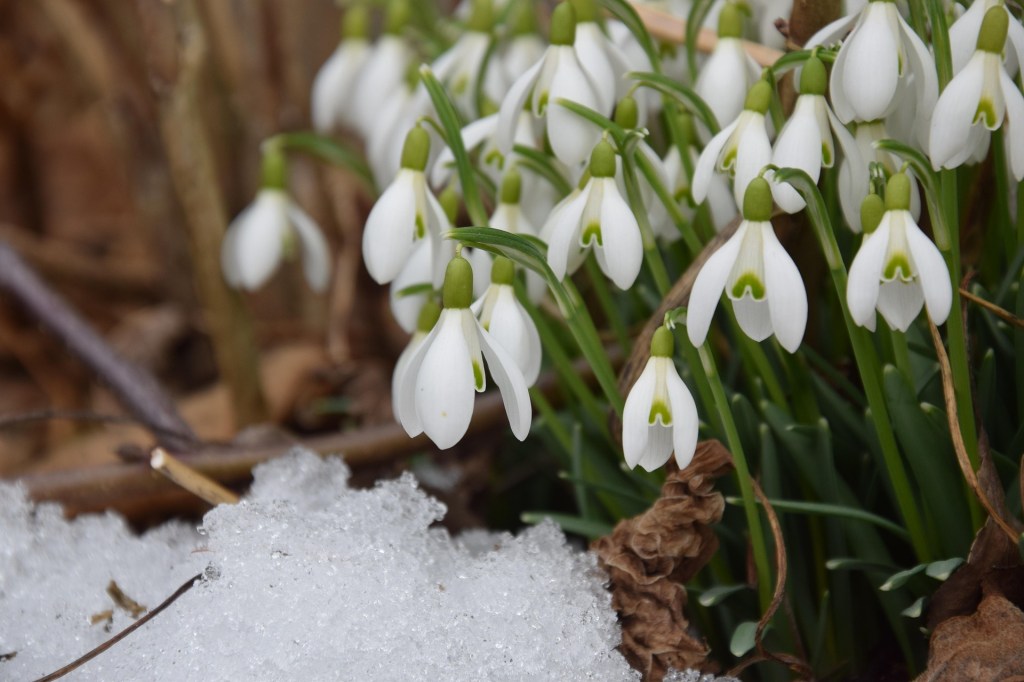
During March, we have ups and downs in the weather. In between the warm-ups and snowstorms, there’s so much to do. March can be tricky as the soil can be too wet to work. Wait until the soil is crumbly and not sticky to work the soil. If the soil forms a solid ball when squeezed, it is still too wet to work with. Be patient with the soil.

Homestead
- Check for parasites: Deworm livestock, particularly sheep and goats, as they transition to spring grazing.
- Provide fresh water: Ensure access to clean, fresh water for all animals, especially important with warmer weather approaching. Water troughs may need to be cleaned and water sources will need to be evaluated for contamination and erosion.
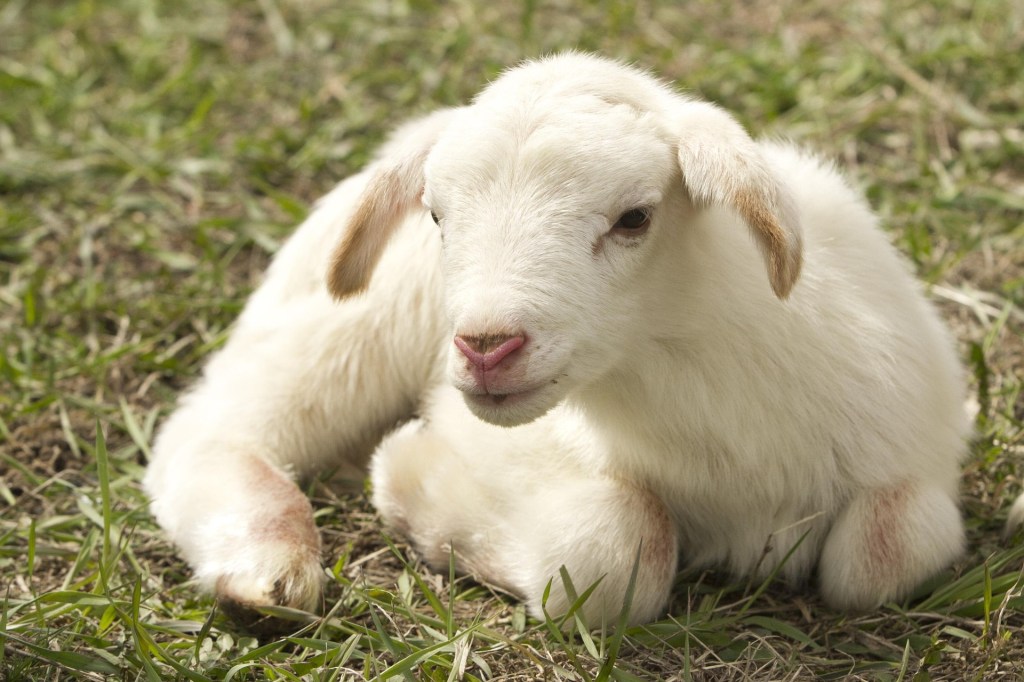
- Monitor breeding: If breeding is planned, keep track of estrus cycles in female animals.
- Animal birthing: Make sure you are prepared for animals giving birth.
- Clean out animal shelters: Thoroughly clean and disinfect chicken coops, stalls, and other animal housing areas.
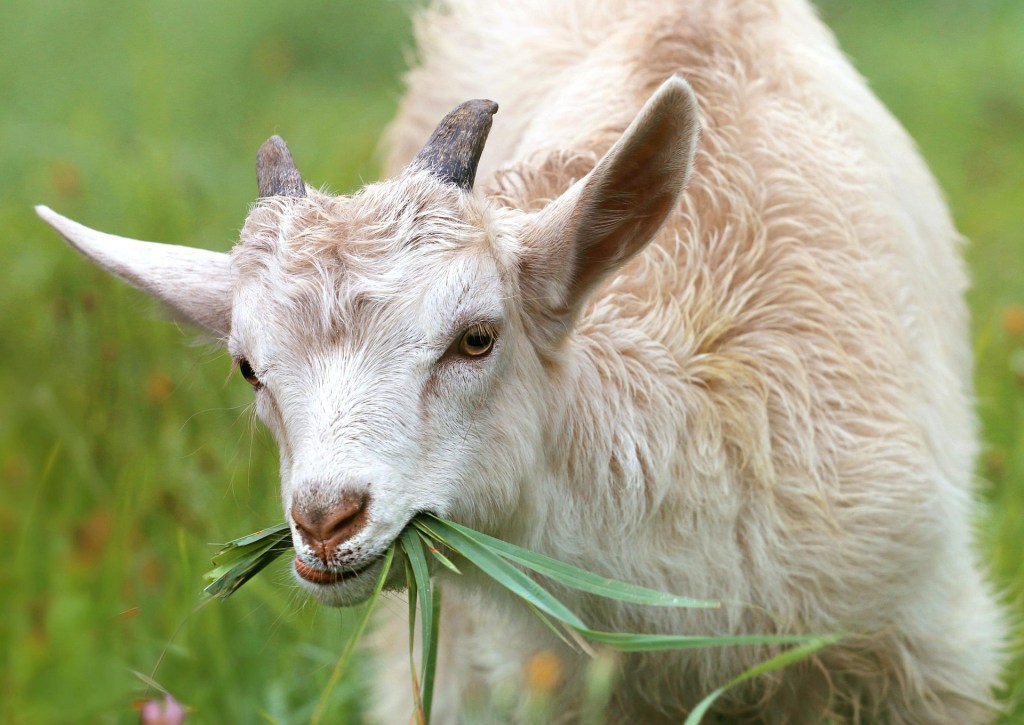
- Increase grazing time: Gradually increase the amount of time animals spend grazing outdoors as weather permits. Grazing animals need to be slowly introduced to grazing as spring grass tends to be full of sugar and could cause digestive trouble.
Other Farm Chores
- Repair fences: Inspect and repair any damaged fencing around the property.

- Clean up debris: Remove winter debris from around the farm, including fallen branches and old plant material.
- Check equipment: Inspect and maintain farm equipment, including tractors, tillers, mowers, and other tools.
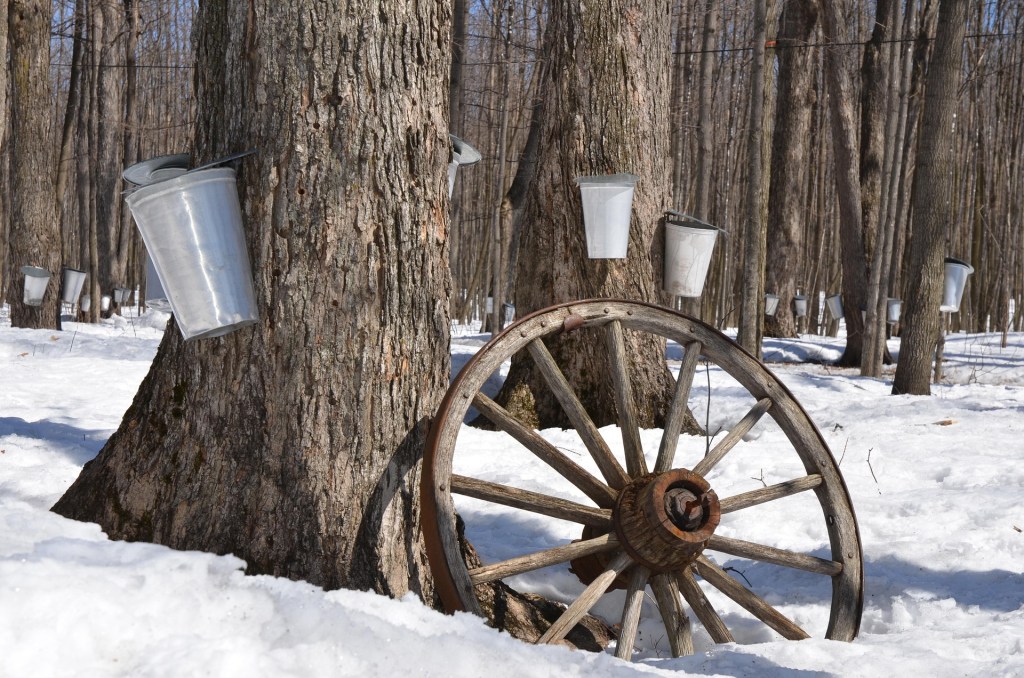
- Collect maple sap: If you have maple trees, this is the time to tap them and collect sap for maple syrup production (depending on your climate).
Important Considerations
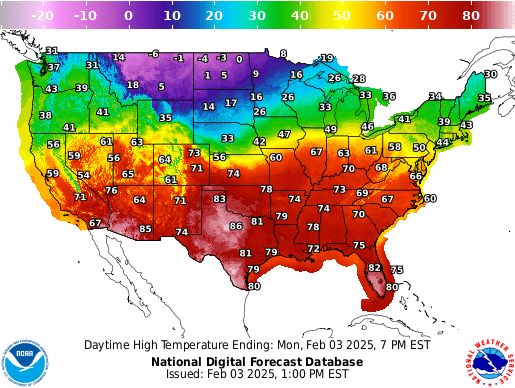
- Weather Monitoring: Keep a close eye on weather forecasts to protect young plants from frost. Also, make sure that your animals have adequate shelter and food.
- Crop Rotation: Plan your garden layout using crop rotation to maintain soil health.
- Pest Management: Start monitoring for potential pests and plan preventive treatment to keep pests at a minimum.
Houseplants

- Fertilize houseplants
- Remove any dead leaves or spent flowers
- Check stored bulbs for damage and get rid of any bulb that is shriveled
- Dahlia tubers: Can be potted and moved outside when the soil is above 60 degrees. They generally bloom earlier than those just planted in the ground.
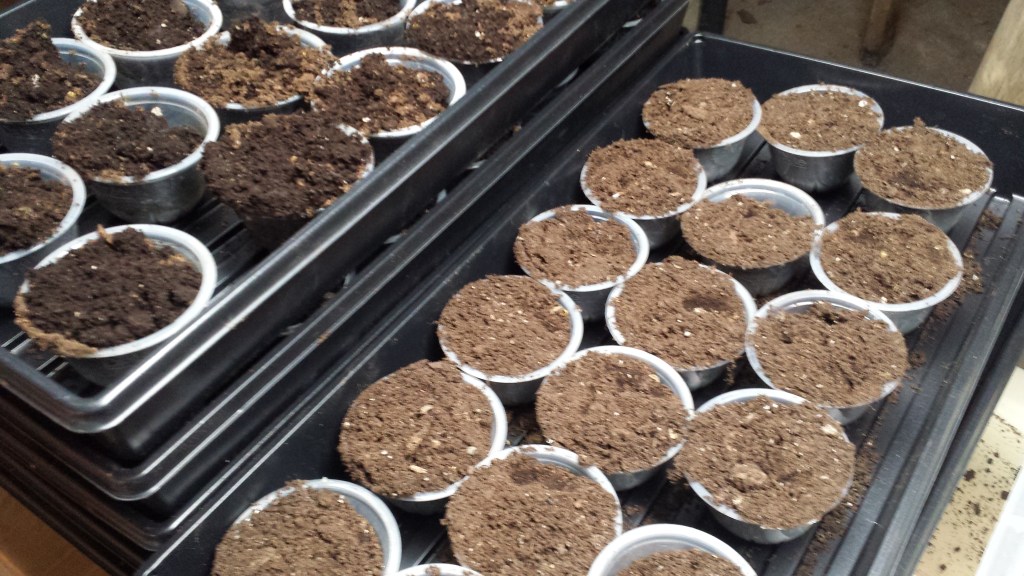
- Start garden seeds indoors: To get a jump on the growing season.
Yard
- Prune trees and shrubs that are not spring blooming: Prune while still dormant. The plant will have a better chance at healing the wounds before insects and diseases become an issue.
- Plant new trees and shrubs: As soon as the soil dries out enough. Plant bare-root plants before they leaf out.
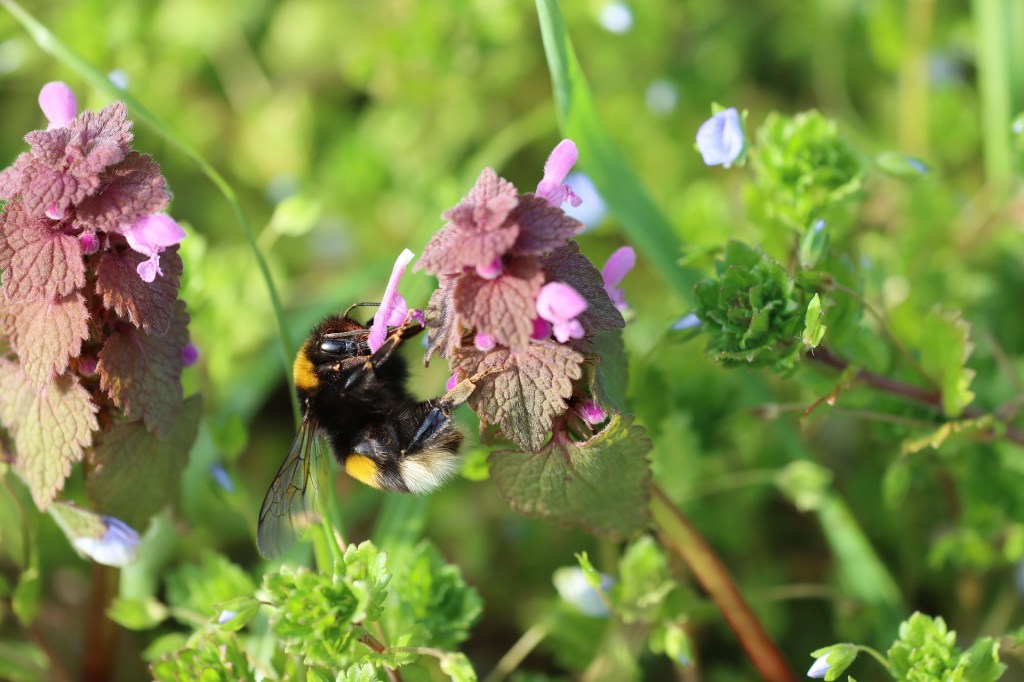
- Fertilize woody plants: Before new growth begins and after soil temp reaches 40 degrees F. If you don’t have a soil thermometer, look to see if these plants are growing: henbit, common chickweed, purple deadnettle. These plants are winter annuals and will be actively growing in cooler temperatures.
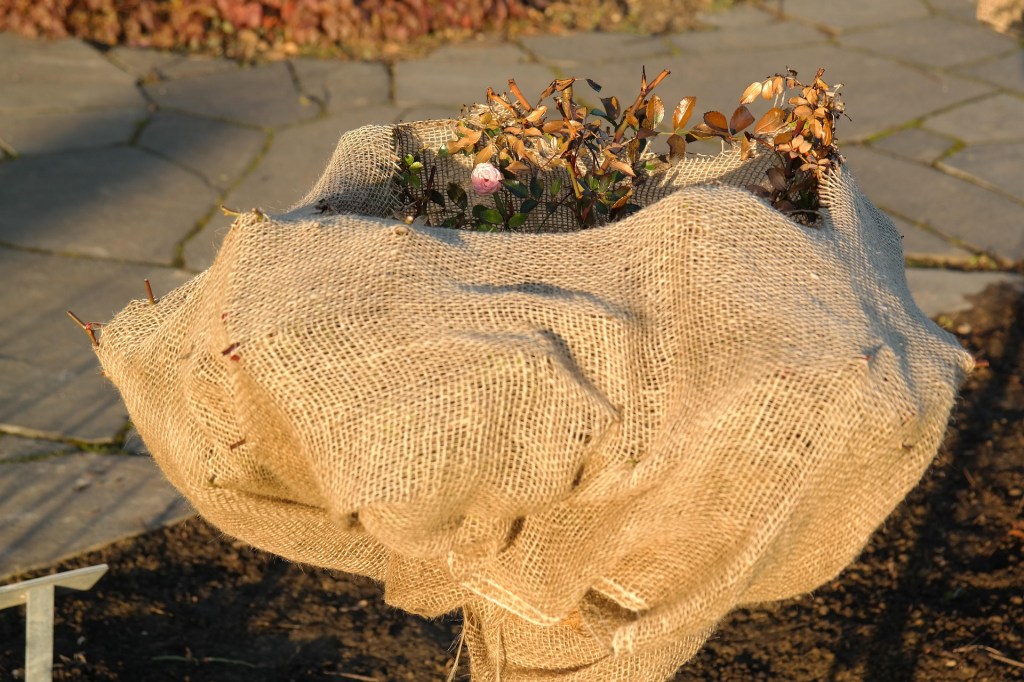
- Remove any winter protections on plants such as roses: Before new growth starts.
- Control for scale insects and mites: Use an oil spray and follow the directions on the container.
Garden
Plant cool-season vegetables: Like broccoli, cabbage, Brussels sprouts, cauliflower, and kohlrabi.
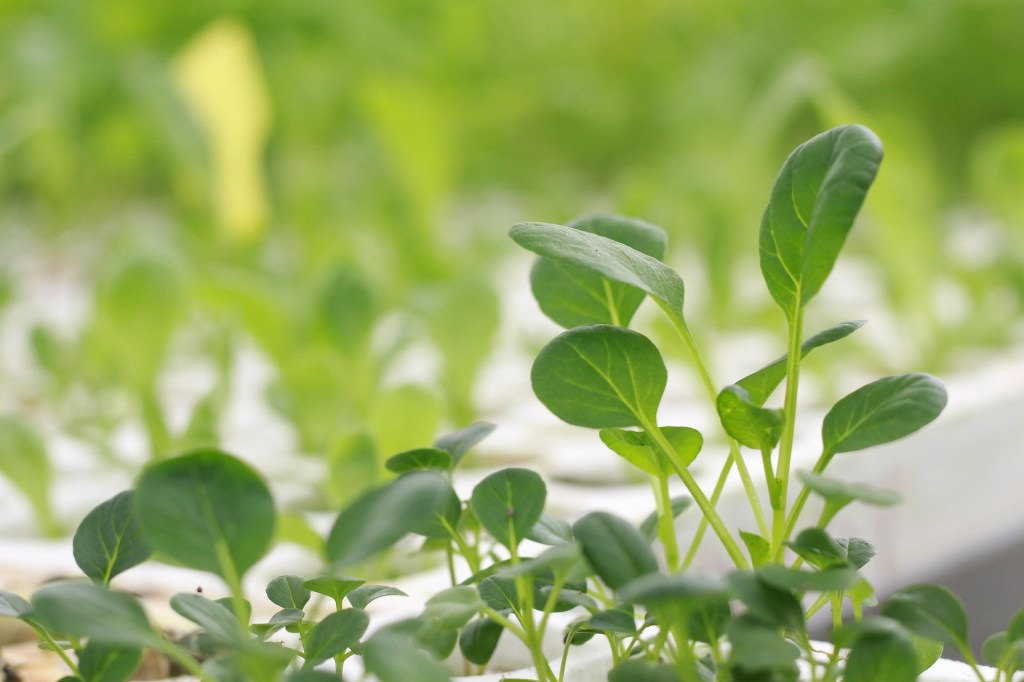
Harden off seedlings: If the soil is warm enough, start setting the plants out a few hours at a time about a week to 10 days before you want to plant.
Soil test: If you did a soil test last fall, you should have the recommendation for fertilizer and pH adjustments. If you didn’t test your soil, you can do it in the spring. The results might take a bit longer to get to you since everyone does soil testing in the spring.
Start warm-season crops: If you haven’t yet, start your warm-season crop seeds now. These should be planted after the last frost date in your area.
Clean up landscape: If you haven’t taken care of the dead foliage or dead flowers, now is the time to clean up your landscape.
Early spring bulbs: Should start to bloom soon. Be on the watch for what you planted last fall.

Prepare for asparagus and rhubarb: By removing old foliage and side dressing with either fertilizer or composted manure. This is the time to transplant asparagus or rhubarb.
Strawberry season: Remove winter mulch from strawberry plants as soon as new growth begins. Keep the mulch near in case of late freezes.

Raspberry plants: Remove weak, diseased, or damaged canes before growth begins. Remove old fruiting canes.
Grapevine: Will do well from a good pruning this time of year.
I know this is only a short list of important tasks to get done in the spring. With so many things going on, it is easy to get overwhelmed. I am here to help you with your homestead dreams. I will have a new class coming soon. Those who have signed up for my newsletter will be the first to preview the class. I want all the feedback so I can make sure it fits your needs.
Subscribe and never miss a post! Be there the first to get new offers and preview new classes.
I hope this format helps you stay organized and ready for the busy spring season! 🌸
With so many things going on, it is easy to get overwhelmed. I am here to help you with your homestead dreams. I will have a new class coming soon. Those who have signed up for my newsletter will be the first to preview the class. I want all the feedback so I can make sure it fits your needs.
Discover more from Anything Agriculture
Subscribe to get the latest posts sent to your email.
