

Be sure to sign up for up to date article on topics that matter to you.


Raising baby chicks can be a delightful and fulfilling endeavor, but it requires careful planning and attention to detail. From the moment your chicks hatch, they depend on you for warmth, nutrition, and a safe environment. This guide will walk you through the essential steps to ensure your chicks grow into healthy, happy chickens. Whether you’re a first-time chick parent or an experienced poultry keeper, these tips will help you provide the best care for your feathered friends. Let’s dive into the world of chick-rearing and discover how to create a nurturing home for your new flock.
After Your Chicks Hatch
You’ll need a large tote, livestock trough, or wooden box with clean, dry bedding (pine shavings). A heat lamp is essential, as well as water (preferably chick waterers) and medicated chick starter. Nutrition is crucial at this stage, as chicks can be susceptible to coccidiosis if conditions are wet and dirty. Watch for bloody stools.

First Days
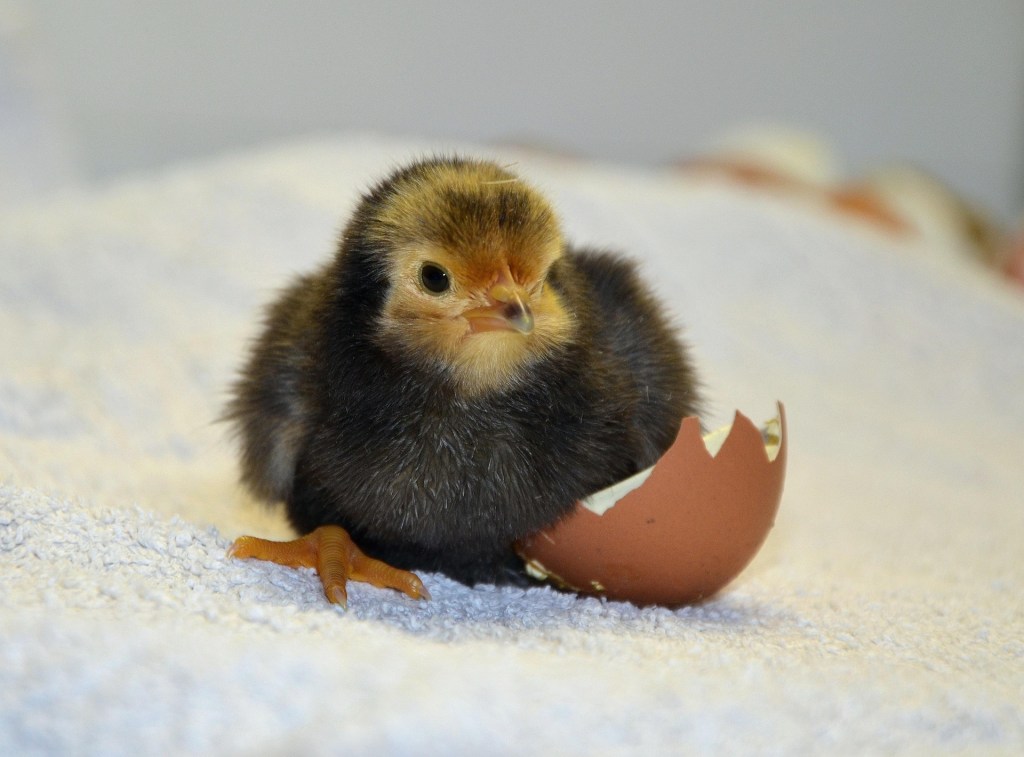
Chicks need access to heat but should also have room to move away from it. The floor should be flat but not slick; paper towels work well for a few days, but wood shavings are ideal as they are more absorbent than straw. Food and water should be within a short walk from the heat source. You may want to keep them indoors for a few days if it’s really cold outside.
Chick Box/Brooders
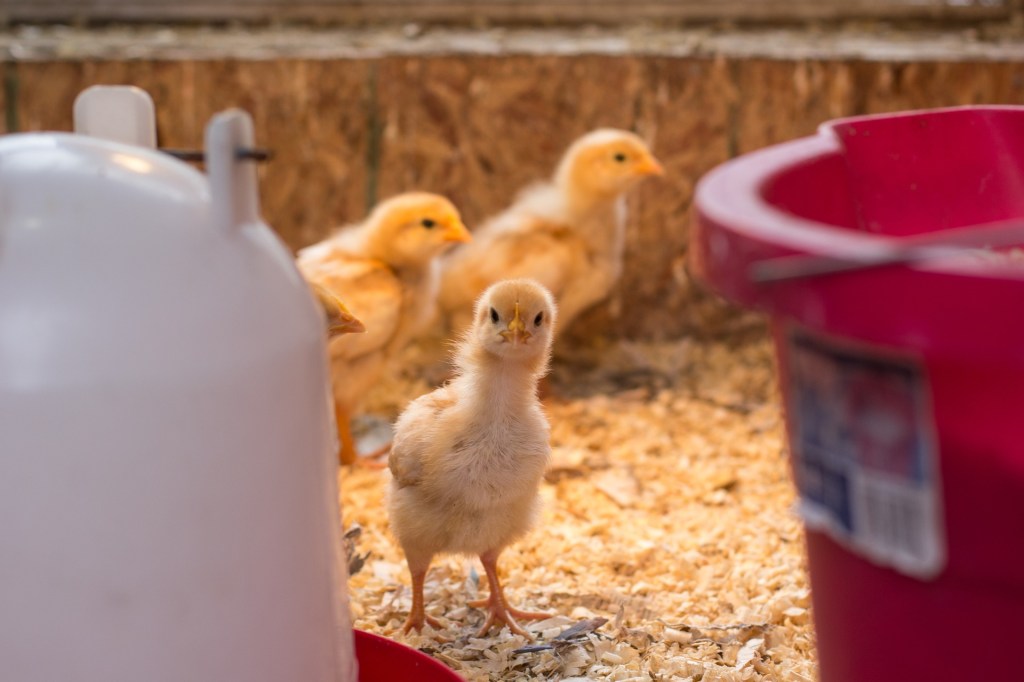
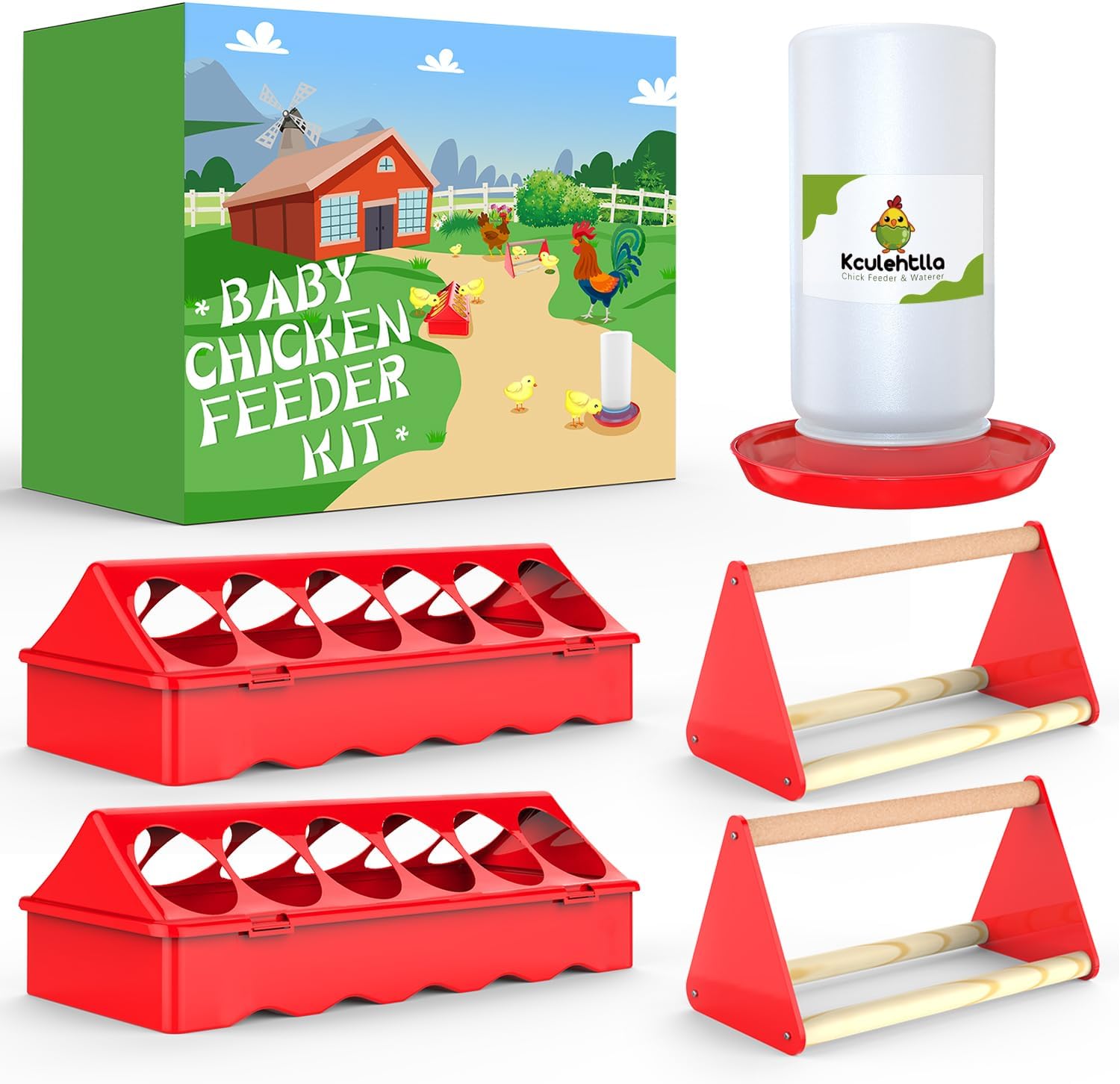
For the first week or two, use a brooder with a heat source. Place lights at one end so chicks can move away if they’re too hot. Use two lights if the brooder is in an unheated building during cold weather, in case one burns out. Use chick feed, either medicated or non-medicated, and provide fresh, clean water every day. Some people use a cardboard box or water/feed troughs to keep chicks in, with wood shavings as bedding. There are kits for brooding too.

The Brooder House
For brooding a lot of chicks, use wood shavings, multiple feeders, and multiple heat lamps if it’s cold. Keep water above the shavings. Make sure there is enough room for all of the chicks. Chicks can get board and start picking at each other.
First 1-4 Weeks
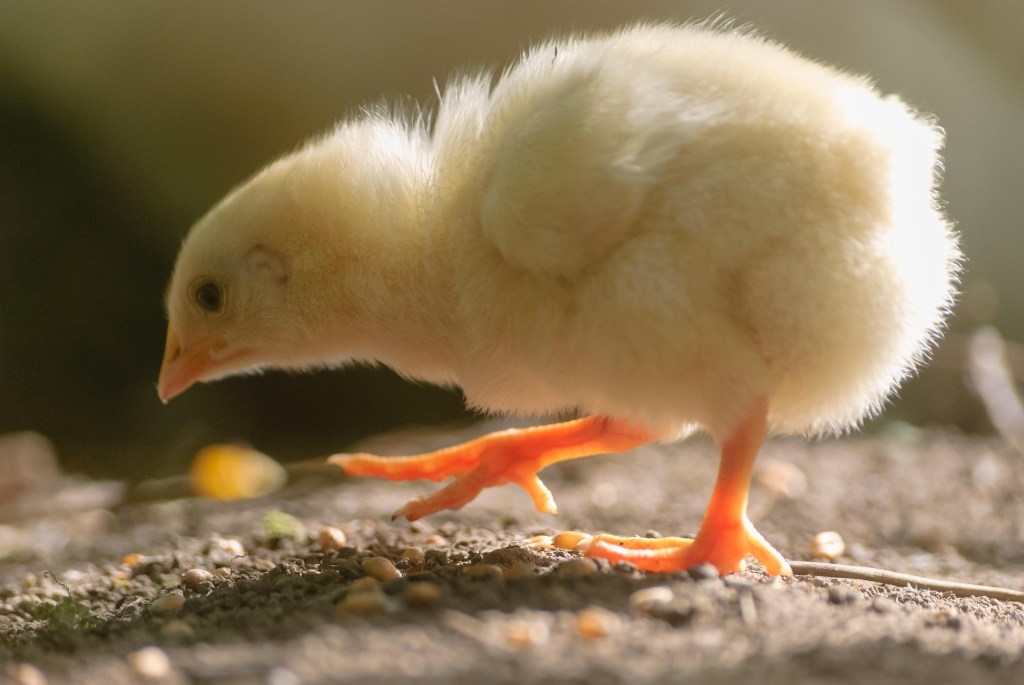
As chicks feather out, their heat needs lessen. Raise the heat lamp every week as they grow feathers. They will need more space as they grow. When setting up a brooding box make sure the chicks can get out from under the lights. Watch out for feather picking if the chicks are too close together with nothing else to do. Provide entertainment like a chick block (DIY) or greens.
Heat Lamps or Heat Pad are necessary to keep chicks helpful


Home-made Baby Chick Block
Dissolve 1 packet of unflavored gelatin in ½ cup hot water. Pour the mixture over 2 ½ – 3 cups of scratch grain. Mix thoroughly and pack into a mold. Place in the refrigerator to harden.
Feather Picking
Feather picking is a common problem due to overcrowding and boredom. Chicks with plenty of room and access to the outdoors have fewer picking problems. Prevention includes providing plenty of space, food, and water. It also involves keeping them busy with leafy alfalfa hay, heads of cabbage, grass clippings, styrofoam, or baby blocks (gelatinized scratch grain). Treatment may involve culling victims, removing “pickers,” getting them out on grass, and dusting birds with Sevin or permethrin if there are signs of mites.
Feed
As a general rule when you start your chick you want to use a chick starter. They can be medicated or unmediated. Medicated feeds are to prevent coccidiosis. a deadly disease that can kill the chicks. If you have had issues with coccidiosis in the past it is a good idea to use a medicated feed.
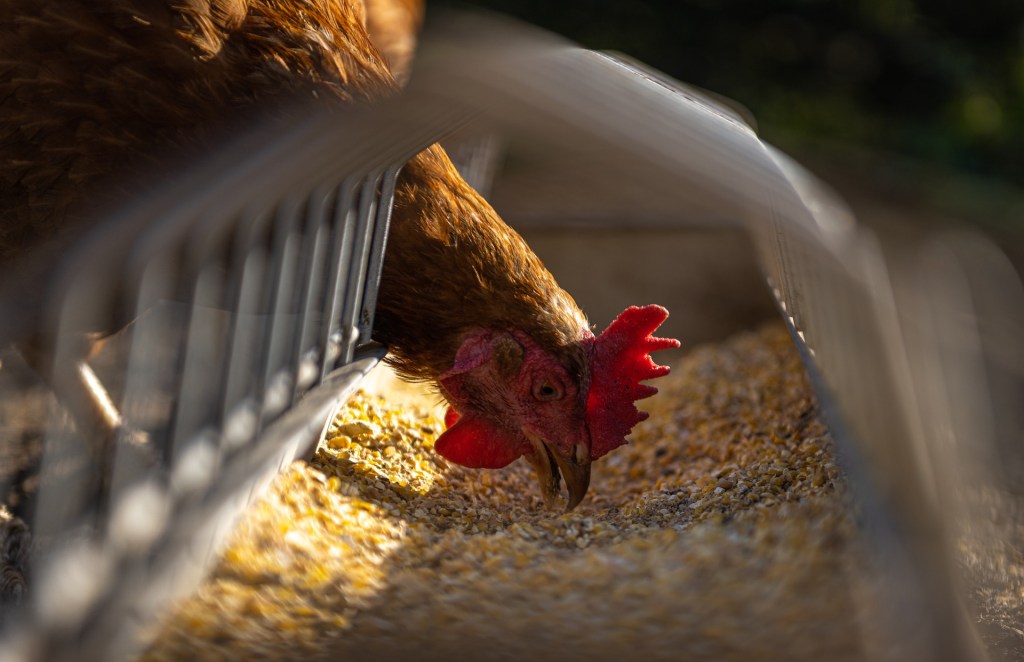
Starter (18-28% protein): There are some options. One options include 26-28% turkey starter for 3 weeks, then 18-22%, or 18-22% starter/grower for the first 18-22 weeks.
Layer (16-18% protein): Start at 18-22 weeks of age with females. It has a higher calcium percentage than starter/grower. A layer feed has been formulated for chicken egg production.
Feed for Meat Birds: Need higher protein percentages than layers. Use 23-28% for the first three weeks and finish with 20-22% broiler ration. This kind of feed is formulated weight gain for broilers.
Good Feed Makes a Difference
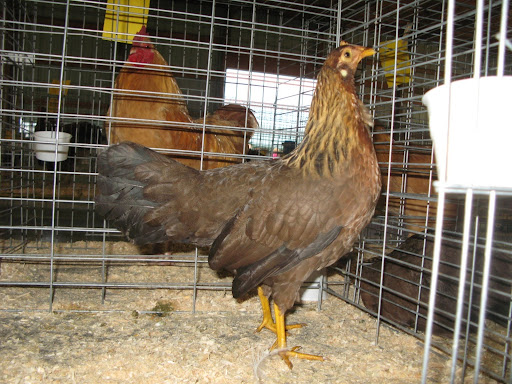
Two Light Brown Leghorn pullets at 6 months of age, with the same parents and hatch date, can show differences in size and maturity based on their feed. One raised on cracked corn (7% protein) and the other on commercial poultry starter (22% protein).

Pellet or Crumbles
Pellet and crumbles feed are two common forms of chicken feed, each with its own advantages. Pellets are compact, cylindrical pieces of feed that are easy for chickens to pick up and eat. They reduce waste because chickens are less likely to scatter them around. Pellets also ensure that chickens get a balanced diet in every bite, as the ingredients are evenly distributed. On the other hand, crumbles are essentially pellets that have been broken down into smaller pieces. They are easier for younger chickens or those with smaller beaks to eat. Crumbles can also be more palatable for some chickens, encouraging them to eat more. Ultimately, the choice between pellets and crumbles depends on the specific needs and preferences of your flock.
1-5 Months of Chicks’ Life
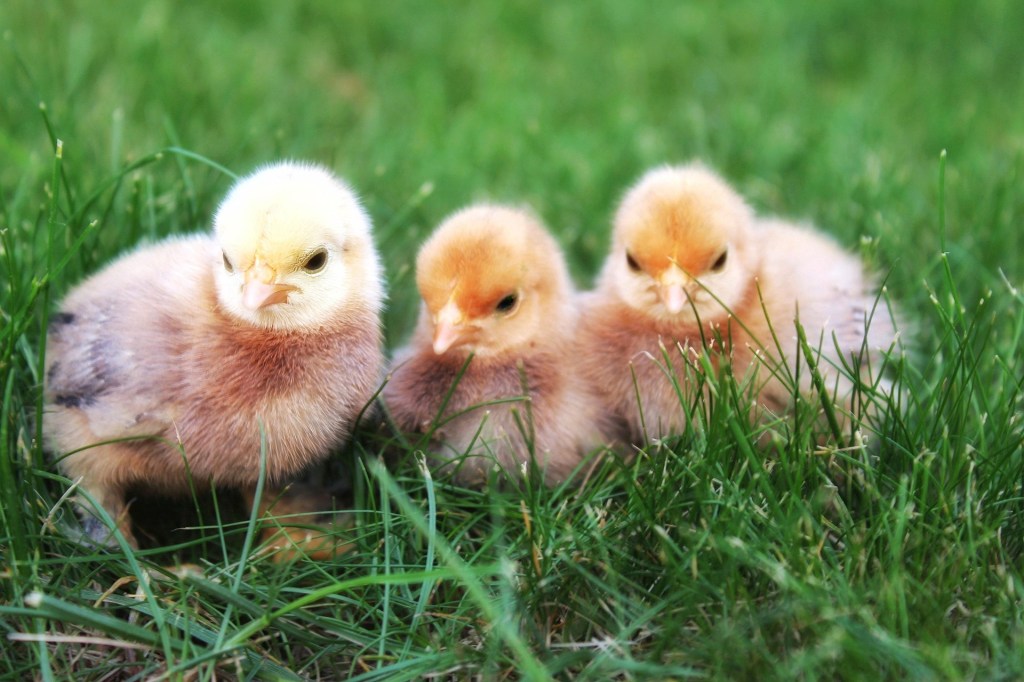
Chicks should be fully feathered and can be let outside on warm days. Separate quick-maturing males from other birds to prevent harm to hens. Adult plumage comes in towards the end of this stage. Egg layers should start laying eggs around 16-20 weeks, depending on the breed. At this stage, chicks should be in their permanent coop to protect them from predators. Coops can be in old unused buildings or sheds. A place to roost is necessary for the health and comfort of your birds.
Grass and Grazing Chickens
Grass and clover are nutritious, give birds something to do, and keep them cleaner. Chickens and grazing grass might not be the most common pairing, but they can actually complement each other quite well. Chickens are natural foragers and love to peck at the ground, searching for insects, seeds, and other tasty morsels. When allowed to roam on grazing grass, they can help control pests and fertilize the soil with their droppings. The grass, in turn, provides a soft and nutritious environment for the chickens to explore and enjoy. This symbiotic relationship can lead to healthier chickens and more robust grass, creating a sustainable and harmonious ecosystem. Plus, watching chickens happily clucking and scratching around in the grass is a delightful sight for any farmer or backyard enthusiast.
Housing, Runs, Fencing & Gates
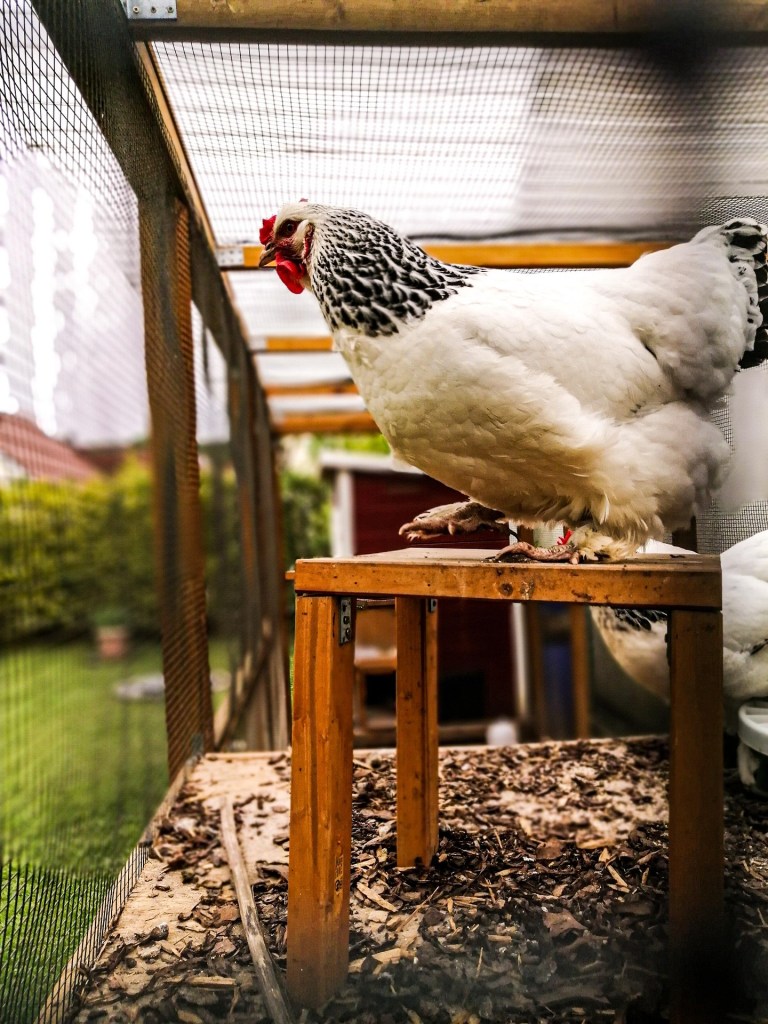
Fencing chicken runs is essential for ensuring the safety and well-being of your flock. A well-constructed fence keeps predators like foxes, raccoons, and stray dogs at bay, providing a secure environment for the chickens to roam and forage. It also prevents the chickens from wandering off and getting lost or injured. When choosing a fence, consider materials like galvanized wire mesh or hardware cloth, which are durable and resistant to rust. The height of the fence should be at 5-6 feet to deter climbing predators and prevent the chickens from flying over. Additionally, burying the fence a few inches into the ground can help prevent burrowing animals from gaining access. Electric fence netting is an effective way to keep predators out and chickens in.

Another important aspect of fencing chicken runs is creating a comfortable and spacious area for the chickens to move around. A larger run allows the chickens to exhibit natural behaviors like scratching, pecking, and dust bathing, which are crucial for their physical and mental health. Providing shade and shelter within the fenced area can protect the chickens from harsh weather conditions and give them a place to rest. Regularly inspecting and maintaining the fence is also vital to ensure there are no gaps or weak spots that predators could exploit. By investing in a sturdy and well-designed fence, you can create a safe and enriching environment for your chickens to thrive.

Cockerels
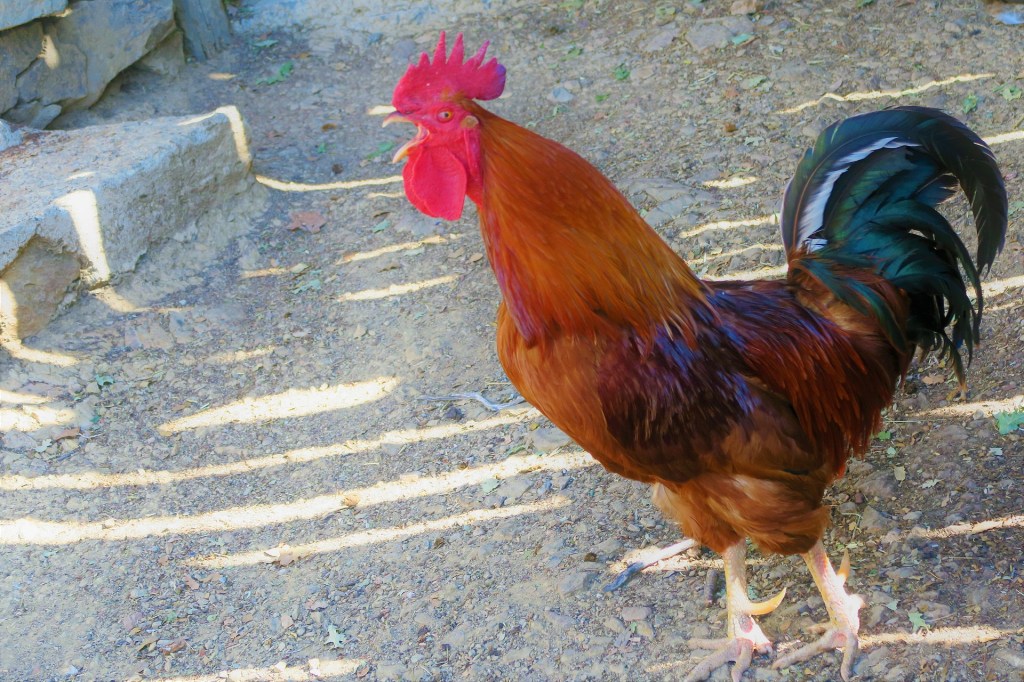
Cockerels are young male chickens that can show aggressive behavior. Males are useful for breeding and hatching eggs but are not necessary for egg-laying flocks. Separate cages may be needed for new birds in quarantine or brooding hens. Cages can be made from 1 x 2 inch wire and should be large enough for the birds.
Raising baby chicks is a journey filled with joy, learning, and a few challenges along the way. By providing the right environment, nutrition, and care, you can ensure your chicks grow into healthy, happy chickens. Remember to monitor their needs closely, especially in the early stages, and make adjustments as they grow. With patience and dedication, you’ll find that raising chicks is not only rewarding but also a wonderful way to connect with nature and enjoy the simple pleasures of life. Happy chick-raising! 🐥
For a quick shelter for your birds check out my article on quick and dirty greenhouse. This plan can be easy adapted to a chicken shelter by adding wire instead of plastic and a tarp to keep the weather off your birds Check it out
DIY Greenhouse: Easy Steps for Beginners
Thank you for reading! If you want more information and updates, please subscribe to my newsletter. Get the latest blog posts and new offers right in your email. It’s free to subscribe, and you’ll receive loads of information at no cost.
Don’t forget to check out Anything Agriculture on social media! Follow us on YouTube, Facebook, Instagram, and Pinterest for more great content. Like and subscribe to stay connected!
Ready to take your homesteading journey to the next level? Book an appointment with me today! With decades of experience, I provide personalized advice to solve any homesteading challenge. Whether you’re a newbie or a seasoned homesteader, I offer expert guidance to make your homestead thrive. Don’t miss out—schedule a chat and unlock the full potential of your homestead with Anything Agriculture. Let’s turn your dreams into reality!
Discover more from Anything Agriculture
Subscribe to get the latest posts sent to your email.
