

Cilantro is no meek kitchen garnish. It is a plant of defiance, a green banner raised in the soil of sovereignty. For those who claim their homestead as fortress and sanctuary, cilantro is more than flavor. It is rebellion, resilience, and ritual. And when its cycle turns, it does not surrender. It transforms. The leaves give way to seeds, and cilantro becomes coriander, a second weapon in your herbal arsenal. Fresh or dried, leaf or seed, cilantro and coriander together embody the full force of resilience, carrying both immediate vitality and enduring legacy.
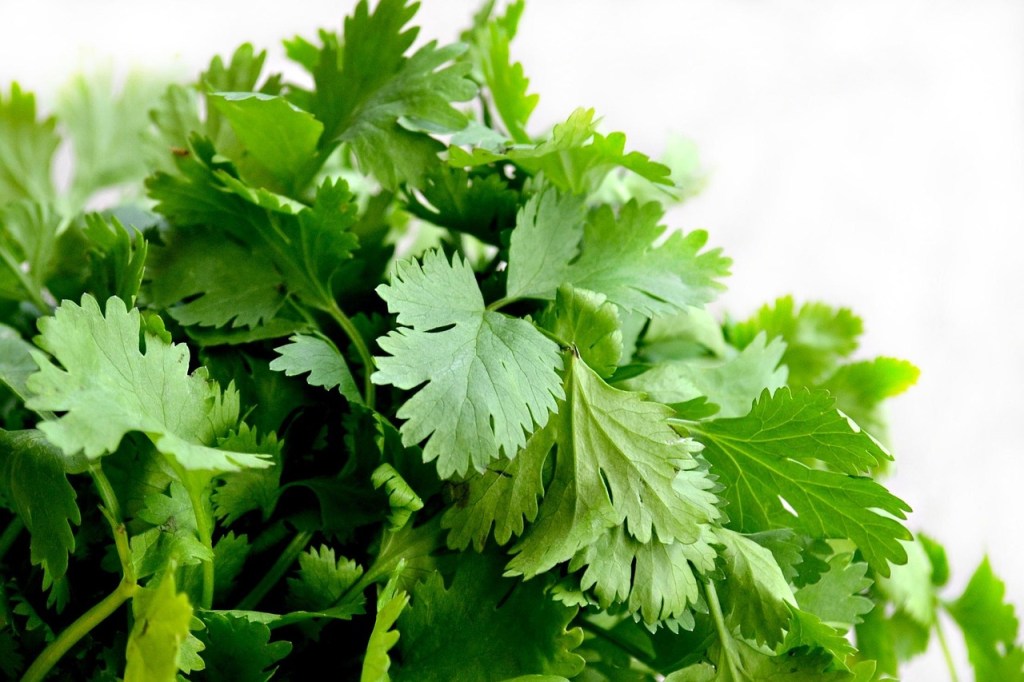
Growing Cilantro: Planting Defiance
Cilantro thrives in cool seasons, demanding you sow it directly into the earth. It resists confinement, preferring loose, compost-rich soil and steady moisture. Harvest its leaves early and often, and when it bolts in the heat, let it flower proudly.
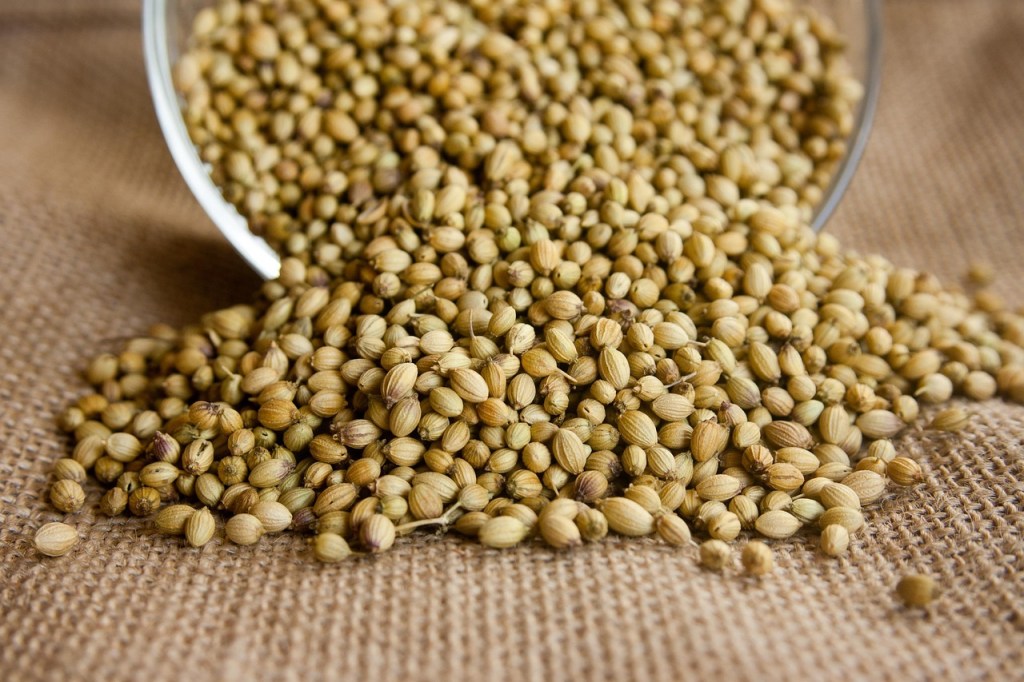
Its seeds, coriander, become another weapon in your herbal arsenal. When cilantro bolts and flowers, do not mourn the loss of leaves; celebrate the transformation. The plant shifts from green rebellion to golden resilience, offering seeds that carry both flavor and power.
Planting Cilantro
- Timing: Plant cilantro in early spring or fall, as it prefers cooler temperatures between 50–85°F.
- Direct Sowing: Cilantro dislikes transplanting. Sow seeds directly into the garden bed or container.
- Spacing: Plant seeds about ¼ inch deep, spaced 6–8 inches apart. Thin seedlings to avoid overcrowding.
- Succession Planting: Because cilantro bolts quickly in heat, sow new seeds every 2–3 weeks for a continuous harvest.
Soil Requirements
- Type: Loose, well-drained soil enriched with compost is ideal.
- pH: Cilantro prefers slightly acidic to neutral soil (6.2–6.8).
- Fertility: Moderate fertility is best—too much nitrogen encourages excessive leaf growth but reduces flavor.
Watering and Care
- Moisture: Keep soil consistently moist but not soggy. Dry spells stress the plant and accelerate bolting.
- Mulching: Apply mulch to retain moisture and keep roots cool.
- Sunlight: Cilantro grows best in full sun but tolerates partial shade, especially in hot climates.
Harvesting Cilantro
- Leaves: Begin harvesting when plants reach 6–8 inches tall. Snip outer leaves first to encourage regrowth.
- Seeds (Coriander): Allow plants to flower and set seed. Harvest when seeds turn brown and dry on the stem.
- Storage: Fresh leaves can be refrigerated in damp paper towels. Seeds can be stored in airtight jars.
Where Cilantro Belongs: The Sovereign Garden
Cilantro is not a solitary soldier. It belongs among tomatoes, peppers, and spinach, summoning ladybugs and hoverflies to guard your crops. In containers, it thrives on patios and balconies, a reminder that sovereignty can be claimed even in small spaces. Succession planting ensures a steady supply, a rhythm of resilience that keeps your harvest alive.
The Struggles: Bolting and Battle Scars
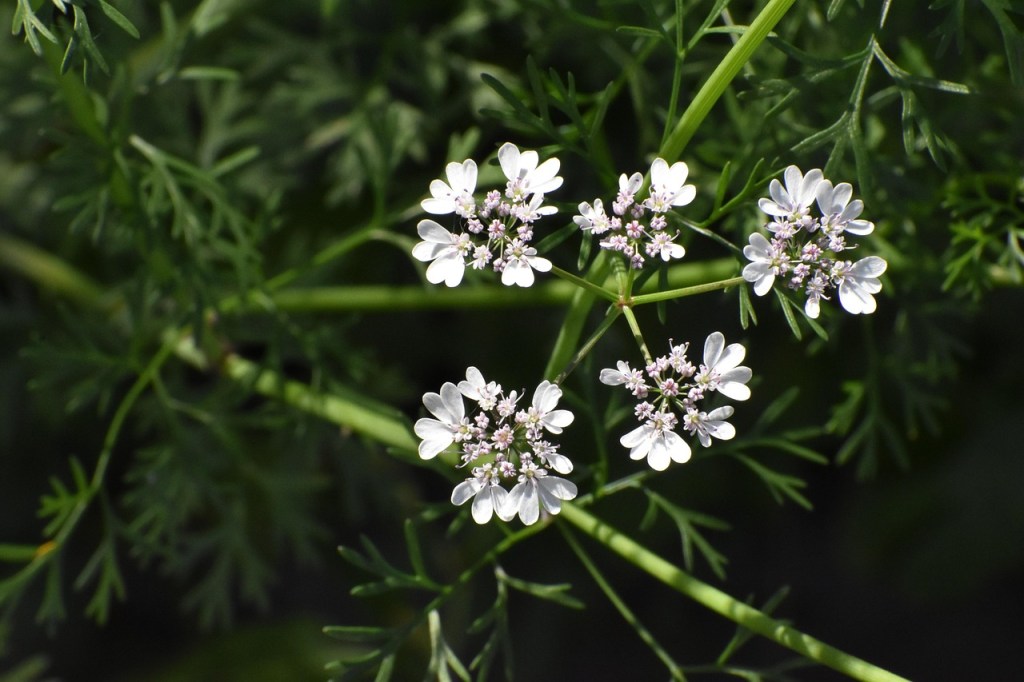
Cilantro is notorious for bolting, its leaves turning bitter as it races toward seed. This is not failure, it is transformation. Shade, succession, and patience are your tactics. Pests may strike, mildew may creep, but cilantro endures. Its short lifespan is a reminder that rebellion must be renewed, season after season.
From Cilantro to Coriander: The Seed’s Transformation
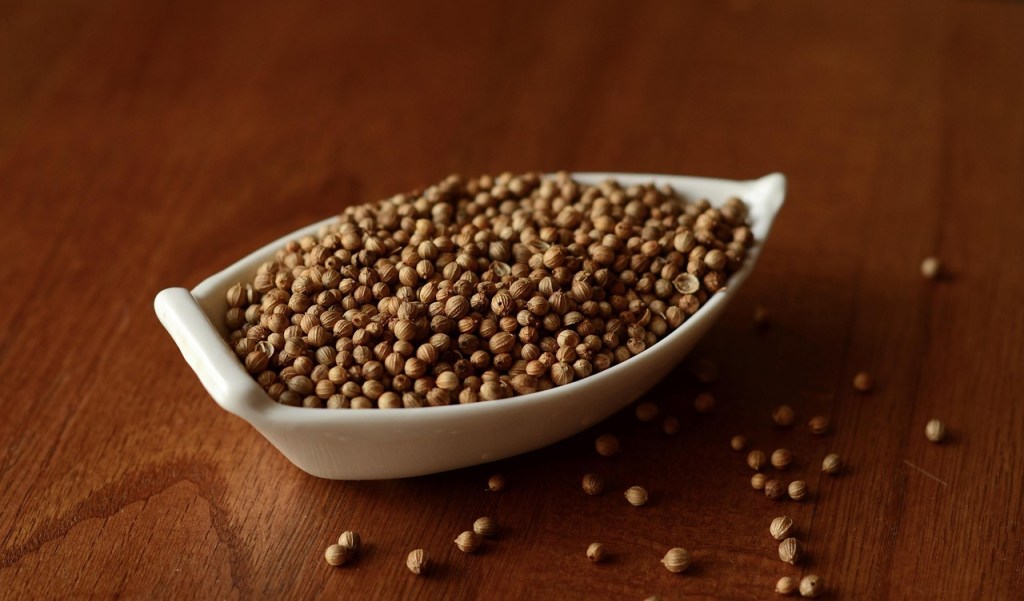
When cilantro completes its fiery cycle and sends up blossoms, it does not fade; it evolves. The leaves give way to seeds, and in this transformation cilantro becomes coriander. What was once a fleeting green ally becomes a lasting weapon in your herbal arsenal. These seeds carry flavor, medicine, and myth, linking your homestead to ancient kitchens and sacred gardens
Coriander is more than a spice. It is an ancient currency of kitchens and apothecaries, found in Egyptian tombs as a symbol of eternal love, scattered through medieval brews to stir passion, and ground into powders that traveled the Silk Road. In your homestead, these seeds are tactical allies:
- Culinary Weaponry: Toast and grind coriander seeds to unleash warm, citrusy notes in curries, breads, and pickles.
- Medicinal Lore: Brew them into teas to calm digestion, ease anxiety, and cleanse the body.
- Garden Strategy: Save seeds for replanting, ensuring your rebellion renews season after season.
- Cultural Legacy: Each seed carries centuries of story, binding your garden to the kitchens of ancestors.
Coriander is proof that even in endings, there is an arsenal. When cilantro leaves fade, the seeds rise as ammunition for sovereignty, tiny spheres of resilience, ready to flavor, heal, and perpetuate your homestead legacy.
Cilantro in Your Kitchen and Apothecary
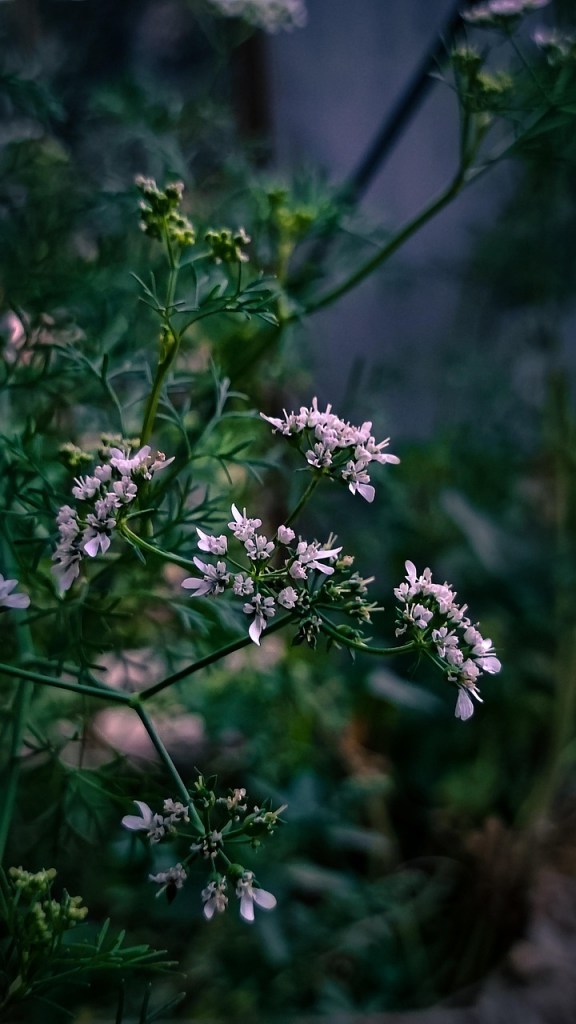
Cilantro is not just a garden ally; it is a weapon of flavor and healing. Here’s how to wield it quickly and fiercely:
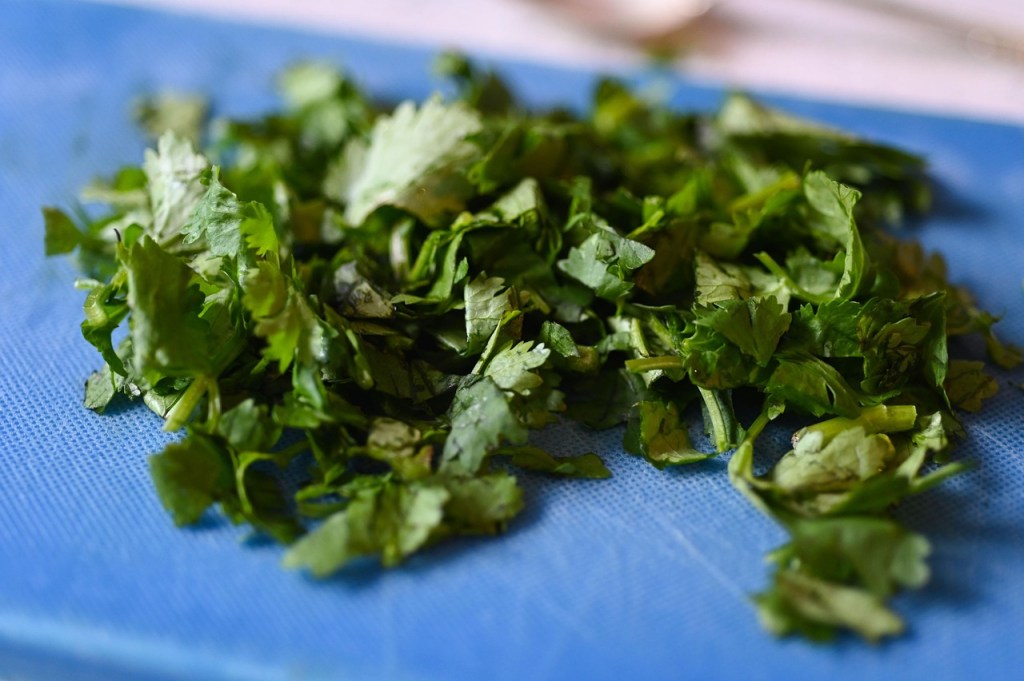
- Fresh Garnish: Chop leaves and scatter them over tacos, curries, soups, and salads for a burst of citrusy rebellion.
- Salsas & Sauces: Blend cilantro with lime, garlic, and peppers to create fiery salsas or chimichurri.
- Herbal Tea: Steep cilantro leaves for a detoxifying tea that supports digestion and cools the body.
- Seed Power: Use coriander seeds in bread, pickles, or spice blends—an ancient flavor carried from tombs to kitchens.
- Medicinal Lore: Traditionally used to calm anxiety, aid digestion, and cleanse toxins.
Folklore: Cilantro’s Ancient Power
Folklore and Cultural Lore of Cilantro and Coriander
Ancient Egypt
- Seeds in Tombs: Coriander seeds were discovered in the tombs of pharaohs, placed as offerings for eternal love, protection, and nourishment in the afterlife.
- Medicinal Use: Egyptians valued both leaves and seeds for digestive health and as a preservative in food.
🏛 Greece and Rome
- Name Origins: The word coriander comes from the Greek koris, meaning stink bug, a nod to the strong scent of bruised cilantro leaves.
- Roman Banquets: Romans used coriander seeds in wine and food, believing they stimulated appetite and passion.
Babylon and China
- Hanging Gardens of Babylon: Lore claims cilantro grew among the legendary terraces, symbolizing endurance and divine favor.
- Immortality in China: Ancient Chinese texts suggested that eating cilantro could grant immortality, elevating it from kitchen herb to mystical plant.
️ Biblical References
- Mentioned in Scripture: Coriander appears in the Bible, likened to manna, the divine food provided to the Israelites. This tied the seed to sustenance and spiritual blessing.
Global Culinary Identity
- Latin America: Cilantro became a cornerstone of Mexican cuisine, woven into salsas and stews as a symbol of freshness and vitality.
- India: Both leaves and seeds are essential in curries, chutneys, and spice blends, representing abundance and balance.
- Europe: Medieval Europeans believed coriander was an aphrodisiac and used it in love potions.
The Soap Controversy: Genetics and Rebellion

Even the infamous “soap taste” has folkloric echoes. In some traditions, those who disliked cilantro were thought to be cursed with a “closed palate,” unable to receive the herb’s gifts. Today, science explains this as a genetic sensitivity to aldehyde compounds, but the myth persists as part of cilantro’s polarizing identity.
Some taste cilantro as soap, a genetic quirk tied to aldehyde compounds and the OR6A2 gene. For 15–20% of people, cilantro is exile from flavor. Yet even here, cilantro teaches rebellion. It reminds us that taste is personal, that sovereignty includes the right to reject what others adore.
Final Declaration
Cilantro is not just an herb. It is a rebel ally in your rage garden, a plant that refuses to be ordinary. It bolts, it divides, it carries lore across centuries. Whether you love its citrus bite or curse its soapy sting, cilantro demands respect. Plant it, harvest it, let it teach you resilience.
And when its leaves give way to seeds, cilantro becomes coriander, a second form of rebellion. Fresh or dried, leaf or seed, it reminds us that sovereignty is not fleeting but cyclical. To every homesteader standing in their soil: cilantro and coriander together are your reminder that power is grown leaf by leaf, seed by seed, season by season, carrying your legacy forward with every harvest.
Join the Rage Garden Inner Circle
Where the wise grow stronger, wealthier, and Smarter every season.
For just $10/month, you gain access to:
- Money‑saving homestead strategies that put thousands back in your pocket
- Time‑cutting systems that free up your days and sharpen your skills
- Seasonal guides, rituals, and plant allies you won’t find anywhere else
- Exclusive content crafted for people who refuse to shrink
- First access to new tools, printables, and resources
This is more than a newsletter; it’s power. A place to gather to rise, reclaim, and root deeper into their strength.
Every month you wait is knowledge, time, and money you don’t get back. Step into the circle now and grow wild
All Rights Reserved
Discover more from Anything Agriculture
Subscribe to get the latest posts sent to your email.
