Where is Your Water Coming From?
Farms are experts at utilizing every resource effectively, and water is no exception. A farm’s water source can come from various places, including wells, natural springs, surface water (such as ponds or rivers), rainwater (collected), and municipal water sources.

Regardless of the water source, ensuring good water quality is crucial. Factors like bacteria levels, heavy metals, pathogens, salinity, and pH imbalances can affect water quality. Testing the water at the source can help identify any issues. It’s a good idea to test your water quality every couple of years. Contact your local health department for testing labs in your area.
Winter Challenges
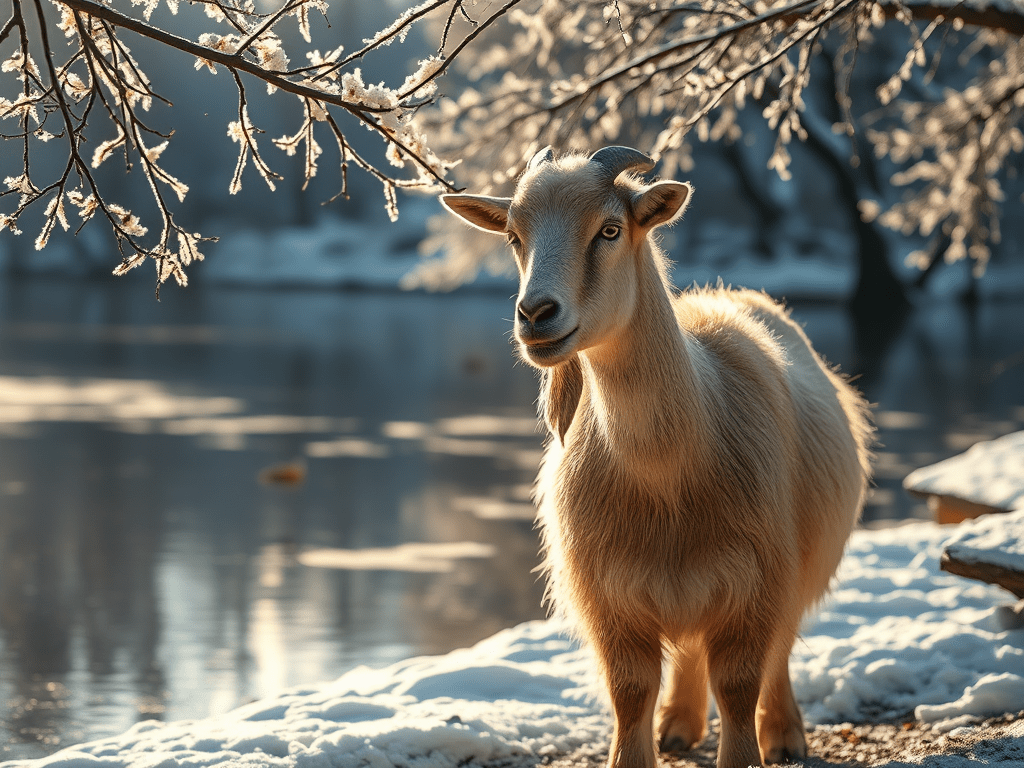
Winter can present challenges for water sources, making it difficult to care for your animals. Each water source has its pros and cons during winter. Be prepared and have a plan for winter watering such as frozen hydrants or water. While this can be done at any time of the year. Winter doses have some additional challenges.
There’s Plenty of Snow?!

While sometimes there is more snow then we know what to do with it. Snow is not a reliable option for watering your animals. Some animals will eat snow, but they are likely not getting enough moisture through snow alone. Snow also can be contaminated and can be dirty. Some animals simply cannot eat enough snow to get enough liquid. Snow is cold and can lead to some animal getting frostbite. Remember it takes 10-13 inches of snow to equal 1 inch of rain. For example, it will take 10 gallons of snow to make up 1 gallon of water. Animal especially large animals will find it is impossible for them to “eat” enough.
Wells
Most people in the Midwest countryside have wells, which are great for farmsteads. A little planning can make having a well in winter manageable. Consider these questions:
- Do you have one well for both your house and farm? A well that serves both can be strained, and freezing water can damage the well casing, pipes, and other components.
- Is your well big enough to handle both house and farm needs? If your animals require more water than the well can provide, it can lead to frustration.
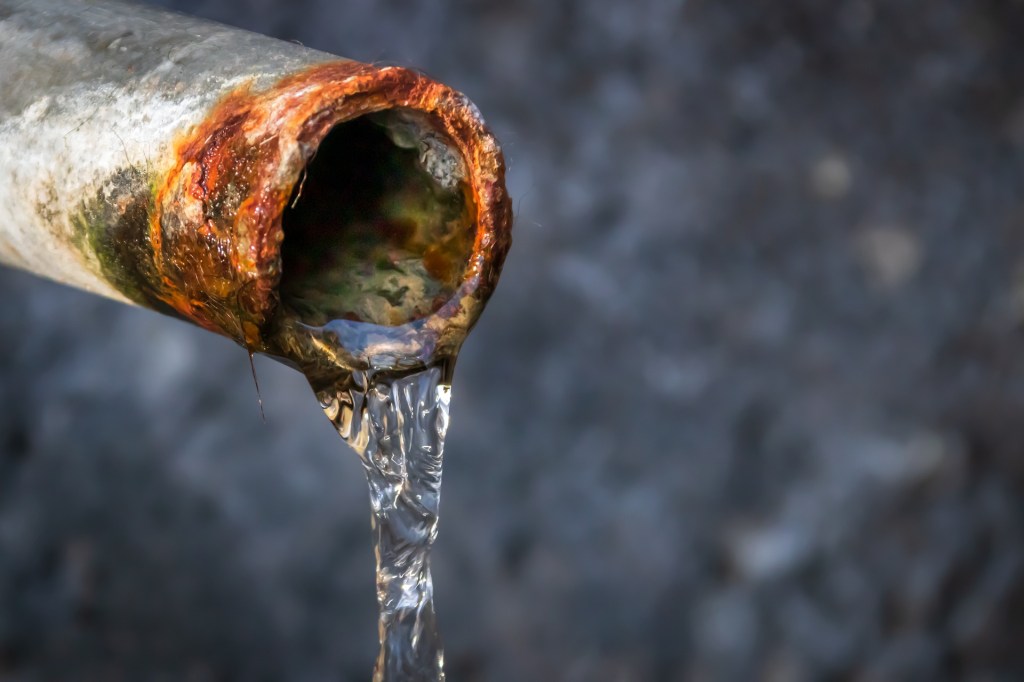
Evaluating your well and well pumps before winter is essential to ensure everything is working properly. This avoids unexpected well pump failures, especially during cold weather or storms. Most well companies will inspect your well for a small fee or even for free. This is a great time to discuss well depth and output, as deeper wells tend to have better water quality and output. An inspection can also help determine if there are any contamination issues and how much electricity is needed to run the well, which is important when purchasing a generator for emergencies.
Natural Springs
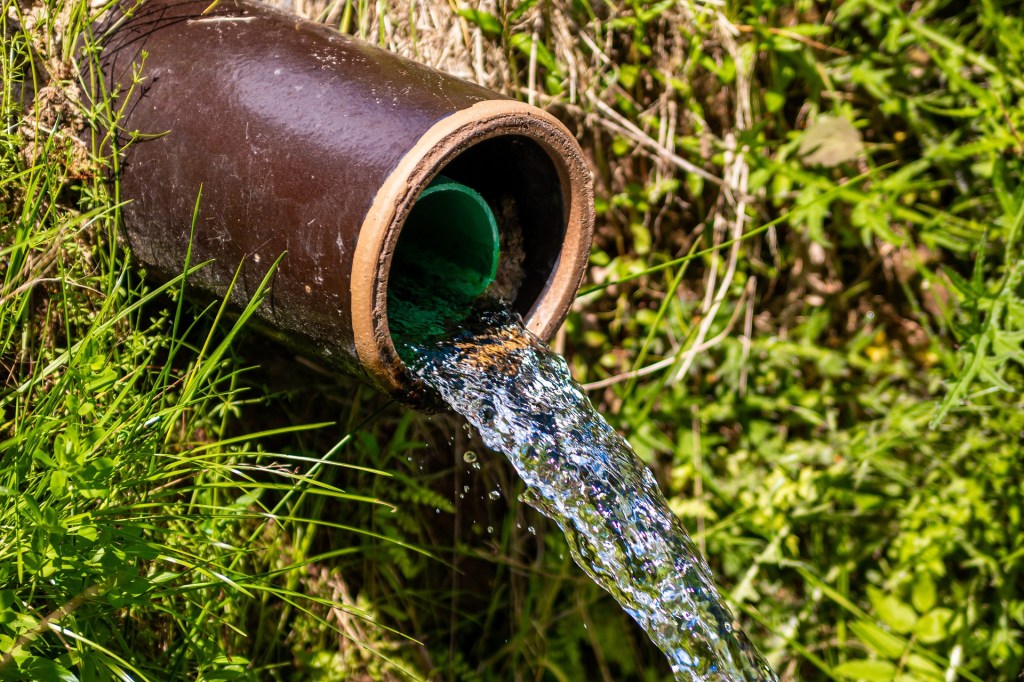
Natural springs can be a wonderful water resource for your farm, but location can be an issue if the spring is far from your livestock enclosure. Access to the spring during cold weather will need a plan. The water output from natural springs can vary with the seasons, so it’s a good idea to determine if the outflow is adequate for your operation. Some springs maintain a constant temperature in winter, providing a refuge for small animals and wildlife.
Surface Water (Ponds and Rivers)

Surface water sources can be great for livestock but come with their own issues. Cold weather can cause vegetation around these water features to go dormant, making the area susceptible to damage by animal hooves, especially if it’s muddy. Ponds and rivers can freeze over, posing a hazard for animals searching for water. It’s not uncommon for animals to fall through the ice, with shelf ice being particularly hazardous. Surface water can also become easily contaminated by animal waste and sediment. Keeping animals away from the shoreline and pumping water to troughs can help keep the water clean and fresh.
Rainwater
Collected rainwater can be a viable water source for animals and an emergency backup if the main watering system fails. However, storing rainwater can be problematic, especially if stored above ground, as tanks can freeze and split. Rainwater can also get contaminated easily, so it’s important to have a way to evaluate your stored water.

Municipal Water Sources
Municipal water sources are the most reliable in terms of flow and cleanliness, as they are regularly tested for contaminants. They rarely stop flowing, and the municipality ensures consistent water quality.
Water Testing
It’s crucial to test your water every couple of years to ensure it’s not contaminated. In many cases, contamination can be treated, and your water source will be fine. Your local health department should have a list of local water testing labs. Follow all the directions for a sample to get the best results.
Having your water evaluated is especially important if hard water is an issue. Calcium dissolved in the water, also known as hard water, can damage equipment. Sometimes, it’s necessary to treat hard water.
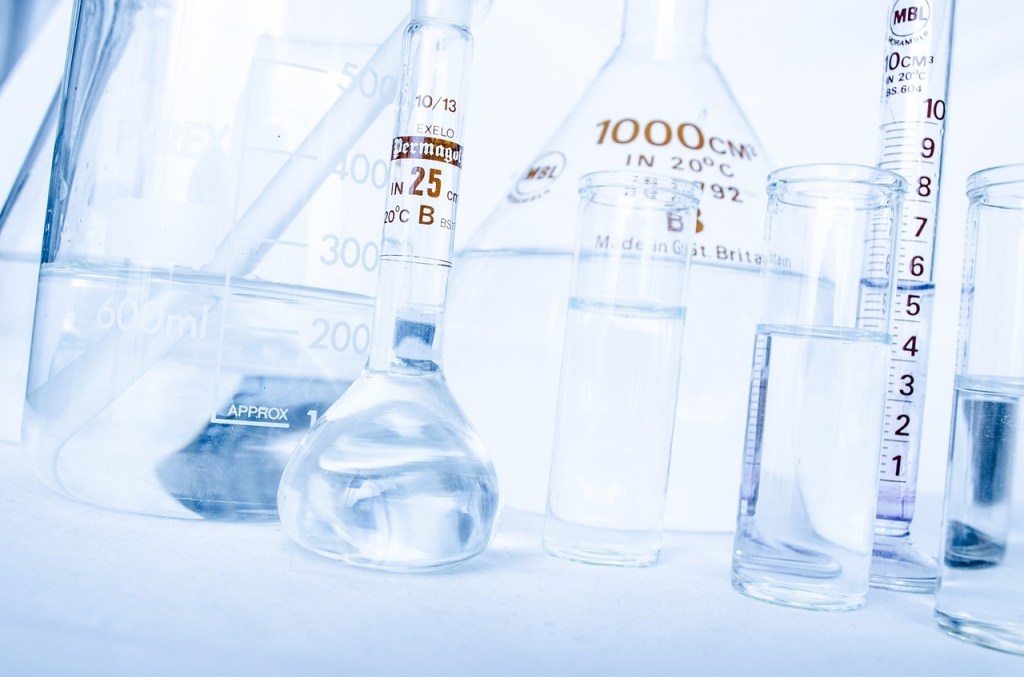
Iron bacteria is another issue that can lurk in a water supply. It usually comes with a sulfur smell. Iron bacteria may need to be treated because animals will refuse to drink the water.
Infrastructure
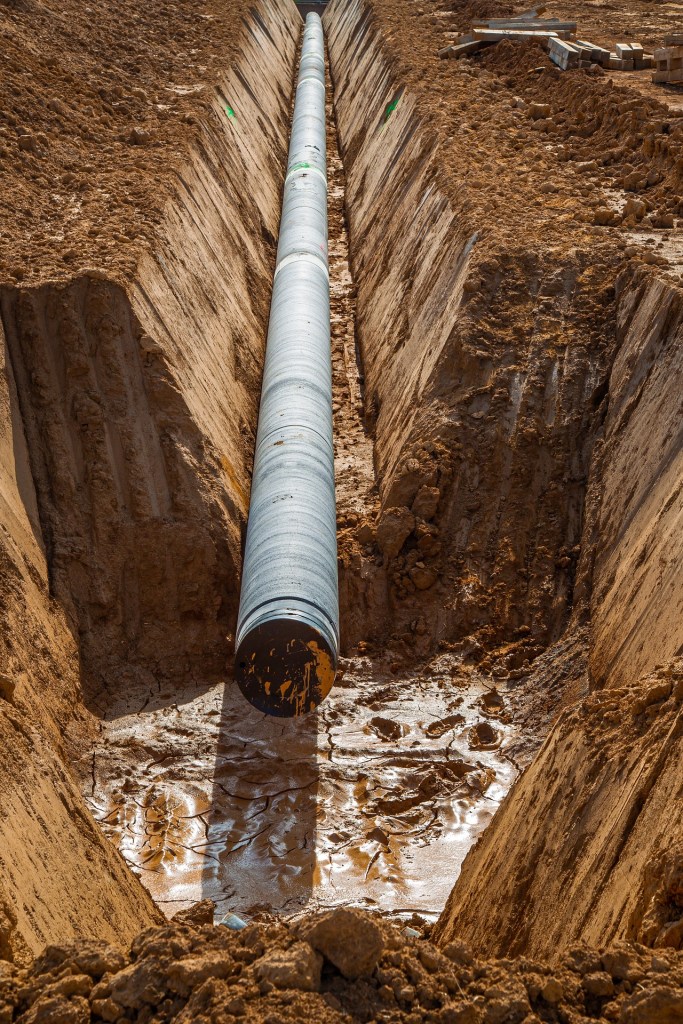
Evaluating your water infrastructure is very important. Infrastructure in good working order will lessen the chance of water contamination and frustration. I have an article about putting in new water lines.
Good water supplies can make or break a farm or operation. It’s very important to address any water issues promptly.
I hope this helps! Let me know if you need any further adjustments. Look at my other article dealing with water and water infrastructure
Check out some other articles about animals
Winter Water Line Installation
Top Tips to Prevent Frozen Water for Animals
.
Thank you for reading! If you want more information and updates, please subscribe to my newsletter. Get the latest blog posts and new offers right in your email. It’s free to subscribe, and you’ll receive loads of information at no cost.
Don’t forget to check out Anything Agriculture on social media! Follow us on YouTube, Facebook, Instagram, and Pinterest for more great content. Like and subscribe to stay connected!
Ready to take your homesteading journey to the next level? Book an appointment with me today! With decades of experience, I provide personalized advice to solve any homesteading challenge. Whether you’re a newbie or a seasoned homesteader, I offer expert guidance to make your homestead thrive. Don’t miss out—schedule a chat and unlock the full potential of your homestead with Anything Agriculture. Let’s turn your dreams into reality!


Discover more from Anything Agriculture
Subscribe to get the latest posts sent to your email.
