Forage Species for Your Pasture
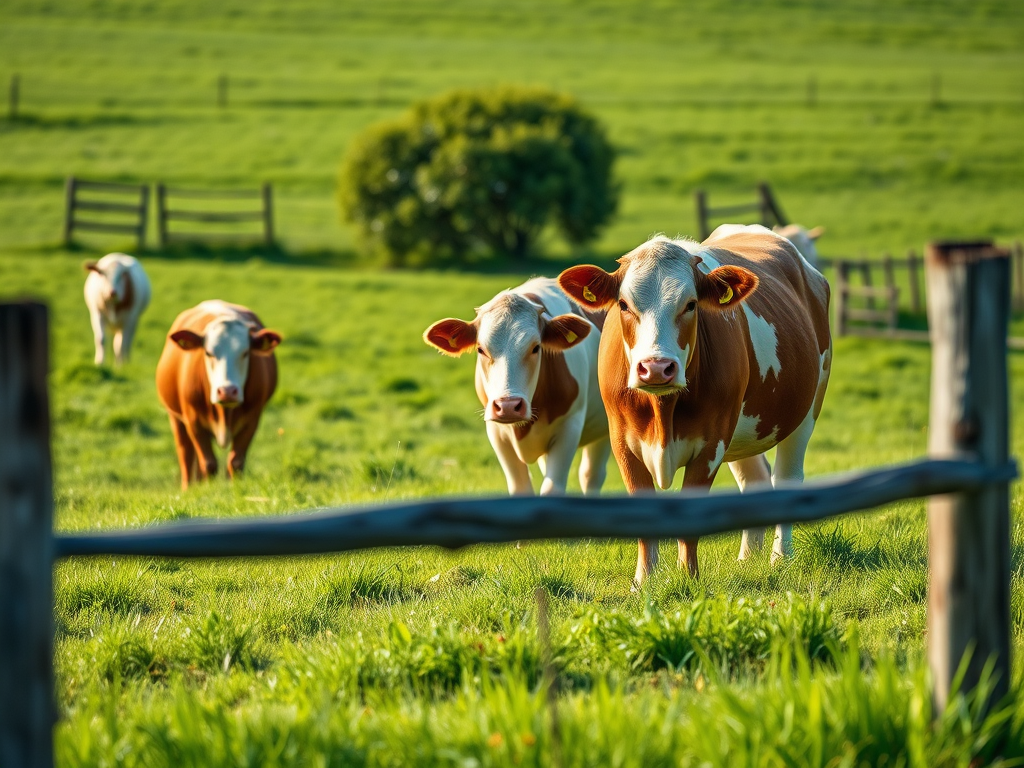
Starting a pasture from scratch or renovating an existing one requires knowing what forages are present and which will work best for your operation. Consider what will work for your animals and your goals for the pasture. Are you providing entertainment, extra nutrition, or all of your animal’s nutrition? Identifying the current forages and any weeds is crucial, especially if you’re renovating. Weed maintenance might be necessary to prevent them from robbing your pasture.
If you’re looking for a pasture to “do it all,” you might be disappointed. Decide if the forage is for hay or grazing and plant accordingly. Trying to make a pasture do everything often leads to frustration. Adjust your expectations and plan based on your goals. Successful pastures rely on good soil conditions, forage species selection, and favorable weather. With hard work, research, and a bit of luck, you can achieve great forages.
Soil Testing
If you haven’t done so, conduct soil tests in your intended pastures, preferably in the fall. This will help determine which forages will thrive and if any soil amendments are needed to maximize productivity. For more information, refer to the soil testing article on enhancing garden soils here.
Mixed Stand vs. Pure Stand
Choosing between mixed and pure stands is important. Each has its advantages and disadvantages.
Mixed Stands
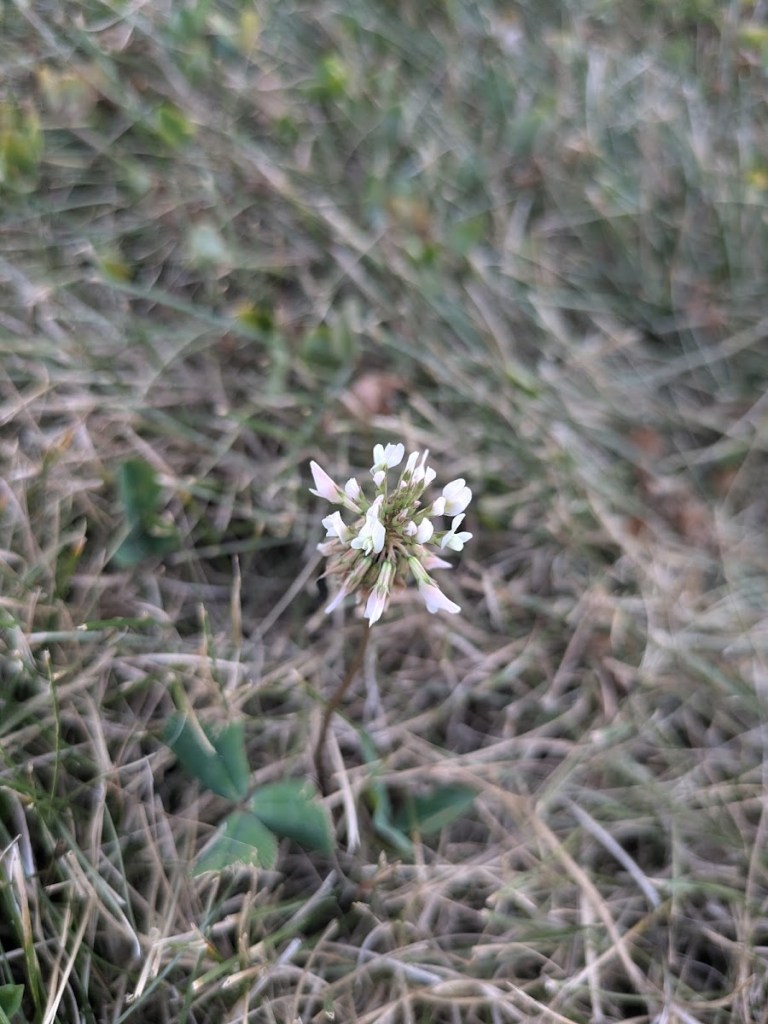
Mixed stands combine cool-season grasses and legumes.
Advantages:
- Lower or eliminate the need for nitrogen fertilizer if planted with 30% legumes.
- Increased lifespan of the pasture.
- Reduced frost heaving damage to legumes.
- Reduced erosion on slopes.
- Improved livestock quality and health.
- Enhanced drought tolerance and reduced summer slump.
Disadvantages:
- Legumes need to be reseeded more often, especially when they drop below 30% of the total dry matter.
Pure Stands
Advantages:
- Easier management.
- More herbicide options for weed control.
- Better for hay production.
- Easier to harvest as all forage is ready simultaneously.
Disadvantages:
- Stands thin more quickly.
- Forage legumes can pose a risk of livestock bloat.
- More likely to have weed issues.
- Requires more frequent reseeding and soil amendments.
Forage Groups
Understanding forage terminology is essential. Here are some common groups:
Cool Season Grasses
These grasses thrive in cooler temperatures, like in spring and fall.
Warm Season Grasses
These grasses grow during the summer months when temperatures are warmer.
Legumes

Legumes are protein-rich forages that can fix nitrogen from the air, making it usable for the plant. They grow in all seasons and supplement animal protein.
Perennial and Annual Forages
Perennial Forages: These are the mainstay of your pastures, lasting year after year. Some may only last a few years.
Annual Forage Crops: These can supplement during pasture slumps and help finish off livestock. Double cropping, where you sew other crops into your perennial forages, can extend grazing later into the season and break disease and pest cycles. Examples include small grains like wheat, barley, or oats, followed by summer annual grasses or forage turnips.
Avoid Prepackaged Mixes
Prepackaged mixes from feed stores can be misleading and wasteful. They often contain older seeds with lower germination rates and may not provide the right mix for your pasture. It’s better to select and mix your seeds based on your specific needs.
Selecting Forage for Your Pastures

Consider your animals’ needs, grazing system, weather, and soil conditions. Look at common forages and determine which are right for your animals. Soil tests will help you decide if those forages will thrive in your environment. Selecting forages can be daunting and may take several grazing seasons to get the right mix.
Common Forages in Indiana
- Kentucky Bluegrass: Excellent quality but low yield and drought-sensitive.
- Orchardgrass: Good forage with disease-resistant varieties.
- Reed Canary Grass: High yield and palatable but can be invasive.
- Ryegrass: Quick to establish and drought-tolerant.
- Smooth Bromegrass: Highly palatable but slow to recover.
- Tall Fescue: Long-lived and drought-tolerant but may contain endophytes.
- Timothy: Palatable but short-lived and not drought-tolerant.
Warm Season Grasses
- Big Bluestem: Good palatability but slow to establish.
- Eastern Gamagrass: Highly productive but difficult to establish.
- Indiangrass: Drought-tolerant but slow to establish.
- Switchgrass: Quick to mature but slow to establish.
Legumes
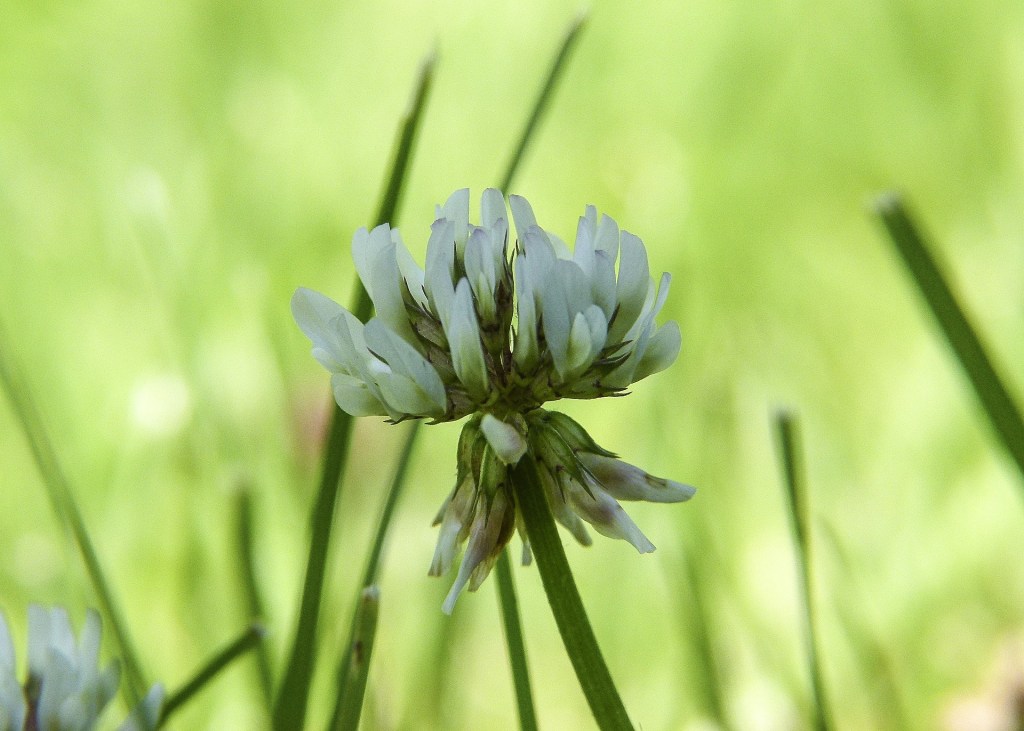
- Alfalfa: High protein but can cause bloat.
- Alsike Clover: Suitable for wet, acidic soils but toxic to horses.
- Birdsfoot Trefoil: Highly digestible and adaptable.
- Red Clover: Short-lived but shade-tolerant and palatable.
Native Grasses
Native grasses like Big Bluestem, Indiangrass, Switchgrass, Little Bluestem, and Gamma Grass can improve pasture diversity and extend the grazing season. They require careful management and may need special equipment for seeding.
Weed Management
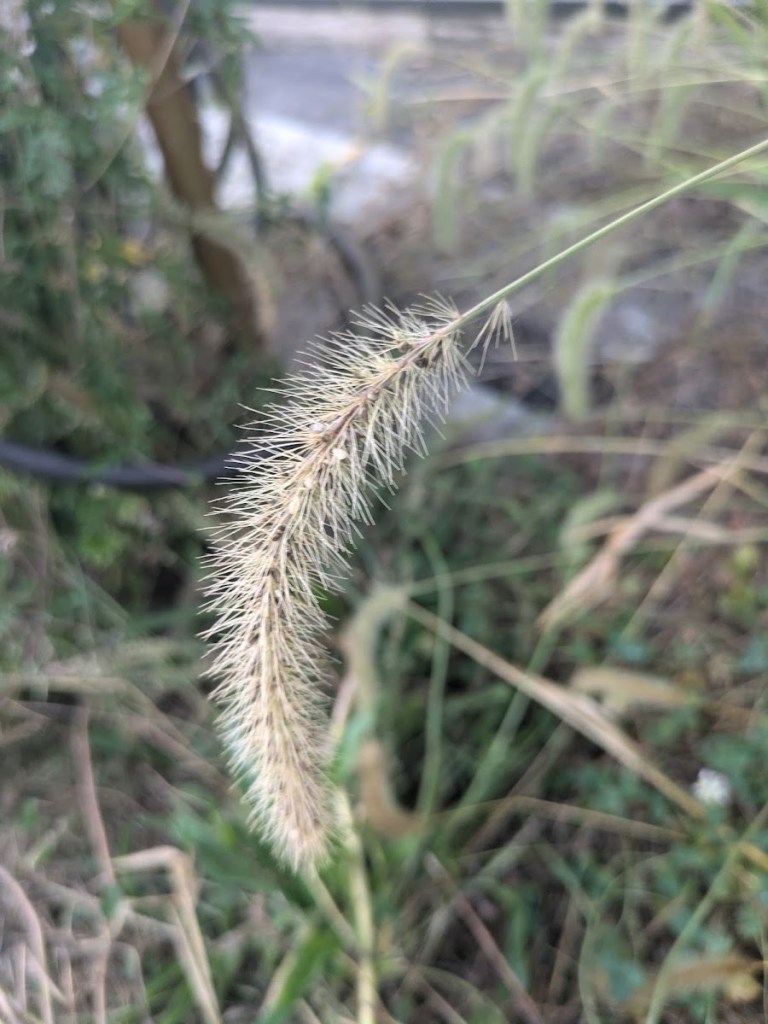
Weeds can be a problem in pastures, robbing nutrition and crowding out favorable species. An aggressive weed elimination program is essential to maintain healthy pastures.
I hope this helps! Let me know if you need any further adjustments.
Thank you for reading! If you want more information and updates, please subscribe to my newsletter. Get the latest blog posts and new offers right in your email. It’s free to subscribe, and you’ll receive loads of information at no cost.
Don’t forget to check out Anything Agriculture on social media! Follow us on YouTube, Facebook, Instagram, and Pinterest for more great content. Like and subscribe to stay connected!
Ready to take your homesteading journey to the next level? Book an appointment with me today! With decades of experience, I provide personalized advice to solve any homesteading challenge. Whether you’re a newbie or a seasoned homesteader, I offer expert guidance to make your homestead thrive. Don’t miss out—schedule a chat and unlock the full potential of your homestead with Anything Agriculture. Let’s turn your dreams into reality!


Discover more from Anything Agriculture
Subscribe to get the latest posts sent to your email.

2 thoughts on “Forage Species for Your Rotational Grazing Operations Part 1”