

December Newsletter
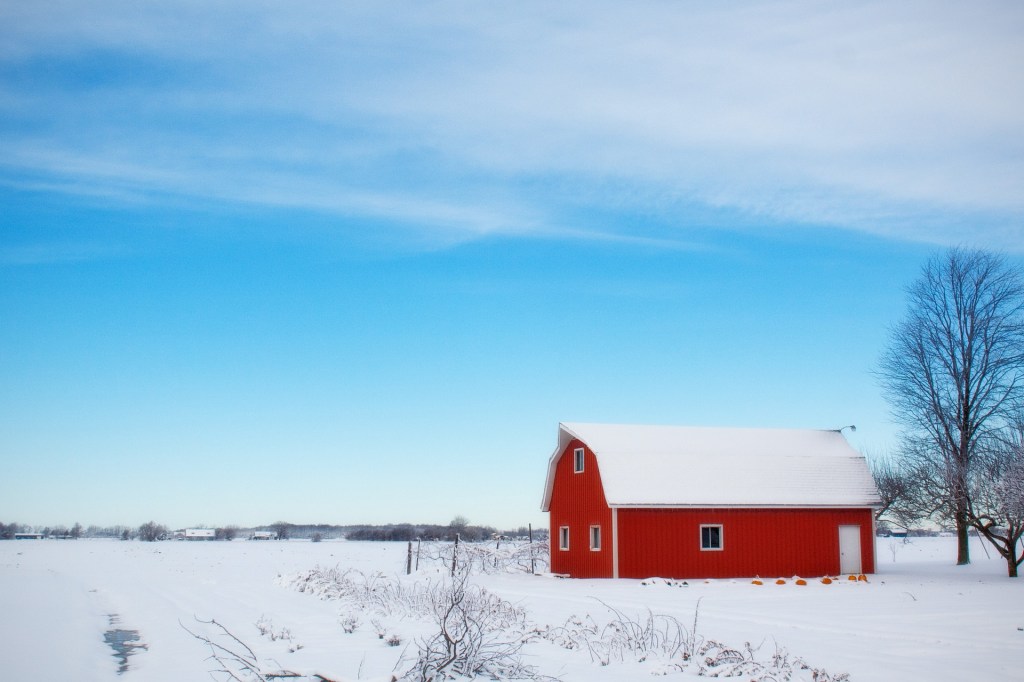
Winter is setting in. The weather has gotten colder. For many of us, there is still plenty to do, especially if you have animals. In this newsletter, you will get some timely information about the plants and animals in your care. There is still plenty of plant to take care of this season. Christmas trees, holly, Christmas cactus, amaryllis and cyclamen all have a special place during the holidays. Still a lot to do on the homestead too. Don’t forget to protect your trees and shrubs from salt and heavy snow. Take care of your animal’s needs by exploring all the different ways to keep water from freezing.
Christmas Trees

Keeping your fresh Christmas tree safe by making sure you are watering enough. A cut Christmas tree can go through a quart of water for every inch in diameter. For example, a 7-foot tree with a 3–4-inch trunk can use 3-4 quarts of water a day. That’s around a gallon! I have a whole blog post that just came out on Christmas trees and their care. Take a look at last week’s blog post on Christmas trees. Why-choose-a-real-christmas-tree-this-holiday/
Fresh Greenery
Now is a great time to trim evergreens for fresh holiday greenery. Spruce, pine and hollies make great holiday greenery because it smells great and is biodegradable. Winter is a perfect season to trim evergreens. There is less insects and diseases in winter, so the plants have time to heal.
Holly
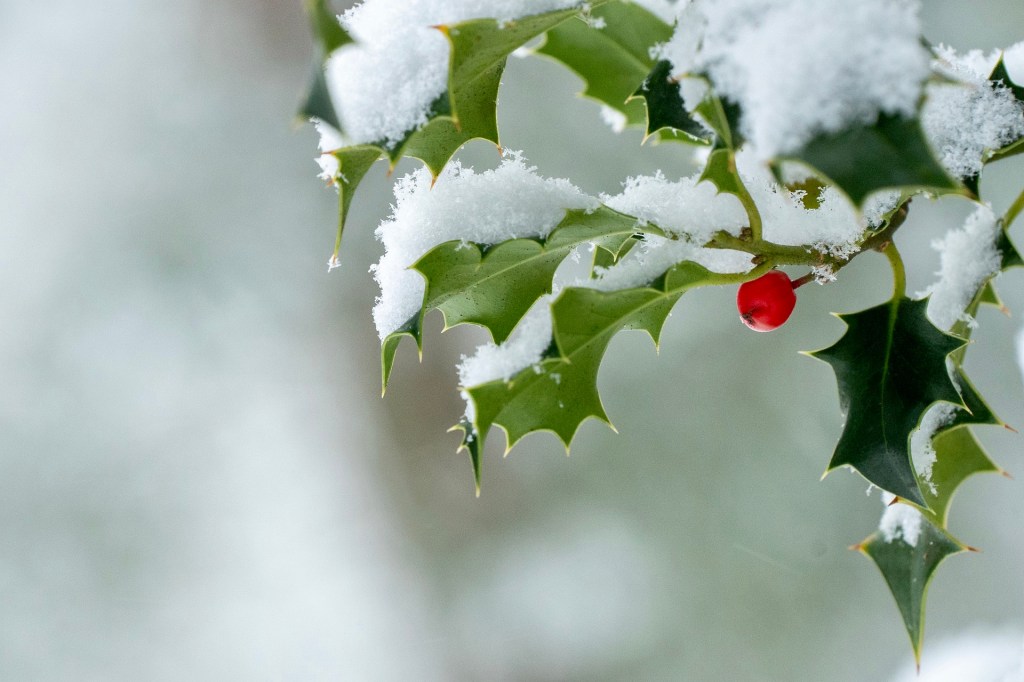
Holly greenery is always popular for the holidays. The red berries and glossy leaves make this a particularly beautiful plant for your holidays. If you don’t have any red berries, you may have a male plant. You need to plant a female plant to get those berries. When trimming for greenery, put the ends in water until they are needed.
Caring for Other Christmas Plants like Amaryllis and Cyclamen
For anyone who loves plants, amaryllis bulbs and cyclamen are a wonderful gift. Giving something that is green and blooming can lift the spirit of any scrooge. These plants have become popular to have during the holiday season as alternative to poinsettias.
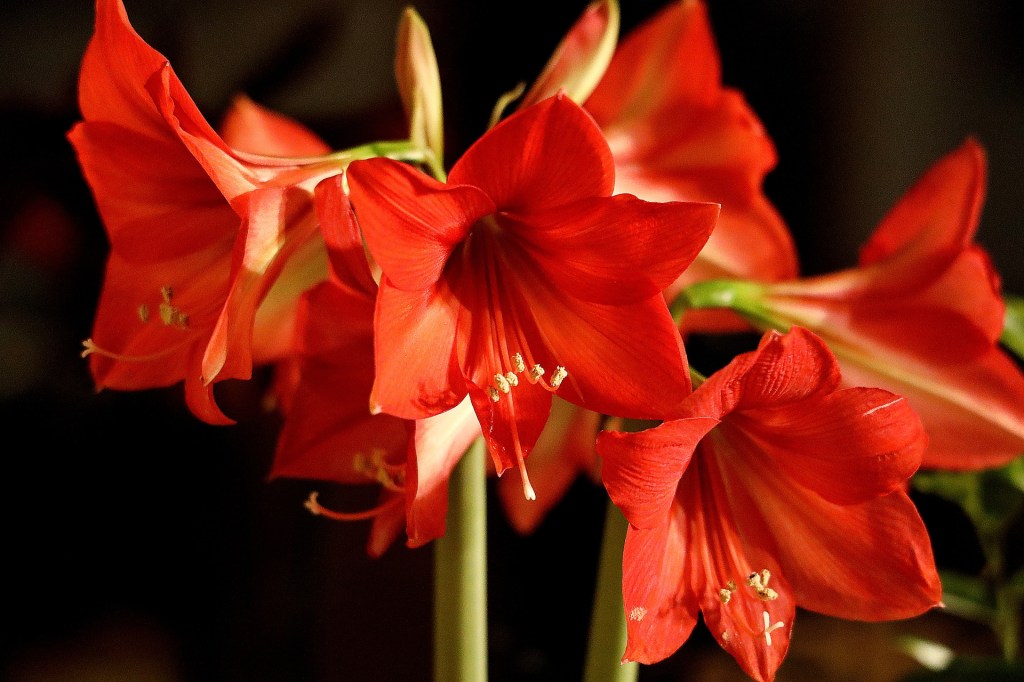
Amaryllis bulbs grow tall with large blooms. They are a really gorgeous plant to have as a centerpiece for the holidays. They seem to grow with little care. If you have Amaryllis from last year, it should start growing for the next bloom cycle. After the flower is spent make sure the flower is completely yellowed, then cut the stalk. Make sure it is in a sunny place. This ensures the leaves can still get enough sun. The bulb needs to store enough nutrients to bloom again. Be aware that amaryllis is toxic to cats and dogs
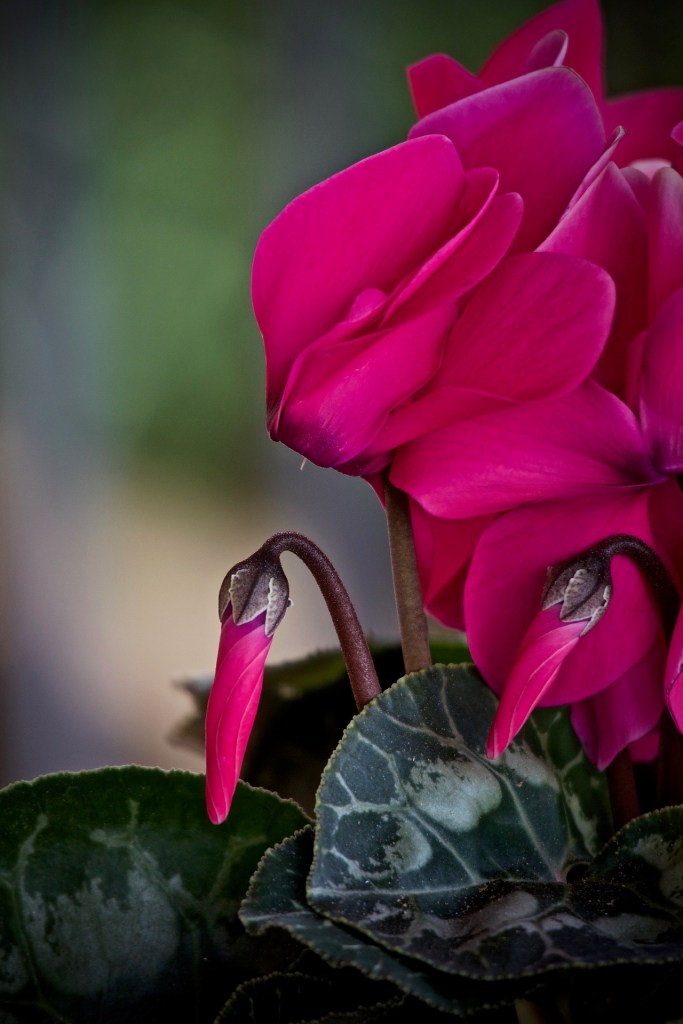
Cyclamens have such beautiful lasting color when the winter can be very dull and gray. Cyclamen plants prefer cool temps to bloom and grow. Temperatures between 60-65 Degrees F. They require indirect sunlight to bloom. This plant is a tender perennial and goes dormant during the summer. It is commonly grown as a houseplant and the unique foliage is enjoyed until it goes dormant. Cyclamen is toxic to pets so keep your plant protected.
Christmas Cactus
Reblooming Christmas and Thanksgiving Cacti Christmas Cactus and Thanksgiving Cactus are popular flowering holiday plants. Christmas cactus normally has smooth stem segments. Thanksgiving Cactus has hook-like appendages on each segment.
Flowering will not occur unless induced by temperature and/or light treatment. If the temperature is held at 50 to 55 degrees F, flowering will occur regardless of day length. But flowering usually is not uniform. Temperatures below 50 degrees F prevent flowering. Nights greater than 12 hours long and temperatures between 59 and 69 degrees also can generate flowers. Twenty-five consecutive long nights is enough for flower initiation. It takes an additional nine to 10 weeks for flowers to complete development and bloom.
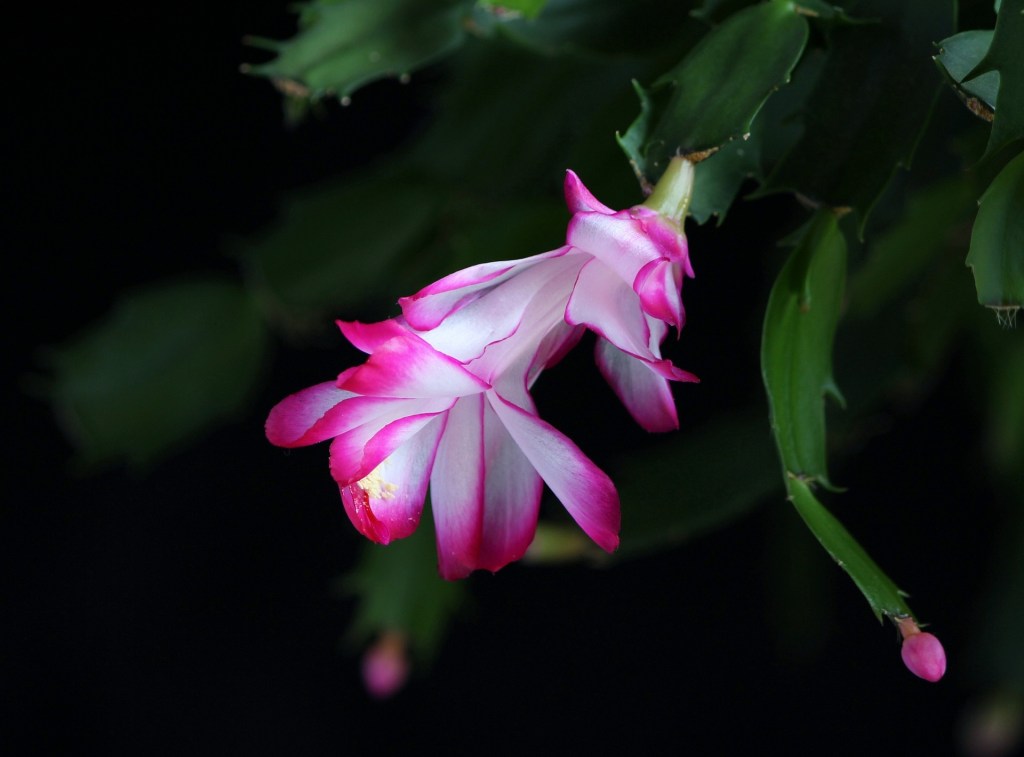
Both of these cacti like bright indirect light. Too much sun may cause leaves to turn yellow. Common household temperatures are fine. Keep soil constantly moist but not waterlogged. These plants seem to flower best if kept a little pot bound. If you need to repot you cactus, wait until spring.
House Plants
House plants that you brought in from outside should be getting used to being inside. Make sure they are not getting over watered as their growth will slow down in the winter months
Check for brown or dry edges. This indicates that the plant would do well with some more humidity. This can be done with a cold mist humidifier, pebble trays or grouping plants together.
Houseplants in this time of year may not get enough light because the days are short and gray. Keep the plant away from cold windows as the foliage may die. Adding a supplemental light source until the days start getting longer will help the plants maintain their foliage
Forcing Bulbs
Remember the bulbs you put in the refrigerator last month? This month is great for forcing bulbs and getting that amazing pop of color in the winter. If you forgot to get your bulbs in the cooler, buy pre-chilled bulbs. Forced bulbs make a great gift to give other gardeners or anyone who misses being outdoors when it’s cold. The bulbs needs to be planted in moist soils and put in a warm bright place. They should bloom in 2-4 weeks depending on variety.

Things To Do In The Yard
Cabin fever has got the best of you. There are a few tasks you can do outside. These tasks will improve your yard and your mood giving you a jump start on spring.
Salt and Snow Melt
Avoid using sodium chloride to melt snow and ice on your driveway or sidewalks. This causes damage to the plants in the adjacent areas and can damage any brick work too. Use something safer like potassium chloride or calcium chloride. Better yet, use sand or kitty litter for traction on slick surfaces. This can always be swept up in the spring and won’t harm your plants. It can save you a little money too.
Its Not To Late to Mulch.
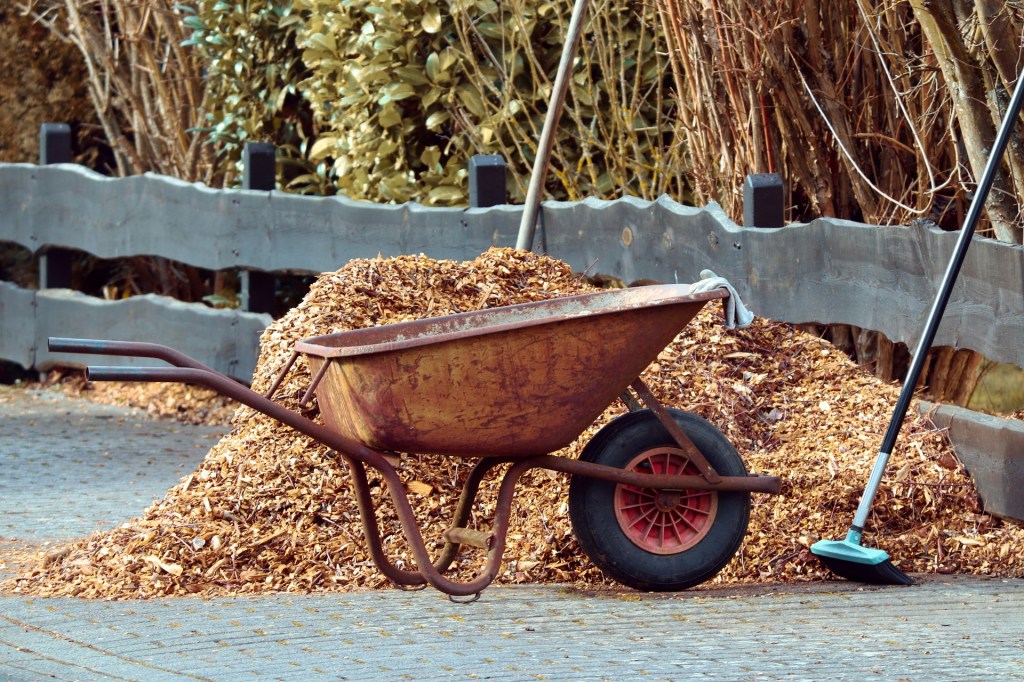
If you haven’t already, make sure you have mulch in your planting beds. Putting a thick layer of straw over root crops protects them. Mulching allows the crops to be harvested all winter long. You can harvest them a little at a time without having to store them inside. This works great with parsnips, carrots, leeks, and beets.
Thin Barked Trees
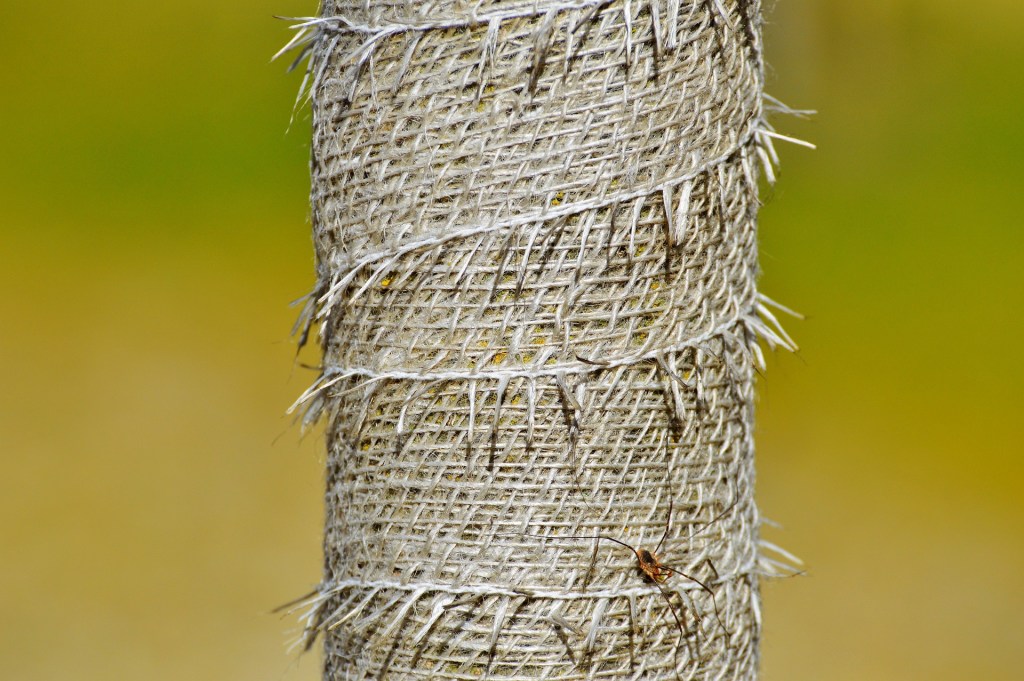
Check young and thin barked trees for splitting. Last month we talked about wrapping these trees with a tree wrap to prevent it. I don’t recommend using paint of any sort. Paint prevents the tree from getting adequate air to the trunk. Additionally, it can attract insects in the spring. Pay attention to south and southwest facing sides of the tree. If cracking is happening, wrap those tree trunks now. This will give the plant a chance to heal the damage before spring. Make sure that you remove the wrapping just before the spring thaw. This ensures moisture isn’t being caught, causing rotting in the wound.
Evergreens In Your Landscape
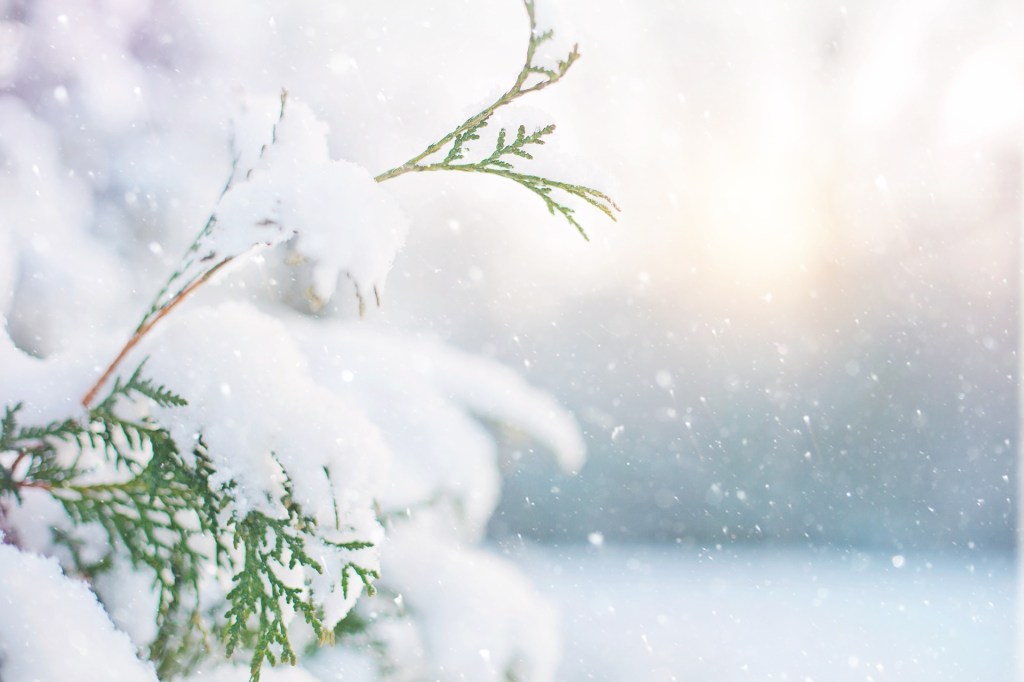
Look at your landscape’s broad leaves evergreen plants and evergreen trees. These could be your azalea, rhododendron or boxwood plants. Be on the watch for the leaves turning brown. This can happen due to excessive drying from the wind. If you have a particularly windy place in your landscape, protect those tender plants. Use burlap on the south and west sides to shield them.
Salt Spray
Be aware of salt spray from the street. This can cause a lot of damage to your landscape. If you notice salt spray, protect those plants with burlap. Polyethylene plant screens are also a good. White pines, cedars, boxwood and other evergreens are very sensitive to salt spray. These plants will have a difficult time in high traffic areas where salt and snow melt have occurred. If salt spray is damaging a plant in your landscape, consider removing the plant and replace it in the spring.

Avoid shoveling any snow on shrubs or trees especially if it has salt or snow melt in it. This prevents winter burn of shrubs and keep them healthy. Shoveling snow can break branches and damage the shape of the shrubs too. Be aware of snowplows piling up snow.
Garden Chemicals and Fertilizers
Garden chemicals are sensitive to cold and freezing. This includes sprays liquid and fertilizers. Even if you are an organic gardener. Be sure you have them stored in a secure place that doesn’t freeze. Freezing can make the product unusable in spring. Inspect containers to make sure their labels are intact.
Bulbs and Produce In Storage
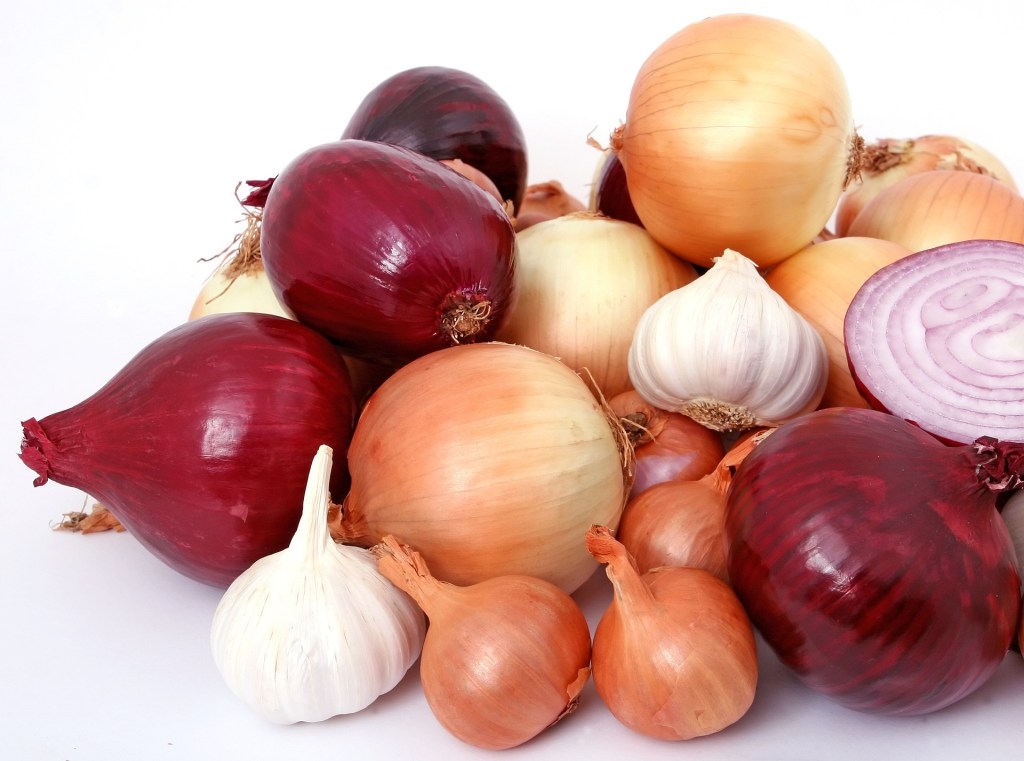
Check any produce or tender bulbs in storage. It could be your dahlias or begonia tubers or potatoes. Throw out any bulbs that are molding, softening or shriveling. If you see several bulbs shriveling this indicates there isn’t enough humidity. You will need to add some humidity to preserve your harvest. One way to do this is to run a humidifier part of time. Leaving open water can lead to unwanted insects and critters getting into your produce.

Care and Feeding of Your Compost Pile
Turn your compost pile to ensure it is warm enough to destroy pathogens and weed seeds. Turning your compost pile encourages it to break down. turning in to wonderful compost for next years garden. If your compost pile is not warm enough make sure to add more green items like kitchen scraps. Make sure you are adding to your compost pile, so it is ready for spring. Good compost is the secret to a great garden.
Frost Heaves
Check for frost heaving. Frost heaving when the ground thaws and freezes. This can cause shallow rooted perennials to lift out of the ground. Indiana has a lot of these freeze-thaw cycles. If you discovered roots that have been pushed out of the ground gently push the roots back into the soil. If the soil is too frozen to put the roots back, cover roots with 3-4 inches of mulch. This should protect the roots until a thaw cycle to put the roots back underground.
Creature Feature
Frozen water
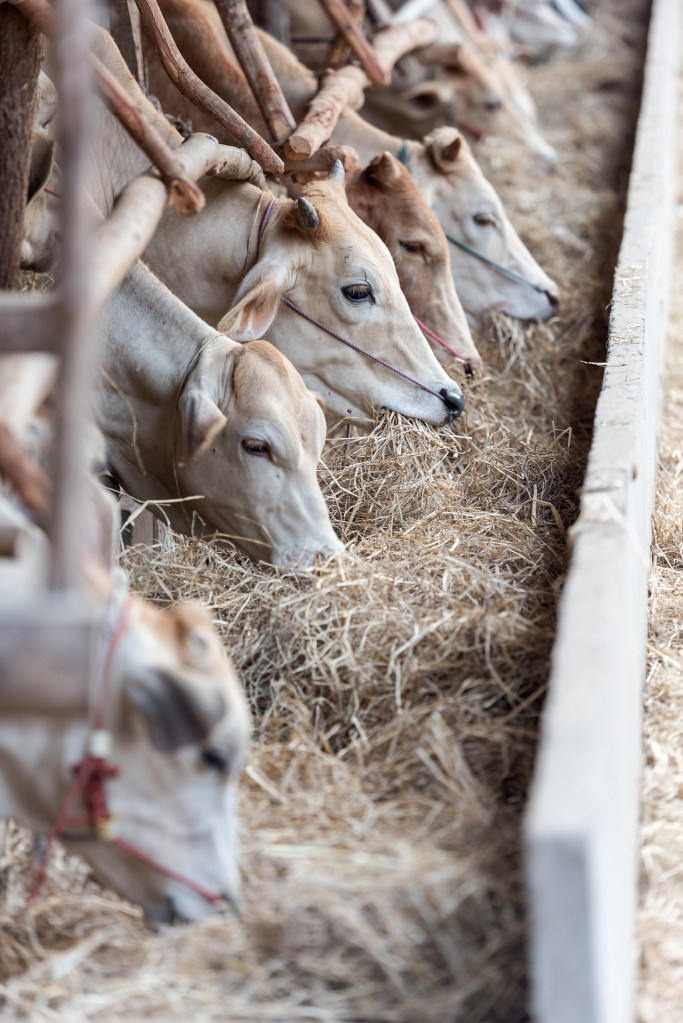
By now you are probably had to deal with frozen water. Frozen livestock water is the bane of almost all animal farmers. It doesn’t matter, chickens to cattle everyone deals with frozen water sometimes. There are hundreds of “tried and true ” ways to keep your water open. There are a lot of homemade DIY solutions, and some may work for you. Each farm is unique, and some work better than others. The following are the main ways that water is kept open for livestock. Let me know what works for you. I would love to see your ideas. Lets explore: electric heaters, nesting tanks, heated hoses, insulated buckets, solar options, composting, freeze miser, propane heaters, constant water flow and pop bottles with salt.
- There are many types of electric heaters out on the market for every type of animal. These can range from being pretty inexpensive to very expensive. Some have many bells and whistles to ensure your water is open and animals are safe. The biggest drawback to electric waters is the need of having electricity run to where your water is needed. This can get complicated when you have multiple waters to run. Running extension cords can be dangerous if they are not rated for wet areas. Animals can chew on the cords becoming a shock risk. It’s a good idea to have an electrician check your electricity. Ensure your circuits can handle the extra load and have not been damaged over the summer. Barn fires happen all the time, most are caused by electrical issues. This extra step can save you thousands of dollars and a world heartache.
Subscribe to get access
For just $2 a month you get access to all that Anything Agriculture has to offer. Join today to finish this newsletter and get complete access to all subscriber content. you will also be the first to know about new classes and products.

Have a plan for bad weather. There is always seems to have a cold snap after a bad storm. Such storms often leave you with no electricity or access to water. Come up with a plan for making sure you have water for your animals.
Let me know what the worst chore during winter.

Happy Holidays to all
Like and subscribe to my blog Anything Agriculture.com Be ahead of everyone else with timely articles and information. Give the gift of knowledge, subscribe to my newsletter and buy a subscription for a friend. This is a great time of year to start planning for next year’s garden and homestead projects.
Subject to copyright
Thank you for reading! If you want more information and updates, please subscribe to my newsletter. Get the latest blog posts and new offers right in your email. It’s free to subscribe, and you’ll receive loads of information at no cost.
Don’t forget to check out Anything Agriculture on social media! Follow us on YouTube, Facebook, Instagram, and Pinterest for more great content. Like and subscribe to stay connected!
Ready to take your homesteading journey to the next level? Book an appointment with me today! With decades of experience, I provide personalized advice to solve any homesteading challenge. Whether you’re a newbie or a seasoned homesteader, I offer expert guidance to make your homestead thrive. Don’t miss out—schedule a chat and unlock the full potential of your homestead with Anything Agriculture. Let’s turn your dreams into reality!


Discover more from Anything Agriculture
Subscribe to get the latest posts sent to your email.
